Европа Хитойга боғлиқликдан қочиш учун Ўзбекистондан фойдаланмоқчи
World
−
25 October 2025 17172 2 minutes
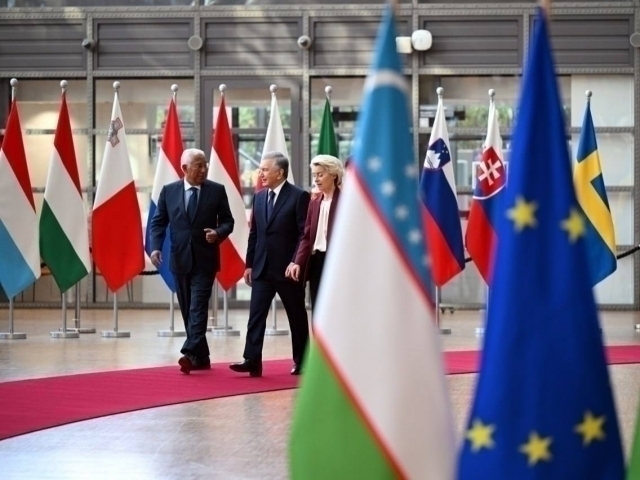
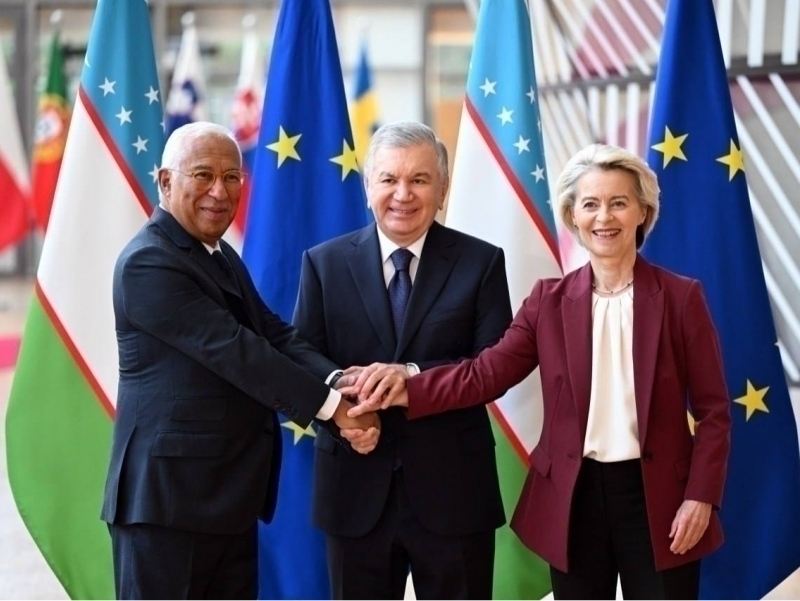
Европа Иттифоқи Хитойнинг муҳим хомашёларига бўлган боғлиқликни камайтириш бўйича янги режа ишлаб чиқмоқда. Бу ҳақда Европа комиссияси раиси Урсула фон дер Ляйен бугун, 25 октябрь куни Берлинда бўлиб ўтган анжуманда маълум қилди.
У Пекинни ноёб ер элементларининг экспортига қўйилган янги чекловлари учун танқид қилди.
Европа Иттифоқи бир неча йилдан бери Хитойга бўлган муҳандислик саноати учун зарур бўлган минераллар – тоза энергияга ўтиш, мудофаа соҳаси ва электр транспорт воситалари ишлаб чиқаришда қўлланадиган хомашёлар бўйича боғлиқликни камайтиришга уриниб келмоқда.
Фон дер Ляйеннинг айтишича, ЕИ Австралия, Канада, Чили, Гренландия, Қозоғистон, Ўзбекистон ва Украина каби давлатлар билан муҳим хомашёлар бўйича шерикликни тезлаштиришга интилади. Режа, шунингдек, Европада сотилаётган маҳсулотлардаги муҳим хомашёларни қайта ишлаш ва қайта фойдаланиш бўйича саъй-ҳаракатларни кучайтиришни ҳам ўз ичига олади.
“Мақсад Европа саноати учун муҳим хомашёларнинг альтернатив манбаларидан қисқа, ўрта ва узоқ муддатли фойдаланишни таъминлашдир”, деди у.
Унинг сўзларига кўра, "RESourceEU" деб номланган бу ташаббус 2022 йилда Россия Украинага босқин киритгандан кейин ЕИнинг Россия энергия манбаларидан боғлиқликни қисқартириш бўйича ишлаб чиққан "REPowerEU" дастурига ўхшаш бўлади.
“Биз биргаликда харид қилишдан тортиб, захира яратишгача бўлган барча йўналишларга эътибор қаратамиз. Шунингдек, ЕИ ҳудудида муҳим хомашёларни ишлаб чиқариш ва қайта ишлаш бўйича стратегик лойиҳаларга инвестицияларни оширамиз”, деди фон дер Ляйен.
9 октябрь куни Хитой ноёб ер элементлари ва аккумулятор хомашёларининг экспортига чекловлар жорий этган эди. Ғарб ҳукуматлари ва таҳлилчилари бу чекловларни АҚШ томонидан қўлланилган савдо тарифларига Хитойнинг жавоби сифатида кўрмоқда.
Бироқ фон дер Ляйен таъкидлашича, бу чекловлар Европага ҳам катта таъсир кўрсатмоқда, айниқса автомобилсозлик, мудофаа, аэрокосмик саноат, сунъий интеллект микрочиплари ва маълумотлар марказлари соҳаларида.
“Агар ҳисобга олсак, Европанинг ноёб ер магнитларига бўлган эҳтиёжининг 90 фоиздан ортиғи Хитой импортларига боғлиқ, бу Европанинг энг стратегик саноат соҳалари учун катта хавф туғдиради. Қисқа муддатда биз хитойлик ҳамкорларимиз билан ечим топишга йўналганмиз. Бироқ зарурат туғилса, биз қўлимиздаги барча воситалардан фойдаланишга тайёрмиз”, деди фон дер Ляйен.
Эслатиб ўтамиз, Самарқандда 2025 йил апрель ойида бўлиб ўтган биринчи ЕИ – Марказий Осиё саммитида томонлар икки минтақа ўртасида стратегик шериклик учун янги доирани белгилаб берган Қўшма Декларацияни қабул қилган, шу билан бирга, критик хомашё ресурслари соҳасида ҳамкорлик бўйича яна бир декларация имзолаганди.

Live
All