Яраланган қуш ҳамон учмоқда – Weekend
Review
−
27 July 2025 21148 15 minutes
2025 йилнинг экваторидан энди ўтиб борарканмиз дунёда аллақачон 3-уруш содир бўлиб улгурди. Таиланд ва Камбоджа ибодатхона талашмоқда.
Қирғизостон ҳали ҳам халқ орасида “Салимбойвачча” номи билан танилган Салим Абдувалиевга алоқадор шахсларни тақиб қилмоқда.
Бир ой олдин жуда оғир урушдан чиққан Эрон космосга сунъий йўлдош учирди. Форслар минтақадаги устунликни фазода ҳам мустаҳкамламоқчи
Охирги пайтларда фақат касаллиги ҳақида хабарлар чиқадиган Рамзан Қодиров бу сафар Туркияда оғирлашгани айтилмоқда. Аммо унинг ўзи ҳали жим ва бу хабарларни рад қилгани йўқ.
Тугаб бораётган ҳафта давомида жаҳонда рўй берган муҳим воқеа-ҳодисалар тафсилоти билан QALAMPIR.UZ'нинг Weekend дастурида танишинг.
Қирғизистон “Салимбойвачча” масаласини ёпмаяпти
Халқ орасида “Салимбойвачча” номи билан машҳур Салим Абдувалиевга алоқадорлиги гумон қилинаётган шахслар Қирғизистон ҳуқуқ-тартибот идораларнинг нишонидан ҳали ҳам тушгани йўқ. Унинг уюшган жиноий гуруҳи фаолиятини молиялаштирганликда гумон қилинаётган Қирғизистон ИИВ собиқ ходими Жалил Атамбаев ҳибсга олинди. У биринчи марта 2024 йилнинг августида ҳибсланган. Атамбаев турли раҳбарлик лавозимларида, жумладан, Ўш халқаро аэропорти транспорт бўлими бошлиғи бўлиб ишлаган. Ўз бизнесини ривожлантириш мақсадида Жалил Атамбаев Қирғизистон махсус хизматлари томонидан илгари қидирувда бўлган Салим Абдувалиев билан алоқа ўрнатган ва унинг уюшган жиноий гуруҳини молиялаштирган. У билан бир вақтда Жогорку Кенешнинг собиқ депутати Салайдин Айдаров ҳам ҳибсга олинган.
2024 йилнинг декабрь ойида Атамбаевга нисбатан эҳтиёт чораси қўлланган ва шартли равишда озод қилинган. Бироқ тергов давомида у эҳтиёт чораси шартларини бир неча бор бузгани, тергов органларининг чақирувига кўра мунтазам равишда келмагани ва процессуал мажбуриятларни эътиборсиз қолдиргани аниқланган. Бишкек шаҳар Октябрь туман суди ушбу қонунбузарликларни инобатга олиб, қамоққа олиш тарзидаги эҳтиёт чорасини қайтаришга қарор қилди ва Жалил Атамбаев Қирғизистон Миграция қўмитаси қошидаги 21-сонли муассасага жойлаштирилди. Унинг Салим Абдувалиев билан яқин муносабатда бўлганини исботловчи сурат ҳам бўлиб, у Абдувалиевнинг уйида туширилган. Суратдаги иккинчи шахс эса Қирғизистон Жогорку Кенешининг собиқ депутати Нургази Айдаров бўлиб, у Бишкекнинг Октябрь туман суди қарори билан 2024 йилнинг августида сиртдан қамоққа олиш тарзидаги эҳтиёт чораси танланган ҳолда, жиноий жавобгарликка тортиш учун давлатлараро ва Интерпол орқали қидирувга берилган.
Шу ўринда 2023 йилнинг охирларида Ўзбекистон ва унинг қўшниси Қирғизистонда криминал авторитетларга қарши ўтказилган рейд тадбирларини эсласак. Ортидан машмашаларни келтириб чиқарган, халқаро даражадаги жиноятчилик тармоқлари очилиб кетишига олиб келган бу воқеалар давлат ичидаги муҳим лавозимдагиларни ҳам ўриндиғидан силкитиб юборди. Хусусан, Қирғизистонда Коля Қирғиз номи билан танилган криминал авторитет Қамчибек Асанбекнинг ўлими ортидан бошланган тозалаш тадбирлари парламент депутатларигача бориб тақалди ва унда Эмил Жамғирчиев асосий нишон бўлди. Президент Садир Жапаров ва Миллий хавфсизлик давлат қўмитаси раиси Қамчибек Ташиевнинг тасдиқлашича, Эмил Жамғирчиев чегарани ноқонуний кесиб ўтиб, ўзбекистонлик Салим Абдувалиевдан ёрдам сўрагани, мамлакатни назоратга олишини ва икки танишини ўлдириб беришини илтимос қилган. Бу сирлар очилганда эса Жамғирчиев, ҳатто, парламентдаги хонаси деразасидан сакраб қочишдек шармандали вазиятга тушди.
Шунингдек, Қирғизистоннинг Сузоқ туманида яшовчи фуқаро – қишлоқ фуқаролар йиғинининг собиқ депутати ижтимоий тармоқлардаги саҳифасига ўзбекистонлик “Салимбойвачча” билан тушган суратини жойлаштириши ортидан уюшган жиноий гуруҳга алоқаси борликда гумонланиб, Қирғизистон Миллий хавфсизлик давлат қўмитасининг эътиборига тушди. Унинг сурати ҳам Салимбойнинг айнан Тошкентдаги уйида олинган. У билан профилактик суҳбат ўтказилиб, уюшган жиноий гуруҳ мафкурасидан воз кечиш мажбурияти қўйилган. Ўз ўрнида бу воқеалар нега бир бошдан эсланаётганига тўхталсак. Кўпчиликка маълум, ўша кезларда номлари тилларда достон бўлган ўзбекистонлик шахслар билан боғлиқ воқеалар ортидан Қирғизистонда Жогорку Кегеш депутатларига вақтинча чет эл ва ички хизмат сафарларига чиқиш тақиқланганди.
2024 йилнинг август ойига келиб эса Қирғизистон Миллий хавфсизлик давлат қўмитаси қўзғатган иш доирасида Бишкек шаҳар Октябрь туман суди қарори билан Салимбой Абдувалиевга нисбатан сиртдан қамоққа олиш тарзидаги эҳтиёт чораси танланган ва у ҳам давлатлараро, ҳам Интерпол Миллий марказий бюроси орқали қидирувга берилган. Билдирилишича, олиб борилган тезкор-қидирув тадбирларида Салим Абдувалиев томонидан “Биродарлар давраси” халқаро жиноий гуруҳи таркибига кирган Қамчибек Асанбек (“Коля Қирғиз”) уюшган жиноий гуруҳи фаолиятини молиялаштириш фактлари аниқланган. Қирғизистон махсус хизматларига кўра, Абдувалиев Ўзбекистон ҳудудида жиноий тузилмаларга раҳбарлик қилган, шунингдек, МДҲ давлатларида бевосита таъсирга эга бўлган ҳолда, гиёҳвандлик воситаларини Европа давлатларига олиб ўтиш бўйича ноқонуний каналлар ташкил этгани сабабли Қамчи Қўлбоев билан ўзаро алоқа ўрнатган ва унга мунтазам равишда моддий ёрдам кўрсатиб келган. Бундан ташқари, у минтақадаги нуфузли криминал авторитетлар қаторида Қирғизистон, шунингдек, Марказий Осиё мамлакатлари жиноят оламининг етакчиси бўлишига ёрдам берган ва ҳисса қўшган.
Ўзбекистонда эса 2023 йилнинг 1 декабрь куни ҳуқуқ-тартибот идоралари томонидан “Долзарб 40 кунлик” тадбирлари давомида Тошкентнинг Файзобод даҳасида жойлашган уйидан олиб кетилган Салим Абдувалиев Жиноят кодексининг 248-моддаси (ўқотар қуролнинг, ўқ-дориларнинг, ўқотар қурол асосий қисмларининг, портловчи моддаларнинг, портлатиш воситаларининг ёки портлатиш қурилмаларининг қонунга хилоф муомаласи) 2-қисмида назарда тутилган жиноятни содир қилганликда айбдор деб топилиб, унга 6 йил муддатга озодликдан маҳрум қилиш жазоси тайинланган. Тайинланган жазони умумий тартибли колонияда ўтаттирилиши белгиланган. Бироқ у касаллиги туфайли жорий 2025 йилнинг 12 январь куни Жиноят кодексининг 75-моддаси (Касаллик ёки меҳнат қобилиятини йўқотиш оқибатида жазодан озод қилиш) тартибида жазодан озод қилинган ва озодликка чиқарилганди.
Эрон фазога учишда давом этяпти
Яраланган қуш ҳамон учмоқда. 45 йилдан буён санкциялар остида қолаётган, Исроил билан урушдан чиққанига энди бир ой тўлган Эрон Ислом Республикаси фазога қадам қўйишда давом этмоқда. 25 июль куни Эроннинг “Ноҳид-2” номли сунъий йўлдоши Россиянинг “Союз” ракетасида космосга муваффақиятли учирилди. Мамлакатнинг тадқиқот ва телекоммуникация сунъий йўлдоши “Ноҳид-2” Россиянинг Восточний космодромидан орбитага чиқарилган. Ушбу сунъий йўлдошни орбитага олиб чиққан “Союз” ракетаси эса илгари Эроннинг бир нечта сунъий йўлдошларини, жумладан “Hayyom”, “Fars-1” ва “Hodid” кабиларни космосга олиб чиққан. Маълумотларга кўра, “Ноҳид-2” Эроннинг космосдаги 26-сунъий йўлдоши ҳисобланади. Форс давлати эса ўзининг илк сунъий йўлдошини 2009 йилда ишлаб чиққанди ва у “Amid” деб номланганди. Бу эса ўта оғир санкциялар остида бўлишига қарамай, расмий Теҳрон фазога 16 йил ичида 26 та сунъий йўлдош учирганини англатади.
“Ноҳид-2”нинг хусусиятларига тўхталсак, учиш жойидан олинган маълумотларга кўра, ушбу сунъий йўлдоши тахминий 500 километр баландликда орбитага муваффақиятли жойлаштирилган. Маълумотларга кўра, Эронда ишлаб чиқарилган бу сунъий йўлдош литюм-ионли батареялар билан жиҳозланган. Ушбу батареялар сунъий йўлдошнинг ишлаш муддати давомида ўн минглаб зарядлаш даврларига бардош беришга мўлжалланган. Қайд этилишича, узоқ муддатли сунъий йўлдошлар учун асосий техник муаммолардан бири бу – ернинг тортишиш кучи туфайли аста-секин орбитал парчаланишдир. Бу жойлашишни аниқлаши ва ишлашга таъсир қилиши мумкин. Мазкур вазифани бажариш учун эса “Ноҳид-2” баландлигини 50 километргача созлашга қодир маҳаллий ҳаракатлантирувчи тизим билан жиҳозланган. Маҳаллий нашрларнинг ёзишича, эронлик космик муҳандислар ҳаракатлантирувчи тизимни тўлиқ равишда мамлакат ичида ишлаб чиққан. Сунъий йўлдошда композит ёнилғи баки, юқори босимли клапанлар ва нозик бошқарув итаргичлари каби илғор компонентларни ўз ичига олган иссиқ газ пуркагичлари ишлайди. Ушбу қисмларнинг сезгирлиги ва юқори технологияли табиати туфайли улар халқаро бозорда камдан-кам учраши таъкидланмоқда.
Энди эса сунъий йўлдошлар мамлакатларга нима учун кераклигига тўхталсак. Уни ишлаб чиқиш ва учиришдан асосан 6 та мақсад кўзланади.
- Биринчи навбатда – алоқа. Сунъий йўлдошлар узоқ масофаларда глобал алоқани таъминлайди, маълумотларни узатади, телевидение ва интернет хизматларини кўрсатади.
- Иккинчиси – навигация. Бундан GPS каби тизимлар одамларга реал вақтда навигация қилишга ёрдам беради. Улар авиация, денгиз саёҳатлари ва ҳатто қишлоқ хўжалиги учун ҳам муҳимдир.
- Учинчиси – ерни кузатиш. Сунъий йўлдошлар Ернинг юқори аниқликдаги тасвирларини тақдим этиб, табиий офатларни бошқариш, шаҳарсозлик, қишлоқ хўжалиги ва атроф-муҳит мониторингида ёрдам беради.
- Тўртинчиси – об-ҳаво прогнози. Сунъий йўлдошлар аниқ прогнозлар, бўронларни кузатиш ва иқлим мониторинги учун маълумотларни тақдим этади.
- Бешинчи ва олтинчи мақсадлар – космик тадқиқотлар ва хавфсизлик каби муҳим масалалардир. Улар космик ҳодисалар ҳақида маълумот тўплайди, коинот ҳақидаги тушунчаларни кенгайтиради ва микрогравитацияси бўйича ҳам илмий тажрибалар ўтказишга асос бўлиб хизмат қилади. Сунъий йўлдошларнинг хавфсизлик ва ҳарбий жиҳатдан кўмаги ҳам ўз ўрнида жуда муҳим. Бундай қурилмалар ҳарбий кузатув, эрта огоҳлантириш тизимлари ва ракеталарни аниқлаш учун ишлатилади ва миллий хавфсизлик томонлама беқиёс инструмент ҳисобланади.
Юқорида таъкидланган “Ноҳид-2” эса асосан алоқа учун ихтисослашгани айтилмоқда. Аммо Эрон тўхтовсиз равишда космосдаги сунъий йўлдошларини кўпайтирар экан, бу лойиҳалар мамлакат ривожи ва тараққиётига ҳисса қўшмай қолмайди. У хоҳ навигация, хоҳ об-ҳаво ёки хавфсизлик ва ҳарбий соҳа учун космосга учирилсин, умумий олиб айтганда, бу мамлакат тараққиётида ва унинг хавфсизлигида муҳим ўрин тутади.
Ҳа, айтганча, жорий ҳафтада Исроил расмийлари агар Эрон ўзининг ядровий лойиҳаларини яна қайта тиклашга киришса, унга ҳужум қилиш билан таҳдид қилди. Эрон Президенти Маъсуд Пезешкиён эса мамлакати Исроил билан исталган пайтда урушга тайёр эканини маълум қилди.
Йилнинг 3-уруши
2025 йилнинг 7-ойи энди тугаб бормоқда. Аммо шу пайтгача сайёрада йил давомида давлатлар ўртасида 3 та жиддий ва қонли урушлар бўлиб ўтди. Ҳиндистон ва Покистон, Исроил ва Эрондан кейин эстафета таёқчасини Таиланд ва Камбоджа давлатлари олди. 24 июль куни эрталаб Камбоджа ва Таиланд ўртасидаги баҳсли Та Моан Том ибодантхонаси яқинида, Бангкокдан 360 км шарқда жойлашган чегара ҳудудида тўқнашувлар бошланиб кетди. Бу тўқнашувлар Таиланд 23 июль кечаси ўз элчисини Камбоджадан чақириб олганидан ва Бангкокдаги Камбоджа элчисини мамлакатдан чиқариш ниятида эканини маълум қилганидан сўнг бошланди. Бу қарор ҳафта давомида иккинчи таиландлик аскар тортишувли ҳудудда янги ўрнатилган деб гумон қилинган минани босиб, оёғидан айрилганидан кейин қабул қилинди.
Таиланднинг Сурин вилоятидаги Кабчиенг тумани раҳбари Суттирот Чарўнтанасак артиллерия снаряди одамларнинг уйларига тушиб, икки киши ҳалок бўлганини маълум қилди. Бироқ бу шунчаки бошланиши эди. Таиланд ушбу ҳудуднинг Камбоджа чегарасига яқин 86 қишлоғидан 40 000 нафар фуқарони хавфсиз жойларга кўчирди. Таиландлик расмийларнинг даъво қилишича, ҳужумни Камбоджа бошлаган ва Та Моан Том ибодатхонаси яқинидаги ҳудудга оғир қуролланган аскарларни жўнатишдан олдин кузатув дронини ишлатган. Таиланд армияси матбуот котибига кўра, Камбоджа ракета учиргичлар каби бир нечта турдаги қуроллардан фойдаланган.
Камбоджа Мудофаа вазирлиги вакили эса ҳарбий ҳаракатларни Таиланд бошлагани, уларнинг ҳарбийлари томонидан ҳеч қандай сабабсиз ҳудудга бостириб кирилганини ва камбоджалик аскарлар фақат ўзини ҳимоя қилиш мақсадида жавоб қайтарганини маълум қилди. Шу тариқа ҳар икки давлат бир-бирини тўқнашувни биринчи бўлиб бошлаганликда айблади.
Вазият кескинлашганига қарамай, Таиланд бош вазири вазифасини бажарувчи Пхумтам Вечаячай Таиланд бу ҳолатда эҳтиёткор бўлиши ва халқаро ҳуқуққа амал қилишини такидлади.
Икки ўртадаги зиддиятнинг асосий сабаби эса миналар билан боғлиқ ҳолатдир. Ҳафта давомида Таиланд Камбоджани баҳсли ҳудудда мина ўрнатганликда айблади, бунинг оқибатида эса уч нафар аскар жароҳат олганини маълум қилди. Камбоджа бўлса, бу айбловни рад этди ва аскарлар келишилган йўналишдан чиқиб кетиб, ўтмишдаги урушлардан қолган минага тушиб кетганини билдирди. Аммо Таиланд Камбоджанинг изоҳини рад этиб, чегарадаги мина яқинда қўйилган деб ҳисоблади. 24 июль куни Таиланднинг F-16 жанговар қирувчи самолёти Камбоджа ҳудудидаги нишонларга зарба бергани маълум қилинди. Камбоджа бу ҳаракатни “Таиланднинг Камбоджа суверенитети ва ҳудудий яхлитлигига нисбатан беҳисоб ва ваҳший ҳарбий тажовузи” сифатида кескин қоралади.
Таиланд Ташқи ишлар вазирлиги 24 июль куни эрталаб Камбоджа қўшинлари Таиланд ҳарбий базасига оғир артиллерия билан ўқ узгани ва фуқаролик объектлари, жумладан шифохонани нишонга олганини маълум қилди. Бу ҳодиса фуқаролар орасида ҳам қурбонларга сабаб бўлган.
Камбоджа Ташқи ишлар вазирлиги эса Таиланд ҳаво ҳужумларини “асоссиз” деб баҳолади ва қўшни давлатни ўз кучларини олиб чиқишга ҳамда вазиятни янада кескинлаштириши мумкин бўлган ҳар қандай тажовузкор ҳаракатлардан тийилишига чақирди.
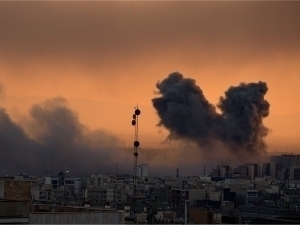
Аммо кескинлик бу ва шунга ўхшаш огоҳлантиришлар билан тугагани йўқ. Орадан бир кун ўтиб, Таиланд ва Камбоджа чегарасидаги жангларда янги жанубий фронт очилди. Можаронинг дастлабки кунларида ўққа тутилиш асосан чегаранинг шимолий қисмида, қирғоқдан узоқда ва Жанубий Хитой денгизи қирғоқларидаги машҳур денгиз бўйидаги курортларда амалга оширилган бўлса, 25 июлга келиб, улар жанубда, Таиланднинг Трат ва Чантҳабури провинцияларида янги куч билан алангаланди. У ердан Таиланднинг асосий шаҳарлари Паттаягача 150 км, Бангкокгача эса 200 км масофа бор. “Pankok Post” газетасининг хабар беришича, Камбоджа қўшинлари 26 июль куни эрталаб қирғоқ бўйидаги Трат провинциясида давлат чегарасини бузиб ўтишга уринган, бироқ қайтарилган. Жангларда Таиланд ҳарбий-денгиз кучларининг кемалари қатнашган. Хориж нашрлари тўқнашувлар давомида ҳар икки томондан жами қурбонлар сонини 33 кишига етгани ва бу 2011 йилги Таиланд ва Камбоджа ўртасида содир бўлган сўнгги йирик можародаги йўқотишлардан ошиб кетганини таъкидламоқда.
Шу тариқа дипломатик муносабатлар совуқлашди, томонлар ўз элчиларини чақириб олди, айрим дипломатик вакиллар чиқариб юборилди. Халқаро ҳамжамият – БМТ, АҚШ, Хитой ва бошқа давлатлар вазиятни зудлик билан тинч йўл билан ҳал қилишга чақирмоқда. Бироқ Таиланд ҳар қандай воситачиликни рад этиб, фақат икки томонлама музокараларни маъқул деб ҳисоблаётганини билдирди. Ўзини урушларни олдини олувчи тинчлик элчиси сифатида кўрсатадиган, аммо барча гувоҳи бўлганидек, аслида бунинг тескариси бўлган Дональд Трамп ушбу вазиятдан фойдаланиб, яна сиёсий очко ишлашга уринмоқда. У Таиланд ва Камбоджа расмийлари билан телефон орқали гаплашгани ва икки ўртада тинчлик сулҳи яқинлигини билдирди. Аммо Трампнинг томонларни яраштириши ва тинчлик ўрнатиш қобилияти қандайлиги Ҳиндистон ва Покистон ҳамда Исроил ва Эрон ўртасидаги урушларда намоён бўлганди. Бу масалада АҚШнинг амалдаги Президенти ҳали бирон бир ишни қойиллатгани йўқ. Ғазо ва Украина масаласи эса гапирмаса ҳам бўлади.
Энди эса Таиланд ва номи фақатгина спорт мусобаларидагина онда сонда тилга олинадиган Камбоджа ўртасидаги урушнинг илдизларига тўхталсак. Ушбу кескинлик етилишига бир бошдан назар ташланса, бу тўқнашувлар ўз-ўзидан ёки кутилмаганда содир бўлиб қолмаганини англаш мумкин. Аслида вазият бир неча ой олдин, аниқроғи жорий йилнинг май ойидаги отишмада Камбоджа аскари ҳалок бўлганидан кейин кескинлашганди. Бугун эса Таиланд Камбоджани баҳсли ҳудудга мина қўйганликда айблаши ортидан можарога ўт кетди. Умуман олганда эса Таиланд ва Камбоджа бир асрдан кўпроқ вақтдан бери чегара бўйича баҳслашиб келади. Улар 817 км узунликдаги ер чегарасининг аниқ белгиланмаган нуқталарида ҳудудий даъволар билан зиддиятли ҳолатда яшаб келади. Можаронинг марказида эса ҳинду ибодатхоналари мажмуаси ва унинг атрофидаги ерлар туради. Бу эса турли йилларда икки давлат ўртасидаги тўқнашувларга, шу жумладан 2011 йилда бир ҳафта давом этган артиллерия алмашинуви пайтида ўнлаб қурбонларга олиб келганди. Энди эса ҳал қилинмаган ва аллақачон музокаралар столига ўтириб келишиб олиниши керак бўлган жиддий масала тўлиқ қуролли тўқнашувларга олиб келди.
Биламиз, Таиланд ўзбекистонлик сайёҳлар учун энг кўп танланадиган давлатлар қаторида туради. Шу боис у ерда жойлашган дипломатик ваколатхона воқеа юзасидан дарҳол маълумот бериб чиқди. Ўзбекистоннинг Бангкокдаги Бош консулхонаси маълумотларига кўра, Таиланд пойтахти ва туризм марказларида вазият барқарор бўлиб, хорижий сайёҳлар учун хавф-хатар мавжуд эмас. Бундан ташқари, Ўзбекистон Ташқи ишлар вазирлиги матбуот котиби Аҳрор Бурҳонов Таиланд ва Камбоджада истиқомат қилаётган Ўзбекистон фуқаролари орасида қуролли тўқнашувлар даврида жабрланганлар мавжуд эмаслигини маълум қилди. Шу билан бирга, ТИВ Ўзбекистон фуқароларидан Камбоджа билан чегарадош ҳудудларга сафар қилмасликни ва расмий хабарларни кузатиб боришни сўраб, фавқулодда вазиятларда Бангкокдаги Бош консулхонага (+66-2) 675-3995 ёки (+66-2) 675-3996 мурожаат қилишлари мумкинлигини маълум қилди.
Қодиров яна касал
Чеченистон раҳбари Рамзан Қодировнинг касаллиги ҳақида чиқаётган хабарлар инсонлар учун ортиқ янгилик эмас. Чунки ўтган давр мобайнида бир муддат кўзлардан ғойиб бўлса, унинг турли касалликлар билан курашаётгани ҳақида маълумотлар тез тарқалади. Бироқ кўп ўтмай Чеченистон раҳбари аватаркасига Путиннинг анча йил олдин тушган суръати қўйилган бир неча миллионлик Telegram-каналида бундай хабарлар асоссизлиги, соғлиғи эса жойидалигини айтиб чиқади. Деярли ҳар сафар шу сценарий такрорланади. Масалан, 24 июль куни Туркиянинг Бодрум шаҳрида дам олаётганида унинг оғир аҳволга тушиб, нафас ололмай қолгани ҳақида хабарлар тарқалди. Унга кўра, Қодиров чўмилаётган маҳал ўзини ўнглолмай, деярли чўкиб кетган. Сиёсатчи сувга кирганида ўзини ёмон ҳис қила бошлаган, бироқ яқин атрофда бўлган қутқарувчилар унга ўз вақтида ёрдам берган. Тез орада уни сувдан олиб чиқишган, биринчи тиббий ёрдам кўрсатилган ва шифохонага етказилган. Шифокорлар унинг аҳволини барқарорлаштиришга муваффақ бўлган.
“База”нинг ёзишича, хорижий ОАВ тарқатаётган маълумотларда ғалати жиҳатлар бор. Маълумки, Қодиров доимо ўзининг шахсий хавфсизлик хизматидан иборат жамоа билан юради ва агар Чеченистон раҳбари хавф остида бўлган бўлса, биринчи бўлиб қандайдир қутқарувчилар эмас, айнан улар унга ёрдам бериши керак эди. Ўз ўрнида бу хабар дастлаб, GZT нашри томонидан сиздирилганини ҳам инобатга олиш лозим. Бу манба доимий равишда Қодиров ҳақида хабарлар эълон қилади, кейинчалик эса Қодировнинг ўзи ўша хабарни рад этади. Мазкур хабарни обрўли турк нашлари ҳам эълон қилди. Аммо Чеченистон раҳбарининг Telegram-каналига назар ташланса, мазкур маълумотлар оммага сиздирилаётган вақтда ушбу каналда бир нечта постлар эълон қилганини кўриш мумкин. Хусусан, шу куни, яъни 24 июлда у ўз каналида Ўзбекистон Президенти Шавкат Мирзиёевни туғилган куни билан табриклаган. Шундан сўнг, Чеченистон ҳаёти, фронтдаги ҳолат ва бошқа мавзуларда яна бир нечта постлар жойлаштириб келинмоқда. Аммо масаланинг иккинчи томони ҳам бор. Гап шундаки, у аҳволи ёмонлашгани айтилган хабарлар тарқалганидан бери ўзининг янги жонли видеосини эълон қилгани йўқ. Бундан ташқари, Қодиров бу борада ҳали ҳеч қандай расмий изоҳ бермади ҳам. Бу эса у ҳозирда ростдан ҳам касаллиги ва шифохонада бўлиши мумкинлиги ҳақида тахминларни урчитмоқда.
Live
All