“Ҳукумат табиатга буйруқ беролмайди”. Алишер Қодиров ҳавода “негатив зарралар” ортаётганини айтди
Local
−
24 November 2025 5106 3 minutes
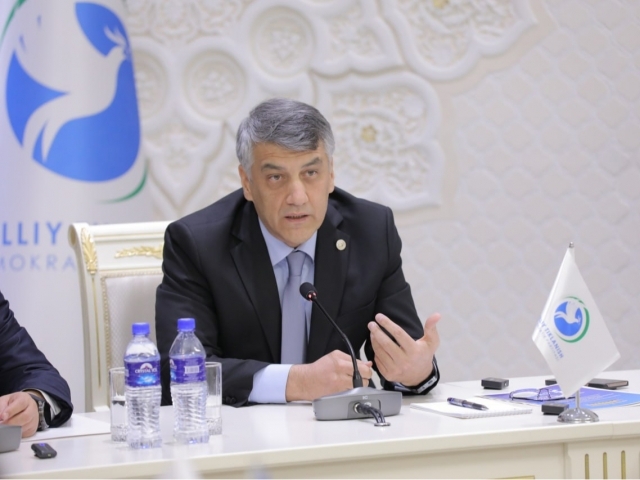
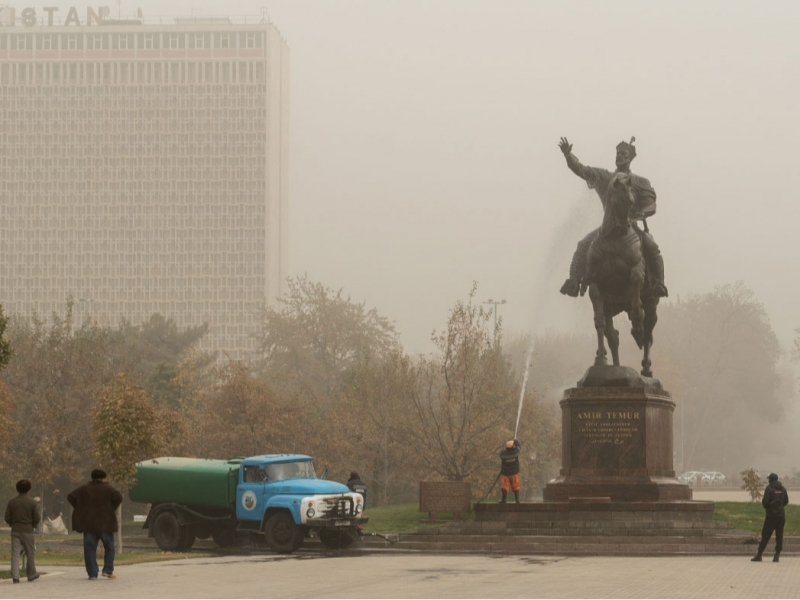
Тошкент шаҳрида ҳаво сифатининг ифлосланиши сабабли ҳукуматга нисбатан айтилган танқидлар фонида Олий Мажлис депутати, “Миллий тикланиш” партияси раиси Алишер Қодиров ҳукуматни ҳимоя қилди.
“Дунёда бирон ҳукумат табиатга буйруқ беролмаган, беролмайди ҳам. Ўзбек халқи доимо Худодан қўрқиб, бандасига андиша билан, Ватанига маскун ҳаётини яшаган, яшаяпти ва яшайди. Қудрат тафаккур, тартиб ва аҳиллигимизда.
Унутманг, бизнинг безовталигимиз кимларнингдир хотиржам бўлиши учун жуда керак бўлиб турибди”, деб ёзди депутат ижтимоий тармоқдаги саҳифасида.
Бундан олдин – 21 ноябрь куни Ўзгидромет директори Шерзод Ҳабибуллаев баёнот билан чиқиб, Тошкентда ифлос ҳаво узоқ вақт сақланиб қолаётгани ёғингарчилик йўқлиги, кескин чангланиш, кескин ҳарорат алмашинуви ва инверсия билан боғлиқлигини айтганди. Алишер Қодиров бу баёнотди “ҳавода зарарли зарраларни ҳукумат билан боғлаётган “эксперт”лар учун яхши, лекин уч кунга кечиккан жавоб” деб атади. Унинг қайд этишича, мутасаддилар одамларни чалғитадиган тахминларнинг тарқалиб кетишига йўл қўймаслиги керак.
Кеча, 23 ноябрь куни эса Ўзгидромет об-ҳаводаги инверсия ҳолати 24 ноябрдан кейин ортга чекиниши кутилгани, бироқ янгиланган синоптик маълумотлар инверсия жараёни келгуси ҳафта охиригача сақланиб туришини кўрсатаётганини эълон қилди.
Алишер Қодиров эса Ўзгидромет хабарига изоҳ берар экан, яна ҳукуматни танқид қилмасликка чақиргандек бўлди.
“Ҳукуматни истаганча танқид қилайлик, одамларни рози қилиш учун шамол, ёмғир, ёки ҳаво массасини сотиб олиб бўлмайди, аксинча, ҳавода зарарли зарралар билан негатив зарралар миқдори ҳам ортади…
Шуни айтмоқчи эдим холос…” деди депутат.
Қодиров, шунингдек, эколог экспертларнинг тадқиқот ва хулосалари қурилиш, транспорт ва саноатнинг Тошкент ҳавосидаги таъсир даражаси 8-10 фоиздан ошмалигини кўрсатаётганини ёзйди. Унинг қайд этишича, сафарбарлик билан бўлаётган барча иш ва қарорлар шу фоизга таъсир қилади, холос.
Қайд этиш жоиз, сўнгги кунларда Тошкент шаҳри ҳаво сифатининг бузилиши бўйича дунёда етакчи шаҳарлар қаторида турибди. Масалан, 11 ноябрь куни Тошкент ва Андижон шаҳарларида ҳаводаги зарарли чанг миқдори меъёрдан анча ортиб кетганди. 16 ноябрь куни ҳам Тошкент атмосферасидаги майда заррачалар миқдори меъёрдан бир неча баравар ошди. 20 ноябрь куни Ўзбекистон пойтахти дунёнинг йирик шаҳарлари орасида ҳавонинг ифлосланиш даражаси бўйича 2-ўринга чиқди. Мутахассислар ифлосланишнинг ортишини, кескин ҳарорат ўзгаришлари туфайли юзага келган инверсия билан боғлиқ эканини айтмоқда. Бундай шароитда зарарли зарралар ерга яқин ҳаво қатламида тўпланиб қолади. Ҳаво сифатини яхшилаш учун пойтахтнинг Яккасарой туманида жойлашган Тошкент иссиқлик электр марказида мазутдан воз кечилди.
Бир неча кундан буён Тошкент шаҳри ва унга туташ ҳудудлар ҳавосида заҳарли PM2.5 заррачалари сақланиб қолмоқда. Ушбу ҳолат ортидан пойтахтдаги иссиқхона, саноат корхоналари ва қурилиш ташкилотлари фаолияти устидан назорат ўрнатилиб, рейдлар ўтказилмоқда.

Live
All