Ўзбекистонда “оғир” туман ва маҳаллаларга 12 трлн сўм ажратилади
Local
−
23 January 5287 3 minutes
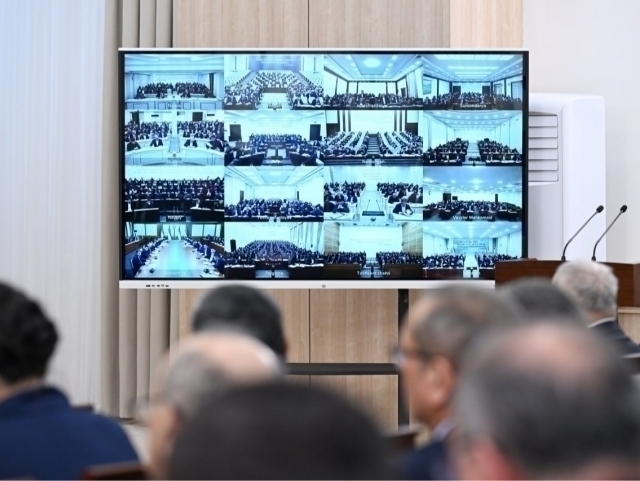
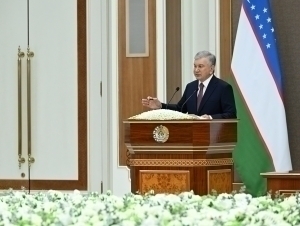
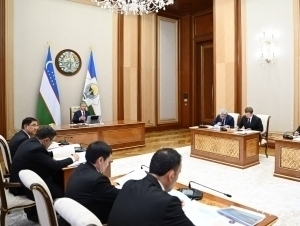
Жорий йилда Ўзбекистонда инфратузилмани яхшилаш учун вилоятларга 20 триллион сўм ажратилади ва шундан 12 триллион сўм “оғир” туман ва маҳаллаларга йўналтирилади. Бу ҳақда бугун, 23 январь куни Президент Шавкат Мирзиёев раислигида ўтаётган камбағалликни қисқартириш ва аҳоли бандлигини таъминлаш бўйича 2026 йилда амалга оширилиши лозим бўлган асосий вазифалар юзасидан видеоселектор йиғилишида сўз борди.
Қайд этилишича, туманларда ўтказилган ўрганишлар инфратузилма, турмуш даражаси, бизнес фаоллик, молиявий имкониятлар каби 20 та мезон асосида 37 та “оғир” туманни аниқлаган. Бундан ташқари, ҳар бир туман таҳлил қилиниб, камбағаллик даражаси юқори бўлган 903 та “оғир” маҳалла танлаб олинган.
Камбағал оилаларнинг учдан бир қисми, ишсизларнинг 21 фоизи ҳам танлаб олинган 37 та туман ва 903 та маҳаллага тўғри келиши аниқланган. Яна 33 та туман ва 330 та “оғир” маҳаллага Янги Ўзбекистон қиёфасини олиб кириш ишлари бошланган.
“Асосий кучни ушбу 70 та туман ва мингта “оғир” маҳаллага йўналтирсак, республикада камбағаллик даражасини 3 фоиздан пасайтиришга эришамиз”, дейди давлат раҳбари.
Билдирилишича, “оғир” туман ва маҳаллалардаги аҳоли ва тадбиркорлар солиқ имтиёзидан кўра, кўпроқ йўл, сув, электр таъминотини яхшилаб беришни сўраяпти. Шу муносабат билан жорий йилда инфратузилмани яхшилаш учун вилоятларга 20 триллион сўм ажратилиши, шундан 12 триллион сўм “оғир” туман ва маҳаллаларга йўналтирилиши белгиланган.
Республикадан маҳаллий бюджетга қайтадиган маблағ 2 карра кўпайтирилиб, ҳокимларга 4 триллион 200 миллиард сўм берилади. Эндиликда вилоят ҳокимлари “оғир” туманга 10 миллиард сўмдан, 903 та маҳалланинг ҳар бирига 1 миллиард сўмдан ажратади.
Бунга қўшимча ҳар бир “оғир” туманга 50 миллиард сўм, “оғир” маҳаллага 2 миллиард сўмдан маблағ йўналтиради. Бу туман ҳокимлари ва маҳаллий кенгашлар “оғир” туман ва маҳаллалар учун қўшимча яна 4 триллион сўм олади дегани.
“Ҳокимлар эшитиб олсин: бу маблағлар инфратузилмани яхшилаш орқали камбағаллик ва ишсизликни 2 карра қисқартиришга хизмат қилиши шарт.
Ушбу туман ҳокимлари аҳолисига мурожаат қилади. Қайси маҳаллада нечта одамни ишли қилиб, қанча оилани камбағалликдан чиқаришини маҳаллама-маҳалла юриб тушунтиради.
Шунча маблағ бергандан кейин туман ҳокими халқнинг олдида масъулият олиб, жавоб берсин. Ҳокимликнинг фаолиятига халқнинг ўзи баҳо берсин”, дейди давлат раҳбари.
Эндиликда ҳудудларни саноат, қишлоқ хўжалиги ва сервисдаги “солиштирма устунлиги”дан келиб чиқиб ривожлантириш зарурлиги таъкидланган. Давлат раҳбари бу тизимни Фурқат ва Деҳқонобод туманлари мисолида тушунтириб берган.
Иқтисодиёт ва молия вазирлиги, Камбағалликни қисқартириш ва бандлик вазирлигига 70 та туман ва 1 мингта “оғир” маҳаллаларнинг “солиштирма устунлигини” таҳлил қилиб, иш ўрни ва даромадини кўпайтиришга туртки берадиган инфратузилма лойиҳалари бўйича алоҳида дастур қилиш ва молиялаштиришни бошлаш топширилган.
Ҳар бир туманда 5-10 та маҳаллани боғлайдиган 1-2 гектарли саноат зона ва кластерлар ташкил қилиниб, 100 минг нафар одам учун иш ўринлари яратилиши белгиланган.

Live
All