Шавкат Мирзиёев Қувайтга ҳамдардлик билдирди
Local
−
01 March 10695 4 minutes
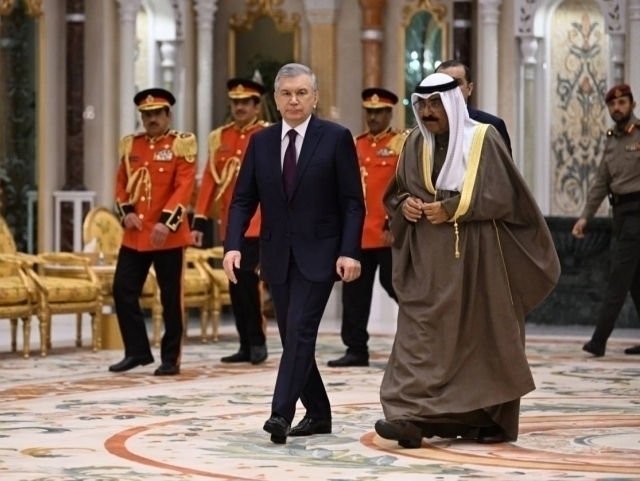
Ўзбекистон Республикаси Президенти Шавкат Мирзиёев Яқин Шарқдаги вазият туфайли Қувайт халқи ва раҳбариятига ҳамдардлик билдирди. Бу ҳақда Ўзбекистон Ташқи ишлар вазири Бахтиёр Саидов ўзининг Telegram каналида маълум қилди.
“Қувайт давлати Ташқи ишлар вазири Шайх Жарроҳ Ас-Сабоҳ жаноблари билан телефон орқали мулоқот қилдик. Яқин Шарқдаги вазиятнинг ривожланиши юзасидан фикр алмашдик”, дейди Саидов.
Шунингдек, у вужудга келган мураккаб шароит муносабати билан Қувайт халқи ва раҳбариятига Ўзбекистон Республикаси Президенти Шавкат Мирзиёевнинг самимий ҳамдардлигини етказган.
Мулоқот давомида давлат суверенитети ва ҳудудий яхлитликни ҳурмат қилиш, шунингдек барча масалаларни халқаро ҳуқуқ нормаларига мувофиқ тинч йўл билан ҳал этиш муҳимлиги таъкидланган.
Қайд этиш жоиз, бунгача Ўзбекистон Республикаси Президенти Шавкат Мирзиёев Яқин Шарқдаги вазият туфайли Қатар халқига ҳамдардлик билдирган эди.
Эслатиб ўтамиз, аввалроқ Қувайт халқаро аэропорти Эрон дронлари ҳужумига учрагани, оқибатда бир неча ходим жароҳат олгани ҳақида хабар берилган эди. Шунингдек, мамлакатда Исроил ва АҚШ зарбаларига Эроннинг жавоб қайтариши фонида портлаш товушлари янграган. Ҳаво ҳужумидан мудофаа тревога сигналлари ишлаган.
АҚШ–Исроил–Эрон уруши
Кеча, 28 февраль куни Исроил кутилмаган вақтда Эронга қарата ҳаводан зарбалар йўллади. Ушбу зарбалар Эроннинг муҳим объектлари – Президент қароргоҳи, давлат идоралари ва ядро иншоотларига теккани иддао қилинмоқда. Эроннинг “Mehr” ахборот агентлиги Теҳрондаги Эрон разведка биносига ҳам ҳужум қилинганини ёзган. Исроил томонидан старт берилган операция “Еҳуда қалқони” деб номланган. Дастлабки манбаларга кўра, Эронга ўттиздан ортиқ ракеталар йўлланган бўлиши мумкин.
Орадан бироз вақт ўтиб Исроил Мудофаа кучлари Эронга ҳужумни расман тасдиқлаган. Шунингдек, Мудофаа вазирлиги Исроил фуқароларидан хавфсиз жойга яширинишни сўраган. Мамлакатда шошилинч равишда фавқулодда ҳолат эълон қилинган.
Шу орада АҚШ Президенти Дональд Трамп Эрон бўйича операциялар ҳақида 8 дақиқалик баёнот берган ва унда Эронга қилинган ҳужумда АҚШнинг иштирок этганини тасдиқлаган. Унинг қайд этишича, Эронга қилинган ҳарбий опреациялар Америка халқини ҳимоя қилиш учун амалга оширилмоқда. У ўз баёнотида эронликларни амалдаги тузумни ағдаришга чақирган. Трамп Эрон ҳарбий хизматчиларига таслим бўлишни ва бунинг эвазига «иммунитет» олишни таклиф қилди ёки “муқаррар ўлим”ни танлашлари мумкинлигини айтган.
Қолаверса, барча воқеаларни бир четдан кузатиб турган Эрон собиқ валиаҳд шаҳзодаси Ризо Паҳлавий ҳам Эрон халқига мурожаат қилиб, мамлакат учун ҳал қилувчи лаҳзалар келганини таъкидлаган. Шунингдек, у бу сўнгги жанг эканини ва унда Эрон халқи Ислом Республикаси тузуми устидан ғалаба қозонишини таъкидлаган.
Орадан кўп вақт ўтмай энди Эрон Исроил давлати ҳудудига қарата зарба йўллашни бошлади.
Исроил Бош вазири Биньямин Нетаньяху ҳам ҳужумларни тасдиқлаб, баёнот берган. Унга кўра, Исроил ва АҚШнинг Эронга қарши қўшма операцияси Эрон террор режими келтириб чиқараётган таҳдидни бартараф этишга қаратилган. Нетаньяху махсус мурожаатида сўнгги 47 йил давомида Эрон раҳбарияти Исроил ва АҚШга қарши очиқ таҳдидлар қилган ҳамда минтақада зўравонлик сиёсатини юритганини айтган.
Аввалроқ, Эрон давлат телевидениеси Хоманаий Исроил ва АҚШ томонидан ўлдирилганини хабар қилган эди. Эроннинг “Tasnim” ахборот агентлиги маълумотларига кўра, у кеча, 28 февраль куни эрталаб ўз ишхонасида ўлдирилган. Оятуллоҳнинг вафоти муносабати билан мамлакат бўйлаб 40 кунлик умумхалқ мотами ва 7 кунлик умумхалқ дам олиш кунлари эълон қилинди.
Шунингдек, Эрон ҳудудига уюштирилган ҳужум чоғида Оятуллоҳнинг оила аъзоларидан тўрт киши – қизи, куёви, набираси ва келинларидан бири ҳам ҳалок бўлган.
Қайд этиш жоиз, Эрон Ислом инқилоби қўриқчилари корпуси Ислом Республикаси Олий раҳбари Оятуллоҳ Али Хоманаийнинг вафоти тасдиқланганидан сўнг, мамлакат “Қуролли кучлари тарихидаги энг шиддатли ҳужум операцияси” бошланганини маълум қилганди.
Шундан сўнг, Эрон Ислом инқилоби қўриқчилари корпуси мамлакат Исроил ва АҚШга қарши янги ҳужумлар бошланганини эълон қилди.

Live
All