Самарқандда UNESCO'нинг янги Бош директори сайланди
Local
−
06 November 2025 7860 2 minutes
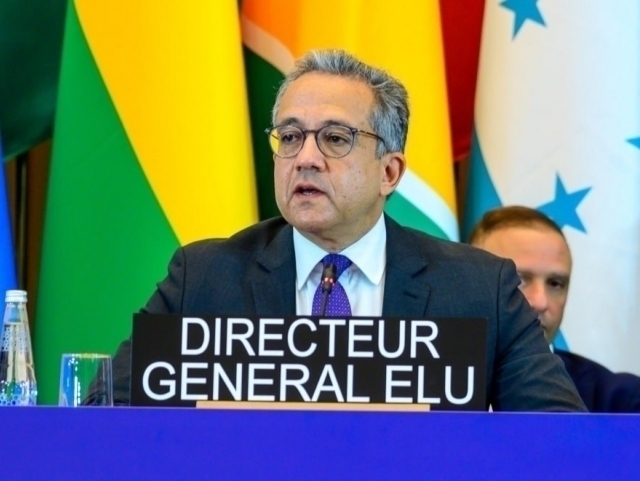
Бугун, 6 ноябрь куни Самарқандда ўтаётган UNESCO Бош конференциясининг 43-сессияси давомида ташкилотнинг янги бош директори этиб Холид Ал-Ананийни (Миср) сайланди. У 174 та бюллетендан 172 тасида овоз олди. Янги Бош директор 2017 йилдан бери лавозимда бўлган Одри Азуле ўрнини 15 ноябрь куни эгаллайди.
Холид Аҳмад Ал-Ананий Али Азз 1971 йилда туғилган, Мисрдаги Ҳелуан университети профессори ва мисршуносидир. У университетда 30 йилдан ортиқ дарс бериб келмоқда. Илгари университетнинг Туризм ва меҳмондўстлик факультети декан ўринбосари, Очиқ таълим маркази директори ва Гидлар бўлими раҳбари бўлиб ишлаган. У Франциядаги Пол-Валери Монпелье III университетида мисршунослик бўйича докторлик даражасини олган ва у ерда бир неча марта профессор сифатида дарс берган.
Ал-Ананий 2014-2016 йилларда Миср цивилизация миллий музейи, 2015-2016 йилларда Қоҳира Миср музейи директори бўлган. 2016 йилдан 2022 йилгача Мисрнинг Қадимий ёдгорликлар вазири, кейинчалик Туризм ва қадимий ёдгорликлар вазири лавозимларини эгаллаган.
У бир неча халқаро илмий жамиятлар аъзоси ҳисобланади. 2024 йил ноябрида БМТнинг Туризм бўйича жаҳон ташкилоти томонидан маданий туризм бўйича махсус элчи этиб тайинланган. Шунингдек, у Африка жаҳон мероси жамғармаси ҳомийси ҳисобланади. Ал-Ананий араб, француз ва инглиз тилларида сўзлаша олади.
Холид Ал-Ананий UNESCO'нинг 12-Бош директори бўлиб, ушбу лавозимни эгаллаган биринчи араб ва иккинчи африкалик шахсдир. Африка қитъасидан аввалги ягона бош директор – Амаду Махтар Мбоу (Сенегал, 1974–1987) бўлган. Ал-Ананий ўз вазифасини тўрт йиллик муддатга 15 ноябрдан бошлайди.
UNESCO – БМТнинг таълим, фан, маданият, коммуникация ва ахборот соҳаларида кўп томонлама ҳамкорлик орқали тинчлик ва хавфсизликни мустаҳкамлашга қаратилган ихтисослашган муассасасидир. Парижда жойлашган ташкилотнинг 54 та мамлакатда идоралари мавжуд бўлиб, унда 2300 дан ортиқ ходим ишлайди.
UNESCO 2000 дан зиёд Жаҳон мероси объектлари, Биосфера резерватлари ва Глобал геопаркларни, шунингдек ижодий, таълимий, инклюзив ва барқарор шаҳарлар тармоқларини бошқаради. Ташкилотнинг бутун дунё бўйлаб 13 000 дан зиёд боғланган мактаблар, университет кафедралари ва илмий марказлари бор. Унга 194 та давлат аъзо.

Live
All