Two giant 3,000-year-old pharaoh statues found in Egypt
World
−
3532 3 minutes
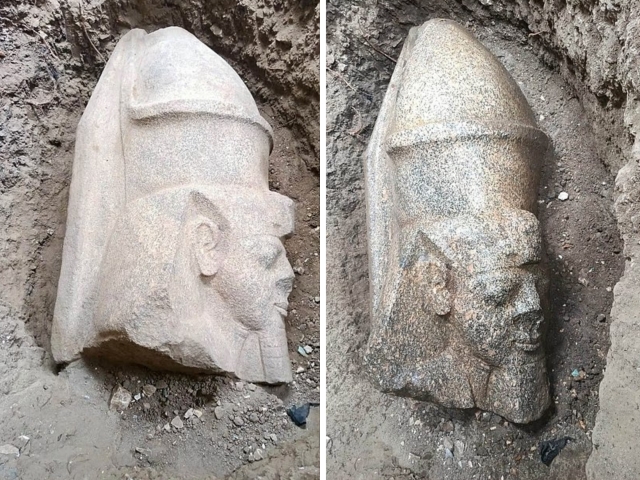
Remains of two giant pharaoh statues that lay underground for nearly 3,000 years have been found in a village in Egypt's Nile Delta. One of them has been confirmed as belonging to Ramesses II, a famous ruler of ancient Egypt. This was reported by the Daily Mail.
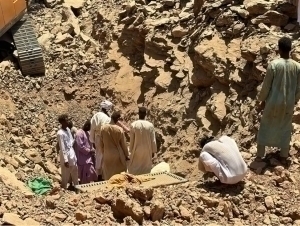
It is noted that the find was made in the village of Behbeit El-Hagar, about 100 kilometers north of Cairo. It began when a local farmer spotted a mysterious piece of stone in his field. Suspecting that the stone was ancient, the farmer reported it to the relevant authorities. Specialists then sent archaeologists to the area.
During the excavations, the remains of two giant royal statues were uncovered. In a statement by Egypt's Ministry of Tourism and Antiquities, it was said that one of the statues belongs to Ramesses II, and that the other likely depicts the same ruler.
One of the most striking finds is Ramesses II's giant head, about 1.6 meters tall. In it, the pharaoh is depicted wearing a double crown symbolizing the unification of Upper and Lower Egypt. According to specialists' calculations, the statue in its complete form, together with its base, stood about 8.5 meters high.
The second statue is nearly 2.4 meters long. However, its legs and lower part are missing. Even so, researchers noted that the statue's face has been well preserved despite the passing of thousands of years.
During the excavations, a piece of pink granite inscribed with hieroglyphs bearing Ramesses II's royal titles was also found.
Officials praised the actions of the farmer who made the discovery. His prompt report about the stone helped protect an important part of Egypt's cultural heritage.
Excavations in the area are continuing. Archaeologists suspect that other ancient objects may remain beneath the village. New finds may provide additional information about the temple complex that once existed in the area and its significance during the reign of Ramesses II.
According to the outlet, Behbeit El-Hagar is one of the well-known archaeological sites in Egypt's Nile Delta, known for the massive remains of the ancient Temple of Isis. Built mainly of large granite blocks, this temple was one of the important religious centers during the late period of Egyptian history and the reign of the Ptolemaic dynasty.
For reference, Ramesses II was a pharaoh of Egypt's 19th Dynasty who ruled in the 13th century BC. He ruled Egypt approximately from 1279 to 1213 BC and is considered one of the most famous rulers in the country's history. Many temples and huge architectural monuments were built during his reign. He is also known in history as Ramesses the Great.
As a reminder, it was previously reported that archaeologists found Karakhanid-era coins from the 10th-11th centuries at the bottom of Lake Issyk-Kul in Kyrgyzstan.

Live
All