Очиқ гаплашайлик: Италия Бош вазири Мелони Ўзбекистонга нимадан умид қилиб келяпти?
Review
−
28 May 2025 17551 13 minutes
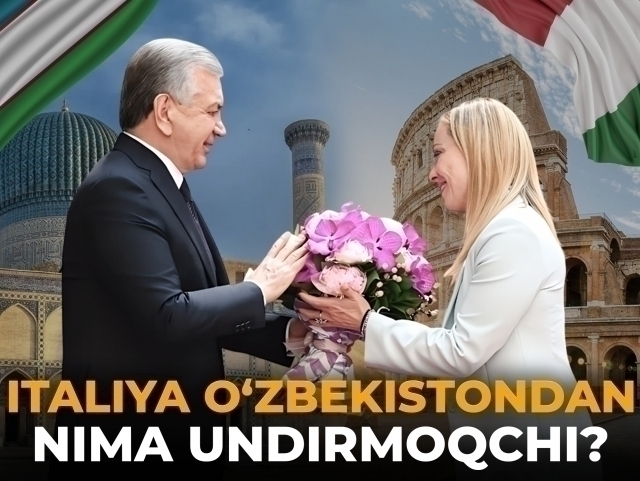
Дунёнинг қудратли 7 давлатини ўзига қамраб олувчи G7 клуби аъзоси, жаҳондаги энг йирик 8-иқтисодиётга эгалик қилувчи давлатнинг ҳукумат бошлиғи, амалда мамлакат ичида энг таъсирчан куч бўлган Италия Бош вазири Жоржия Мелони Ўзбекистонга келяпти.
Ўзбекистоннинг Ғарбий Европадаги биринчи стратегик шериги, Европа Иттифоқидаги учинчи, бутун дунё бўйича эса 11-ўринда турувчи энг яқин савдо ҳамкори Италия билан ташрифлар алмашинуви давом этади.
Аслида жорий йил апрель ойининг сўнгги кунларида бўлиб ўтиши режалаштирилган Марказий Осиё – Италия биринчи саммити ва Италия Бош вазири Жоржия Мелонининг Ўзбекистонга ташрифи Рим папаси Францискнинг вафоти муносабати билан ортга сурилганди. Италия ўша кунлар давомида папанинг дафн маросимига тайёргарлик ва шу мақсадда дунёнинг турли чеккаларидан Римга ташриф буюрган сиёсий лидерларни қарши олиш билан банд эди.
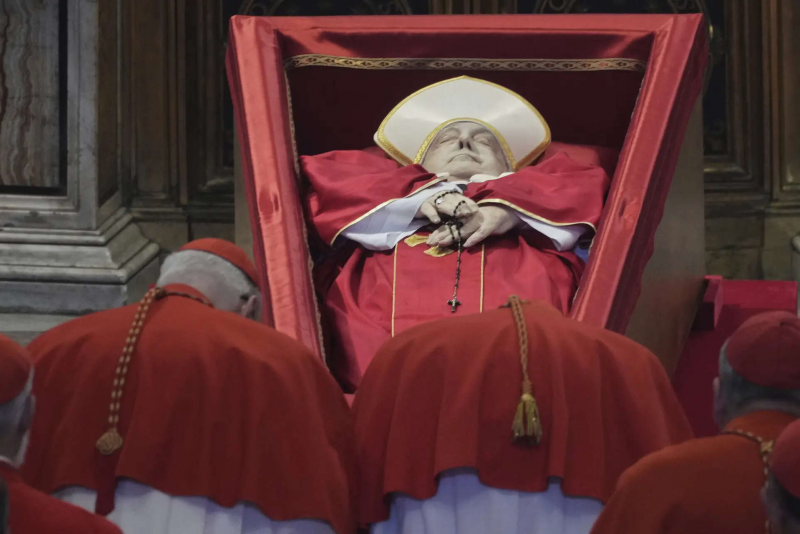
Мелонининг Ўзбекистонга ташрифи ва Марказий Осиё – Италия саммити бир ойга кечикди. Ниҳоят узоқ кутилган ташриф яқин соатлардан сўнг бошланади.
Президент матбуот хизматининг хабар беришича, бу учрашув Шавкат Мирзиёевнинг 2023 йил 7-9 июнь кунлари Италияга қилган расмий ташрифи давомида эришилган келишувларга мувофиқ ўтказилади. Шу онда Президент Мирзиёевнинг бундан 2 йил олдин Италияга қилган сафарида қандай келишув ва натижалар бўлгани ҳақидаги савол ўринли. Мирзиёевнинг ўша ташрифи Ўзбекистон учун тарихий. Чунки ўшанда Италия расмий Тошкентнинг бутун Ғарбий Европадаги илк стратегик ҳамкорига айланган. Икки ўртада қиймати 9 миллиард еврога тенг 40 дан ортиқ битим имзоланганди.
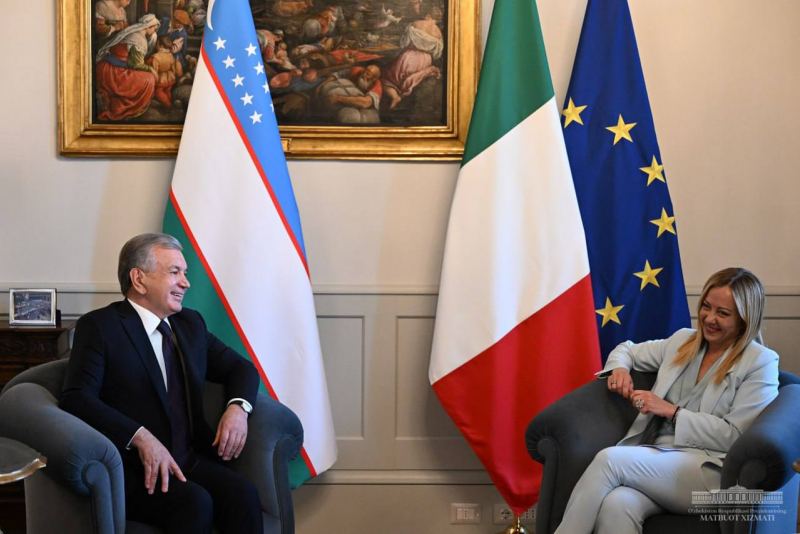
Шу боис Самарқанд шаҳрида бўлиб ўтадиган олий даражадаги музокаралар бундан икки йил олдинги ташрифнинг давоми, десак хато эмас.
“Ўзбекистон-Италия стратегик шериклик муносабатларини янада мустаҳкамлаш ва кўп қиррали ҳамкорликни кенгайтириш масалалари кўриб чиқилади. Инновацион ҳамкорлик ва гуманитар алмашинув лойиҳаларини илгари суриш ҳам диққат марказида бўлади. Якунда эса икки томонлама битимлар тўпламини имзолаш кўзда тутилган”. Бу – Мелонининг Ўзбекистонга ташрифи ҳақида умумий маънодаги расмий баёнот. Хўш, Италия Бош вазири Самарқандга ортда қолган йиллар давомида Ғарбий Европа ҳукуматларида яхши тассурот қолдирган, 37 миллионлик бозорга эга ва хавфсизлик нуқтайи назаридан кўпчиликни ташвишлантираётган Афғонистон билан энг яқин алоқаларни йўлга қўйган давлат – Ўзбекистондан нима ундирмоқчи?
Маълумот ўрнида, 28-29 май кунлари Италия Бош вазири Жоржия Мелони Ўзбекистонда бўлиб, Самарқандда музокара ва учрашувлар ўтказади. 30 май куни эса Марказий Осиё – Италия биринчи саммитини ўтказиш учун Қозоғистонга учиб кетади. Бу билан Мелони Ўзбекистон ерларида иккинчи бор бўлишидир. Бундан олдин, аниқроғи, 2024 йил 31 июль куни у Пекинга қилган расмий ташрифидан сўнг, қисқа вақтга Тошкентда тўхтаб ўтганди. Италия ҳукумат раҳбари билан Ўзбекистон Ташқи ишлар вазири Бахтиёр Саидов учрашиб, Президент Мирзиёевнинг саломини етказган.
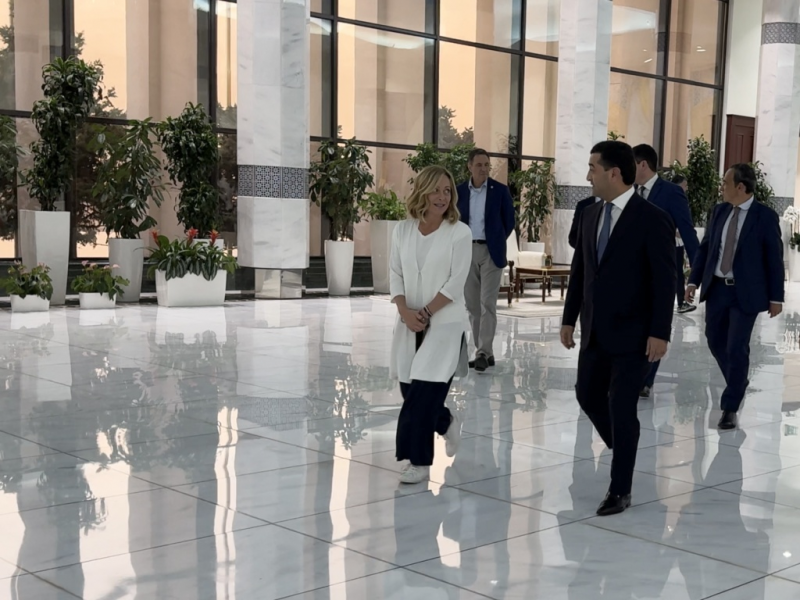
Италия ва Ўзбекистон ўртасидаги шу каби юқори даражадаги ташрифлар сўнгги 3 йил ичида одатий тусга кирди. Қуйида шу ташрифлар хронологияси, Рим-Тошкент муносабатларидаги катта танаффусдан кейин қайтадан жонланган яқин алоқалар ҳақида сўз боради.
Борди-келдилар
Италия ва Ўзбекистон ўртасидаги дипломатик алоқалар 1992 йилда ўрнатилган бўлиб, ўзаро муносабатлар бугунга келиб, 33 йиллик тарихга эга. Аммо Европа цивилизацияси ўчоқларидан бири бўлган Италиянинг Ўзбекистон билан ҳар қачонгиданда яқин алоқалари старти 2023 йилнинг иккинчи чорагига бориб тақалади. Ўша пайтдан бошлаб Рим ва Тошкентнинг юқори мартабали музолимлари ўртасида учрашувлар кўпайди. Бу 2023 йил 26 апрель куни Италия Мудофаа вазири Гвидо Крозеттонинг Ўзбекистонга ташрифи билан бошланди. У аввал Президент Шавкат Мирзиёев билан қатор учрашувларини якунлашдан олдин, ўша пайтдаги Мудофаа вазири Генерал Баҳодир Қурбонов ва Ўзбекистоннинг узоқ йиллик собиқ Ташқи ишлар вазири, айни дамда эса Президентининг ташқи сиёсат бўйича махсус вакили Абдулазиз Комилов билан учрашди. Италия Мудофаа вазирининг ушбу ташрифи Президент Шавкат Мирзиёевнинг июнь ойида Италияга бўладиган ташрифига тайёргарлик босқичи бўлганди.
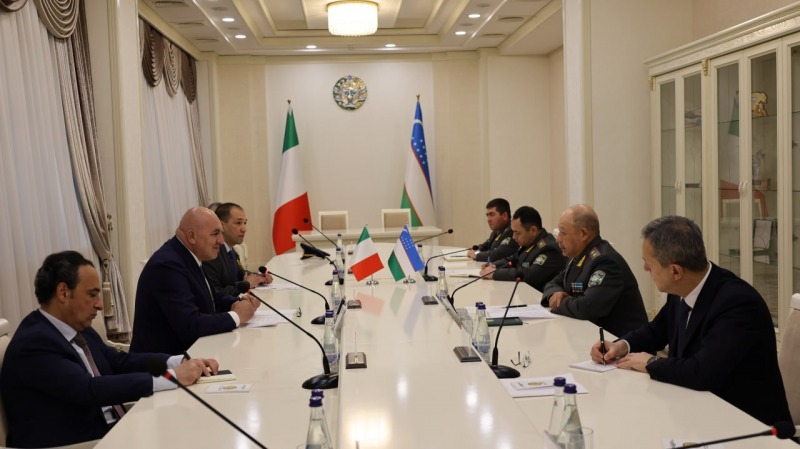
“Jamestown” тадқиқот маркази расмий Тошкентнинг Крозетто билан учрашган таркибининг даражаси юқори эканига эътибор қаратиб, мазкур ташриф хавфсизлик ва мудофаа масалалари бўйича анча жиддий аҳамиятга эга бўлганини ўртага ташлаганди. Таҳлил марказлари экстремизм ва диний радикализмга қарши курашдан тортиб, халқаро терроризм ва бошқа трансмиллий таҳдидларгача бўлган қатор халқаро хавфсизлик масалалари бўйича Ўзбекистон ва Италия турли минтақаларда жойлашганига қарамай, бир хил ташвишларга эгалигини урғулаган.
Шундан сўнг мазкур муносабатлар фонида борди-келдилар узлуксиз давом этди. Жумладан, 2023 йил 8 июль куни Президент Шавкат Мирзиёев Италияга расмий ташриф билан борди. У Римдаги Кижи саройида Бош вазир Мелони билан музокаралар ўтказди. Шунингдек, ташриф давомида Италия Президенти Серджо Маттарелла ва Ташқи ишлар вазири Антонио Таяни билан ҳам учрашувлар бўлиб ўтган. Ушбу ташрифда нафақат икки мамлакатнинг иқтисодий алоқалари, балки бундан бироз олдин Ўзбекистонда муҳокама қилинган мудофаа соҳасидаги алоқаларни чуқурлаштиришга алоҳида эътибор қаратилган. Ўзбекистон-Италия бизнес-форумида икки мамлакат ишбилармон доиралари томонидан умумий қиймати 9 миллиард еврога тенг 40 дан ортиқ битим имзолангани, Италия раҳбарияти Ўзбекистоннинг Жаҳон савдо ташкилотига киришини ҳар томонлама қўллаб-қувватлашини билдиргани Рим ва Тошкент орасида илиқ шамол эсаётганининг дараги эди. Аммо Ўзбекистон Президентининг 2023 йил июнь ойида Италияга қилган ушбу ташрифи барча жиҳатларданда кўра, икки мамлакат ўртасида стратегик шериклик битими имзолангани билан ёдда қолди. Италия Ғарбий Европа миқёсида Ўзбекистоннинг шундай юқори даражадаги илк ҳамкорига айланди.
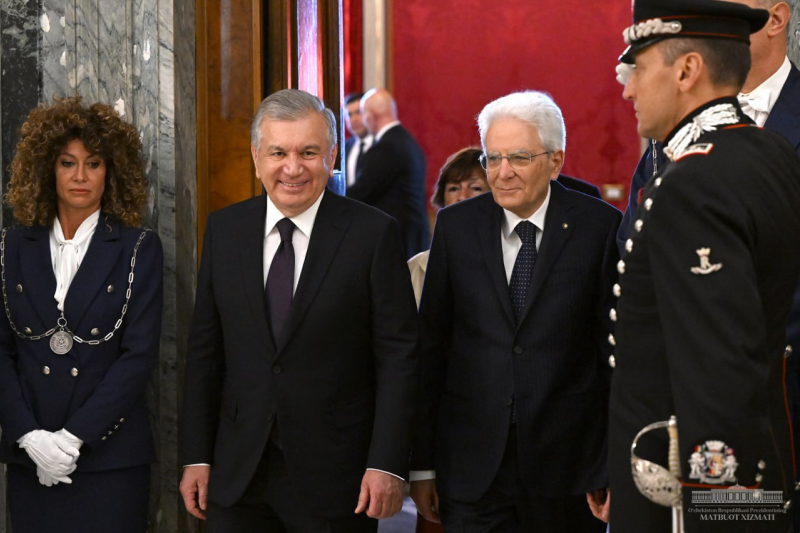
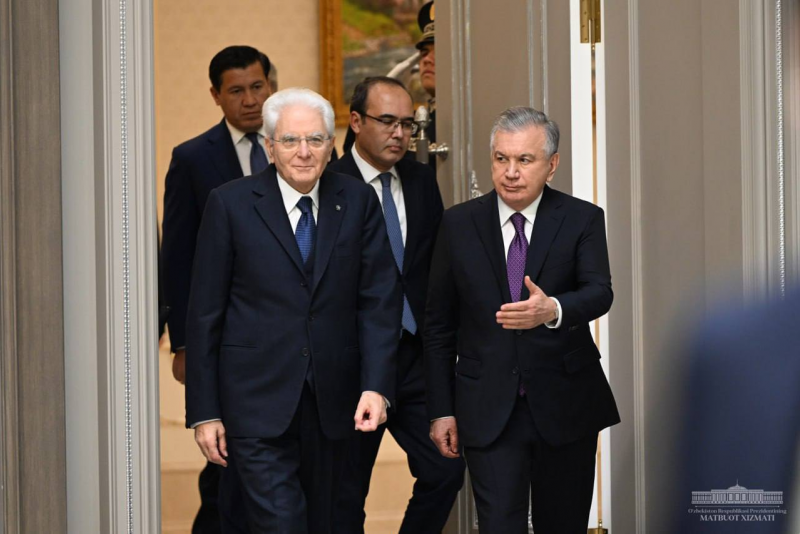
Кейинги ташрифлар мобайнида эса шу шериклик алоқаларини кенгайтириш масалалари кўтарилди. Хусусан, Президент Мирзиёевнинг Италияга ташрифидан 5 ой ўтар-ўтмас Италия Президенти Серджо Маттарелла Ўзбекистонга келди. Унга бу ташрифда қизи Лаура Матарелла ҳамроҳлик қилганди. 2023 йил 10 ноябрь куни пойтахтда икки томонлама стратегик шериклик ва устувор йўналишлар бўйича кўп қиррали муносабатларни янада кенгайтириш масалалари бўйича музокаралар ўтказилди. Маттарелла Ўзбекистонга уч кунлик ташрифни амалга ошириб, Тошкент, Самарқанд ва Хивада бўлди. Бу Италия Президенти мақомидаги шахснинг Ўзбекистонга 20 йилдан ортиқ вақт ичида қилган биринчи ташрифи эди. Бу пайтга келиб, Ўзбекистон ва Италия ўртасидаги товар айланмаси 30 фоизга ўсган ҳолда, 2023 йил январь-сентябрь ойларида товар айирбошлаш ҳажми 379,2 миллион долларни ташқил қилганди.
Йирик бозор, янги энергетик ирмоқ ва хавфсизлик – Италиянинг Ўзбекистондаги нишонлари
Марказий Осиё дунё шахмат доскасида ҳар доим муҳим роль ўйнаган. Минтақа Экспорт бозори, арзон логистика, арзон ишчи кучи ҳамда Афғонистон масалалари бўйича Россия, Хитой ва АҚШ каби йирик мамлакатлар учун аҳамиятлидир. Икки ўртада муносабатлар анча олдинроқ ўрнатилган бўлса-да, Россиянинг Украинага босқинидан сўнг, Путиндан газ сотиб олишни истамаган Европа Иттифоқи ҳам Марказий Осиёга аввалгидан кўра кўпроқ қизиқишни бошлади. Турли даражадаги учрашувлар, саммитлар ва “1+5” сиёсати шулар жумласидан.
Юқоридан қаралса, Европа Иттифоқи давлатлари ўртасида Франция ва Италиянинг Марказий Осиёга нисбатан юритаётган сиёсати анча ўхшаш, аммо алоҳида манфаатларни кўзлаётгани кўринади. Трамп ҳокимият тепасига келгач, геосиёсий вазият анча ўзгариб, Елисей саройида Оқ уйга бўлган ишонч анча пасайгани ортидан Франция янги ҳамкорлик ташаббусларига эътибор қаратишни бошлади.
Французлар ўзига бошқа ресурслар марказини қидиришни жадаллаштирди ва асосий манфаатни уран хомашёси атрофида кўрди. Италия эса иттифоқдоши каби ўз манфаатлари асосида юришни давом эттирар экан, мазкур давлатни кўпроқ энергетика ва мудофаа факторлари қизиқтирмоқда.
Италия учун Марказий Осиё энергия хавфсизлиги масаласида устувор ўрин тутади. Масалан, Рим Ўзбекистонга қўшни бўлган Туркманистон билан энергия ресурлари борасида анча яхши алоқаларга эга. Ўзбекистон ҳам энергия ресурслари жиҳатидан Марказий Осиёдаги муҳим давлатлардан биридир.
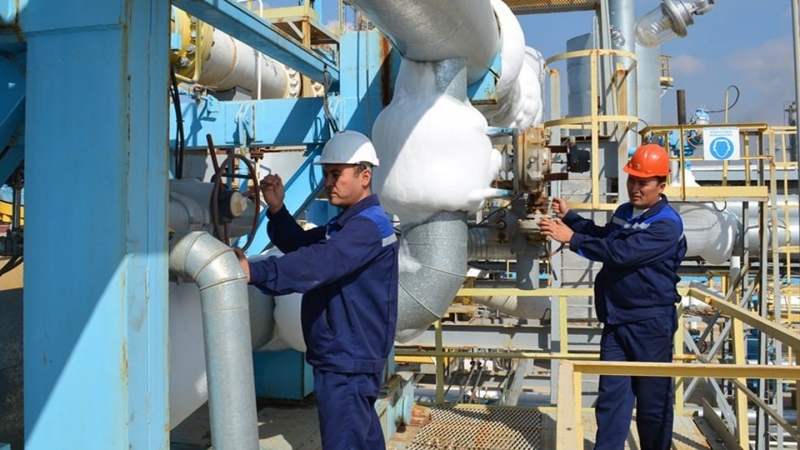
Табиий газ захиралари бўйича Ўзбекистон МДҲ давлатлари ичида юқори ўринда туради. Сўнгги йилларда газ ҳажми 1,8 триллион куб метр атрофида бўлгани қайд этилган. Унинг экспорти эса асосан Хитойга йўналтирилган. Шунингдек, кўмир 2 миллиард тонна атрофида, нефть эса ички талабни қондириш учун импортга таянадиган аҳволда. Уран эса бу борада алоҳида масала. Шу боис Италия ва Франция Марказий Осиё энергетикасида охирги пайтларда истиқболли лойиҳаларни амалга оширишга умид қилиб келади.
Импорт ва экспорт
Ҳозирда икки давлат олди-бердиларида асосан, Ўзбекистон импортчи, Италия эса экспортчи ролида қолмоқда. Европа давлати Ўзбекистондан асосан, трикотаж, мис, пахта ва минерал хомашё кабиларни импорт қилмоқда. Ўзбекистон эса Италиядан асосан, саноат ускуналари ва ишлаб чиқариш линиялари, электр двигателлари, маиший техника, тиббий ускуналар ва дори-дармон маҳсулотлари кабиларни харид қилади.
Аммо эътибор қаратиш керак бўлган жиҳат экспорт импортдаги жуда катта фарқда. Масалан, “Trading Economics” журнали маълумотларига кўра, 2024 йилда мамлакатнинг Италияга экспорт қиймати 85 миллион АҚШ долларига яқинлашган бўлса, ундан қилинаётган импорт қиймати анча катта – 500 миллион АҚШ доллари атрофида.
Экспортнинг импортдан 6 баробар кўплиги Италия Ўзбекистонни ўз маҳсулотлари учун қўшимча бозор сифатида кўришини англатади. Устига устак Ўзбекистон аҳолиси 38 миллионга яқинлашиб, бутун Марказий Осиёдаги аҳолининг 45 фоизини ташкил қилади. Бу минтақадаги истеъмол бозори ҳажмининг деярли ярми дегани.
Афғонистон масаласида ҳамкорлик
Италия учун нафақат минтақадаги, балки дунёдаги йирик гази захиралардан бирига эгалик қилувчи Туркманистон ва мудофаа масалаларида яхши ҳамкор деб кўринаётган Қозоғистон ҳамда энергетик, турли товар айланмалари, қолаверса, Афғонистон масаласида ҳамкорликка тайёр Ўзбекистон айниқса, муҳим.
Масалан, 2021 йилда Тошкент ва бошқа қўшни мамлакатлар ёрдами билан Рим Қобулдан 5 мингга яқин афғон фуқаросини эвакуация қилди – бу Европа Иттифоқидаги энг юқори кўрсаткичдир. Шунингдек, Афғонистонга гуманитар ёрдам киритишда Италия учун Термиз логистика маркази катта роль ўйнади.
“Италия БМТ доирасида Афғонистон бўйича Халқаро музокаралар гуруҳини тузишда Ўзбекистон ташаббусини қўллаб-қувватлайди. Бу ташаббус барча манфаатдор давлатлар саъй-ҳаракатларини бирлаштириш, инсон ҳуқуқлари, ижтимоий-иқтисодий ёрдам, Афғонистонни минтақавий иқтисодий алоқаларга жалб қилиш, терроризм ва наркобизнесга қарши кураш масалаларида ягона сиёсат ишлаб чиқишга хизмат қилади”, дейди Президенти ҳузуридаги Стратегик ва минтақалараро тадқиқотлар институти бош илмий ходими Шаҳноза Қодирова.
Ўзбекистон Ғарб ишончидами?
Италия учун минтақавий таъсирга эга бўлган Марказий Осиёдаги ҳукуматлар, хусусан, Тошкент ва Остона билан ҳамкорлик қилиш геосиёсий таъсирдан тортиб, иқтисодий диверсификациягача бўлган масаларда ҳар томонлама манфаатли. Айниқса, Марказий Осиё “дарвозаси” ҳисобланадиган Ўзбекистон бунда жуда муҳим фигура бўлиши мумкин. Ўзбекистон геосиёсий, демографик ва ҳарбий сабабларга кўра Марказий Осиё динамикасида ҳал қилувчи роль ўйнаши кўпчиликка маълум. Расмий Тошкентнинг сўнгги йиллардаги прагматик сиёсати эса халқаро ҳамкорлар учун кучли ишонч базасини яратди. Жумладан, Москва энг йирик икки савдо ҳамкордан бири бўлишига қарамай, Тошкент Россиянинг Украинага босқини бошланган илк кунларданоқ Донецк ва Луганскдаги Россия таъсири остида бўлган айирмачиларнинг ажралиб чиқишини тан олмаслигини очиқ тарзда, мамлакатдаги энг юқори сиёсий инсистутлардан бири ҳисобланадиган Сенатда, Ташқи ишлар вазири тилидан эълон қилди.
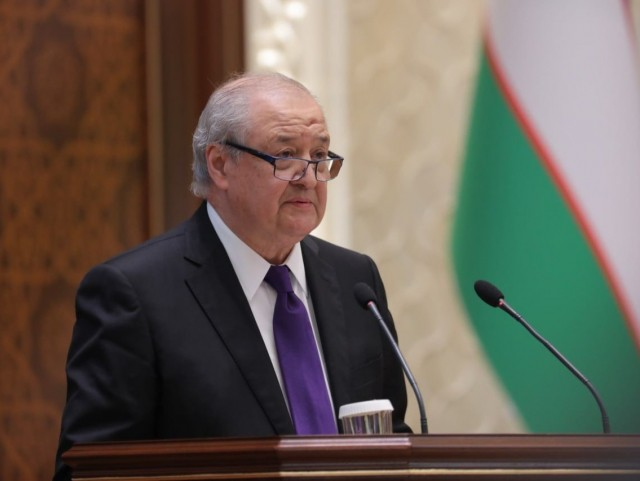
Бундан ташқари, сўнгги пайтларда Марказий Осиё ва бошқа минтақалардаги туркий давлатлар учун “катта оға”га айланишга ҳаракат қилган Туркия билан ҳам фақат ўзаро манфаатли сиёсат олиб борилиши Самарқандда ўтказилган Европа Иттифоқи – Марказий Осиёнинг илк саммитида БМТнинг Шимолий Кипр Турк Республикасини тан олмаслик ва у билан ҳар қандай шаклда ҳамкорлик қилмаслик тўғрисидаги икки резолюциясига амал қилиш орқали тасдиқланди. Шу нуқтайи назардан Ўзбекистон Ғарбий яримшар кўз ўнгида ташқи босимлардан ҳоли, фақат миллий манфаатлар юзасидан ҳамкорлик қилишга очиқ ва прагматик сиёсий йўлга эга мамлакат сифатида гавдаланган бўлиши мумкин. Буни охирги йилларда Европадаги икки центрист мамлакат ҳисобланмиш Франция ва Италиянинг Ўзбекистонга яқинлашувидан ҳам илғаш қийин эмас.
Россиянинг Украинадаги тажовузи бутун постсовет ҳудудида, айниқса, Марказий Осиёда сезиларли таъсир кўрсатди. Минтақавий давлатлар Россия империализмидан хавотирда. Бундан ташқари, Россиянинг Украинадаги ёмон ҳарбий кўрсаткичлари Москва энди ишончли стратегик актёр эмаслигини кўрсатади. Шундай қилиб, алоқаларни бир кечада узиш мумкин бўлмаса-да, Марказий Осиёнинг кўплаб мамлакатлари ўзларининг устуворликлари ва вариантларини қайта кўриб чиқмоқдалар. Бироқ, Марказий Осиёда тўғридан-тўғри ёки Европа Иттифоқи байроғи остида Италиянинг ҳарбий иштирокини тасаввур қилиш қийин, чунки Европа Иттифоқи ҳам унинг роли жуда чекланган бўлган соҳада катта ҳарбий ва хавфсизлик мажбуриятларини ўз зиммасига олмайди. Эҳтимол, Италия саноат кооперацияси ва мудофаа соҳасида ишончли шерик бўлиши мумкин.
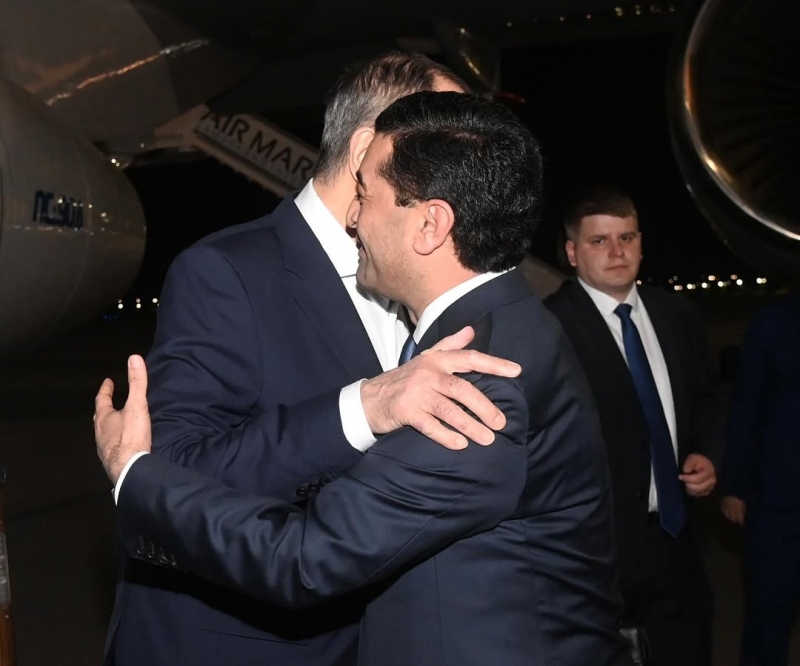
Италия учун потенциал муаммолардан бири – бу Марказий Осиё географик жойлашувига кўра, бошқа қатор йирик сиёсий ўйинчилар орасида қолиб кетганидир. Хитой ва Россиянинг таъсири шулар жумласидан. Бироқ Россия томонидан қилинадиган муттасил нотенг муносабат, хусусан Ўзбекистон суверенитетини менсимаслик, ички ишларга “бурун суқиш” ҳолатлари, очиқдан очиқ таҳдидий риторикалар, мансабдорлар ўртасидаги муносабатларда камситиш ҳаракатлари (Лавров ва Саидов воқеаси) ва “СССРнинг ҳали мавжудлиги” ҳақидаги афсоналар фонида ўртадаги илиқ муносабатларнинг ҳарорати ўзгариб бориши табиий.
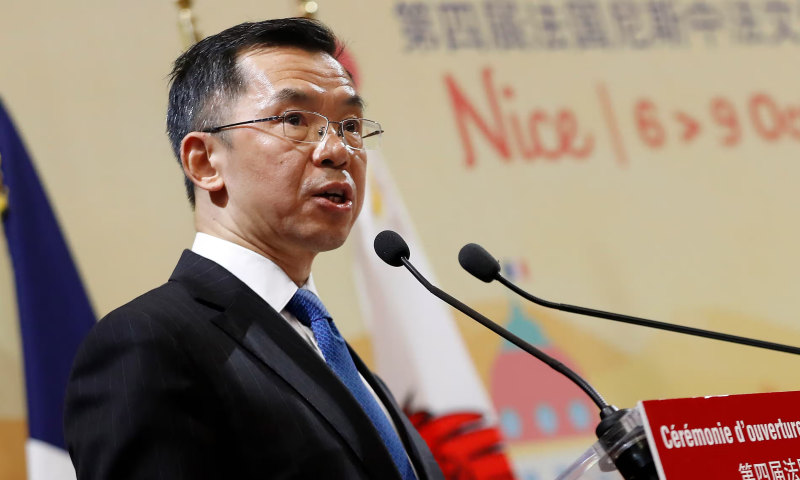
Бундан ташқари, Хитойнинг Франциядаги элчиси 2023 йилги интервьюсида Собиқ Совет Иттифоқидан ажралиб чиққан мамлакатларнинг мустақиллигини сўроқ остига олиши расмий Тошкентни хушёрликка чорлаши ҳамда дунё бўйича кенг миқёсда ҳамкорлар қидиришга ундаши лозим. Европа Иттифоқи, жумладан Италия билан яқин алоқалар шу шароитда етилган бўлса ҳам ажаб эмас.
Италия ва Ўзбекистоннинг бугунги яқинлиги
Жорий йил 3-4 апрель куни ўтказилган Европа Иттифоқи – Марказий Осиё саммити арафасида Италиянинг машҳур “La Repubblica” газетасида Ўзбекистон ҳақида мақола чоп этилди. Унда Ўзбекистон-Италия ўртасидаги иқтисодий ва маданий алоқалар, расмий Тошкентнинг минтақавий аҳамияти ёритилди. Мақолада Ўзбекистон ва Италия халқаро ҳамкорлик, иқтисодий, маданий ва гуманитар алоқаларни чуқурлаштиришнинг ажойиб намунаси экани таъкидланди. Иқтисодий жиҳатдан қатор прогрессив кўрсаткичлар қайд этилди. Унга кўра, 2023 йил якунларига бориб, Италия ва Ўзбекистон ўртасидаги товар айланмаси 1 миллиард 381 миллион доллардан ошган. Бу эса ўтган даврга нисбатан 157,5 миллион долларга юқорилашни ифода этади. Италия газетасида маълум қилинишича, Ўзбекистонда Италия сармояси иштирокидаги 54 та қўшма корхона, шу жумладан ичимликлар, парфюмерия, тўқимачилик ва пахтани қайта ишлаш каби соҳаларда Италияга қарашли 35 та корхона мавжуд.
Таълим соҳасида ҳам ҳамкорликда олдинга силжиш борлиги, Президент Шавкат Мирзиёев ва Италия Президенти Серджо Маттарелланинг ўзаро ташрифларидан сўнг ташкил этилган тадбирлар маданий ва илмий алоқаларни мустаҳкамлагани қай этилган. Шу жумладан, талабалар алмашинуви ва қўшма ташаббусларни кенгайтириб, янги шартномалар имзоланиши эслаб ўтилган. Маданий соҳада яна Италияда жойлашган Флоренциядаги Строцци саройи ва Миллий Шарқ санъати музейида Бобурноманинг биринчи итальянча таржимаси тақдимоти бўлиб ўтди.
Бундан ташқари, Ўзбекистон ва Италия Европа Иттифоқи-Марказий Осиё мулоқотини ривожлантиришда, қишлоқ хўжалиги, саноат ва атроф-муҳит соҳаларида қўшма лойиҳаларни илгари суришда муҳим роль ўйнайди. Шунингдек, италиялик тадбиркорларни Ўзбекистоннинг келажаги сифатида кўриладиган ва мамлакатнинг сув билан чегараланмаганини компенсация қилувчи Транс-Каспий транспорт йўлагини ривожлантириш бўйича ишлар олиб борилмоқда.
Яна бир энг муҳим жиҳатлардан бири – бу Италия ва Ўзбекистон ўртасида туризм бўйича алоқалардир. Дунё миқёсида туризм салоҳияти ва мамлакатга ташриф буюрувчилар сони бўйича 5-ўринда турувчи Италия билан туризмдаги ҳамкорлик тарихий обидаларга бой ва минтақадаги умумтарихнинг қоқ маркази бўлган Ўзбекистон учун айни муддао бўлади. Маълумот учун, Италияга ҳар йили ўртача 60 миллионга яқин сайёҳ ташриф буюради. Ўзбекистонда эса бу кўрсаткич 2024 йил ҳисоб-китобларига кўра, 8 миллиондан ортиқни ташкил қилади. Жорий йилда эса бу рақамлар 11 миллионгача оширилиши мақсад қилинган.
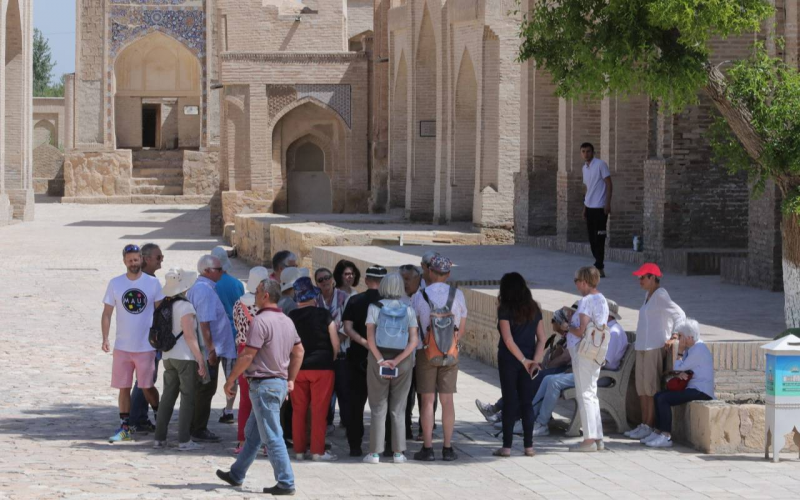
Агар 2017 йил билан солиштирилса, бу миқдор 8 йил ичида 4 баробарга ошган. Туристлар сонининг 8 йил ичида 2,5 миллиондан 10 миллионга ошиши бу соҳада Ўзбекистоннинг салоҳияти катта тезликда намоён бўлаётганидан далолат беради. Аммо хориждан саёҳат учун ташриф буюрувчилар билан муносабат, қонунчиликдаги камчиликлар ва инфратузилмадаги муаммолар туризм ривожидаги асосий тўсиқ бўлиб келмоқда. Мисол учун, хавфсизлик важи билан дронларга рухсат бермаслик, йўллардаги носозликлар ва бошқа шу каби бартараф этилмаган муаммолар мавжуд.
Live
All23 October