Эронни эплаб бўлмаяпти. Халқ бош кўтарди
Review
−
09 January 14636 2 minutes
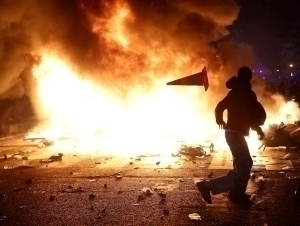
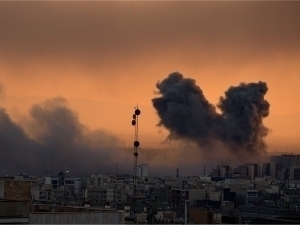
Эронда сўнгги кунларда юзага келган вазият тобора кескин тус олмоқда. Мамлакатда давом этаётган норозилик намойишлари ўта нозик ва хавфли босқичга кириб боряпти. 4 январь куни Ҳукумат ҳарбийларининг кенг кўламли аралашуви фонида намойишлар бостирилиши кутилган эди. Бироқ, вазият кун сайин оғирлашиб, Ҳукумат назорати сустлашмоқда. Бугун, 9 январь ҳолатига кўра, Эрондаги ички тўқнашувларнинг 12 куни давом этмоқда.
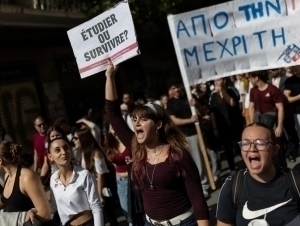
Давлат раҳбариятига қарши намойишлар тобора кенг ҳудудларни қамраб оляпти. Норозиликлар энди нафақат йирик шаҳарларда, балки қишлоқлар ва чекка ҳудудларда ҳам кузатилмоқда. Турли ижтимоий қатламлар – ишчилар, савдогарлар, ёшлар ва талабалар норозилик ҳаракатларига қўшилаётгани вазиятнинг жиддийлигини оширяпти.
28 декабрь куни оғир иқтисодий аҳвол сабаб бошланган намойишлар қисқа фурсатда сиёсий тус олди. Кўчаларда “Диктаторга ўлим”, “Паҳлавий қайтиб келади” каби шиорлар янграмоқда. Бу манзаралар кўпчиликка 1979 йилдаги Ислом инқилоби даврини эслатди.
Теҳрон марказий кўчалари минглаб одамлар билан тўлиб-тошди. Шу билан бирга, Эроннинг асосий савдо марказлари ҳисобланган кўплаб бозорларда савдогарлар дўконларини ёпиб, норозилик ҳаракатларини қўллаб-қувватлаш мақсадида иш ташлаш эълон қилди.
Намойишларга туртки бўлган асосий омил мамлакатдаги чуқур иқтисодий инқироздир. Миллий валюта – риялнинг кескин қадрсизланиши асосий маҳсулотлар нархининг деярли ҳар соатда ошишига сабаб бўлди. 9 январ ҳолатига 1 АҚШ доллари 994 055 Эрон риялига тенг бўлмоқда. Аҳоли орасида бу ҳолат мамлакат иқтисодий ҳалокат ёқасига келиб қолгани ҳақидаги қарашларни кучайтирди.
Воқеа тафсилотлари билан батафсил танишиш учун QALAMPIR.UZ’нинг YouTube’даги саҳифасида таҳлилий видеорепортажни томоша қилинг.

Live
All