Эрон армияси ҳийла қилдими: “Темир гумбаз” ўз позицияларини нишонга олди
Review
−
18 June 2025 39761 5 minutes
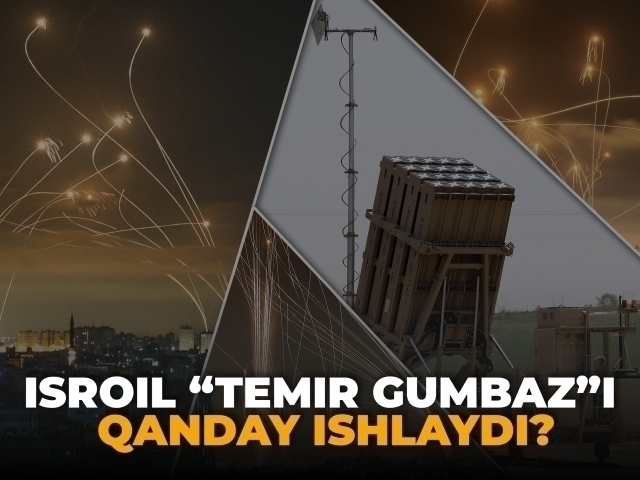
Ҳаво ҳужумидан огоҳлантирувчи сиреналар янграганида, исроилликлар паноҳ излаб югуради. Аммо юзлаб дрон ва ракеталар мамлакатга қараб учиб келаётган бир пайтда, аҳолининг аксарият қисми кўп қатламли ҳаво мудофаа тизимларига ишонади.
Янги далиллар шуни кўрсатадики, яқинда амалга оширилган ҳужумлар чоғида Эрон Исроилнинг машҳур ҳаво мудофаа тизимларини муваффақиятли равишда ишдан чиқарган, оқибатда Тель-Авив ўз позицияларини ўққа тутишга мажбур бўлган. Қисқа қилиб айтганда, баъзилар мудофаанинг иш бермаётгани ҳақида гапирса, баъзилар буни инкор этмоқда. Хўш, ўзи “Темир гумбаз” нима ва у қандай ишлайди?
Исроил кўп қатламли ҳаво мудофаа тизими
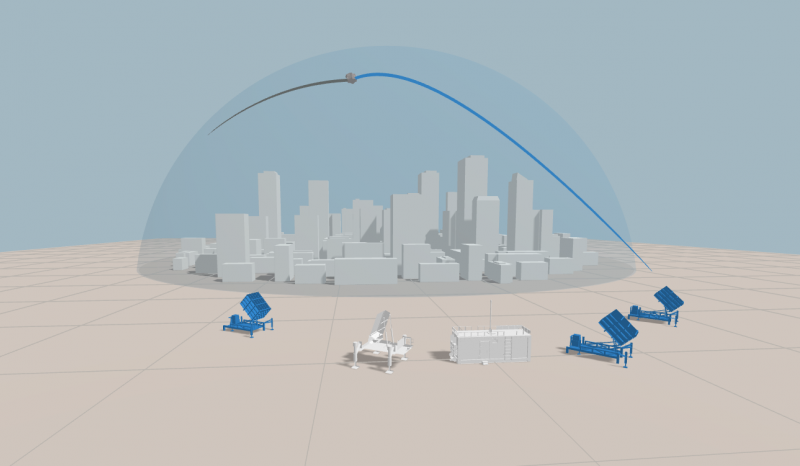
Эрондан бўлаётган кенг кўламли жавоб зарбалари Исроилнинг узоқ йиллик тажриба ва АҚШ молиявий ёрдамига асосланган кўп қатламли ҳаво мудофаа тизимини синовдан ўтказмоқда. Узоқ йиллар давомида яратилган “Ўқ-2 ва Ўқ-3”, “Довуд палахмони” ва “Темир гумбаз” тизимлари шулар жумласидан.
Кўпчилик “Темир гумбаз” деганда Исроил осмонини ҳимояловчи ягона технологик бирликни тушунади. Аслида у ҳаво мудофаа тизимининг бир қатламидир. Масалан, энг четки қатлам “Ўқ” тизими узоқ масофали баллистик ракеталарга қарши мўлжалланган бўлиб, “Ўқ-2” 100 км, “Ўқ-3” эса 150 км баландликда 2,4 минг километргача масофада душман ракетасини уриб тушириши мумкин.
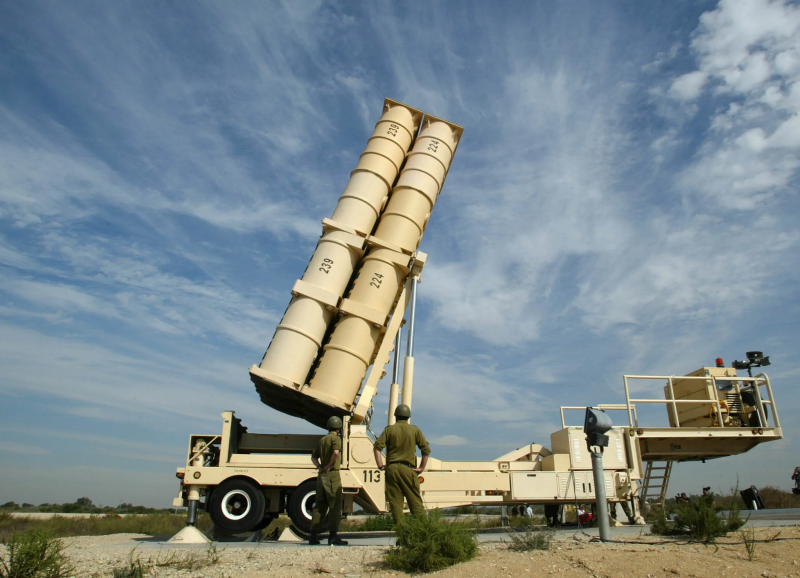
“Довуд палахмони” эса Raytheon компанияси томонидан ишлаб чиқилган бўлиб, ўрта масофали баллистик ракеталар, қанотли ракеталар ва йирик калибрли снарядларни нишонга олади. Бу тизим илк бор Эрон томонидан учирилган баллистик ракетани уриб туширишда иштирок этди.

Аммо ҳар бир тизимнинг ўз чегараси бор. Ҳар бир батарея бир вақтнинг ўзида чекланган миқдорда ракетани тута олади. Эрон томонидан қўлланилган аралаш ҳужумлар (баллистик, қанотли ракеталар ва дронлар) тизимларга мақсадларни ажратиш ва устуворликни белгилашда қийинчилик туғдирмоқда.
“Темир гумбаз” нима ва у қандай ишлайди?

“Темир гумбаз” Исроил ҳаво мудофаасининг энг муҳим марказий қатламидир. Айтилишича, у тахминан 80-90 фоизга хавфсизликни таъминлайди. Таҳлилчиларга кўра, 2011 йилда АҚШ ёрдами билан ташкил этилган бу тизим охирги ўн йилликдаги бир қанча можаролар давомида саноқсиз тинч аҳоли ҳаётини сақлаб қолган.
Ишлаб чиқарувчи компанияга кўра, “Темир гумбаз” ҳозиргача 5 мингдан ортиқ ракетани уриб туширган.
“Темир гумбаз”нинг ҳар бир батареяси 150 квадрат километргача ҳудудни ҳимоя қилиш имконини беради. У асосан арзон, қисқа масофага учириладиган ракеталарни тутиб олиш учун мўлжалланган бўлиб, чегарадаги гуруҳлар томонидан бошқарилади. Батарея нархи тахминан 100 миллион доллар, ҳар бир ракета ушловчи эса 50 минг доллар туради. Шу сабабли тизим фақат реал таҳдидни ташкил қилаётган ракеталарнигина нишонга олади.

“Темир гумбаз” учта асосий компонентдан иборат. Дастлаб у 100 километрлик радиусдаги таҳдидларни аниқлаш ва кузатиш учун мураккаб радар тизимларидан фойдаланади. Кейин эса буйруқ маркази ишга тушади. Марказдаги командирлар таҳдиднинг тезлиги ва траекториясини таҳлил қилади. Таъкидланишича, агар ракета секундига 1 км тезликда ҳаракатланаётган бўлса, унга жавоб бериш бир дақиқа вақт талаб қилади.
Тизимнинг “Тамир” интерцептор ракеталари товушдан икки баравар тезликда учиб, бошқарувчи қанотлар ва иссиқликка сезгир сенсорлар ёрдамида нишонга 10 метргача яқинлашади. Бир неча сония ичида жанговар каллаклар юқори тезликдаги металл парчаларга бўлинади ва таҳдидни йўқ қилади.
Дастлаб “Тамир” ракетасини ишлаб чиқариш нархи 100 минг доллар атрофида бўлиши айтилган эди, ҳозирги баҳоларга кўра бу нарх 40-50 минг долларга тушган.
“Темир гумбаз” ожизлик қиляптими?

Сўнгги йилларда “Темир гумбаз” бир нечта йўналишдан бўлаётган кучли ва узоқ давом этувчи бомбардимонларга дуч келмоқда. Бу тизим фақат қисқа муддатли ҳужумларга қарши туриш учун яратилган, шунинг учун баъзида етарлича ҳимоя ярата олмайди.
2023 йилнинг октябрида ҲАМАС Ғазодан 20 дақиқа ичида учирилган минглаб ракеталар бу тизимни ёриб ўтди.
Аммо айрим “дрон тўдалари” тизимнинг заиф томонларини очиб берди. Исроил ҳарбийларига кўра, 2024 йил октябрь ойида Тель-Авив шимолида дрон ҳужуми оқибатида тўрт нафар аскар ҳалок бўлган, етти нафари оғир яраланган.

Ливандаги “Ҳизбуллоҳ” ҳужумни амалга оширгани ва янги дрон моделлари ёрдамида Исроил ҳаво мудофаа радарларини алдаб ўта олганини билдирган.
Энди эса “Темир гумбаз” Исроилнинг ўзидан 70 баробар йирик мамлакат Эронга қарши бошлаган “Уйғонаётган шер операцияси”га жавобан йўлланаётган кучли ракета зарбалари билан тўқнашишга тўғри келмоқда.
Эрон ва унинг иттифоқчилари 1,5 минг километргача етиб борадиган ракеталарга эга. Бу эса ракеталар Исроилнинг исталган нуқтасини нишонга олиши мумкинлигини англатади. Теҳроннинг яқиндаги ҳужумларида шундай узоқ масофали қуроллар намоён бўлди. Бир ҳафтадан кам вақт мобайнида Эрон ҳужумлари бир неча ўнлаб одамлар ўлими ва юзлаб ярадорликларга сабаб бўлгани хабар берилмоқда.

Эрон армияси янги усулдан фойдаланилганини эълон қилди, бу усул Исроилнинг кўп қатламли мудофаа тизимларини бир-бирини нишонга олишга мажбур қилгани айтилмоқда. Исроил мудофаа кучлари эса бу даъволар бўйича изоҳ бермади.
АҚШ кўмагидаги захиралар
Исроилда АҚШнинг душман ракетаси, дрони ёки самолётини максимал 160 км узоқликда аниқлаб, уриб тушира олувчи Patriot ҳимоя тизимлари ҳам мавжуд.
2024 йил охирида эса Пентагон Исроилга мобил ракетага қарши мудофаа тизими (Terminal High Altitude Area Defense)ни ҳам жўнатган, бу Эроннинг баллистик ракеталарига қарши ишлатилади.

Эрон сўнгги ҳужумларда Исроилнинг ҳаво мудофаасини босиб олиш учун тўлқин-тўлқин ракета ва дронлардан фойдаланди.
Маълумотларга кўра, ҳужумларда қуйидаги учувчи техникалардан фойдаланилган:
- 100 дан ортиқ Shahed дронлари (гуруҳликка асосланган тактика);
- Ўта эски баллистик ракеталар (чақирувчи восита сифатида: тутиб қолувчи ракеталарни беҳуда сарфлаш учун);
- “Фаттоҳ” гипертовушли ракеталар (Исроилнинг “Ўқ” каби тизимлари тўхтата олмайдиган даражада тез).
- “Фаттоҳ” ракеталари Исроилга 7 дақиқада етиб келади, “Темир гумбаз” эса қайта юкланиш учун 11 дақиқа вақт талаб қилади.
Исроил яна ҳаво ҳимоя тизими яратмоқда: “Темир нур”

Ҳозирда Исроил ҳаво ҳужумларини лазер технологияси ёрдамида бартараф этиш лойиҳаси устида ишламоқда. Айтилишича, “Темир нур” деб номланган бу янги тизим, ҳозиргиларга нисбатан анча арзон бўлади ва ўйин қоидаларини ўзгартиради. Унинг интерцептор технологияси атиги бир неча долларга тушади, аммо Исроил расмийларига кўра, бу тизим ҳали амалиётда ишга туширилмаган.

Live
All