“Шайтон” ва шериклари ушланди, Ўзбекистонда яна “кўча”ларга қарши рейд бошланди – Ҳафта таҳлили
Review
−
18 January 11628 16 minutes
Андижонда “Шайтон” ва унинг жиноий тўдаси қўлга олинди. Тошкент ва Сурхондарёда турмуш ўртоғини ғайриқонуний равишда озодликдан чеклаган, уй ертўласи ва молхонага қамаб қўйганларга суд ҳукми ўқилди. Фарғонада 14 яшар қиз бир неча киши томонидан зўрланди. Сурхондарёда эса 9-синф ёшидаги қиз 11-синф ўқувчиси бўлган йигитнинг жинсий зўравонлигига учради. Taftish.uz сайтининг 4 ходими ва сайтга алоқадорлиги айтилаётган яна бир шахс устидан жиноий иш очилди, улар қўлга олинди. Ўзбекистонда Мудофаа доктринаси, Миллий хавфсизлик концепцияси ва Ташқи сиёсат фаолияти концепцияси ўзгаради.
Андижон вилоятида одамларни қурол билан қўрқитиб, катта миқдорда пул ундирган “Шайтон” лақабли шахс ва унинг шериклари қўлга олинди.
Ёдингизда бўлса, Президент Шавкат Мирзиёев 2025 йилнинг 26 декабрь куни Олий Мажлис палаталарига йўллаган Мурожаатномасида бундан буён ҳам мамлакатда ўзини қонундан устун қўйган, тадбиркорларга босим қилиб, уларнинг бизнесини эгаллаб олишга ҳаракат қилаётган жиноий тўдаларнинг фаолиятига нуқта қўйишга давлатнинг куч-қудрати етишини айтганди.
Ёдингизда бўлса, 2023 йил охирларида ўтказилган “Долзарб 40 кунлик” рейд тадбирларида Ўзбекистондаги қатор жиноий тўдалар бошлиқлари ва уларнинг шериклари қўлга олиниб, суд ҳукми билан узоқ йиллик қамоқ жазосига ҳукм қилинганди. Бу воқеалардан хулоса қилмаган, дарс олмаганлар ҳамон бор экан, хусусан “Шайтон” ва унинг тўдаси. Улар Ички ишлар вазирлиги тезкор қидирув департаменти ва унинг ҳудудий бўлимлари ходимлари, шунингдек, Давлат хавфсизлик хизмати билан ҳамкорликда ўтказилган тадбирда ушланган.
Жиноий гуруҳ аъзолари орасида муқаддам Жиноят кодексининг 104-(Қасддан баданга оғир шикаст етказиш) 164-(Босқинчилик) 277-(Безорилик) ҳамда 127-(Вояга етмаган шахсни ғайриижтимоий хатти-ҳаракатларга жалб қилиш) моддалари билан судланган “Ҳожи” лақабли 1995 йилда Андижон шаҳрида туғилган Алимов, “Муфтий” лақабли 1995 йилда туғилган Шокиров, “Шайтон” лақабли Жўрабеков ва Йўлдошев бор.
Улар жиноий тил бириктириб, гуруҳ бўлиб криптоактивлар айирбошлаш билан шуғулланадиган шахсни обдан кузатиб юрган. Сўнгра унга мижоз сифатида қўнғироқ қилиб, Андижон шаҳридаги супермаркетлардан бирининг олдига чақирган. Уни Damas русумли автомашинага ўтқизиб, ўзларини ҳуқуқни муҳофаза қилувчи орган ходими деб таништирган. Жабрланувчини криптоактивларнинг ноқонуний муомаласи билан шуғулланиб юрганидан хабардор эканликлари, агар бирга ишловчи танишидан тегишли криптоҳамён ҳисоб рақамига 150 минг АҚШ доллари ўтказиб бермаса, жиноий жавобгарликка тортилишини айтиб, қўрқитган. Қурол ва ўткир тиғли жисмлар билан жабрланувчини ўз мулкини беришга мажбур қилган ҳолда қийноққа солган.
Шундан сўнг жами 100 минг АҚШ доллари миқдордаги криптовалютани товламачилик йўли билан ўзларига тегишли криптоҳамёнга ўтказишга эришган. Мазкур ҳолат юзасидан жиноий гуруҳга нисбатан Жиноят кодексининг 165-моддаси (Товламачилик) 3-қисми “а” банди ва 176-моддаси (Қалбаки пул, акциз маркаси ёки қимматли қоғозлар ясаш, уларни ўтказиш) учинчи қисми “а” бандлари билан жиноят иши қўзғатилган.
Улар томонидан содир этилган ноқонуний хатти-ҳаракатларни аниқлаш мақсадида олиб борилган тезкор қидирув ва суриштирув ишлари натижасида гуруҳ аъзоси бўлган 2000 йилда Андижон шаҳрида туғилган Юсуфжонов (муқаддам жиноят кодексининг 168-(Фирибгарлик), 166-(Талончилик), 165-(Товламачилик), 164-моддалар (Босқинчилик) билан судланган) ҳам аниқланган. У аёл кишига куч ишлатиш йўли билан танасининг турли жойларига тан жароҳати етказиб, унга тегишли бўлган iPhone 16 Pro Max русумли телефон аппаратини тортиб олгани ва ўзининг шахсий эҳтиёжлари учун 10 миллион сўм миқдорда пул маблағларини талаб қилгани маълум бўлган.
Мазкур ҳолат юзасидан гумонланувчига нисбатан Жиноят кодексининг 166-моддаси -(Талончилик) 1-қисми билан жиноят иши қўзғатилган.
Маълум бўлишича, ушбу гуруҳ кўчада оддий фуқароларга ҳам зўравонлик кўрсатиб келган. Гуруҳ аъзолари чет эл давлатларида ҳам бир нечта жиноятлар содир этиб, инсонлар ҳаёти ва соғлиғига жиддий зарар етказгани аниқланган.
Ушбу жиноий гуруҳнинг ҳаракатларидан азият кўрганлардан Ички ишлар органларига ёки 102 қисқа рақамига қўл қўнғироқ қилиш сўралади. Шахс сир сақланиши кафолатланади.
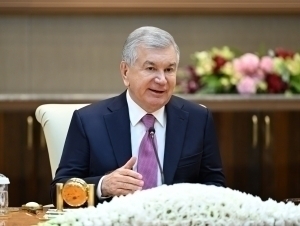
Ёдингизда бўлса, Ўзбекистон Республикаси Президенти Шавкат Мирзиёев 2025 йилнинг 26 декабрь кунида Олий Мажлис палаталари ва халққа йўллаган Мурожаатномасида мамлакат аллақачон “Ўзбекистон — 2030” стратегиясида белгиланган мақсадларга эришиб бўлгани, шу боис ушбу стратегияни ўзгартириш кераклигини айтганди. Энди стратегияга қўшимча равишда Ўзбекистоннинг Мудофаа доктринаси ҳамда 1997 йилда қабул қилинган Миллий хавфсизлик концепцияси ҳам ўзгаради. Бу ҳақда Президент Шавкат Мирзиёев раислигида жорий ҳафта бўлиб ўтган Хавфсизлик кенгашининг кенгайтирилган йиғилишида сўз очилди.
Йиғилишда мамлакат хавфсизлигини таъминлаш, мудофаа қобилиятини мустаҳкамлаш борасидаги устувор вазифалар муҳокама қилинди. Турли минтақавий можаролар кенгайиб, қуролланиш пойгаси авж олаётгани, умуминсоний қадриятларга ҳурмат, халқаро ҳуқуқ нормалари ва халқаро дипломатия заифлашиб бораётгани қайд этилди.
Маълумки, сўнгги вақтларда Эрондаги вазият жиддий тус олмоқда. Эрон Ўзбекистон экспорт ва импортида асосий ҳамкорлардан бири, Эрондаги беқарорлик савдо йўлаклари нуқтаи назаридан Ўзбекистонга ҳам ўз таъсирини ўтказмай қолмайди. Давлат раҳбари айнан мана шу масалага эътибор қаратди.
Президентнинг айтишича, замонавий уруш табиати тубдан ўзгарган, энди қайси давлат фақат танк, самолёт ёки аскарлар сонига таяниб ғалаба қозонаман деса, қаттиқ адашади. Ҳозирги жанглар сунъий интеллект, рақамли бошқарув, узоқ масофага юқори аниқликда зарба берувчи воситалар, кибер ва робот технологиялар, сиёсий-иқтисодий босим асосида олиб борилмоқда.
Йиғилишда муддатли ҳарбий хизмат масаласи ҳам кўтарилди. Жумладан, армияда ёшлар камида битта касбни эгаллаши учун янги тизим яратилади. Аскарларни касбга тайёрлаш бўйича 3-6 ойлик дастурлар ишлаб чиқилади ва уни якунлаган аскарлар малака имтиҳонидан ўтказилиб, уларга касб сертификати берилади.
Ҳар йили 5 минг аскар саралаб олиниб, “Бир миллион дастурчи” ва “Беш миллион сунъий интеллект етакчиси” дастурлари доирасида ўқитилади. Аскарларга муддатли ҳарбий хизматни ўташ даврида ҳарбий қисмнинг ўзида олийгоҳга ўқишга кириш учун имтиҳон топшириш имконияти яратилади. Тест синовларидан муваффақиятли ўтиб, талабаликка қабул қилинган аскарлар муддатли ҳарбий хизмат якунланиши билан олийгоҳда ўқишини бошлайди.
Армиядан қайтиб, олий ўқув юртларида таҳсил олмоқчи бўлган ёшларга хорижий тил ва фан сертификати олиш харажатлари қоплаб берилади.
Давлат ташкилотларига ишга кирмоқчи бўлган ёшлар учун Бошқарув самарадорлиги агентлиги томонидан ўтказиладиган тест балларига 10 фоизлик имтиёз бериш амалиёти жорий қилинади. Хусусий секторда фаолият юритмоқчи бўлган ёшларга касбни эгаллаш ва сертификат олиш харажатлари тўлаб берилади.
Президент ҳарбий хизматчиларнинг жанговар шайлигини янада мустаҳкамлаш билан бирга, уларнинг маънавий оламини ҳам мунтазам бойитиб бориш, улар орасида китобхонликни рағбатлантириш масаласига ҳам тўхталди. Унинг қайд этишича, жорий йилда барча ҳарбий қисм ва муассасалар жами 1 миллион нусхадаги бадиий адабиётлар билан таъминланади.
Гап навбати Янги Мудофаа доктринасига келди. У Ўзбекистоннинг ҳеч қайси ҳарбий блокка қўшилмаслик мақомини сақлаб қолади, кўп томонлама дипломатияга таянишда давом этилади, юқори технологияларга асосланган стратегия, ҳарбий мустақиллик ва минтақавий барқарорлик йўналишида ривожланишини таъминлайди. Президентнинг айтишича, янги доктрина армияни технологик янгилаш ва илғор ҳарбий ечимларни жорий этиш учун асос бўлиб хизмат қилиши керак.
Йиғилишда Давлат хавфсизлик хизмати раиси Баҳодир Қурбоновнинг ҳам ахбороти тингланди. Қурбоновнинг айтишича, Ўзбекистон чегаралари Туркияда ишлаб чиқарилган "Bayraktar" дронлари билан кузатиб борилмоқда.
Давлат чегарасини қўриқлаш ва ҳимоя қилиш тизимига замонавий рақамли воситаларни жорий этиш жараёнида давлат чегарасининг 42 фоизи видеокузатув тизими билан жиҳозланган. 1117 км оптик толали алоқа линияси тортилган. Чегара қўшинлари автозирҳли техникалар билан 18 % га, сузиш воситалари билан 86 % га, қурол-аслаҳа ва ўқ дорилари билан 100 % га электрон оптик воситалар билан 78 фоизга бутланган.
Ўзбекистон Туркияда ишлаб чиқарилган "Bayraktar" дронига харидор бўлгани ва қанча дрон сотиб олингани ҳақида расмий ахборот берилмаган. Мамлакатда Туркиянинг учувчисиз учиш аппарати борлиги Ўзбекистон Республикаси Президенти, Қуролли Кучлар Олий Бош Қўмондони Шавкат Мирзиёев 2023 йил 16 ноябрь куни Сурхондарё вилоятидаги ҳарбий қисмга ташрифи чоғида эълон қилинган суратда маълум бўлган.
Шунингдек, ДХХ раиси ўз нутқида терроризм ва диний-экстремизм масаласига ҳам тўхталди. Унинг билдиришича, хориждан ҳамон Ўзбекистонга нисбатан террорчилик хуружлари асосий таҳдидлигича қолмоқда.
Хавфсизлик кенгашида кўтарилган масалалар, хусусан ДХХ раиси Баҳодир Қурбонов ва Мудофаа вазири Шуҳрат Ҳолмуҳамедовнинг ахбороти ҳақида алоҳида дастур тайёрлаганмиз. Уни QALAMPIR.UZ’нинг YouTube каналида томоша қилишингиз мумкин.
Ёдингизда бўлса, бундан 4 ой муқаддам, 2025 йилнинг сентябрь ойида Сурхондарё вилоятининг Узун туманида 1981 йилда туғилган эркак 1997 йилда туғилган аёли ва унинг янги туғилган 5 ойлик ўғил фарзандига нисбатан тазйиқ ва зўравонлик ўтказиб, уларни 5 ой давомида мажбуран молхонада сақлагани ҳақида хабар бергандик. Бу воқеа жамиятда катта шов-шувларга сабаб бўлганди. Орадан вақт ўтиб, тугаётган ҳафтада аёл ва унинг боласига ваҳшийларча муносабатда бўлганларга суд ҳукми ўқилди.
Ҳолат ўрганилганда хонадон эгаси фуқаро Ш.А. шу хонадонда яшовчи онаси ва яқин қариндошлари билан олдиндан тил бириктириб, турмуш ўртоғини руҳий ҳолатидаги ўзгаришлари борлиги (тилида нуқсони борлиги, фикрларини тўлиқ баён қилишга қийналиши)дан фойдаланиб, бир неча ой давомида унга нисбатан тазйиқ ўтказиб ва зўравонлик қилиб келган.
Жиноят ишлари бўйича Узун туман судининг ҳукми билан эркак Жиноят кодексининг 126-1-моддаси (оилавий (маиший) зўравонлик), 127- (вояга етмаган шахсни ғайриижтимоий хатти-ҳаракатларга жалб қилиш), 25,135- (одам савдоси) ва 138-моддаларида (зўрлик ишлатиб ғайриқонуний равишда озодликдан маҳрум қилиш), 1975 ва 1978 йилларда туғилган икки аёл қариндоши ва 1951 йилда туғилган қайнона 104- (қасддан баданга ўртача оғир шикаст етказиш), 127- (вояга етмаган шахсни ғайриижтимоий хатти-ҳаракатларга жалб қилиш), 25,135- (одам савдоси) ва 138-моддаларида (зўрлик ишлатиб ғайриқонуний равишда озодликдан маҳрум қилиш) назарда тутилган жиноятларни содир этганликда айбдор деб топилган.
Суднинг ҳукми билан эркакка 13 йил, унинг икки қариндошига 9 йил муддатга озодликдан маҳрум қилиш жазоси, қайнонанага эса 5 йил муддатга озодликни чеклаш жазоси тайинланган.
Жамият ушбу воқеани ҳазм қилиб улгурмасидан, Тошкентда ҳам эркак хотинини тўйга юбормаслик учун уни ертўлага қамаб қўйгани ўртага чиқди. Энг қизиғи, зўравон собиқ ҳарбий бўлган.
Судга оид ҳужжатда келтирилишича, 1984 йилда туғилган судланувчи – нафақадаги ҳарбий 2025 йил 26 июль куни соат 23:30 ларда Яшнобод тумани, “Қалқон” МФЙдаги хонадонида турмуш ўртоғини Самарқанд вилоятидаги қариндошларининг тўйига юбормаслик учун зўрлик ишлатиб, ўзи яшовчи кўп қаватли уйнинг ертўласига олиб тушган ва бир сутка давомида сув ва озиқ-овқат бермасдан, ғайриқонуний равишда озодликдан маҳрум қилган.
Бундан ташқари, эркак 2025 йил 31 август куни соат 00:30 ларда ўғли унинг банк пластик картасини блокка тушириб қўйганини важ қилиб, турмуш ўртоғи танасининг турли жойларига қўллари ва телефон қувватлаш мосламасининг сими билан дўппослаб, аёлнинг соғлиғини қисқа вақт бузилишига олиб келган енгил тан жароҳати етказган.
Судга оид тиббиёт экспертизасининг хулосасига кўра, аёлнинг танасида – ўнг ва чап елкаларида, чап тирсагида, ўнг ва чап билакларида, ўнг елкасида ва чап кўкрак қафасида кўкаришлар каби тан жароҳатлари аниқланган.
2025 йилнинг 19 декабрь куни Жиноят ишлари бўйича Яшнобод туман судида мазкур иш кўриб чиқилган. Унда эркак айбига тўлиқ иқрор бўлган. У Жиноят кодексининг 138-моддаси (зўрлик ишлатиб ғайриқонуний равишда озодликдан маҳрум қилиш) 2-қисми “а” ва “б” бандлари, 126-1-моддаси (оилавий (маиший) зўравонлик) 3-қисмида назарда тутилган жиноятларни содир этганликда айбли деб топилган. Унга Жиноят кодексининг 59-моддаси тартибида, жиноятлар мажмуи тариқасида, тайинланган жазоларни қисман қўшиш йўли билан 3 йил 1 ой муддатга озодликдан маҳрум қилиш жазоси тайинланган. Тайинланган жазони манзил-колонияларда ўташи белгиланган.
Охирги вақтларда Ўзбекистон ҳуқуқ-тартибот органларининг бошқа мамлакатлардаги ҳамкасблари билан алоқалари мустаҳкамланиши, қўшма ҳаракатлар амалга оширилиши натижасида Ўзбекистонда ёки мамлакат ташқарида жиноят содир этиб, жазодан қочиб юрганларни қайтариш бўйича самарали ишлар ташкил қилиняпти. Жиноятни содир этиб, давлат ва жамият мулкини талон-торож қилиб, одам ўлдириб, фирибгарлик ва товламачиликда айбланиб, диний экстремизм ёки терроризмга аралашиб, жазодан қочиб, “побег”да юрганлар, хоҳ Туркия, хоҳ Бирлашган Араб Амирликлари ва хоҳ Америкада бўлсин, оёғини ерга теккизмай олиб келинаётганини кўряпмиз.
Тугаётган ҳафтада ҳам Фирибгарлик иши бўйича халқаро қидирувда бўлган Ўзбекистон фуқароси Хорватияда қўлга олинди.
Ички ишлар вазирлигининг маълум қилишича, Ўзбекистон ҳамда Хорватия Интерпол Миллий марказий бюроларининг мувофиқлаштирилган ҳаракатлари натижасида фирибгарлик жиноятини содир этганлик учун халқаро қидирувда бўлган Ўзбекистон Республикаси фуқаросининг Загребдан экстрадицияси муваффақиятли амалга оширилган.
Экстрадиция Интерпол Загреб Миллий марказий бюроси билан яқин ҳамкорлик, шунингдек, Ўзбекистоннинг Венгриядаги консуллиги берган кўмак туфайли амалга оширилган.
Вазирлик қўлга олинган шахс қандай жиноят содир этгани ва тергов ёки суддан қанчадан буён яшириниб юрганига аниқлик киритмаган.
“Taftish.uz” сайтининг 4 нафар ходими товламачилик ва фирибгарликда гумонланиб қўлга олинди.
Қайд этилишича, Жиноят кодексининг 165-моддаси (товламачилик) ва 168-моддасида (фирибгарлик) назарда тутилган жиноятларни содир этганликда гумонланиб, 1988 йилда туғилган Ғайрат Абераев ҳамда “Taftish.uz” оммавий ахборот воситаси ходимлари 1992 йилда туғилган Йўлдошев, 2000 йилда туғилган Ҳамидов, 2006 йилда туғилган Эшқувватова ҳамда 1998 йилда туғилган Нишонов процессуал тартибда ушланган.
Тошкент шаҳар Ички ишлар бош бошқармасининг маълум қилишича, ҳозирда уларнинг қўшимча равишда Жиноят кодексининг 139-моддаси (туҳмат) ҳамда 244-6-моддасида (ёлғон ахборот тарқатиш) кўрсатилган жиноятларга алоқадорлиги текширилмоқда.
“Taftish.uz” оммавий ахборот воситаси ёпилмаган, нашр кундалик фаолиятини давом эттирмоқда.
Фарғона вилоятининг Учкўприк туманида бир гуруҳ йигитлар 14 ёшли қизни зўрлади. Вояга етмаган шахсга нисбатан содир этилган зўравонлик ҳолати юзасидан Фарғона вилояти Учкўприк тумани Ички ишлар бошқармаси ҳузуридаги тергов бўлими томонидан Жиноят кодексининг 118-моддаси (номусга тегиш) 3-қисми билан жиноят иши қўзғатилган.
Гумон қилинувчи шахслар Жиноят-процессуал кодексининг 221-моддаси тартибида ушланиб, уларга нисбатан “қамоқ” эҳтиёт чораси қўлланилган. Ҳозирда дастлабки тергов ҳаракатлари олиб борилмоқда.
Болалар омбудсмани ҳолат юзасидан ўз кузатувини олиб борган ҳолда таъкидлашича, мазкур жиноят ишига тегишли ҳолатларни батафсил очиқлаш бола манфаатига зид бўлиб, болага оид маълумотлар ОАВда кенг тарқалиши жабрланувчи-боланинг ҳуқуқларига зарар етказади.
Бу вояга етмаган қизнинг зўрланиши билан боғлиқ ягона ҳолат эмас. Сурхондарё вилоятининг Денов тумани 64-сонли умумий ўрта таълим мактабида 11-синф ўқувчиси бўлган бола 9-синф ўқувчиси қизга нисбатан жинсий зўравонлик қилгани аниқланди.
11 ва 9-синфда таҳсил олаётган вояга етмаган шахслар билан боғлиқ вазият бундан бир неча ой аввал мактабдан ташқарида содир бўлган. Ушбу ҳолат жамоатчилик эътирозига сабаб бўлгач, вилоят Мактабгача ва мактаб таълими бошқармаси ушбу ҳолатга муносабат билдирди.
“Текширув жараёнида вояга етмаган шахсларнинг ҳуқуқлари, шаъни ва қадр-қиммати, шунингдек, уларнинг руҳий ҳолатини ҳимоя қилиш устувор вазифа сифатида белгиланган. Шу муносабат билан терговга қадар текширув якунига етмагунча, бир томонлама хулосалар чиқариш ва тасдиқланмаган маълумотларни тарқатиш мақсадга мувофиқ эмаслигини эслатиб ўтамиз”, – дейилади хабарда.
Билдирилишича, мактаб маъмурияти томонидан масъул идоралар билан ҳамкорликда зарур чоралар кўрилмоқда. Текширув якунлари бўйича қонунчиликда белгиланган тартибда қўшимча ахборот берилади.
Ўзбекистонда вояга етмаганлар билан боғлиқ жиноятлар, айниқса, номусга тегиш жиддий қўриқланадиган ахборотлар тоифасига киради. Бу ҳақидаги маълумотлар токи жамиятда шов-шувларга сабаб бўлмагунча, ҳуқуқ-тартибот органлари ҳам, бошқа масъул идоралар ҳам болалар манфаатлари ва жамиятда бунга ўхшаш ҳолатларнинг урчиб кетиши хавфи нуқтаи назаридан ҳолатларни очиқламайди. Ҳолбуки, мамлакатда вояга етмаганларга жинсий зўравонлик ёки мактаб ўқувчилари орасида ҳомиладор бўлиб қолиш каби воқеалар тез-тез қулоққа чалинади.
Ўзбекистон ўтган йили вояга етмаганларнинг жинсий ҳуқуқлари ҳимоясида янги натижага эришганини эътироф этиш ўринли. 2025 йил 23 октябрда вояга етмаганларга нисбатан жиноий жавобгарликни янада либераллаштириш ва болалар ҳуқуқларини ҳимоя қилиш бўйича Жиноят кодексига янги қўшимча ва ўзгартиришлар киритилган. Шунингдек, болаларнинг жинсий дахлсизлигига қарши жиноят содир этган шахслар учун жазо чоралари кучайтирилган ва уларга нисбатан муддатидан илгари шартли озод қилиш қўлланилмаслиги белгиланган.
АҚШ Давлат департаменти давлат бюджетига юк бўлиши мумкин бўлган аризачиларга қарши кураш доирасида 75 мамлакат фуқароларига виза олиш учун аризаларни кўриб чиқишни тўхтатди. Ушбу тартиб жорий йилнинг 21 январидан кучга киради ва у иммиграцион визаларга нисбатан амал қилади.
АҚШнинг иммиграцион визаси – бу чет эл фуқаросига АҚШ ҳудудида доимий яшаш ҳуқуқини берадиган виза тури бўлиб, у орқали шахс мамлакатга киргач, доимий резидент мақомини олади. Бундай виза АҚШда доимий яшаш, ишлаш, ўқиш ва қонун доирасида бизнес юритиш имконини беради ҳамда келажакда АҚШ фуқаролигини олиш учун мурожаат қилиш ҳуқуқини яратади.
Виза чекловлари ўрнатилган давлатлар рўйхатига Марказий Осиёдан Қозоғистон, Қирғизистон ва Ўзбекистон ҳам киритилган.
Маълум қилинишича, АҚШ давлат департаменти виза бериш тартибини қайта кўриб чиқаётган бир пайтда ушбу чекловлар “ноаниқ муддатда” давом этади.
Мазкур кўрсатмаларга биноан, давлат ижтимоий ёрдамига қарам бўлиб қолиши эҳтимоли юқори деб топилган аризачиларга виза берилиши рад этилиши шарт. Баҳолаш жараёнида аризачининг соғлиғи, ёши, инглиз тилини билиш даражаси, молиявий аҳволи ҳамда узоқ муддатли тиббий парваришга муҳтожлик эҳтимоли каби омиллар инобатга олинади. Шунингдек, ёши катта бўлган, ортиқча вазнга эга шахслар ёки аввал давлат томонидан нақд пул кўринишидаги ёрдам олган ёхуд муассасаларда сақланган аризачилар ҳам виза рад этилишига дуч келиши мумкин.
Ташқи ишлар вазирлиги Матбуот котиби Аҳрор Бурҳоновнинг QALAMPIR.UZ билан суҳбатда маълум қилишича, ҳақиқатдан ҳам Ўзбекистон АҚШ визаси бўйича янги чекловлар рўйхатига киритилган, аммо ҳали ҳеч қандай чекловлар ўрнатилмаган. Ўзбекистон фуқароларига нон-иммигрант виза бериш тизими қандай ишлаган бўлса, шундай давом этяпти.
Виза масаласи очилганда яна бир масалага тўхталиб ўтиш ўринли. Тугаётган ҳафтада Президент Шавкат Мирзиёев раислигида ўтган Ташқи ишлар вазирлиги ва хориждаги дипломатик ваколатхоналар фаолияти юзасидан видеоселектор йиғилишида Ўзбекистоннинг АҚШдаги Фавқулодда ва мухтор элчиси Фурқат Сиддиқовга Америкадаги мавсумий ишчилар жалб қилинадиган давлатлар рўйхатига Ўзбекистонни киритиш бўйича музокаралар ўтказиш топширилди. Ўтган йили АҚШ ҳукумати қишлоқ хўжалиги ишчилари учун махсус виза олишни соддалаштирди. Шу боис масъуллар ушбу рўйхатга кириш йўлларини ахтариши керак. Аслида йиғилишда миграция, ташқи сиёсат борасида кўплаб янгиликлар айтилди, долзарб масалалар муҳокама қилинди. Ташқи сиёсат фаолияти концепциясини янгилаб, унинг устувор йўналишларини қайта кўриб чиқиш, миллий манфаатларни ҳимоя қилиш ва халқаро майдонда Ўзбекистоннинг ўрнини мустаҳкамлашга қаратилган аниқ вазифаларни белгилаб олиш зарурлиги қайд этилди. Булар ҳақида QALAMPIR.UZ алоҳида дастур тайёрлаган. Уни YouTube каналимизда томоша қилишингиз мумкин.
Эсингизда бўлса, Янги йил арафасида ва ундан кейин, ҳатто, байрам оқшомида ҳам Фарғонанинг Бувайда туманидаги 37-мактаб ўқитувчилари тун-у кун навбатчиликка мажбурланганди. Гарчи топшириқ юқоридан келган бўлса-да, калтак яна бечора мактаб директорининг бошида синиб, у лавозимидан озод этилганди, навбатчиликка бош бўлиб, ўзи уйида Янги йилни кутиб олганлар сувдан қуруқ чиққанди. Лекин, кайфу сафо узоққа чўзилмади. Энди директорни ноҳақ ишдан бўшатгани учун Мактабгача ва мактаб таълими бошқармаси бошлиғи жазоланди.
Давлат меҳнат инспекциясининг маълум қилишича, бошлиққа мактаб директорини лавозимидан олиш, шунингдек янги директорни ишга тайинлаш жараёнларида меҳнат қонунчилиги талабларини бузгани учун маъмурий жавобгарлик чораси қўлланилган. Шунингдек, меҳнат қонунчилигини бузган Хоразм вилояти Мактабгача ва мактаб таълими бошқармаси бошлиғига нисбатан ҳам маъмурий жарима қўлланилган.
Бундан ташқари, педагог ходимнинг хизмат вазифаларини бажаришига тўсқинлик қилган Учтепа тумани Мактабгача ва мактаб таълими бўлими мансабдор шахсига нисбатан тўпланган маъмурий иш ҳужжатлари тааллуқлиги бўйича кўриб чиқиш учун суд органларига юборилган.

Live
All23 October