Энди Тошкентга нон топиш учун келган таксичилар ўз вилоятига қайтади
Local
−
12 June 2025 24916 3 minutes
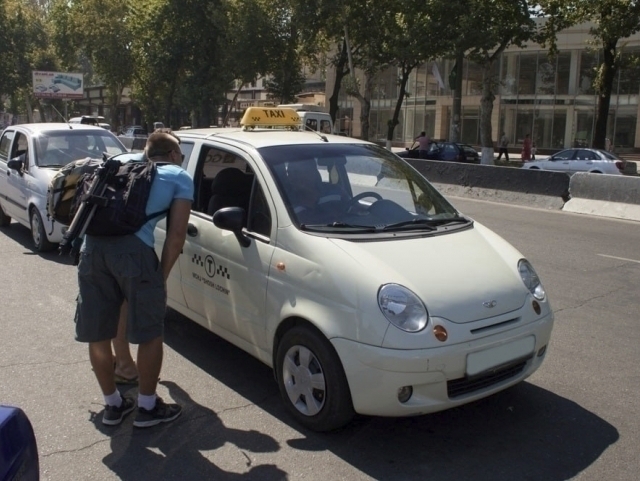
Эндиликда ҳайдовчиларнинг машина рақами қайси ҳудуддан олинган бўлса, фақатгина ўша ҳудудда таксичилик қилиши мумкин. Бу ҳақда Вазирлар Маҳкамасининг тегишли қарори қабул қилинди.
Унда қайд этилишича, ҳайдовчилар фаолиятини лицензия варақаси кўрсатилган ҳудудда ёки унга туташ ҳудуддагина амалга ошира олади.
Бу “80 рақамли машиналар фақатгина Бухоро вилоятида, 70 рақамли машина эгаси эса Қашқадарё вилоятининг ўзидагина таксичилик қила олади” дегани.
Ушбу қарор тез орада кенг жамоатчиликнинг эътирозларига сабаб бўлди ва кўпчилик буни “бемаъни” ва “пухта ўйланмаган” деб атади.
Масалан, ҳуқуқшунос Хушнудбек Худойбердиев бу қарорни ими-жимида қабул қилинганини ёзган.
“Бундай қарор қабул қилиниши мумкинлиги ҳақидаги хавотирларимизни бир йилдан буён айтиб келамиз. Афсуски, масъуллар бу ҳақдаги “аҳмоқона ғояни” ими-жимида қабул қилиб юборишибди”, дея ёзади у.
Унинг сўзларига кўра, бу каби бемаъни қарордан кейин пойтахт Тошкент шаҳрида таксилар қиммат бўлади ва вилоятликлар ноқонуний таксичилик қилишга ўтади.
“Масъуллар ўйлаганидек, бу қарор орқали Тошкентда тирбандликлар камайиб қолмайди. Ҳамма ўз вилоятига қайтиб кетмайди (иш йўқ жойда нима бор?). Бунга ишонаётганларнинг ёки ўзи аҳмоқ, ёки бошқаларни аҳмоқ деб ўйлайди. Энг асосийси “прописка” режими расман қайтгани билан ҳаммани табриклайман! Қанчадан қанча “қон ютишлар” орқали бир амаллаб йўқотилган лаънати режим таксичилар мисолида яна ортга қайтибди! Конституцияга зид бўлса ҳам, барибир шу қарорни қабул қилишибди. Эҳ, “прописка” режими бекор қилингани Янги Ўзбекистондаги энг катта ютуқлардан бири сифатида эътироф этилган эди. Бунча тез ортга қайтамиз, деб ўйламагандим”, дея қўшимча қилган Худойбердиев.
Қолаверса, иқтисодчи Беҳзод Ҳошимов агар қарордан мақсад Тошкент йўлларида тирбандликни камайтириш бўлса, бу ечим иш бермаслигини ёзди.
“Тошкентдаги тирбандликлар масаласини хато йўл билан ечмоқчи бўлишяпти, шекилли. Муаммо талабда, таклифда эмас. Тошкентда кўп автомобилларга талаб бор, кўп одамлар эса бу талабни қондиради. Бу масаланинг тўғри ечимлари бор – пуллик парковка, жамоат транспортига сармоя, балки кўчалардаги ҳаракатланиш айрим вақтларда пуллик бўлиши мумкин. Белгиланган чорада эса – масала худди фақат таклифдагидек туюляпти. Қайсидир Жанубий Америка мамлакатида, автомобиль “номер”лари тоқ рақам билан тугаса тоқ кунларда, жуфт рақам бўлса жуфт кунларда ҳаракатланишга рухсат беришган эди. Оқибатда автомобиллар сони қарийб икки карра ошган. Бу лойиҳани ҳам айланиб ўтишади, сал-пал ҳақлар поймол қилинади, қонунийликка нисбатан беҳурматлик ошади, лекин таксилар йўқ бўлиб қолмайди”, дея ёзган Ҳошимов.
Шу билан бирга, иқтисодчи Отабек Бакиров ҳам қарор пала-партиш равишда қабул қилинганини билдирган.
“Қарор муҳокамага қўйилмаган, нима учун бундай талаб киритилаётгани изоҳланмаган. Унинг оқибатлари ҳам ўйланмаган. Ўн минглаб одамларнинг нафратини қўзғайдиган бу қарорнинг лоббисти ким бўлганини ўзингиз учун тасаввур қилишингиз мумкин”, деган Бакиров.
Умумий қилиб айтганда, қисқа фурсат ичида қарорни қабул қилувчилар жамоатчиликка ёмон кўриниб бўлди. Кўпчиликнинг фикрича, энди Тошкентда нон топаётганлар машинасини уйга ташлаб, мигрантлар калтакланаётган Россиядан иш излайди.

Live
All