Аср фожиаси якунланди. Аммо Ғазо тақдири катта сўроқ остида қолмоқда
Review
−
09 October 2025 7494 8 minutes
Исроилнинг Ғазодаги геноцидлари ўз якунига етди. Секторда байрам бошланди. Томонлар Мисрда бир нечта воситачилар билан бирга масалани тинч йўл билан ҳал қилишга қаратилган музокараларнинг биринчи босқичини якунлаб, дастлабки келишувларга эришди. ҲАМАС асирдаги исроилликларни Исроилга топширади, Исроил эса сектордан қўшини олиб чиқишни бошлайди. Барчаси кейинги кунларда ҳал қилинади. Трамп эса тез орада Исроилга келади. Бир сўз билан айтганда аср фожиаси ўз якунига етди деб ҳисоблаш мумкин, аммо томонлардан бири Исроил экани инобатга олинса, тинчлик узоққа чўзилиши барибир қайсидир маънода шубҳали бўлиб қолаверади. Лекин шу кунгача ўтган икки йиллик қатлиомлар даврида Мисрда кечган музокаралар даражасидаги келишув содир бўлмаганди. Ғазодаги байрам ҳам бежиз эмас. Оч нахор, боласидан, бир неча ойлик чақалоғидан айрилган оналар, ака-укаси, опа-синглисини йўқотган болалар, Исроил ҳужумларидан бир умрга ногирон бўлиб қолган, блокада ва атайин уюштирилган очликдан азият чекиб, қоқ-суякка айланганларнинг юзига ниҳоят кулгу югурди. Уларда оз бўлса-да умид пайдо бўлди.
Тинчлик жараёни эса бу билан тугади деб бўлмайди. Негаки, томонлар ҳозирча фақат бир нечтагина масалаларни келишиб олди, холос. Трампнинг 21 бандлик тинчлик режасида яна кўплаб талаб ва мақсадлар ҳали ҳал этилмаган. Шунинг учун Мисрдаги тарихий келишувга тинчлик музокараларининг дастлабки босқичи сифатида қаралмоқда. Шундай бўлишига қарамай, бу жараён тезлашишига ишора қилувчи қатор омиллар мавжуд. Ҳар ҳолда дунё шунга умид қилмоқда. Ғазодаги бегуноҳ инсонлар тинчлик абадий давом этишидан умидвор. Ҳамма кутган кунлар яқин. Хуллас, Ғазода қон тўкиш тўхтатилди.
Мисрда нуқта қўйилди
6 октябрь куни Исроил ва ҲАМАС ўртасида можарони тинч йўл билан ҳал этишга қаратилган биринчи босқич музокаралар Мисрнинг Шарм ал-Шайх шаҳрида бўлиб ўтганди. Музокараларда қатнашадиган воситачилар таркиби ҳам жуда оғир вазндаги шахслар экани маълум бўлди. Туркия Миллий хавфсизлик идораси раҳбари Иброҳим Қалин ва Қатар делегациясининг бу ерда борлиги музокаралар албатта қандайдир натижа билан якунланишига ишора эди. “Al Jazeera” ушбу музокаралар “ижобий муҳитда” якунлангани ҳақида хабар бериб, учрашувда ҲАМАС вакиллари гаровга олинганларни озод этиш тартиби, шунингдек, Исроил қўшинларини Ғазо секторидан олиб чиқиш режаси ва жадвали бўйича ўз қарашларини баён қилганини очиқлади. Ўша кунги музокаралар Трамп маъмурияти томонидан 29 сентябрь куни тақдим этилган 21 банддан иборат тинчлик режаси атрофида муҳокама қилинган. Режада ҲАМАС томонидан асирга олинган исроилликларни озод қилиш ва Исроил армиясини босқичма-босқич Фаластин ҳудудидан олиб чиқиш кўзда тутилган. Исроил эса эвазига умрбод қамоқ жазосини ўтаётган 250 нафар фаластинлик маҳбусни озод қилиши кераклиги ҳақида келишувлар бўлган.
Кейинчалик бошқа ОАВ ҳам Исроил билан Ғазодаги геноцидни тугатишга қаратилган билвосита музокаралар оптимистик руҳда давом этаётгани ҳақида хабар бера бошлади. Ушбу муҳокамаларда ҲАМАС гуруҳи гаровга олинган исроилликларни озод қилиш эвазига Исроил томони озод қилиши керак бўлган фаластинлик маҳбуслар рўйхатини тақдим этгани айтилди. Шунингдек, ҲАМАСнинг юқори мартабасидаги амалдори Тоҳир ал-Нуну воситачилар ўт очишни тўхтатишни амалга ошириш йўлидаги ҳар қандай тўсиқларни олиб ташлаш учун катта саъй-ҳаракатларни амалга ошираётгани ва барча томонлар ўртасида ижобий руҳ ҳукмронлик қилаётгани ҳақида қувончли хабар берди.
Хушхабар
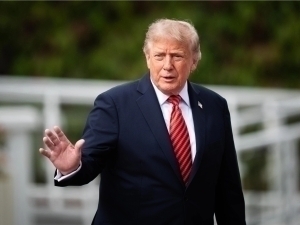
Тошкент вақти билан ярим тунда Оқ уйда ўтказилган катта матбуот анжуманида Дональд Трамп Ғазо бўйича келишув жуда яқин эканини айтди. Бу пайтда эса Қоҳирада тинчлик музокараларининг биринчи босқичи якунланиш арафасида эди. Трамп журналистлар билан суҳбатда кўпчиликка номаълум бўлган еттита урушни тугатгани ҳақида яна гапиришни бошлади ва у энди 8-урушни ҳам тўхтатишга яқин тургани, шундан сўнг Украиндаги урушни якунлашга ҳаракат қилишини таъкидлади. Бу орада Давлат котиби Марко Рубио Трампнинг ёнига келиб нималарнидир шивирлади. У Қоҳирадаги музокаралар натижаси ҳақида маълумот бергани тахмин қилинди. Рубио Трампнинг қўлига Truth Social’даги саҳифасида тез орада эълон қилинадиган хабар матнини ҳам тутқазди. Унда эса Ғазо бўйича кетаётган музокараларнинг биринчи босқичи ижобий якунлангани ва томонлар кўплаб нуқталарни келишиб олгани ҳақидаги эълон бор эди. Бу пайтда CNN ва Axios каби етакчи нашрлар ҲАМАС ва Исроил келишувга яқинлиги ҳақида хабар бера бошлади
Бир зум ўтиб эса барчаси тасдиқланди. ҲАМАС келишувга рози бўлгани эълон қилинди. Яқин Шарқдаги нашрлар келишув ўт очишни тўлиқ тўхтатиш, асирларни озод қилиш кабиларни ўз ичига олиши ҳақида хабар берди. Қоҳира вақти билан тунги соат 12 да келишувга имзо чекилди. Трампнинг ўзи ҳам саҳифасида бу ҳақда тўлиб-тошиб ёзди.
“Мен Исроил ва ҲАМАС тинчлик режамизнинг биринчи босқичига имзо чекканларини эълон қилишдан мамнунман. Бу шуни англатадики, барча гаровга олинганлар тез орада озод қилинади ва Исроил мустаҳкам ва абадий тинчлик сари биринчи қадамлар сифатида ўз қўшинларини келишилган чизиққа олиб чиқади. Барча томонлар адолатли муносабатда бўлишади! Бу араб ва мусулмон дунёси, Исроил, бутун атрофидаги давлатлар ва Америка Қўшма Штатлари учун буюк кун ва биз бу тарихий ва мисли кўрилмаган воқеани амалга оширишда биз билан бирга ишлаган Қатар, Миср ва Туркия воситачиларига миннатдорлик билдирамиз”, деб ёзди Трамп.
Асосий воситачи Қатар Ташқи ишлар вазирлиги эса мазкур келишув Ғазо секторига ёрдамнинг кириб келишига қўйилган тўсиқларни ҳам олиб ташлашни ўз ичига олиши, батафсил маълумотлар эса кейинроқ очиқланишини эълон қилди.
ҲАМАС Фаластин мустақил бўлгунча секторда қолмоқчи
Шундан сўнг, ҲАМАС ҳам келишувга ўз муносабатини билдириб, Қатар, Миср ва Туркиядаги воситачиларнинг саъй-ҳаракатлари учун миннатдорлик билдирди. Ҳаракат ўз баёнотида АҚШ президенти Дональд Трампнинг урушни бутунлай тўхтатиш ва Ғазо секторидан ишғолчи ҳарбий кучларни тўлиқ олиб чиқишда кўрсатган ташаббусини алоҳида қадрлашини таъкидлади. Аммо ҳаракат аъзолари Трамп ва ушбу келишув тепасида турган бошқа кафил давлатларни Исроил келишувдаги мажбуриятларини тўлиқ бажариши учун унга босим ўтказишга чақирди.
“Биз халқимизнинг фидойиликлари бенатижа кетмаслигини, озодлик, мустақиллик ва ўз тақдирини ўзи белгилашга эришилмагунча, ғояга содиқ қолишимизни, халқимизнинг миллий ҳуқуқларидан воз кечмаслигимизни тасдиқлаймиз”, дейилади ҲАМАС баёнотида.
АҚШнинг юқори лавозимли расмийси Axios’га жуда катта ишонч билан Ғазодаги уруш тугаганини айтган. Ғазода эса тинчлик келишуви эълон қилинганидан кейин байрамлар бошланди. Икки йиллик жуда оғир, аянчли ва даҳшатли қирғинларни бошдан кечирган, ўз кўзи билан кўрган, бу жирканч жараёнларда ўз яқинларини йўқотиб, геноцид оғриғини ўз танасида ҳис қилганлар тинчликни сўз билан таърифлаб бўлмайдиган хурсандчилик билан кутиб олди.
Тугади!
Тарихга икки йиллик қирғиннинг ҳам ташкилотчиси, ҳам ижрочиси бўлиб кирган ва келажакда ҳеч қандай ҳолатда яхши ном билан эсга олинмаслиги тайин бўлган Исроил бош вазири Биньямин Нетаньяху 10 октябрь куни ўз ҳукуматини йиғиб, келишувни тасдиқлаши ва гаровдаги барча исроилликларни уйга қайтариб олишини айтди. Гаровдагилар эса Исроил вазирлар маҳкамаси келишувни маъқуллаганидан 72 соат ўтиб озод қилиниши айтиляпти. Демак, узоғи билан 13 октябрь куни ғазоликлар бемалол нафас ростлашлари мумкин.
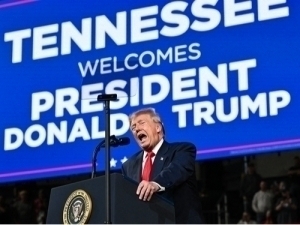
Томонлар Қоҳирада масаланинг дастлабки бобини ёпганидан сўнг, Трамп ва Нетаньяху дарҳол телефон орқали суҳбатлашди. Нетаньяху идораси икки раҳбар ўртасидаги суҳбат жуда илиқ ўтгани ва улар барча гаровга олинганларни озод қилиш тўғрисидаги тарихий битим имзолангани билан бир-бирини табриклаганини маълум қилди. Суҳбатда Нетаньяҳу Трампга барча саъй-ҳаракатлари ва глобал етакчилиги учун миннатдорлик билдираб, уни Кнессетда, яъни Исроил парламентида нутқ сўзлаш учун таклиф қилган. Трамп эса бу таклифни қабул қилган ва у 12 октябрь куни Исроилга ташриф буюриши мумкин.
Ҳа, геноцид – XXI асрнинг энг даҳшатли фожиаси ҳозирча тўхтатилди. Бундан очиғи ҳеч ким ҳеч нарса ютгани йўқ. Агар келажакда Ғазони курорт зонага айлантириш дардида юрган ва Ғазодаги бошқарувни қўлга олиши кутилаётган Тони Блэр ва Трамп атрофидаги миллиардер сионистлар секторнинг Ўрта Ер денгизига туташганлигидан фойдаланиб бирор лойиҳаларидан манфаат кўрмаса, айни дамда бу қирғиндан ҳеч ким ҳеч нима ютмади деб бемалол айтиш мумкин.
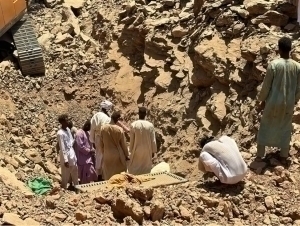
Бутун инсоният ютқазди. Ғазо дарди диний, этник ва бошқа чегараларни ҳам бузиб ўтиб, инсонийлик ҳисси бўлган ҳар қандай одамни икки йил давомида безовта қилди. 67 мингдан ортиқ фаластинлик ҳалок бўлди, 170 мингга яқин бегуноҳ майиб-мажруҳ қилинди. Гўдаклардан тортиб ёш-қаригача сектор аҳолисининг катта қисми мислсиз жисмоний ва маънавий зўравонлик қурбонига айланди. Ғазо ер билан яксон қилинди. Ғазо халқаро ҳуқуқ ва халқаро тартибдан тортиб, инсон ҳуқуқлари деган бир қанча тушунчаларнинг қабрига айланди.
Энг ёмони – ҳали ҳам унинг келажаги катта сўроқ остида турибди. Чунки олдинда Трампнинг тинчлик режасида ёзилган яна ўнлаб бандлар келишилиши керак. Ундаги энг мураккаб нуқталардан бири эса ҲАМАСнинг сектордан чиқиб кетиши ҳамда мустақил, бутун дунё бирдек эътироф этадиган Озод Фаластин давлатининг тузилиши ҳақидаги ваъдалардир.
Олдинда жуда кўп мураккабликлар бор. Бу ҳам етмагандек, фан ва соҳалар бўйича бирин-кетин эълон қилинаётган Нобель лауреатларидан кейин, 10 октябрь куни навбат Тинчлик мукофотига келади. Умид қиламизки, Трамп айнан шу мукофотга эга чиқиш учунгина музокараларни 9 октябрга тақамаган. Бунга шунчаки умид қиламиз, аммо ишончимиз унчалик кучли эмас.

Live
All