Афғонистонда туркий тилларга расмий мақом бериш талаб қилинди
World
−
28 May 2025 10765 2 minutes
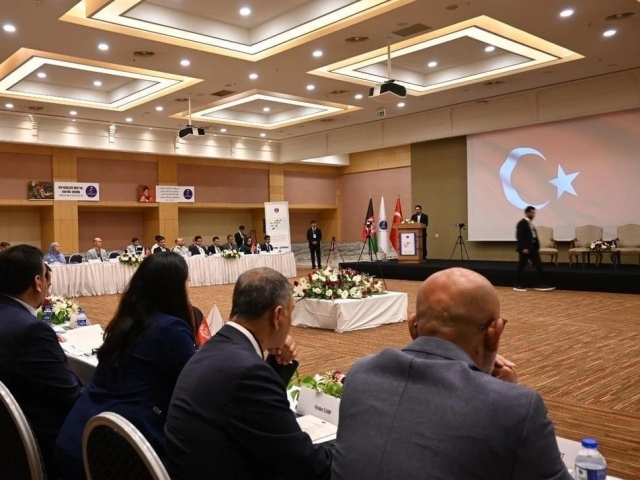
Туркиянинг Анқара шаҳрида “Достум фонди” мезбонлигида Афғонистон ўзбек (турк)ларининг ишчи семинари бўлиб ўтди ва унда туркий ва афғонистонлик академиклар, тадқиқотчилар, фуқаролик жамияти вакиллари ҳамда талабалар иштирок этди. Бу ҳақда кеча, 27 май куни Туркиянинг “Bengu Turk” нашри хабар бермоқда.
Қайд этилишича, тўрт сессиядан иборат семинарда Афғонистондаги туркий (асосан ўзбек ва туркман) жамоаларининг дуч келаётган муаммолари муҳокама қилинган ва уларнинг ечимларига оид таклифлар жамоатчилик билан бўлишилган.
Билдирилишича, семинарнинг асосий мавзуларидан бири Афғонистон географиясининг туркий тарихдаги ўрни бўлган. Иштирокчилар тарихан “Улуғ Туркистон”нинг жанубий қисми сифатида танилган бу ҳудуд атайин “Шимолий Афғонистон” каби атамалар билан ифодаланаётганини айтиб, бу минтақанинг асл номи “Жанубий Туркистон” бўлиши кераклигида якдил фикрга келган.
Семинарда “Толибон” муваққат ҳукуматининг олиб бораётган сиёсати кескин танқид қилинган. Айниқса, туркийлар зич яшайдиган ҳудудларда улар устидан ассимиляция сиёсати юритилаётгани таъкидланиб, ўзбек ва туркман тилларининг Афғонистонда расмий тиллар қаторига киритилиши талаби илгари сурилган. “Жанубий Туркистон”даги таълим муассасаларида она тилида таълим берилиши конституциявий кафолатга олиниши зарурлиги айтилган.
Балх, Ҳирот, Бомиён, Бадахшон каби қадимий шаҳарларнинг асраб қолинишини таъминлаш зарурлиги билдирилар экан, Покистон ва Жануби-Шарқий Осиёдан йўналтирилаётган миграция минтақанинг демографик таркибига таҳдид солаётгани айтилган. Бундай ҳолатнинг олдини олиш мақсадида Турк Давлатлари Ташкилоти, Туркия Республикаси ҳамда халқаро ҳамжамият фаол ҳаракатга чорланган.
Аёлларни таълим ва меҳнат ҳаётидан четлатиш ҳолатларига нисбатан кескин муносабат билдирилган баёнотда қиз болаларнинг ўрта мактаб, лицей ва олий таълимга эришишини таъминлаш ҳамда аёлларнинг жамият ҳаётида тенг иштирок этишини кафолатлаш учун халқаро босим зарурлиги айтилган. Қисқа муддатли ечим сифатида эса онлайн таълим дастурларини кенгайтириш таклиф қилинган.
Афғонистондаги туркийларнинг сиёсий вакиллиги кучайтирилиши лозимлиги таъкидланган семинарияда Афғонистон ўзбекларининг диаспорасини шакллантириш борасида келишувга эришилган.
Кўҳна Туркистоннинг тарихий асраш учун рақамли архив лойиҳаларини бошлаш, UNESCO билан қўшма маданий мерос лойиҳаларини амалга ошириш таклиф этилган. Шунингдек, “Тарихий Туркистон маданияти ва ишлари бўйича ишчи гуруҳи” ташкил этилиши ғояси илгари сурилган.
Маълумот учун 2022 йилги статистикага кўра, Афғонистонда 5,500,000 ўзбек яшайди.
Эслатиб ўтамиз, аввалроқ ўзбеклар Афғонистондаги энг катта диаспора вакилларидан бири экани, аммо улар Ўзбекистонда яшаётган ўзбеклар, ўзларидан бошқа ўзбеклар борлиги ҳақида эшитмагани ҳақида материал тайёрланган эди.

Live
All