O‘zbekistonda qadimiy yunon harbiy lageri topildi
Bu qiziq
−
07 Iyul 6222 2 daqiqa
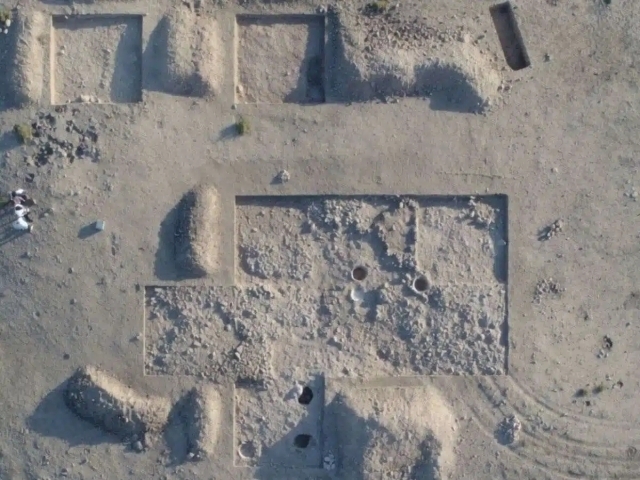
O‘zbekiston janubidagi qadimiy tepaliklardan birida olib borilgan tadqiqotlar natijasida ellinistik davrga oid yunon harbiy lageri izlari aniqlandi. Arxeologlar Iskandartepa hududidagi inshoot oddiy aholi punkti emas, balki qisqa muddat foydalanilgan harbiy post bo‘lganini ma’lum qildi. Bu haqda “Greekreporter” xabar berdi.
Tadqiqotlar Chexiya va O‘zbekiston arxeologlari hamkorligida olib borilgan. Pragadagi Charlz universiteti olimi Ladislav Stancho boshchiligidagi guruh mazkur hududni 2017 yildan boshlab o‘rganib kelmoqda. 2021 yilda esa mutaxassislar magnitometriya va yer ostini aniqlash texnologiyalari yordamida hududni batafsil tekshirgan.
Geofizik tadqiqotlar natijasida qariyb 6 gektar maydon o‘rganilib, tepalik atrofida uzunligi 400 metrga yaqin mudofaa xandaqi aniqlangan. Keyingi qazish ishlari xandaqning eni 4-7 metr, chuqurligi esa 85 santimetrgacha bo‘lganini ko‘rsatgan.
Arxeologlar xandaq ichidan yog‘och himoya devorlariga tegishli bo‘lishi mumkin bo‘lgan ustun izlarini ham topgan. Bu esa hudud vaqtinchalik, ammo himoyalangan harbiy qarorgoh sifatida foydalanilganini ko‘rsatadi.
Lager ichkarisidan katta hajmdagi sopol suv idishlari xumlar topilgan. Mutaxassislarning fikricha, bu idishlarda oziq-ovqat emas, balki suv saqlangan. Chunki hududda doimiy binolar yoki tabiiy suv manbai bo‘lmagan.
Bundan tashqari, tadqiqotchilar hududning sharqiy va g‘arbiy qismlarida 90 ga yaqin oval shakldagi chuqurlarni aniqlagan. Ularning ayrimlari keyingi davrlarda qabriston sifatida ishlatilgani taxmin qilinmoqda.
Topilmalar orasidan Yunon-Baqtriya hukmdorlari Evtidem I va Demetriy I davriga oid tangalar ham aniqlangan. Bular ushbu joy miloddan avvalgi II asrda, ellinistik davr voqealariga ishora qiladi.
Olimlar Iskandartepani So‘g‘diyona hududidagi Boysari tepasi bilan taqqoslab, uning tuzilishi Markaziy Osiyodagi kam uchraydigan yunon harbiy lagerlari namunalaridan biri ekanini qayd etgan.
Mutaxassislarning ta’kidlashicha, mazkur kashfiyot geofizik usullar yordamida ko‘zga tashlanmaydigan qadimiy yodgorliklarni aniqlash mumkinligini yana bir bor isbotlagan.
Eslatib o‘tamiz, avvalroq O‘zbekiston hududida 4 ming yil avval, bronza davriga mansub bolaning bosh suyagida trepanatsiya (kalla suyagini teshish) izlari aniqlangandi.

Live
Barchasi