Mintaqa yetakchiligi Mirziyoyev chekiga tushdimi? – Midweek
Tahlil
−
10 Iyul 2025 15782 11 daqiqa
Qozog‘iston Prezidenti Qosim-Jomart To‘qayevning Ozarbayjondagi sammitga bormagani Putindan qo‘rqqani bilan izohlanmoqda.
Tolibonni dunyo hamjamiyatiga integratsiya qilishda eng faol mamlakatlardan biri bo‘lgan O‘zbekiston BMTning “Tolibon”ga qarshi rezolyutsiyasini qo‘llab-quvvatladi.
AQSH Ukrainaga qurol yetkazib berishni to‘xtatishi ortidan Rossiya bosqini rostmanasiga kuchaydi. Ammo yetkazib berishni darhol tiklagani xabar qilindi.
Hafta o‘rtasiga qadar jahonda ro‘y bergan muhim voqea-hodisalar tafsiloti bilan QALAMPIR.UZ’ning Midweek dasturi.
To‘qayev Putindan qo‘rqyaptimi?
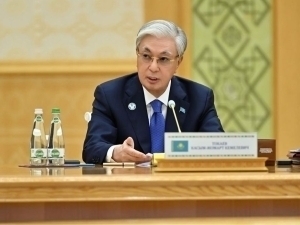
Joriy yilning 4 iyul kuni Ozarbayjonning Xonkendi shahrida bo‘lib o‘tgan Iqtisodiy hamkorlik tashkilotining 17-sammitiga Qozog‘iston Prezidenti Qosim-Jomart To‘qayev tashrif buyurmadi. Uning nega kelmagani esa muhokamalarga sabab bo‘ldi va turli taxminlarni o‘rtaga chiqardi. Sammitda Qozog‘iston nomidan hukumat rahbari qatnashdi. “Orda” nashri esa To‘qayev nega bu yig‘inda bo‘lmagani yuzasidan qator taxminlarni keltirib o‘tdi. Nashr qayd etgan birinchi taxminga ko‘ra, Moskva va Baku o‘rtasidagi munosabatlardagi keskinlik fonida To‘qayev Ozarbayjonga tashrif buyurishdan tiyilgan bo‘lishi mumkin. Ammo bu versiya biroz o‘zini oqlamasligi mumkin. Chunki o‘tgan yillar davomida turli xalqaro tadbirlarda Putin bilan yuzma-yuz tortishuvlarga kirishgan, uning yonida turgan holda, Rossiya tomonidan tortib olingan Ukraina hududlarini Kreml tomonidan joriy qilingan statusini tan olmasligini ochiq oydin bildirgan kam sonli liderlardan biri aynan To‘qayevdir. Ammo u ham qolgan postsovet davlatlaridagi rahbarlar kabi Putin va dunyo hamjamiyati o‘rtasida juda nozik harakat qilyapti. To‘qayev ham ikki qadam oldinga bir qadam orqaga iborasidan mustasno emas. Shunday ekan bir tarafdan Kremldan qo‘rquv taxminida jon bordek ko‘ringani bilan, boshqa tomondan To‘qayevning Putinga tez-tez qilib turadigan keskin siyosiy ritorikasi inobatga olinsa, bu taxmin haqiqatga biroz to‘g‘ri kelmasligi mumkin.
Nazarda tutilgan boshqa sababga ko‘ra esa, To‘qayevning Xonkendiga bormagani Qozog‘istonning rasmiyatchilikka amal qilishi bilan bog‘liq bo‘lishi mumkin. Aslida rasmiy darajada aytilsa bo‘ladigan va hatto oz-moz haqiqatga yaqin faraz mana shu. Chunki Iqtisodiy hamkorlik tashkiloti hukumatlararo tashkilot bo‘lib, uning ishida Prezident emas, Bosh vazir ishtirok etishi kerakligi aytiladi. Esingizda bo‘lsa, 2023 yil noyabr oyida mazkur tashkilotning 16-sammiti Toshkentda o‘tgandi. O‘shanda ham Qozog‘iston nomidan Bosh vaziri Alixan Ismailov sammitda ishtirok etgandi. Bundan tashqari masalan, bu safar Xonkendida o‘tgan sammitda Turkmaniston va Pokiston Prezidentlari ham ishtirok etmadi. Ammo To‘qayevning Toshkentga kelmagani o‘shanda rasmiyatchilikdan ko‘ra, ko‘proq boshqa sabablar bilan ham bog‘liq edi. Negaki, Toshkentda IHT sammiti bo‘layotgan 9 noyabr sanasida Putin Qozog‘istonga tashrif buyurgandi va u Oqo‘rda qarorgohida To‘qayev tomonidan tantanali tarzda kutib olingan. Shu bois rasmiyatchilik, diplomatik protokolga amal qilinganlik taxmini ham so‘roq ostida.
Ammo To‘qayev Ozarbayjonga tashrif buyurmaganining uchinchi taxminiy sababi sifatida Erdo‘g‘anning harakatlari keltirilmoqda. Turkiya Prezidenti Rajab Toyib Erdo‘g‘an nafaqat bu sammitdan, balki boshqa ko‘plab siyosiy loyihalardan Shimoliy Kipr Turk Respublikasini defakto tan olinishini targ‘ib qilish uchun foydalanmoqda degan qarashlar ham yo‘q emas. Qozog‘iston rahbari esa bunday masalalarda doimo ehtiyotkorona harakat qilgan. Boz ustiga, joriy yil aprel oyida Samarqandda o‘tgan YeI-MO birinchi sammitida mintaqa davlatlari SHKTRga talluqli bo‘lgan BMT rezolyutsiyasiga amal qilishini tasdiqlagandi. Shu bois, To‘qayev tashqi kuchlar o‘rtasida muvozanat saqlash maqsadida sammitga bormay qo‘ya qolgan bo‘lishi mumkin. Bu Markaziy Osiyodagi rahbarlarning bugungi tashqi siyosat kurslariga begona emas.
Mirziyoyev mintaqa yetakchiligini qo‘lga olyaptimi?
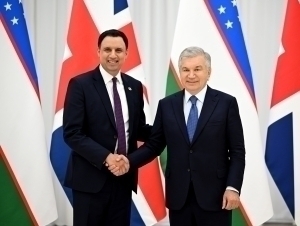
Ammo shu o‘rinda siyosiy vektorlarning ko‘ngliga ozor bermaslik uchun nozik harakat qilib, oxir-oqibat o‘z pozitsiyasini yo‘qotib qo‘yish ham ehtimoldan holi emas. Har bir mamlakatning milliy manfaatlari mavjud va bu manfaatlar yuzasidan hisob-kitoblar hamda muhokamalarga o‘rin yo‘q. Jumladan, O‘zbekiston Prezidenti Midweekning Bakuga tashrifi bunga yorqin misol bo‘la oladi. Rossiya va Ozarbayjon o‘rtasidagi ziddiyat eng yuqori cho‘qqiga chiqqan mahal O‘zbekiston yetakchisi birinchi bo‘lib, Bakuga bordi. Albatta, bu davlat tashrifi va uning doirasida sammitda qatnashish maqsadidan boshqa narsa emas. Ammo shunday bo‘lsa-da, bu o‘taketgan darajadagi asossiz ehtiyotkorlikni chetga surish hamdir.
Bundan tashqari, Prezident Shavkat Mirziyoyev shu sammitdagi nutqida Isroil va AQSHning Eronga qilgan hujumlarini qoraladi. O‘zbekiston Prezidenti Eron Islom Respublikasiga qarshi harbiy amaliyotlar butun mintaqani urushga jalb qilish va keng miqyosida atrof-muhit falokatining sodir bo‘lish ehtimolini yuzaga keltirganini bildirdi. Shu bilan birga, u mustaqil Falastin davlatini tashkil etish tarafdori ekanini ham ta’kidladi va bu Shavkat Mirziyoyevning Falastindagi adolatli yechim borasida qilgan birinchi bayonoti emas. O‘zbekiston so‘nggi yillarda Markaziy Osiyoda mustaqil Falastin davlati tuzilishi lozimligini eng ko‘p takidlab keladigan mamlakatdir.
Boz ustiga, tan olinmagan SHKTR ham IHT doirasida doim ko‘rinish beradi. Xonkendidagi sammitda ham Turkiya, Eron, Pokiston, Qozog‘iston, Tojikiston va Qirg‘iziston, shuningdek, O‘zbekiston rahbariyati qatorida Shimoliy Kipr Turk Respublikasi rahbari Ersin Tatar ham qatnashdi. Markaziy Osiyoning Turkiy davlatlar tashkilotiga a’zo bo‘lgan 3 davlati – Qozog‘iston, Qirg‘iziston, O‘zbekiston va kuzatuvchi davlat maqomida qolayotgan Turkmaniston o‘zi bilan bir tuzilma, ya’ni Turkiy davlatlar tashkilotida bo‘lib turgan SHKTR bilan bir stol atrofida to‘plansa-da, uni rad etadi. Allaqachon uni tan olmaslik bo‘yicha rezolyutsiyaga amal qilishlarini ham rasmiy darajada tasdiqlashgan. Ammo Ersin Tatar Erdo‘g‘anga ergashib, O‘zbekiston mavjud bo‘lgan mintaqalararo sammitlarga kelaveradi, defakto tan olinishga harakat qilaveradi. Shunday bo‘lishiga qaramay bu holat O‘zbekistonga o‘sha sammitlarda oliy rahbariyat darajasida ishtirok etishiga to‘sqinlik qilganicha yo‘q.
Ha aytgancha, Xonkendidagi IHT sammitidan 4 kun o‘tib, 8 iyulda Shavkat Mirziyoyev va Vladimir Putin o‘rtasida telefon muloqoti bo‘lib o‘tdi. Unda O‘zbekiston bilan Rossiya o‘rtasidagi keng qamrovli strategik sheriklik va ittifoqchilik munosabatlarini yanada rivojlantirish va mustahkamlashning dolzarb masalalari muhokama qilingan. Oliy darajada, eng avvalo, savdo-iqtisodiy sohada erishilgan kelishuvlarni amalga oshirishga alohida e’tibor qaratilgan. Joriy yilning kuzida o‘tkazilishi rejalashtirilgan O‘zbekiston va Rossiya hududlari kengashining ikkinchi yig‘ilishiga puxta tayyorgarlik ko‘rish va uning natijadorligini ta’minlash zarurligi ham ta’kidlangan.
O‘zbekiston “Tolibon”ga qarshi ovoz berdi
O‘tgan hafta Rossiya “Tolibon”ni tan olgandi. Ammo Afg‘onistondagi muvaqqat hukumatning xursandchiligi uzoqqa cho‘zilmadi. Moskvaning tan olishidan so‘ng ular uchun birin-ketin muammolar chiqa boshladi. Jumladan, Xalqaro jinoiy sud Afg‘onistondagi vaziyatni tergov qilish doirasida “Tolibon” muvaqqat hukumati oliy rahbari Haybatulloh Oxundzoda va Afg‘oniston bosh sudyasi Abdulhakim Haqqoniyni hibsga olishga order berdi. Sud Oxundzoda va Haqqoniyni insoniyatga qarshi jinoyatlar, xususan, jinsga asoslangan ta’qib qilishni buyurgan, rag‘batlantirgan yoki undagan deb topdi. Sud xulosasiga ko‘ra, bu harakatlar Afg‘onistonda 2021 yilning avgustida “Tolibon” hokimiyat tepasiga kelgan paytdan boshlab sodir bo‘lgan va kamida 2025 yilning 20 yanvarigacha davom etgan. XJSga ko‘ra, ayollar va qizlar tizimli ravishda, jumladan, ularning ta’lim, shaxsiy va oilaviy hayot, harakat erkinligi, so‘z, vijdon va diniy e’tiqod huquqlarini cheklovchi farmonlar orqali ta’qibga uchragan.
XJS shuningdek, “Tolibon” siyosati boshqa inson huquqlari buzilishiga olib kelganini ta’kidlagan. Ular orasi qotilliklar, o‘zboshimchalik bilan hibsga olish, qiynoqlar va zo‘rlash kabi holatlar borligi takidlangan. Shuningdek, ta’qiblar nishoni siyosiy muxolif hisoblangan shaxslar, jumladan, “Tolibon” siyosatiga shunchaki passiv qarshilik ko‘rsatganlar ham bo‘lgani qayd etilgan. Ammo bu hammasi emas. “Tolibon” muvaqqat hukumati XJS bilan birga BMT tomonidan ham ommaviy qarshiliklarga uchradi. Joriy yilning 7 iyul kuni BMT Bosh Assambleyasi Afg‘onistondagi vaziyatga oid 11 sahifalik rezolyutsiyani ma’qulladi. Unda mamlakatdagi ayol-qizlar bilan bog‘liq vaziyat keskin qoralandi. Yakuniy ovoz berishda 116 davlat, jumladan, O‘zbekiston ham rezolyutsiyani qo‘llab-quvvatlagan. Ya’ni “Tolibon”ning ayollarga qarshi siyosatini qoralagan. 2 davlat esa “Tolibon” tomonida turib bunga qarshi chiqqan. Eng qizig‘i “Tolibon”ning yonini olgan o‘sha ikki davlat AQSH va Isroil edi. Hatto, uni tan olgan Rossiya, bundan tashqari Xitoy, Hindiston va Eron kabi davlatlar ovoz berish jarayonida betaraf qolgan bir paytda AQSH va Isroildan bunday qadam tashlanishi hayratlanarli bo‘ldi.
Shavkat Mirziyoyev esa Xonkendida o‘tgan IHT sammitida “Tolibon” muvaqqat hukumatining ham qatnashayotganidan xursand ekanini aytgandi. Oradan uch kun o‘tib esa O‘zbekiston BMTning “Tolibon”ga qarshi rezolyutsiyasini qo‘llab-quvvatlagani ham bir qarashda kutilmagandek ko‘rinishi mumkin. Ammo rasmiy Toshkent “Tolibon” bilan muloqotlarni yo‘lga qo‘ygan ilk kunlardan to hozirgacha Afg‘onistondagi ayollar huquqi va ularning ta’limi borasida muvaqqat hukumatga o‘z tavsiyalarini berib keladi. Shu bois rezolyutsiyadagi O‘zbekistonning pozitsiyasi yangilik emas, desak mubolag‘a bo‘lmaydi.
“Tolibon” nazorati ostidagi Afg‘onistondagi ayollar huquqi bilan bog‘liq bugungi vaziyatni esa “nafas olishdan boshqa hamma narsaga taqiq” deb ta’riflasak bo‘ladi. Ularga xavf tug‘dirayotgan jinsiy tajovuz va erta turmush holatlarini-ku gapirmasa ham bo‘ladi. Hali 10 yoshga ham to‘lmagan qizaloqlarning 40 – 50 yoshli erkaklarga uzatilishi haqidagi xabarlar qalashib yotibdi. Bu esa aslida turmushga berish emas, sotib yuborilish ekani ko‘pchilikka sir emas. Xususan, bundan bir necha kun oldin, Afg‘onistonda ota 7 yoshli qizini 45 yoshli erkakka turmushga bergani haqida “Tolo News” nashri xabar bergandi. Nashrning yozishicha, to‘y marosimi Afg‘onistonning Hilmand viloyatida bo‘lib o‘tgan. Bo‘lajak kuyovning allaqachon ikki xotini borligiga qaramay, bolaning otasi kelishuvga rozi bo‘lgan. Bu voqea hatto “Tolibon” orasida shov-shuvga sabab bo‘lgan, ular aralashib, nikohni to‘xtatgan. “Tolibon” rasmiylari qizning otasini ham, unga uylanmoqchi bo‘lgan erkakni ham hibsga olgan. Ammo bu bilan ular qizning otasiga va unga uylanmoqchi bo‘lgan pedofilga jazo qo‘llagan deb o‘ylamang. Mahalliy manbalarga ko‘ra, hech kimga nisbatan hech qanday ayblov qo‘yilmagan, o‘sha erkakka qiz to‘qqiz yoshga to‘lgunga qadar unga uylanishi taqiqlangan, xolos.
Hilmandning ayrim aholisi va shifokorlar esa yosh turmush qurishdan xavotir bildirib, bunday amaliyotlar, ayniqsa, qizlar uchun jiddiy psixologik, ijtimoiy va jismoniy oqibatlarga olib kelishi mumkinligidan ogohlantirmoqda. Ularning ta’kidlashicha, erta turmush qurish nafaqat bolaning kelajagiga tahdid soladi, balki uning ruhiy salomatligi, tabiiy rivojlanishi va ta’lim olish imkoniyatlariga ham salbiy ta’sir qiladi. Bolalar nikohining ko‘payishiga esa mamlakatdagi ijtimoiy va iqtisodiy ahvolning yomonlashuvi ham o‘zining katta tasirini o‘tkazgan. BMT ga ko‘ra, 2021 yilda “Tolibon” hokimiyat tepasiga kelib, qizlarning o‘qishini taqiqlaganidan so‘ng Afg‘onistonda erta turmush qurish 25 foizga, voyaga yetmaganlar tug‘ishi 45 foizga oshgan. Yuqoridagi 7 yoshli qizaloqning turmushga berilishi esa birinchi bunday holat emas. 2021 yilda otasi tomonidan 55 yoshli erkakka oziq-ovqat, qo‘y-qo‘zi va yer evaziga sotib yuborilgan 9 yoshli Parvona Malik voqeasi ko‘pchilikning yodidan ko‘tarilmagan. U xayriya tashkiloti tomonidan qutqarib olingan edi.
AQSH Ukrainaga yordamni tikladi
2 iyul kuni Pentagon Ukrainaga raketalar va o‘q-dorilar partiyasini yuborishni to‘xtatgani ma’lum bo‘lgandi. Keyinchalik ochiqlanishicha bu qaror Oq uy bilan maslahatlashilmagan holda Pentagon rahbari Pit Hegset tomonidan amalga oshirilgan. Bunga AQSH Qurolli kuchlaridagi zaxiralar borasidagi xavotir sabab bo‘lgani aytilgan edi. Ukraina urushi va Yaqin Sharqdagi mojaro tufayli AQSH armiyasi zaxiralari ancha kamayib ketgani haqidagi xabar shundan so‘ng o‘z tasdig‘ini topdi. Ammo keyinchalik AQSH Davlat departamenti qurol yetkazib berish to‘xtatilmagani, balki vaqtincha pauza olinganini ma’lum qildi. Xalqaro vaziyat keskinlashgan zahoti, masalan, Eron va Isroil o‘rtasidagi urushdan foydalanib Ukrainaga bosqinni kuchaytirishni odat qilgan Rossiya uchun bu yaxshigina imkoniyat taqdim qildi. Ukraina osmoni himoyasiz qoldi.
Rossiya Qurolli kuchlari, hatto, poytaxt Kiyevga ham dronlar va raketalar yordamida zarba berdi. Eng halokatli hujumlardan biri 10 iyulda sodir bo‘ldi. Zarbalar oqibatida 16 kishi jarohat olgani, ulardan 10 nafari shifoxonaga yotqizilgani, ikki nafar tinch aholi esa halok bo‘lgani ma’lum qilindi. Kiyevda turar-joy binolari, omborxonalar, ofis va noturar ob’ektlar hamda yonilg‘i quyish shoxobchalarida yong‘inlar yuzaga kelgan. Shuningdek, bir qator avtomobillar shikastlangan. Kiyev meri Klichkoning aytishicha, Rossiya hujumi oqibatida 1-sonli Birlamchi tibbiy yordam markazining ambulator bo‘limi deyarli to‘liq vayron qilingan.
Kiyev osmoni ochiq qolishi fonida Tramp va Putin o‘rtasi birgina qo‘ng‘iroqdan keyin buzildi. Tramp nihoyat Putin uni laqillatayotganiga ishonch hosil qildi va Ukrainaga yordam berishni tikladi. Biroq Tramp bu yordam biroz oldin to‘xtatilganidan huddi bexabardek, taassufda. 8 iyul kuni AQSH hukumati yig‘ilishida Prezident Donald Tramp Ukrainaga qurol yetkazib berish to‘xtatilishini ma’qullamagan va ularni qayta tiklashni buyurgan. Vaziyatdan xabardor manbalarga ko‘ra, yuqorida ta’kidlanganidek, Mudofaa vaziri Pit Hegset o‘tgan haftada Ukrainaga qurol yetkazib berishni to‘xtatish to‘g‘risida qaror qabul qilganida bu haqda Oq uyni oldindan xabardor qilmagan.
Prezident Donald Tramp bu qadam uchun o‘zini mas’ul emasligini aytgan. Hukumat yig‘ilishida undan “qurol yetkazib berishni to‘xtatishni ma’qullayapsizmi?”, deb so‘ralganda, Tramp bu savolga rad javobini bergan va AQSH Ukrainaga mudofaa qurollarini yetkazishda davom etishini aytgan. Shundan so‘ng, u Hegsetga o‘q-dorilar, xususan, Patriot havo mudofaasi tizimlari uchun tutib qoluvchi raketalarni yetkazib berishni tiklashni buyurgan. Bu raketalar Ukraina uchun raketa va dron hujumlaridan himoyalanishda hal qiluvchi ahamiyatga ega. Ma’muriyatdagi yuqori martabali rasmiyning aytishicha, qurol-yarog‘ to‘plami oldingi ma’muriyat tomonidan ajratilgan bo‘lib, u allaqachon Ukrainaga jo‘natilayotgan bo‘lgan, biroq keyinchalik to‘xtatilgan. Bu o‘q-dorilarning ko‘pchiligi ayni damda Polshada bo‘lib, ular tez orada Kiyevga yetkaziladi.
Live
Barchasi