Эронга бомба ташлаган B-2 қандай самолёт?
Таҳлил
−
23 Июнь 2025 29675 4 дақиқа
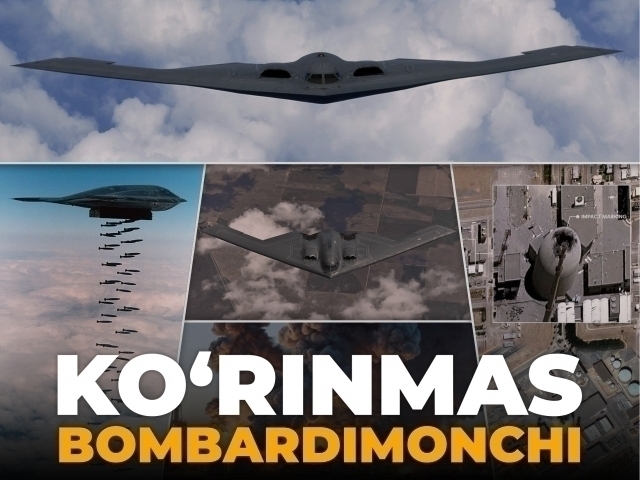
Давлатлараро кечаётган йирик урушлар сафига учинчи бўлиб қўшилган Эрон-Исроил урушининг ўн биринчи кунида унга АҚШнинг ҳам қўшилиши воқеалар тизгинини кейинги даражага олиб чиқди. Америка самолётлари 22 июнь (Америка вақти билан 21 июнь) куни Эроннинг учта ядровий объекти – Фордо, Натанз ва Исфахонга зарба берди. Дональд Трампнинг ўша кунги сўзларига кўра, юқоридаги учта ядро объекти “муваффақиятли ҳужум” остида қолган. У, шунингдек, Эрон ядро дастурининг “тожи” бўлган Фордо энди йўқлигини айтди. Хўш, Америка ҳужумда фойдаланган ва ҳавода “заправка” қилган B-2 бомбардимончи самолётлари ҳақида нималар маълум? Улар қандай қилиб ҳеч қандай қўнишларсиз 20 минг километрдан ортиқ масофани босиб ўтди?
B-2'нинг техник хусусиятлари

B-2 – АҚШнинг энг илғор стратегик қуролларидан бири бўлиб, у мураккаб ҳаво мудофаасига кириб бориш ва ер остига яширилган ядро тадқиқот объектлари каби йирик нишонларга аниқ зарба бериш имкониятига эга.
B-2 бомбардимончи самолёти энг қиммат ҳарбий самолёт бўлиб, тахминан 2,1 миллиард доллар қийматга эга. Northrop Grumman компанияси томонидан яратилган ушбу самолётнинг радар ва бошқа кузатувчилар томонидан илғанмаслик, яъни стелс технологияси 1980 йиллар охирида ишлаб чиқилган. Бироқ “Совуқ уруш” тугагач, дастур қисқартирилиб, атиги 21 дона самолёт ишлаб чиқарилган.
B-2 самолётининг ёнилғи қуйилмасдан 11 минг 112 км масофага учиш имконияти АҚШнинг ички ҳарбий базаларидан бутун дунё бўйлаб ҳужум қилиш имконини беради. Ҳавода парвоз вақтида ёнилғи қуйиш орқали эса мазкур самолётлар деярли ҳар қандай глобал нишонга етиб бора олади, бу аввал Афғонистон, Ливия ва энди Эрондаги миссияларда ўз исботини топди.
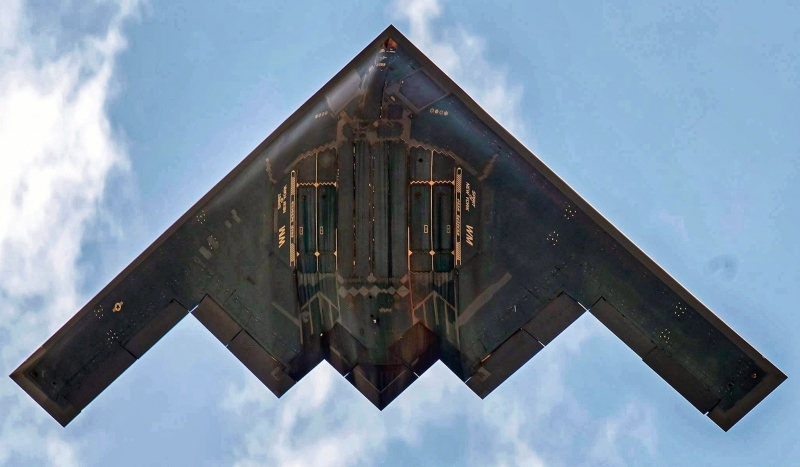
Самолёт 18 тоннадан ортиқ бомба ташиш қувватига эга бўлиб, у кенг доирадаги анъанавий ва ядровий қуролларни олиб юриши мумкин. Ички қурол бўлмаларида стелс хусусиятларини сақлаган ҳолда катта ўқ-дориларни жойлаштириш мумкин, хусусан, 13,6 тонналик GBU-57А/B бункерёрар бомбалари шулар жумласидан.
Хабарларга кўра, Эрондаги Фордо ядро тадқиқот объектига шундай бомбадан олтитаси ташланган.
B-2 самолётининг икки кишилик экипажи автоматлаштирилган тизимлар ёрдамида юқори оператив самарадорликни таъминлайди, шу билан бирга инсон ресурсларини тежайди.
Стелс технологияси радарни ютувчи материаллар ва махсус бурчакли дизайнни ўз ичига олади, бу эса уни душман ҳаво мудофааси учун деярли аниқлаб бўлмас ҳолга келтиради. Радар тасвирида у гўё қушдек кичик кўринади.
Бункерёрар бомбалар
13,6 тонналик GBU-57А/B бункерёрар бомбалари АҚШ арсеналидаги энг катта анъанавий бомба ҳисобланади. У ер остидаги мустаҳкам бункерни ёриб ўтиш учун махсус ишлаб чиқилган. Жуда катта ҳажми сабабли, B-2 битта миссияда атиги бир ёки икки дона шундай бомбани таший олади, бироқ уларнинг бункерни ёриб кириш қуввати беқиёс.
6,25 метр узунликка эга бомба GPS орқали аниқ нишонга йўналтирилади. У 60 метр чуқурликдаги мустаҳкам бетонни ёриб ўтиш имкониятига эга бўлиб, дунёдаги энг кучли ҳимояланган ерости иншоотларига қарши самарали ҳисобланади.
Одатдаги юклар

JDAM тизими. 5 метргача аниқликни таъминлаш орқали оддий бомбани ҳам ақлли, аниқлиги юқори қуролга айлантирувчи ушбу тизим B-2'га анъанавий нишонларга аниқ зарба бериш имконини беради. Ушбу самолёт бир вақтнинг ўзида GPS орқали йўналтирилган кўп сонли қуролларни ташлаши ва бир нечта нишонни юқори аниқлик билан уриши мумкин.

JSOW бомбаси. Узоқ масофадан нишонларни йўқ қилувчи ушбу ақлли бомба B-2'нинг зарба масофасини кенгайтиради ва шу билан бирга стелс хусусиятларини сақлайди. Ушбу қанотли бомбалар самолётга кучли мудофаа зонасига кирмасдан туриб нишонни уриш имконини беради.

JASSM ракетаси. Узоқ масофали, радар кўра олмайдиган ва нишонни аниқлик билан урадиган мазкур ҳаво-ер ракетаси узоқ масофага аниқ зарба бериш имконини яратади. Унинг JASSM-ER варианти 805 км узоқликдаги нишонларга зарба бериш имконини беради.
Ядро қуроли ташиш салоҳияти
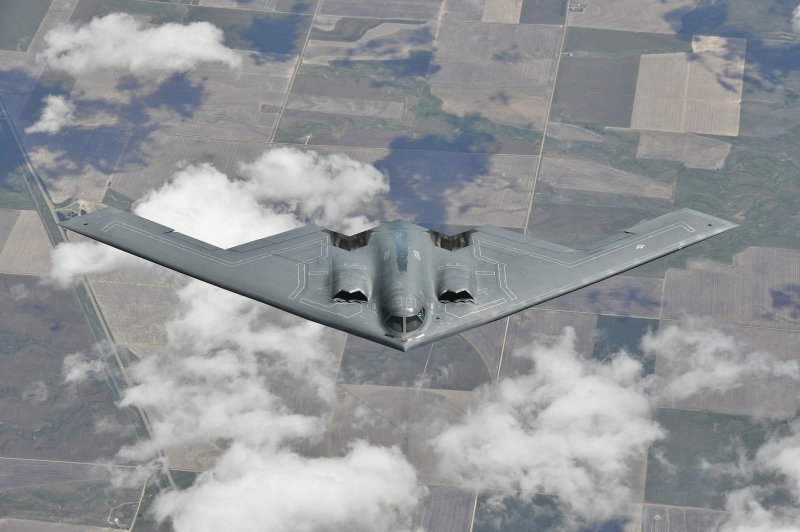
B-2 АҚШнинг ядровий триадасининг муҳим таркибий қисми ҳисобланади. У стратегик ядровий қуролларни юқори аниқлик ва стелс технологияси билан етказиб бериш имконига эга. У 16 тагача B83 ядровий бомбаларини олиб юриши мумкин.

Live
Барчаси23 Октябрь