Ўзбекистонда аҳолининг учдан бирида пул жамғармаси йўқ
Local
−
29 July 2025 8412 2 minutes
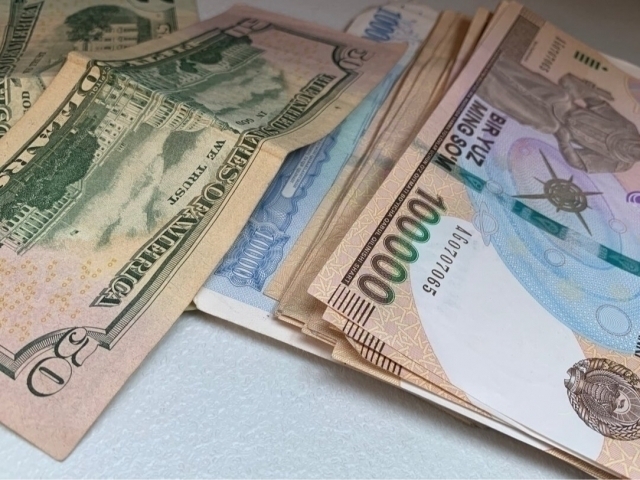
Ўзбекистонда аҳолининг 34 фоизи пул жамғармаган. Бу ҳақда Марказий банк томонидан ўтказилган нақд пул муомаласининг ташкил этилиши, нақд пулдаги ҳисоб-китоблар ҳолати юзасидан сўровнома натижалари бўйича ҳисоботда келтирилган.
Қайд этилишича, жорий йилнинг июнь ойида 14 259 нафар респондент ўртасида нақд пул муомаласининг ташкил этилиши, нақд пулдаги ҳисоб-китоблар юзасидан электрон сўровнома ўтказилган.
Сўровнома натижаларига кўра, респондентлар орасида кундалик тўловларни асосан нақд пул шаклида амалга оширувчилар 15 фоизни, банк картаси орқали амалга оширувчилар 33 фоизни ва иккала шаклда амалга оширувчилар 52 фоизни ташкил этган.
Сўровнома иштирокчиларидан 47 фоизининг нақд пул шаклидаги бир марталик харидлари миқдори 100 минг сўмдан 500 минг сўмгачани, 35 фоизиники 100 минг сўмгачани, 12 фоизиники 500 минг сўмдан 1 млн сўмгачани ва 6 фоизиники 1 млн сўмгачани ташкил қилган.
Товарлар (хизматлар) харидини нақд пул шаклида амалга ошириш сабаби бўйича респондентларнинг 56 фоизи харидларни асосан деҳқон бозорларда қилишини, 17 фоизи тез, хавфсиз ва назорат қилиш қулайлигини, 13 фоизи нақд пулда товарлар (хизматлар) арзонроқ эканини, 7 фоизи тўлов учун нақд пул талаб қилинишини ҳамда яна 7 фоизи тўлов терминали йўқлигини ва ишламаслигини кўрсатган.
Тўловлар учун нақд пул талаб қилиш ҳолатлари бўйича Андижон, Қашқадарё, Самарқанд, Сирдарё, Тошкент вилоятларида юқори кўрсаткич қайд этилган бўлса, тўлов терминали йўқлиги ёки ишламаслиги ҳолатлари Тошкент шаҳрида кўп кузатилаётгани маълум бўлган.
Респондентлар томонидан муомалада 10 000, 50 000, 5 000, 100 000 ва 20 000 сўм номиналдаги пул белгиларига эҳтиёж нисбатан юқорилиги билдирилган. Уларининг 25 фоизи банкоматларда 50 000 сўмлик, 22 фоизи – 100 000 сўмлик, 16 фоизи – 10 000 сўмлик, 14 фоизи – 20 000 сўмлик банкнотлар кўпроқ бўлишини хоҳлаган.
Сўровнома иштирокчиларининг 65 фоизи дўконларда нақд пулда товарлар харид қилганида қайтим пулларини олишини, 17 фоизи баъзан қайтим пулларини ўрнига арзон товарлар (гугурт, сақич, қурт ва ҳаказо) олишини, 14 фоизи доим қайтим пуллари ўрнига арзон товарлар (гугурт, сақич, қурт ва ҳаказо) олишини ва 4 фоизи қайтим пулларини олмасликларини, чунки майда пуллар йўқлигини билдирган.
Шунингдек, респондентларнинг 87 фоизи иш ҳақи тўловларини банк картаси орқали, 7 фоизи ҳам нақд пул шаклида, ҳам банк картаси орқали ҳамда 6 фоизи нақд пул шаклида олаётганини қайд этган.
Сўровнома қатнашчиларининг 62 фоизи банкоматлар бўйича шикояти йўқлигини, 18 фоизи кам ҳолларда узилишлар кузатилиши, лекин эътироз қиладиган даражада эмаслигини ва қолган 20 фоизи нақд пуллар тез тугаб қолиши, тез-тез ишламай қолиши ҳамда керакли номиналдаги банкнотлар мавжуд эмаслигини маълум қилган.
Респондентларнинг 23 фоизи жамғармаларини ўзларида нақд пул шаклида ва шунча қисми банк карталарида, шунингдек 20 фоизи банклардаги омонат ҳисобварақларда сақлашларини билдирган бўлса, 34 фоизи жамғармалари мавжуд эмас эканини қайд этган.
Сўровнома иштирокчиларининг 52 фоизини давлат хизматчилари, 19 фоизини хусусий сектор вакиллари, 17 фоизини бюджет ташкилотлари ходимлари ташкил қилган.

Live
AllOhangaronda o'qituvchi o'quvchini kaltakladi
22 October
Avstraliyada kuchli yomg'ir yog'di
22 October
Gretsiyada ham talabalar namoyish boshladi
22 October