Назарбоевнинг тақдири Тўқаевда такрорланмайдими?
Review
−
21 January 12653 10 minutes
Қозоғистон мустақилликка эришган илк йилларидаги ислоҳотларга қайтиб, мамлакатда бир палатали парламентни ва вице-президент лавозимини тикламоқчи. Ва албатта, булар Конституцияга ўзгартиришлар киритмасдан содир бўлмайди. Хўш, бу мамлакатнинг амалдаги ва сайловларда қайта иштирок этмаслик ваъдасини берган Президенти Қосим-Жомарт Тўқаевнинг сўзини бузиб, яна президентликка номзод бўлишини англатадими? Унинг ваколат муддати ноллашадими? Бугун шулар ҳақида гаплашамиз.
Қозоғистонда 2022 йил бошида содир бўлган “қонли январь” воқеаларини эслайсизми? 2022 йил 2 январда Маңғистау вилоятида суюлтирилган газ нархининг кескин ошишига қарши бошланган норозиликлар, бир неча кун ичида бутун мамлакат бўйлаб ёйилиб, катта фожиага айланди. Тинч намойишлар қуролли тўқнашувларга, давлат биноларини (масалан, Олмаота шаҳар ҳокимлиги ва президент қароргоҳини) ёқиб юбориш ва талафотларга айланиб кетди. Президент Қосим-Жомарт Тўқаев мамлакатда фавқулодда ҳолат эълон қилди ва “террорчиларга қарши” операция бошлади. Шунингдек, у Россия асосий куч бўлган Коллектив хавфсизлик шартномаси ташкилоти қўшинларини ёрдамга чақирди. Расмий маълумотларга кўра, воқеалар оқибатида 238 киши ҳалок бўлган, минглаб одамлар жароҳатланган ва ҳибсга олинган.
Қозоғистоннинг биринчи президенти Нурсултон Назарбоев ва унинг оила аъзолари ўз лавозимларидан ва таъсир кучидан айрилди. Мамлакатда кенг кўламли сиёсий ва конституциявий ислоҳотлар бошланди. “Қонли январь” Қозоғистон мустақиллик тарихидаги энг йирик ва фожиали инқироз сифатида қолди.
Шу кунларда ушбу воқеаларга тўрт йил тўлди, аммо Қозоғистондаги намойишлар тин олган бўлса-да, унинг ортидан бошланган ислоҳотлар, мамлакатдаги, таъбир жоиз бўлса, қайта қуриш ҳали тўхтагани йўқ.
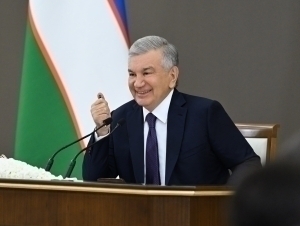
2019 йилдан буён мамлакатни бошқариб келаётган, 2022 йилда бир марталик етти йиллик муддатга президентликка сайланган Қосим-Жомарт Тўқаев 20 январь куни президент ҳузуридаги маслаҳатчи-консультатив орган – Миллий қурултой йиғилишини ўтказди ва бу йил ташланадиган залворли сиёсий қадамлар муждасини берди.
Улардан энг биринчиси мамлакат парламентини яна бир палатали тизимга қайтариш ва уни Қурултой деб номлаш. Президентнинг фикрича, бу ислоҳот “супер-президентлик” тизимидан воз кечиб, парламентнинг ролини ошириш ва халқ олдидаги ҳисобдорлигини кучайтиришга қаратилган.
Янги парламентда 145 та мандат бўлиши керак. Президент гап сонда эмас, сифатда эканини уқтирди. Асосийси, парламентда ҳақиқий ватанпарварлар, малакали мутахассислар ўтириши керак.
Янги парламентда уч нафар раис ўринбосари бўлиши мумкин. Қўмиталар сони эса саккизтадан ошмаслиги керак. Конституциявий суд, Олий Аудиторлик палатаси ва Марказий сайлов комиссияси раиси фақат парламент розилиги билан тайинланиши таклиф этилмоқда. Депутатлар президент тақдимномасига биноан Олий суднинг барча судьяларини сайлаши таклиф қилинмоқда.
Депутатлар пропорционал тизим тамойили асосида сайланади. Яъни, парламентдаги ўринлар сони ҳар бир партия олган овозлар сонига мутаносиб бўлади. Қозоғистон халқи ассамблеяси учун квота бекор қилинади. Ёшлар, аёллар, ногиронлиги бўлган фуқаролар учун квоталар сақлаб қолинмоқда. Партиялар учун парламентга кириш тўсиғи беш фоизлигича қолмоқда. Янги парламентда депутатлар беш йиллик муддатга сайланади. Қонунларни қабул қилишнинг уч босқичли тартиби таклиф этилмоқда. Дастлаб депутатлар қонун лойиҳасини яхлитлигича маъқуллайди, сўнгра киритилган ўзгартиришларни тасдиқлаб ва, ниҳоят, қонунни қабул қилади.
Қозоғистон учун бир палатали парламент бегона эмас. Мустақилликнинг илк йилларида мамлакатда бир палатали орган – Олий Кенгаш (Олий Совет) фаолият юритган. 1993 йилги биринчи Конституцияга кўра, Қозоғистон парламент бошқарувидаги республика бўлиб, Олий Кенгаш ягона қонун чиқарувчи орган эди. 1995 йилги референдумда қабул қилинган янги Конституция билан мамлакатда икки палатали парламент (юқори палата — Сенат ва қуйи палата — Мажилис) тизими жорий этилган.
Давлат раҳбари Қозоғистон Республикасининг Биринчи Президенти Нурсултон Назарбоевдан мерос бўлиб қолган Қозоғистон Халқ Ассамблеясини тугатиб, унинг ўрнига янги платформа тузишни ҳам таклиф қилди. У умуммиллий мулоқотни ўтказиш учун платформа сифатида Қозоғистон Халқ кенгашини ташкил этиш ташаббуси билан чиқди.
“Ислоҳотларнинг янги босқичида Қозоғистонга ижтимоий тараққиётнинг барча масалалари бўйича умуммиллий мулоқотни мунтазам ўтказиш учун кенг платформа ёки минбар зарур. Ушбу платформа халқимизнинг бирдамлиги ва жипслигига ҳисса қўшадиган асосий ижтимоий-сиёсий бирлашмалар ва тузилмаларни ўз ичига олади”, дейди Тўқаев.
Халқ кенгаши ўз моҳиятига кўра, бошқа мамлакатларнинг маслаҳат тузилмалари тажрибасини ўзида мужассам этган янги давлат органига айланади. Унда барча элатлар, аҳоли гуруҳлари ва ҳудудлар ўз вакилларига эга бўлади. Қозоғистон Халқ кенгаши мамлакатнинг олий маслаҳат органи мақомини олади. Кенгаш таркибини 126 кишидан шакллантириш таклиф этилди. Барча аъзолар Президент томонидан тайинланади, раис эса унинг аъзолари томонидан сайланади.
“Шу билан бирга, янги орган ички сиёсатни такомиллаштириш бўйича таклифлар ишлаб чиқишга ҳам эътибор қаратади, давлат мафкураси, шунингдек, конституция ва давлатимизнинг бошқа муҳим ҳужжатлари қоидаларини тарғиб қилиш ва тушунтириш билан шуғулланади”, дея аниқлик киритди Қозоғистон Президенти.
Қозоғистон Халқ Ассамблеяси 1995 йилда Биринчи Президент Нурсултон Назарбоев ташаббуси билан мамлакатдаги турли этник гуруҳлар ўртасидаги тотувлик ва барқарорликни таъминлаш мақсадида ташкил этилган. 2021 йилнинг апрелигача Ассамблеяга Нурсултон Назарбоевнинг ўзи раҳбарлик қилиб келган ва бу лавозим унга умрбод берилган эди.
2021 йил 29 апрелда Нурсултон Назарбоев Ассамблея раиси ваколатларини амалдаги Президент Қосим-Жомарт Тўқаевга топширишга қарор қилди. Ассамблея аъзоларининг умумий таклифига биноан, Назарбоевга фахрий раис мақоми берилди.
2022 йилда содир бўлган “қонли январь” фожиаларидан сўнг Назарбоевнинг мамлакат сиёсатидаги таъсири кескин камайди. Парламент қарори билан у Халқ Ассамблеяси ва Хавфсизлик кенгаши раиси ўлароқ умрбод ваколатларидан маҳрум этилди. 2022 йилдаги конституциявий референдум эса уни Элбоши мақомидан ҳам маҳрум қилди.
Куталётган яна бир йирик ўзгаришлардан бири эса мамлакатда вице-президент лавозимининг тикланиши. Ҳа, тўғри эшитдингиз, айнан тикланиши. Кўпчилик билади, унутганлар эслайди, билмайдиганларни хабардор қиламиз – Қозоғистонда мустақилликнинг илк йилларида, тўғрироғи 1991 йилдан 1996 йилгача вице-президент лавозими бўлган. Лавозим 1995 йилги Конституциявий ислоҳотлардан сўнг 1996 йил 22 февралда Нурсултон Назарбоевнинг фармони билан расман бекор қилинган эди. Қозоғистон тарихидаги биринчи ва ягона вице-президент Ерик Асанбаев бўлган.
“Бекорга халқ орасида “ҳар нарсанинг ўз вақти бор” дейишмайди. Менимча, ана шу вақт етиб келди. Бугун Миллий қурултойнинг якуний мажлисида янги, муҳим таклиф билан чиқмоқчиман. Мен таклиф этаётган бу янгилик бир неча йил давомида изчил равишда шаклланиб келаётган бутун сиёсий конструкцияни мантиқан якунлаб беради.
Гап Қозоғистон Республикаси вице-президенти институтини таъсис этиш ва уни Конституцияда тегишли тарзда мустаҳкамлаш ҳақида бормоқда. Вице-президентни парламент розилиги билан кўпчиликнинг овози орқали президент тайинлайди. Унинг ваколатлари доирасини эса давлат раҳбарининг ўзи белгилайди”, дейди Тўқаев.
Вице-президент лавозими ташкил этилиши орқали, амалдаги парламент фаолиятини таъминлаб келаётган айрим аппарат тузилмалари, шунингдек, давлат маслаҳатчиси лавозими ҳам тугатилиши белгиланган.
Янги лавозим эгаси Қозоғистон Республикасининг халқаро форумлар ва хорижий давлатлар делегациялари билан музокаралардаги манфаатларини ифодалайди, президент манфаатларини парламентда тақдим этади, маҳаллий ва хорижий ижтимоий-сиёсий, илмий ҳамда маданий-маърифий ташкилотлар билан ҳамкорлик қилади ва президентнинг бошқа топшириқларини бажаради.
Тўқаевнинг айтишича, вице-президент лавозимининг жорий этилиши, бир палатали парламентга ўтиш билан боғлиқ ислоҳот президентнинг ролини сусайтирмайди – у давлат ҳокимияти тизимида ҳамон асосий куч бўлиб қолади.
Кутилганидек, оламшумуллиги айтилаётган бу ўзгаришларнинг ҳеч бири Конституцияни ўзгартирмай содир бўлмайди. Тўқаевнинг шикоят қилишича, Конституция матнида бир қатор ноаниқликлар ва хатолар мавжуд, улар ҳуқуқшунослар ва тилшунослар томонидан бартараф этилиши керак.
“Конституциямиз матнида айрим хатолар борлиги аниқланди. Ўз вақтида терминологик ва услубий ноаниқликларга йўл қўйилган. Конституциявий ислоҳот доирасида бу бўшлиқларни ҳам тўлдиришимиз керак. Бу ишларга нафақат ҳуқуқшунослар, балки тил соҳасидаги малакали мутахассислар ҳам жалб этилади”, дейди у.
Шу муносабат билан Президент Қозоғистонда конституциявий комиссия тузишни топширди, у мамлакатнинг асосий қонунига бўлажак ўзгаришлар – бир палатали парламентга ўтиш, вице-президент лавозимини жорий этишни тайёрлайди, шунингдек, унинг ёрдамида референдум санасини белгилайди.
Наҳотки, Тўқаев ва бошқалар, тилшунослар, сиёсатчилар, олимлар, экспертлар бунёд бўлганидан буён асосий қомусни олти марта ўзгартириш жараёнида ушбу хатоликларни аниқламаган. Ҳолбуки, Тўқаев даврида конституцияга ўзгартириш киритилганига кўп бўлмаган. Умуман олганда, Тўқаев даврида Қозоғистон Конституцияси 3 марта ўзгарди. Яъни, 2017 йил ва 2019 йилдаги ўзгаришлар унинг Сенат раиси лавозимида фаолият юритган даврига тўғри келади. 2022 йилдаги ўзгаришлар эса Тўқаев президентлигининг учинчи йили якуни ва Назарбоев оиласига қарши кенг кўламли ғижиниш билан боғлиқ.
Конституцион ўзгаришларни эслайлик. 1998 йилда – президент ва парламент депутатларининг ваколат муддатлари узайтирилди. 2007 йил – пропорционал сайлов тизимига ўтилди ва Биринчи Президентга чексиз марта сайланиш ҳуқуқи берилди. 2011 йил – муддатидан олдин президентлик сайловларини ўтказиш тартиби белгиланди. 2017 йил – айрим президентлик ваколатлари парламент ва ҳукуматга ўтказилди. 2019 йил – пойтахт номи Нур-Султон деб ўзгартирилиши муносабати билан тузатиш киритилди. 2022 йил – умумхалқ референдуми орқали Конституциянинг учдан бир қисми (33 та модда) ўзгартирилди. Президентлик муддати 7 йил – бир марталик этиб белгиланди
2022 йил 5 июнда ўтказилган умумхалқ референдуми натижасида Қозоғистон Конституциясидан Биринчи Президент Нурсултон Назарбоевнинг мақоми ва имтиёзлари билан боғлиқ барча бандлар чиқариб ташланди. Конституциянинг бир неча моддаларида учрайдиган Назарбоевнинг Элбоши сифатидаги алоҳида мақоми ва дахлсизлиги ҳақидаги қоидалар бекор қилинди.
Биринчи Президентга нисбатан қўлланилган “кетма-кет икки мартадан ортиқ сайланиш тақиқи тааллуқли эмаслиги” ҳақидаги имтиёз (42-модданинг 5-банди) олиб ташланди. 91-моддадан Биринчи Президентни мустақил Қозоғистон асосчиси ва унинг асосий тамойилларининг ўзгармаслиги кафолати сифатида белгиловчи жумлалар чиқарилди.
Назарбоев ва унинг оила аъзоларининг жиноий жавобгарликдан умрбод дахлсизлиги ҳамда Хавфсизлик Кенгаши ва Қозоғистон Халқи Ассамблеясига умрбод раислик қилиш ҳуқуқи Конституциядан олиб ташланди. Ушбу ўзгаришлар натижасида “Биринчи Президент — Элбоши тўғрисида”ги алоҳида конституциявий қонун ҳам ўз кучини йўқотди.
Конституция янгилангач, 2022 йилнинг 20 ноябрь куни навбатдан ташқари бўлиб ўтган Қозоғистон Президенти сайловида 2019 йилдан буён мамлакат бошида турган Қосим-Жомарт Тўқаев 81,31 фоиз овоз тўплади.
Бунгача Қосим-Жомарт Тўқаев Конституцияга мувофиқ 7 йилдан ортиқ президент лавозимини эгалламаслиги, конституцион ўзгаришларга содиқ қолишини бир неча бор таъкидлаган. Сўнгги бор у 2025 йилнинг “Al Jazeera” телеканалига берган интервьюсида мазкур масалага тўхталиб, шундай деган эди:
“2029 йилда мен истеъфога чиқишимни аллақачон эълон қилганман. Чунки бу халқимнинг ва шахсий талабим. Президент Худонинг элчиси эмас. У ўз халқи томонидан сайланган давлат бошқарувчиси. Бизда эса бор-йўғи етти йилга”, деган давлат раҳбари.
2026 йилда кутилаётган Конституцион ўзгаришдан кейин унинг президентликдаги муддати ноллашиши қонунан чекланган, лекин ҳозирча бир нарса дейиш қийин.
Конституциянинг 42-моддасига биноан, Қозоғистон Президенти фақат бир марта 7 йиллик муддатга сайланиши мумкин. Қайта сайланиш қатъиян тақиқланган. Конституциянинг 91-моддасига киритилган қўшимчага кўра, президентлик муддати (7 йил) ва бир марталик чеклов ҳақидаги қоидалар ҳеч қачон ўзгартирилмайдиган (мутлақ) нормалар сифатида белгиланган. Ҳатто, келгуси конституциявий ислоҳотлар ёки референдумлар орқали ҳам бу бандни ўзгартириш тақиқланади.
Амалдаги қонунчиликка кўра, 2026 йилда ҳеч қандай “ноллашиш” содир бўлмайди, деб ишонилади. Қосим-Жомарт Тўқаевнинг жорий президентлик муддати 2029 йилда тугайди ва у амалдаги Конституцияга кўра қайта сайланиш ҳуқуқига эга эмас. 2026 йилда конституциявий ўзгаришлар юз берган тақдирда ҳам, президентлик муддатига оид чекловлар дахлсиз қолдирилиши қонун билан кафолатланган.
Хўш, сиз нима дейсиз? Кутилаётган ислоҳотлар Қозоғистонда нимани ўзгартиради? Тўқаев конституцион ўзгаришлар билан ваколат муддатини ноллаштириши мумкинми?

Live
All