Қочишми ёки қувғун?
Review
−
17 February 21056 7 minutes
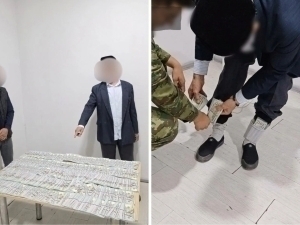
Жапаров Ташиевни сургун қилдими? Бугун мана шу саволга “актуал” деган таърифни беришимиз мумкин. Чунки, Қирғизистон Миллий хавфсизлик давлат қўмитасининг собиқ раҳбари Қамчибек Ташиев “Манас” аэропортида бир нечта ўзига яқин шахслар билан “қуюққина” хайрлашгани акс этган видеолар тарқалди. Бу тасвирларни унинг яқин ҳамкори Ўткирбек Раҳмонов бугун, 17 февраль тонгида эълон қилди. Аммо, кузатиш маросими айнан қайси куни бўлганига аниқлик киритмаган. Унинг ёзишича, Ташиев мамлакатни вақтинча тарк этган. Собиқ раҳбарнинг айнан қайси мамлакатга ва нима мақсадда кетаётгани бўйича ҳам маълумот тақдим этилмаган. Тасдиқланмаган хабарларга кўра, у Германияга жўнаб кетган бўлиши мумкин. Хўш, бу даволаниш ёки дам олиш учун танаффусми ё сиёсий сургун?
Агар Қирғизистон Президенти Садир Жапаровнинг жорий йил, 16 февраль куни “Кабар” нашрига берган интервьюсига таянадиган бўлсак, Қамчибек Ташиев истеъфосидан кейин энди умуман давлат хизматига қайтмайди. Президентнинг айтишича, Ташиев билан дўстона муносабатлар сақланиб қолади, бироқ унга қайсидир лавозим ишониб топширилмайди. Бунга сабаб айнан нима деган савол ҳам, жавоб ҳам берилмаган бу интервьюда.
Бироқ, Жапаров “сиёсий силкиниш” келтириб чиқарган истеъфодан сўнг шахсан дўсти ва узоқ йиллик ҳамкори билан учрашганини маълум қилди. Давлат раҳбарининг айтишича, улар барчаси ҳақида юзма-юз гаплашиб олган. Унинг таъкидлашича, Ташиев ҳозир дам олиши ва соғлиғига эътибор қаратиши керак. Мана шу жойда воқеалар хроникасидан хабардор ҳар қандай одамда савол пайдо бўлади. Бу юзма-юз муҳокамалар бўлиб ўтгани қанчалик ҳақиқат? Чунки, Ташиев ишдан олинганидан кейин баёнот бериб, бу қарор ўзи учун кутилмаган бўлгани, у пайтда Германияда даволаниб ётганини айтганди. Ҳатто, хайрлашиш учун имкон берилмаганидан хафа бўлганини ҳам яшириб ўтирмаган.
Бироқ, кейинчалик Жапаров ўзи учун оғир бўлган қарорни қабул қилишидан аввал дўстига қўнғироқ қилгани, вазиятни тушунтиргани, уни ҳимоя қилмоқчи бўлаётганини айтиб, огоҳлантирганини иддао қилганди. Ҳа, кимга ишонишни ҳам билмай қолиш ҳисси жуда ёмон.
Айнан мана шундай сансалорликлар фонида истеъфо аслида режалаштирилгани, ҳаммаси икки дўстнинг ўзаро келишуви асосидаги “спектакль”нинг бир қисми эканини айтувчи фикр эгалари ҳам пайдо бўлди. Бундай “ўйинлар” сиёсат оламидаги такрорланувчи элемент эканини ҳисобга олиб, бу фикрга қатъий ишонишни бошлаганлар ҳам бор.
Президент Садир Жапаров бўлса, кадрлар бўйича қарорлар мустақил равишда қабул қилинганини, бунда ҳеч қандай келишув ёки ташқи босим бўлмаганини айтди. Давлат раҳбарининг таъкидлашича, ҳуқуқни муҳофаза қилиш тизимидаги ишлар одатдагидек давом этади. Жапаров мамлакатда тўнтариш ёки муддатидан олдин сайловлар ўтказилиши эҳтимолини ҳам рад этган. Унинг сўзларига кўра, ҳозир беқарорлик учун ҳеч қандай асос йўқ. Президент мамлакатни “куч билан эмас, ақл билан” бошқариш кераклигини ҳам таъкидлаган. Шунингдек, у давлат идоралари фаолиятини шахсан назорат қилаётганини ва барча ислоҳотлар қонун доирасида давом этишини билдирган.
Қолаверса, Садир Жапаров минтақавий бўлиниш, муддатидан олдин бўладиган сайловлар, жиноятчилик ва коррупцияга қарши кураш бўйича саволларга ҳам жавоб берган. Давлат раҳбари мамлакат шимол ва жанубга бўлиниши мумкинлиги ҳақидаги миш-мишларни қатъиян рад этган. Унинг айтишича, аввал бундай бўлинишлардан айрим сиёсатчилар ҳокимият учун курашда фойдаланган, оддий фуқаролар эса восита бўлиб хизмат қилган.
“Мен ҳеч қачон шимол ва жануб бўлинишига йўл қўймайман. Бундай бўлинишлар сиёсатчиларга зарур бўлган вақтда пайдо бўлади”, деган Президент.
Жапаровнинг айтишича, 2021 йилдан бери давлат идораларида кенг кўламли кадрлар ротацияси олиб борилмоқда. Ҳокимлар ва судьялар тўлиқ ротациядан ўтган: жанубдан бўлган раҳбарлар шимолда, шимолдан бўлганлар эса жанубда ишламоқда. Бу жараён барча давлат идораларини қамраб олган. Президентнинг сўзларига кўра, ротация келгусида қишлоқлар даражасигача етказилади. У тендерлар, ер ва бошқа ресурслар кўпинча раҳбарларнинг қариндошлари ёки яқинларига берилаётганини таъкидлаб, бундай ҳолатларга барҳам берилишини билдирган.
Тоғ иккига ажратган мамлакат
Қирғизистон сиёсатидаги “Шимол-Жануб” масаласи – бу шунчаки географик тушунча эмас, балки мамлакатнинг ўтган 30 йиллик тарихини белгилаб берган энг оғриқли ва нозик нуқтадир. Садир Жапаровнинг бу масалага бунчалик урғу бераётганининг сабабларини тушуниш учун ушбу “кўринмас девор”нинг моҳиятига чуқурроқ назар ташлаш керак.
Қирғизистоннинг ўртасидан баланд Тян-Шань тоғ тизмалари кесиб ўтади. Бу табиий тўсиқ шимол ва жанубни бир-биридан ажратиб туради: Шимолда Чуй, Иссиқкўл, Талас, Норин вилоятлари жойлашган бўлиб, улар бошқачароқ айтганда, тарихан Россия таъсирига кўпроқ яқин бўлган, урбанизациялашган ва саноатлашган ҳудудлардир. Жанубда эса Ўш, Жалолобод, Боткен каби Фарғона водийси билан туташ, анъаналарга содиқ, қишлоқ хўжалиги ривожланган ва аҳоли зич жойлашган ҳудудлар назарда тутилади.
Мустақилликдан буён Қирғизистонда ҳокимият алмашинуви кўпинча минтақавий мувозанатга таяниб келган. Агар президент шимолдан бўлса, у жанубий элиталар билан келишишга мажбур бўлган, акс ҳолда бу норозиликларга олиб келган. Масалан, шимолдан сайланган президент Асқар Акаевнинг кетишига жанубий элиталар фаол бўлган 2005 йилги “Лола” инқилоби сабаб эди. Қурманбек Бакиевни “учирган” 2010 йилги норозиликни эса шимолий фуқаролар қўзғаган.
Жапаров ва Ташиев тандеми эса Шимол ва Жанубнинг иттифоқи эди. Иссиқкўлдан бўлган Садир Жапаров ҳамда жалолободлик Қамчибек Ташиев иттифоқи Қирғизистон тарихида камдан кам учрайдиган “идеал мувозанат” сифатида кўрилган эди. Жапаров шимолий сайловчиларни ушлаб турган бўлса, Ташиев жанубнинг “ботири” сифатида таянч бўлиб келди. Ҳозирги кунда Ташиевнинг лавозимидан кетиши ва мамлакатдан чиқиб кетиши – ушбу мувозанатнинг бузилиши сифатида талқин қилинмоқда. Жапаровнинг “Шимол-жануб бўлинишига йўл қўймайман” деб такрорлаётгани ҳам айнан шу хавотирни босишга қаратилган.
Жапаров минтақавий бўлинишни “сиёсатчилар ўйини” деб аташ орқали, ҳар қандай норозилик тўлқинини “ватанпарварликка зид” деб эълон қилмоқда. Агар у ҳақиқатда шимол ва жануб ўртасидаги фарқни йўқота олса, бу Қирғизистон учун тарихий бурилиш бўлади. Бироқ, Ташиев каби қудратли фигуранинг четга сурилиши жанубий элиталар орасида қандай акс-садо бериши ҳозирча энг катта таваккал бўлиб қолмоқда.
Жапаровнинг ҳаракатлари гарчи адолатли тизим яратиш чақириғи остида изоҳланаётган бўлса-да, аслида бу “тозалаши” Ташиев тарафдорларини лавозимдан айириб, қудратини камайтиришга қаратилган ишлар эканини кўпчилик таъкидламоқда.
Прокуратурадаги “тозалаш”
Масалан, жорий йил, 14 февраль куни Қирғизистон Транспорт прокуратураси бошлиғи лавозимида ишлаган, Ташиевнинг жияни – Нурғози Матисоқов эгаллаб турган лавозимидан озод этилди. Қайд этиш жоиз, у бунгача прокуратура органларида бир қатор лавозимларда ишлаган, жумладан, Чуй вилоятининг Ўзган, Жайил ва Иссиқота туманларида прокурор бўлган. Умуман олганда, Қирғизистон Бош прокуратурасида ҳам жиддий кадрлар алмашинуви юз берди. Бу ҳақда мамлакат Президенти Садир Жапаровнинг матбуот хизмати хабар берди.
Боймирза Маатов Қирғизистон Республикаси Бош прокурорининг биринчи ўринбосари лавозимидан озод этилди. У мазкур лавозимда 2024 йилдан буён ишлаб келаётган эди. Унинг ўрнига Садир Жапаровнинг фармони билан Малик Бектурғанов тайинланган. У бунгача Ўш шаҳри прокурори лавозимида фаолият юритган ва прокуратура органларида катта иш тажрибасига эга. Шунингдек, давлат раҳбарининг фармони билан Залкарбек Ақназаров Қирғизистон Республикаси Бош прокурори ўринбосари этиб тайинланган.
Жорий йилнинг 10 февраль куни Қирғизистон Миллий хавфсизлик давлат қўмитаси раиси – Бош вазир ўринбосари Қамчибек Ташиев Президент Садир Жапаровнинг фармони билан лавозимидан озод этилиши ҳали кўплаб муҳокамалар ва ҳатто жиддий воқеаларга ҳам сабаб бўлиши мумкин. Ва бу жараёнларни QALAMPIR.UZ тўлиқ ёритиб боради. Чунки, ҳар бир ҳодиса Ўзбекистонга ҳам бевосита таъсирини ўтказиш эҳтимоли бор. “Қўшнинг тинч – сен тинч” ибораси бежиз айтилмаган ҳарҳолда.
Дўстликдан рақобатга айланган муносабатлар ва Ташиевнинг кетиши билан боғлиқ воқеалар хроникасини “Бир қозонда қайнамаган икки қўчқор калласи” сарлавҳаси остида эълон қилинган таҳлил орқали томоша қилишингиз мумкин!
Live
All