Триллионернинг қулаши, Британиядаги инқироз ва Германиянинг “қариялар режаси” — Weekend
Review
−
28 June 5015 17 minutes
Тўлиқ келишиб олиш учун, 60 кунлик муддат. Эшитилиши чиройли, аммо минтақадаги ҳақиқий вазият ҳали-бери мутлақ тинчлик ўрнатилишини кутиш хато эканлигини кўрсатмоқда. Олдинроқ таҳмин қилганимиздек, Ҳормуз яна можаронинг марказига айланди. Эрон бўғоздаги ўз назоратини сақлаб қолмоқчи. Аммо АҚШ бунга жимгина қараб турмоқчи эмас.
Тўлиқ келишиб олиш учун, 60 кунлик муддат. Чиройли эшитилиши мумкин, аммо Яқин Шарқда ҳалигача ҳеч ким унга тўлиқ ишонмаяпти. АҚШ ва Эрон музокара столини турли хил кайфиятда тарк этди, Теҳрон Вашингтонга ишониб бўлмаслигини билиб турибди, Оқ уй эса бўйин эггиси йўқ. Ҳаммаси яхши бўлишига ишонган бўлардик, агар Исроил ҳам тинчлик ўрнатилишини истаганда. Бу қисқа танаффус дунёга нималарни ваъда қилмоқда?
Британия сиёсати яна бир бор ўзининг етакчисисиз қолмоқда. Кир Стармер сайланганидан бор йўғи икки йил ўтиб, муддатидан олдин истеъфога чиқмоқда. Сўнгги ўн йилликда раҳбарларини ҳайдаш бўйича антирекорд ўрнатган Буюк Британия жамияти аслида нимани хоҳлайди? Муаммо номзодлардами ёки тизимда?
Шарқий Европада Руминия парламенти Молдова билан бирлашиш ҳақидаги қонун лойиҳасини маъқуллади. Ҳа, ҳали бу қарор тўла тасдиқланмади, аммо бир давлатнинг бошқа давлатга қўшилишидек аномал сиёсий қадам ортида арзирли сабаб бўлиши керак. Хўш, Молдова нима хоҳлайди? Руминия-чи? Бу бирлашувга Украинадаги урушнинг қандай алоқаси бор?
Венесуэлада 39 сония ичида иккита зилзила минглаб инсонни бошпанасиз қолдирди, юзлаб одамлар ҳалок бўлди. Ҳали вайроналар остида мурдалар кўп. Ушбу бир неча сониялик апокалипсиснинг бугунгача бўлган тафсилотлари ва бошқа ҳафтанинг муҳим воқеалари ҳақида Qalampir.uz’нинг навбатдаги дайжестида гаплашамиз.
60 кунлик танаффус
АҚШ ва Эрон 60 кунлик танаффусга келишиб олди. Жорий йилнинг 21-22 июнь куни Швейцариянинг Люсерн шаҳри яқинидаги тоғли Бюргеншток курортида бўлиб ўтган музокараларда асосий эътибор аввалроқ Эрон томонидан ишлаб чиқилган Англашув меморандуми доирасидаги масалаларга қаратилди. Хусусан, Яқин Шарқдаги ҳарбий кескинликни пасайтириш, Ҳормуз бўғозида халқаро савдо кемалари хавфсизлигини таъминлаш, Исроил ва “Ҳизбуллоҳ” ўртасидаги тўқнашувларни жиловлаш ҳамда Эрон ядровий дастурига оид баҳсли масалалар муҳокама қилинди.
Тадбирда Эрон томонидан Ташқи ишлар вазири Аббос Ароқчи, Эрон парламенти спикери Муҳаммад Боқир Ғолибоф ҳамда банк ва саноат соҳаси расмийлари иштирок этди. АҚШ делегацияси эса, АҚШ Вице-президенти Жей Ди Вэнс, АҚШнинг Махсус вакили Стив Уиткофф ва АҚШ Президенти Дональд Трампнинг куёви ва Яқин Шарқ масалалари бўйича собиқ маслаҳатчи Жаред Кушнердан иборат эди. Бундан ташқари воситачи давлатлар раҳбарлари Покистон Бош вазири Шаҳбоз Шариф ва Қатар Ташқи ишлар вазирлиги расмийлари ҳамда махсус вакиллари қатнашди.
Бироқ ташкил этилган музокаралар бутунлай “силлиқ” кечгани йўқ. АҚШ Президенти Дональд Трампнинг Эронга нисбатан кескин баёнотлар билан чиқиши вазиятни мураккаблаштирди. Теҳрон делегацияси мазкур баёнотларни ортиқча босим ва таҳдид сифатида баҳолаб, норозилик белгиси сифатида музокара столини тарк этган.
“Улар таҳдидларининг самарали бўлганида, бугунги даражадаги умидсизликка тушиб қолмаслигини тушунмаяптими? Биз америкаликларнинг таҳдидларини жиддий қабул қилмаймиз”, деди Ғолибоф.
Шунга қарамай, воситачиларнинг сай ҳаракатлари дипломатик алоқаларни сақлаб қолди. Музокаралар қайта тикланди ва якунда томонлар кескинликни бошқариш бўйича муҳим сиёсий келишувга эришди. 60 кун ичида якуний ҳужжат ишлаб чиқишга хизмат қилувчи йўл харитаси тасдиқланди. Унга кўра, келгуси икки ой давомида сиёсий ва техник даражадаги музокаралар узлуксиз давом эттирилади.
Бунинг учун алоҳида юқори даражадаги қўмита ташкил этилди. АҚШ Давлат котиби Марко Рубионинг маълум қилишича, техник экспертлар иштирокидаги навбатдаги учрашув июнь ойи охирида яна Швейцарияда ўтказилиши режалаштирилган. Мазкур босқичда ядровий дастур бўйича техник тафсилотлар, санкциялар, хавфсизлик кафолатлари ва минтақавий барқарорлик масалалари юзасидан аниқ механизмлар ишлаб чиқилиши кутилмоқда.
Музокаралар ортидан Вашингтон ҳам баъзи шартларни қабул қилишга мажбур бўлди. АҚШ Эрон иқтисодиётига нисбатан қўлланаётган айрим санкцияларни вақтинча юмшатишга қарор қилди. Бироқ бу санкциялар тўлиқ бекор қилинганини англатмайди, яъни Эрон ҳам келгусида ён бермаса Оқ уй ниятидан қайтиб қолиши мумкин.
Теҳрон эса музокаралар давом этаётганига қарамай, кескин риторикасидан воз кечгани йўқ. Мамлакатнинг юқори мартабали вакиллари Эрон халқи АҚШ ва Исроилнинг ҳарбий ҳаракатларини унутмаслигини, сўнгги воқеалар “кечирилмаслигини” таъкидлаб, уруш ҳали тўлиқ якунланмаганини билдирди. Аслида бундай ишончсизлик ва совуққон муносабатга етарлича сабаб бор. Теҳрон бу урушда кўп нарсани йўқотди. Буни устига, музокара столида урушнинг асосий сабабчиларидан бири Исроил вакиллари йўқ экан, АҚШнинг қуруқ ваъдаларига ишониб бўлмаслигини Эрон яхши билади.
Бундан ташқари ҳали ҳал этилмаган ядро дастури масаласи, Ҳормузни назорат қилиш муаммоси ва Исроилнинг келишувларда иштирок этмаслиги 60 кундан сўнг бу низоларни бутунлай тугашига шубҳа уйғотмоқда. Ҳар ҳолда Исроил ҳукумати раҳбари Беньямин Нетаньяҳу тинчлик ўрнатилишига рози эмаслиги яққол сезилиб турибди. Катта Исроил ғояси бор экан, Яқин Шарқда тинчлик ўрнатилишини кутиш ўринсиз.
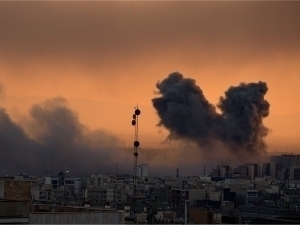
Орадан бир ҳафта ҳам ўтмасдан таҳминларимиз ўз тасдиғини топди. Вашингтон кўп куттирмади, бугун 27 июнь куни АҚШ Қуролли Кучлари Эрон ракеталари ва дронлар сақланадиган жойларга, шунингдек, соҳил бўйи радарларига ҳужум уюштирди. Пентагоннинг хабар беришича ушбу ҳарбий ҳаракатга Сингапур байроғи остида Ҳормуз бўғози орқали сузиб кетаётган савдо кемасига қилинган дрон ҳужуми сабаб бўлган. Маълумотларга кўра, Тайванда жойлашган “Evergreen Marine” компаниясига тегишли Сингапур байроғи остидаги кемага 4 та дрон ҳужум қилган. Улардан 3 таси уриб туширилган, биттаси кемага келиб урилган. Экипаж аъзоларидан ҳеч бири жабрланмаган ва кема ўз саёҳатини давом эттиришга муваффақ бўлган.
“Биз яна 3 та дронни уриб туширдик. Бу ўт очишни тўхтатиш бўйича келишувимизнинг очиқчасига ва аҳмоқона бузилишидир”, дейди АҚШ Президенти.
Аслида бу ҳужумлар ким томонидан ва нима сабабдан уюштирилди ҳалигача номаълум. Ахир, сулҳ шартларидан фойда кўриб турган Теҳрон шунчаки қайсидир кемага ҳужум қилмаса керак. Бу ерда тинчлик ўрнатилишини хоҳламайдиган бошқа кучларнинг қўли бордек кўринмоқда. Аммо бизнинг вазифамиз, айбдор кимлигини аниқлаш эмас. Хулоса ўзингиздан.
Олдинда турган 60 кунлик муддат ичида томонлар ўзаро ишончни тиклай оладими, ядровий дастур бўйича муросага эришадими ва минтақадаги ҳарбий кескинликни камайтирадиган механизмларни ишлаб чиқадими, ҳали номаълум.
Илон Маск триллионер мақомини йўқотди
Энди ер шарининг ҳам триллионери бор. Дунё миллиардерлари рейтингида йиллар давомида етакчилик қилиб келаётган Илон Маск 2026 йилнинг июнь ойида тарихий маррани забт этди. У дунёда бойлиги расман 1 триллион доллардан ошган илк инсон сифатида тарихга кирди. Бироқ Маск бу чўққида кўп ўтира олмади, орадан кўп ўтмай АҚШ фонд бозоридаги пасайиш ва технологик компаниялар акцияларининг кескин қадрсизланиши оқибатида Маскнинг бойлиги яна триллион долларлик чегарадан пастга тушди.
Илон Маскнинг тарихий натижага эришишида асосий омил у асос солган SpaceX компаниясининг фонд бозорига чиқиши бўлди. 12 июнь куни компаниянинг Nasdaq биржасидаги IPO жараёни инвесторлар кутганидан ҳам муваффақиятли кечди. Савдоларнинг илк кунларидаёқ SpaceX’нинг бозор капиталлашуви қарийб 1,77 триллион долларга етди. Компаниянинг қарийб 41 фоиз улушига эгалик қилувчи Маскнинг шахсий бойлиги ҳам кескин ошиб, 1,11 триллион доллардан юқорига кўтарилди.
SpaceX қийматининг рекорд даражага чиқишида компаниянинг сўнгги йиллардаги муваффақиятлари муҳим роль ўйнади. Starlink сунъий йўлдош интернет тармоғининг глобал кенгайиши, Starship дастурининг тижорат босқичига яқинлашаётгани ҳамда NASA ва Пентагон билан тузилган йирик шартномалар инвесторлар ишончини сезиларли даражада ошира олди. Натижада компания дунёнинг энг қиммат хусусий технологик корхоналаридан бирига айланди.
Бироқ молия бозорлари рекордларни қанчалик тез яратса, уларни шунчалик тез йўққа ҳам чиқариши мумкин. АҚШ технологик сектори акцияларидаги умумий пасайиш SpaceX ва Tesla қимматли қоғозларига ҳам салбий таъсир кўрсатди. Инвесторларнинг фойда олиш мақсадида акцияларни оммавий сотиши фонида SpaceX акцияларининг қиймати 30 фоиздан ортиқ пасайди. Tesla акцияларидаги арзонлашув эса Маскнинг “триллионер” мақомидан маҳрум қилди.
Аммо Илон Маск ҳануз ўйинда. Сўнгги ҳисоб-китобларга кўра, унинг бойлиги қарийб 950 миллиард доллар атрофида баҳоланмоқда. Ҳануз у Ер шарининг энг бой инсони ва ўзининг энг яқин таъқибчиларидан ҳам юзлаб миллиард долларга олдинда.
Стармер истеъфога чиқди
Буюк Британияда навбатдаги сиёсий инқироз. 2024-йилги парламент сайловларида Лейбористлар партиясини тарихий ғалабага олиб чиққан ва консерваторларнинг 14 йиллик ҳукмронлигига якун ясаган Бош вазир Кир Стармер лавозимини тарк этишини эълон қилди. Ҳали ваколати тугамасдан, лавозимга келганига икки йил ҳам бўлмасдан навбатдаги истеъфо муаммо номзодларда эмас, тизимда эканлигини яна бир бор исботлади.
Стармер 22 июнь куни Даунинг-стритдаги қароргоҳи олдида қилган мурожаатида истеъфо қарорини мамлакат ва партия манфаатлари йўлида қабул қилганини билдирди.
“Мен сайлов тугагунига қадар Бош вазир лавозимида қоламан. Ва ҳокимиятнинг тартибли равишда топширилишини таъминлаш учун қўлимдан келган барча ишни қиламан”, деди у.
Аслида Стармернинг истеъфоси кутилмаган воқеа эмас. Сўнгги ойлар давомида унинг ҳукуматига нисбатан норозилиги тобора кучайиб борди. Лейбористлар партияси маҳаллий сайловларда кетма-кет оғир мағлубиятларга учради. Партия Англияда мингдан ортиқ маҳаллий кенгаш ўринларини йўқотди, Шотландиядаги натижалари тарихдаги энг ёмон кўрсаткичлардан бирига айланди, Уэльс парламенти устидан назоратни ҳам бой берди. Бу натижалар партия ичида Стармер энди навбатдаги умумий сайловларда ғалаба қозона олмаслиги ҳақидаги хавотирларни кучайтирди.
Сиёсий босимни кучайтирган яна бир омил – Лейбористлар сафида муқобил лидернинг пайдо бўлиши бўлди. Манчестернинг собиқ мери Энди Бернҳам қўшимча сайловда парламентга қайтгач, кўплаб депутатлар айнан уни партиянинг янги раҳбари сифатида кўра бошлади. Вазирлар Маҳкамасининг айрим аъзолари ҳам Стармерга истеъфо муддатини эълон қилиш зарурлигини очиқ айта бошлади. Тўрт кичик вазир аллақачон лавозимини ташлаб кетди. Партия ичидаги бу босим охир-оқибат Бош вазирни лавозимини тарк этиш қарорини қабул қилишга мажбур қилди.
Аммо асл муаммо бутунлай бошқа. Британия сиёсатини ўрганувчи олим Бен Уорди бу ҳолатни уч омил билан изоҳлайди: муваффақиятсизлик, депутатлар билан муносабатнинг ёмонлашуви ва сиёсий майдоннинг парчаланиши. Унинг фикрича Лейбористлар партиясининг ўзида кўплаб депутатлар Стармернинг сиёсатига ишончсизлик билан қарайди, унинг дастури яхшироқ бўлгани учун эмас, Сунак маъмуриятидан норозилар кўп бўлгани учун ғалаба унга насиб этганига ишонадиганлар ҳам бисёр.
Стармернинг истеъфоси Буюк Британиядаги сўнгги ўн йиллик сиёсий беқарорликнинг навбатдаги кўриниши сифатида баҳоланмоқда. 2016 йилдан буён мамлакатда кетма-кет бир неча Бош вазир алмашди ва уларнинг аксарияти муддатини тўлиқ якунлай олмади. Бу эса Брехитдан кейинги сиёсий тизим ҳали ҳам барқарор мувозанатга эриша олмаётганининг белгисидир.
Лондон осмонида аждарҳо кўриниш берди
Лондондан узоқлашмаймиз, 22 июнь куни шаҳар осмони бўйлаб аждаҳо парвоз қилди. Бу ҳолат тасвирланган видеолар интернетда кўплаб муҳокамаларга сабаб бўлди. Дастлаб кўпчилик буни сунъий интеллект ёрдамида яратилган видео ёки компьютер графикаси деб ўйлади. Аммо кейинчалик маълум бўлдики, бу HBO компаниясининг “Аждар хонадони” сериалининг учинчи мавсуми чиқиши арафасида лойиҳа ижодкорлари томонидан яратилган ноодатий реклама компанияси экан. Лойиҳа муаллифлари сериалдаги асосий аждаҳолардан бири – Сиракснинг улкан нусхасини яратиб, уни Лондон минораси узра парвоз қилдирган ва шу тариқа миллионлаб инсонларни сериалга қизиқишини оширган.
Германиянинг “Airstage” авиация мутахассислари томонидан яратилган ушбу аждаҳо, маълумотларга кўра, қанотлари ёйилганда 8 метрни ташкил этади, умумий вазни эса 13 кг бўлган, ҳамда соатига 35 километргача тезликда уча олади. Қурилма углерод толаси (карбон) ҳамда алюминийдан ишланган скелет ва вакуум ёрдамида шакллантирилган “Депрон” кўпиги ёрдамида қўлда ишланган майда деталлардан фойдаланилган ҳолда уч ой давомида ясалган.
Маълум қилинишича, улкан механик Сиракс модели Темза дарёси устида олдиндан режалаштирилган учта парвозни амалга оширган. У Лондон Тауэр қалъаси атрофида айланиб учган, сўнгра қалъа ҳудуди томон пастлаб келиб, махсус оловли шоу ҳам тақдим этган.
Ташкилотчилар парвоздан сўнг Лондон минорасида махсус тадбир ҳам ўтказди. Унда сериал актёрлари, оммавий ахборот воситалари вакиллари ва мухлислар иштирок этган. Тадбир давомида учинчи мавсум ҳақида янги тафсилотлар тақдим этилди ҳамда томошабинлар учун махсус учрашув ташкил қилинди.
Интернетда бу видеолар вирус каби тарқалиб кетди. Баъзи интернет фойдаланувчилари аждаҳонинг ҳақиқий эканига ишонмаганини ёзган бўлса-да, кўплаб кино ихлосмандлари уни сўнгги йилларда кино индустриясида ўтказилган энг муваффақиятли реклама кампанияларидан бири деб баҳоламоқда.
Шу тариқа, Лондон осмонида бир неча дақиқа давом этган аждаҳо парвози оддий шоу эмас, балки бутун дунё эътиборини ўзига қаратган, пухта ўйланган маркетинг кампаниясига айланди.
39 сониялик апоколипсис
Баъзан бир неча йиллик урушлар келтирган талафотларни табиий офатлар бир неча сонияларда келтириши мумкин. Венесуэла сўнгги ўн йилликлардаги энг йирик табиий офатлардан бирини бошидан кечирмоқда. Мамлакат шимолида юз берган кетма-кет кучли зилзилалар минглаб оилаларни бошпанасиз қолдирди, юзлаб инсонларнинг ҳаётига зомин бўлди. Қутқарувчилар вайроналар остидан тирик қолганларни қидиришда давом этар экан қурбонлар сони ҳам тобора ортиб бормоқда.
Фалокат 24 июнь куни маҳаллий вақт билан кечки соат 18:04 да содир бўлди. Дастлаб магнитудаси 7,2 бўлган кучли зилзила қайд этилди. Орадан атиги 39 сония ўтиб эса ундан ҳам кучлироқ – 7,5 магнитудали иккинчи ер силкиниши мамлакат шимолини ларзага солди.
Мутахассислар ушбу икки зарба сўнгги юз йилдан ортиқ вақт ичида нафақат Венесуэлада, балки бутун Жанубий Америкада кузатилган энг кучли сейсмик ҳодиса бўлганини таъкидламоқда.
Зилзиланинг эпицентри мамлакат шимолидаги ҳудудларда жойлашган бўлса-да, унинг кучи пойтахт Каракас ва бошқа йирик шаҳарларда ҳам яққол сезилди. Энг катта талафот Ла Гуайра штати ҳамда унга туташ аҳоли пунктларида кузатилди. Кўп қаватли турар жойлар, меҳмонхоналар, мактаблар ва маъмурий бинолар сониялар ичида қулаб тушди. Айрим ҳудудларда электр энергияси, алоқа ва ичимлик суви таъминоти бутунлай издан чиққан. Маълумотларга кўра, минглаб одамлар тун бўйи парклар, стадионлар ва очиқ майдонларда қолишга мажбур бўлмоқда, чунки такрорий зилзилалар хавфи сақланиб қоляпти.
Дастлабки маълумотларда ўнлаб қурбонлар ҳақида хабар берилган бўлса, қидирув-қутқарув ишлари давом этгани сари бу рақам кескин ошмоқда. Аввалига юзлаб, кейин эса қарийб 600 нафарга яқин инсон ҳалок бўлгани маълум қилинди. Минглаб фуқаролар турли даражадаги тан жароҳати олди. Вайроналар остида қолганлар сони ҳали ҳам аниқ эмаслиги сабабли расмийлар қурбонлар сони яна ортиши мумкинлигини айтишмоқда.
Табиий офат нафақат инсонлар ҳаётига, балки мамлакат инфратузилмасига ҳам оғир зарба берди. Юзлаб бинолар бутунлай вайрон бўлди, кўприклар ва автомобиль йўллари зарар кўрди, айрим шифохоналар фаолиятини тўхтатишга мажбур бўлди. Айрим мактаб ва спорт иншоотлари вақтинчалик бошпана марказларига айлантирилди. Венесуэла ҳукумати энг кўп зарар кўрган ҳудудларда фавқулодда ҳолат эълон қилди.
Мутахассисларнинг қайд этишича, мамлакат иқтисодий инқироз сабаб йиллар давомида инфратузилмага етарли сармоя кирита олмагани табиий офат оқибатларини янада оғирлаштирган. Сейсмик талабларга жавоб бермайдиган эски бинолар кучли силкинишларга бардош бера олмаган.
Мана шундай фонда кечагина мамлакатга бостириб кириб президентни “ўғирлаб” кетган АҚШ Венесуэлага ўз ёрдамини таклиф қилди. АҚШ раҳбари Дональд Трамп ўзининг Truth Social ижтимоий тармоғида ёрдамга тайёр эканлигини ёзган.
“Венесуэланинг буюк халқини ларзага келтирган иккита кучли зилзила жуда улкан миқёсда содир бўлди ва кўплаб инсонларнинг ўлимига сабаб бўлди. АҚШ ёрдам беришга тайёр, буни хоҳлайди ва бунга қодир! Мен ҳукуматимизнинг барча идораларига тезкор чоралар кўришга тайёр туриш бўйича кўрсатма бердим”, дея ёзган Трамп.
Ҳар қандай сиёсий низони бир четга сурган ҳолда айтиш мумкинки, бундай вазиятларда инсонга фақат инсон ёрдам бериши мумкин. Марҳум шоир Муҳаммад Юсуф айтганидек, “меҳр қолур, муҳаббат қолур”.
Қариялар ҳам ишлайди
Европанинг энг йирик иқтисодиётларидан бири бўлган Германия бугун кексайиб бораётган аҳоли ва ортиб бораётган пенсия харажатлари сабаб тарихий ислоҳот остонасида турибди. Мамлакат ҳукумати ҳузуридаги Пенсия хавфсизлиги комиссияси пенсия тизимини тубдан ўзгартиришни таклиф қилмоқда. Энг баҳсли таклиф эса шубҳасиз пенсия ёшини босқичма-босқич 70 ёшгача оширишдир.
Ҳозирда Германияда расмий пенсия ёши босқичма-босқич 67 ёшга кўтарилмоқда ва бу жараён 2031 йилда якунланиши белгиланган. Қайд этилишича, Германия канцлери Фридрих Мерц пенсия тизимини ислоҳ қилиш бўйича экспертлар комиссиясининг таклифларини маъқуллаган. Ушбу таклифлар 2090 йилларнинг бошларига бориб пенсия ёшини босқичма-босқич тахминан 70 ёшгача оширишни кўзда тутади.
Мазкур ташаббуснинг асосий сабаби Германиядаги демографик вазиятдир. Мамлакатда туғилиш даражаси узоқ йиллардан бери пастлигича қолмоқда, умр кўриш давомийлиги эса ортиб бормоқда. Натижада, меҳнат бозорига кириб келаётган ёшлар сони камаймоқда, пенсия ёшига етаётган фуқаролар эса тобора кўпайиб, бозор бўш қолмоқда. Ҳисоб-китобларга кўра, 2040 йилга бориб, бугунги ишчи кучининг қарийб 30 фоизи пенсия ёшидан ошган бўлади ва уларга узоқ муддат нафақа тўлаш давлат бюджетига ортиқча босим беради.
Ахир Германия нафақат ойлик маош, балки нафақалар ҳам баланд мамлакатлардан ҳисобланади.
Бироқ ташаббус Германияда кескин баҳсларга сабаб бўлмоқда. Касаба уюшмалари ва мухолифат вакиллари жисмоний меҳнат билан шуғулланувчи фуқаролар 70 ёшгача ишлаши амалда жуда қийин эканини таъкидламоқда. Уларнинг фикрича, бундай ислоҳот турли касб эгалари учун тенг шароит яратмайди ва энг оғир юк айнан оғир жисмоний меҳнат қиладиган қатлам зиммасига тушади. Шунингдек, муддатидан олдин пенсияга чиқиш имкониятларининг бекор қилиниши ҳам жиддий эътирозларга сабаб бўлмоқда.
Шунга қарамай, Германия Канцлери Фридрих Мерц пенсия ислоҳотини кечиктириш мумкин эмаслигини такрорлашда давом этмоқда. Унинг фикрича, бугунги қийин қарорлар қабул қилинмаса, келажакда давлат пенсия тизимини молиялаштириш янада мураккаблашади.
Руминия Молдова билан бирлашмоқчи
Шарқий Европада узоқ йиллардан бери вақти-вақти билан кун тартибига чиқадиган масала яна сиёсий тус олди. Руминия парламентининг қуйи палатаси Молдова билан бирлашишга оид қонун лойиҳасини маъқуллагани минтақада қизғин муҳокамаларга сабаб бўлмоқда. Ҳозирча ҳужжат якуний кучга эга эмас ва Сенат томонидан ҳам кўриб чиқилиши керак. Шунга қарамай, бу қадам икки давлатнинг келажаги борасидаги баҳсларни яна жонлантирди.
Хўш нега бу икки давлат бирлашмоқчи? Бу саволга жавоб топиш учун аввало бу икки давлатнинг тарихий илдизига назар ташлаш керак. Ҳозирги Молдова ҳудудининг катта қисми тарихан Бессарабия деб аталган ва у Молдавия князлиги таркибида бўлган. 1812 йилда бу ҳудуд Россия империяси томонидан босиб олинади. Биринчи жаҳон урушидан кейин, 1918 йилда Бессарабия Руминия билан бирлашади.
Бироқ бу бирлик узоқ давом этмайди. 1940 йилда Совет Иттифоқи ҳудудни қайта эгаллаб, Молдавия ССРни ташкил этади. 1991 йилда СССР парчалангач, Молдова мустақил давлат сифатида дунё харитасида пайдо бўлади.
Бугунги кунда ҳам икки мамлакатни умумий тил, маданият ва тарих боғлаб туради. Молдовада давлат тили румин тили ҳисобланади, миллионлаб Молдова фуқаролари Руминия фуқаролигини ҳам олган. Шу сабабли Руминиядаги айрим сиёсий кучлар икки давлатнинг алоҳида яшаши тарихий адолатсизлик оқибати эканини таъкидлаб, ягона давлат ғоясини илгари суради.
Бироқ бу сиёсий юриш ортида аслида янада муҳимроқ бир сабаб бор. Россиянинг Украинага қарши уруши Шарқий Европадаги хавфсизлик масаласини сўроқ остига олиб қўйди. Молдова узоқ йиллардан бери Россия таъсири ва Европа интеграцияси ўртасида мувозанат излаб келмоқда. Мамлакат Президенти Маиа Санду бошчилигидаги ҳукумат эса Европа Иттифоқига қўшилишни асосий стратегик мақсад деб билади. Айрим сиёсатчилар назарида, агар Киев ва Кишинёвнинг Европа Иттифоқига кириш жараёни турли сабабларга кўра чўзилиб кетса, Руминия билан бирлашиш Молдова учун “захира режа” бўлиши мумкин. Яъни Молдова давлати бугун Россия тазйиқидан қочиш ва ЕИ таркибига кириш учун давлат сифатида буткул йўқ бўлишга ҳам тайёр.
Руминия учун ҳам бундай сценарий бир нечта афзалликларга эга. Биринчидан, у тарихий бирлик ғоясини амалга ошириш имконини беради. Иккинчидан, Руминиянинг геосиёсий мавқеи мустаҳкамланади, ЕИ ва НАТОнинг шарқий чегаралари янада кенгаяди. Учинчидан, Россия таъсирининг камайиши Ғарб давлатларининг минтақадаги стратегик манфаатларига ҳам мос келади.
Шу билан бирга, бу ташаббусни ҳамма ҳам қўллаб-қувватламаслигини унутмаслик керак. Молдовада жамияти бу масалада иккига бўлинган. Гарчи сўнгги йиллардаги бирлашув тарафдорларининг сони ошаётган бўлса-да, аҳолининг сезиларли қисми ҳануз мустақил давлат мақомини сақлаб қолиш тарафдори. Бунга мамлакатдаги русийзабон аҳоли, Гагаузия автоном ҳудуди ва Днестряни можароси каби омиллар ҳам таъсир қилмоқда. Айниқса, Россия қўллаб-қувватлайдиган Днестряни ҳудудининг мақоми ҳар қандай бирлашув жараёнидаги энг мураккаб масалалардан бири бўлиб қолмоқда.
Бундан ташқари, қонун лойиҳасининг қабул қилиниши автоматик равишда икки давлат бирлашишини англатмайди. Ҳужжат аввало Руминия Сенати томонидан кўриб чиқилиши керак. Ҳатто у тўлиқ тасдиқланган тақдирда ҳам, бундай тарихий қарор Молдова томони розилигисиз амалга оширилиши мумкин эмас. Аксарият экспертлар бундай жараён референдум, конституциявий ўзгартиришлар ва халқаро музокараларни талаб қилишини таъкидламоқда.
Сиёсий таҳлилчилар яқин йилларда тўлиқ бирлашув юз бериш эҳтимолини паст баҳоламоқда. Бунга ички сиёсий қарама-қаршиликлар, Днестряни муаммоси, Россиянинг эҳтимолий қаршилиги ҳамда халқаро ҳуқуқий жараёнларнинг мураккаблиги сабаб бўлиши мумкин. Шунга қарамай, Молдова ва Руминия ўртасидаги бирлашишга уриниш шуни кўрсатмоқдаки, бугун кучсиз давлатлар Россия тазйиқидан шу қадар қўрқиб қолганки, унга қарши туриш учун бошқа бир давлатга қўшилиб кетишга ҳам розидек.
Қисқача қилиб айтганда, Яқин Шарқда уруш қисқа тин олган бўлса, Шарқий Европадаги можаро бутун минтақани хавотирга солишда давом этмоқда. Хулоса шуки, дунёда либерализм, гуманизм, пацифизм каби ҳар қанча –измлар пайдо бўлмасин, барибир кучлилар билганини қилади.
Live
All