Энди НАТОдан қўрқмаса ҳам бўладими?
World
−
10 July 6581 11 minutes
НАТОнинг келажаги Анқарада ҳал бўлди
НАТО – дунёнинг энг қудратли ҳарбий иттифоқи. Ташкилотнинг ҳар бир қарори Ер шарининг тақдирига таъсир этади. Европа ва Шимолий Америкадаги 32 давлатни бирлаштирган альянс нафақат аъзо мамлакатлар мудофаасини таъминлайди, балки дунёнинг турли нуқталаридаги геосиёсий жараёнларига ҳам бевосита таъсир ўтказади. Шу боис НАТОнинг ҳар бир саммити глобал хавфсизликнинг кейинги йўналишини белгилаб берувчи муҳим сиёсий жараён сифатида дунёнинг эътиборида бўлади.
Жорий йилнинг 7–8 июль кунлари НАТОнинг 36-саммити Туркияда ўтказилиши эса алоҳида масала. Европа томонидан у қадар ҳам хушланмайдиган Эрдўған маъмурияти энди бутун бошли ташкилотга раҳбарлик қилишга уринмоқда. Яқин Шарқдаги кескинлик, Россия–Украина уруши, мудофаа харажатларини ошириш талаблари, альянс ичидаги манфаатлар тўқнашуви ҳамда АҚШ Президенти Дональд Трампнинг баёнотлари фонида ушбу икки кунлик учрашув халқаро жамоатчиликнинг диққат марказига айланди. Саммит давомида қабул қилинган қарорлар, давлат раҳбарлари ўртасидаги музокаралар ва кутилмаган сиёсий эпизодлар НАТОнинг қайси “йўл”дан кетаётганини кўрсатмоқда. Хўш, Туркияда бўлиб ўтган ушбу саммит альянснинг кучини яна бир бор намойиш этдими ёки аксинча, унинг ички муаммоларини юзага чиқардими?
Тадбир ҳақида умумий
7–8 июль кунлари Туркия пойтахти Анқарадаги Президент мажмуасида НАТО тарихидаги 36-саммит бўлиб ўтди. 2004 йилда Истанбулда ўтказилган ушбу саммитдан 22 йил ўтиб, Туркия яна альянснинг энг муҳим сиёсий тадбирига мезбонлик қилди. Саммитда НАТОга аъзо 32 давлатнинг ҳукумат раҳбарлари, НАТО Бош котиби Марк Рютте, шунингдек, Европа Кенгаши ва Европа Комиссияси раҳбарлари иштирок этди. Кутилганидек, тадбирнинг бош мавзулари мудофаа харажатларини ошириш, Россия–Украина уруши, Яқин Шарқдаги вазият, мудофаа саноати ҳамкорлиги ҳамда альянснинг келгуси стратегик йўналишлари бўлди. АҚШда ҳокимият тепасига Дональд Трамп келганидан кейин, ташкилотга ажратиладиган маблағлар кескин тушиб кетди. Бу эса ўз мудофаасини НАТОга ишониб қўйган Европа давлатларини хавотирга солиб қўйди. Шундан бери иттифоқчиларнинг “дарди” аввалги таъминотни қайта тиклаш ёки шахсий ҳарбий қудратини кучайтириш масаласи бўлиб қолган.
Саммитнинг биринчи куни Мудофаа саноати форуми билан бошланди. Унда НАТО давлатлари, мудофаа компаниялари ва саноат вакиллари альянснинг ишлаб чиқариш қувватларини кенгайтириш, қурол-яроғ ишлаб чиқаришни жадаллаштириш ва янги технологияларни ҳарбий соҳага жорий этиш масалаларини муҳокама қилди. Форум НАТОнинг фақат сиёсий ёки ҳарбий эмас, балки саноат ва технологик ҳамкорлик платформасига айланиб бораётганини ҳам намойиш этди.
Шундан сўнг, НАТО Бош котиби Марк Рютте саммит олдидан матбуот анжумани ўтказди. У альянс ўтган йили қабул қилган мудофаа инвестицияларини кескин ошириш режаси амалда бажарилаётганини, аъзо давлатлар мудофаа саноатини ривожлантириш ва қўшма ишлаб чиқаришни кенгайтиришга жиддий киришганини таъкидлади. Рютте НАТО иқтисодий салоҳиятини реал ҳарбий қудратга айлантириш ва замонавий таҳдидларга мослашиш саммитнинг бош мақсади эканини алоҳида таъкидлади. Бош котибнинг нутқидан шуни англаш мумкинки, иттифоқчилар дунё кўз ўнгида заиф кўринишни истамаяпти. Чўнтаги бўш бўлса ҳам, НАТО ҳануз оёқда.
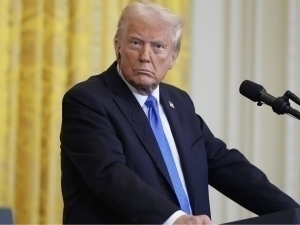
Куннинг иккинчи ярмида давлат ва ҳукумат раҳбарлари икки томонлама учрашувлар ўтказди. Айниқса, Туркия Президенти Ражаб Тойиб Эрдўған ва АҚШ Президенти Дональд Трамп ўртасидаги музокаралар катта эътибор марказида бўлди. Трампнинг саммитга Эрдўғандан ёрдам сўраш учун келгани, унинг гап-сўзидан, кўтараётган мавзуларидан сезилиб турди. Оқ уй раҳбари бу сафар ўзини таҳдидкор эмас, мулойим ва хушомадгўй қиёфасини намоён этди. Украина масаласи, Россияга нисбатан коллектив сиёсат, Яқин Шарқдаги хавфсизлик ҳамда Туркияга нисбатан қўлланилган айрим чекловларни бекор қилиш масалалари энг кўп муҳокама қилинган мавзулардан бўлгани ҳам бежиз эмас.
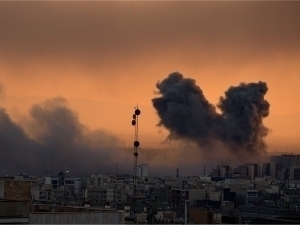
Иккинчи кун – саммитнинг асосий сиёсий қисми ҳисобланди. Давлат раҳбарлари аввал анъанавий оилавий суратга тушди, шундан сўнг Шимолий Атлантика кенгашининг ялпи йиғилиши бошланди. Унда мудофаа харажатлари, альянснинг шарқий қанотини мустаҳкамлаш, Украинага кўрсатилаётган ёрдам, Россияга нисбатан тийиб туриш сиёсати ҳамда НАТОнинг Яқин Шарқдаги эҳтимолий роли муҳокама қилинди. Вашингтоннинг ишончига кириш илинжидами ёки НАТОнинг асл позицияси чиндан шундайми буни билиш қийин, аммо Марк Рютте Эронга бўлган ҳужумларни ёқлаб чиққани кўпчиликнинг эътирозига сабаб бўлди.
“Ўйлайманки, бу мутлақо зарур эди. Биз кеча кемаларга қандай ҳужум қилинганини кўрдик. Эрон ўт очишни тўхтатиш тартибини бузмоқда”, дея баёнот берди НАТО бош котиби.
Икки кунлик саммит давомида расмий музокаралар билан бир қаторда норасмий учрашувлар, матбуот анжуманлари ва дипломатик мулоқотлар ҳам халқаро оммавий ахборот воситаларининг диққат марказида бўлди. Айниқса, Дональд Трампнинг кескин баёнотлари, Туркиянинг очиқчасига намоён этган амбициялари НАТО саммитини расмий тадбир эмас, қизиқарли телевизион шоуга айлантириб юборди дейиш мумкин.
“Бу жуда муваффақиятли саммит”
Саммит натижалари ҳақида АҚШ Президенти “Бу жуда муваффақиятли саммит” деб изоҳ берди. Хўш, аслида ҳам ҳаммаси шундайми, икки кунлик саммит давомида нималарга эришилди?
Юқорида таъкидлаб ўтганимиздек, НАТО учун энг муҳим масала мудофаа бўлиб қолмоқда. Саммитда айтилишича, ўтган йилги ҳисоб-китобга нисбатан иттифоқчиларнинг мудофаа харажатлари ошган, жумладан, 2025 йилда Европа иттифоқчилари ва Канада мудофаа харажатларини олдинги йилга нисбатан 20 фоизга, яъни қарийб 139 миллиард АҚШ долларига оширган. НАТО раҳбарияти буни совуқ уруш тугаганидан буён кузатилган энг кескин ўсишлардан бири сифатида баҳолади. Шу билан бирга, давлатлар 2035 йилгача мудофаа харажатларини босқичма-босқич ялпи ички маҳсулотнинг 5 фоизигача етказиш режасини яна бир бор тасдиқлади.
Аслида ҳам узоқ вақт давомида ташкилот ҳарбий харажатларининг катта қисми АҚШ томонидан қопланарди. Бу балки Пентагоннинг узоқ муддатли стратегияси ёки шунчаки тасодифдир, бироқ АҚШнинг пулларисиз бугун қитъа мудофааси қайсидир маънода ночор аҳволда қолган. Трампнинг НАТОга ёрдами ҳақидаги гаплари ҳам тўлиқ чин бўлмасада, бутунлай нотўғри деб ҳам бўлмайди.
“Бир пайтлар НАТО харажатларининг деярли 100 фоизини биз тўлардик. Кўплаб давлатлар эса умуман ҳеч нарса тўламасди”, деган Оқ уй раҳбари журналистларга берган интервьюсида.
Бундан ташқари энг катта эътибор, табиийки, Украинага қаратилди. НАТО давлатлари 2026 йил давомида Украинага ҳарбий техника, ўқ-дори, ҳаво ҳужумидан мудофаа воситалари, тайёргарлик дастурлари ва логистика учун жами 70 миллиард евро ажратишга расман келишиб олди. Бундан ҳам муҳими, бу ёрдам бир марталик пакет эмас. Саммит декларациясида иттифоқчилар 2027 йилда ҳам камида шундай миқдордаги ёрдамни сақлаб қолиш мажбуриятини ўз зиммаларига олди. Бу шуни кўрсатадики, келгуси йилда ҳам Россия билан можаролар тугашига иттифоқчиларнинг ўзларини ҳам кўзи етмаяпти.
Саммитнинг иқтисодий жиҳатдан энг йирик натижаларидан бири Мудофаа саноати форумида қайд этилди. НАТО Бош котиби Марк Руттенинг маълум қилишича, форум давомида 50 миллиард евролик янги ҳарбий харид шартномалари имзоланди. Улар ҳаво ҳужумидан мудофаа тизимлари, узоқ масофали ракеталар, дронлар, ўқ-дорилар ва бошқа стратегик қурол-аслаҳаларни ишлаб чиқариш ҳамда етказиб беришга қаратилган. НАТО раҳбари бу келишувларни альянс тарихидаги энг йирик мудофаа саноати ташаббусларидан бири деб атади.
Бундан ташқари, логистика ва ҳарбий инфратузилмани мустаҳкамлаш учун 27 миллиард евролик янги инвестиция дастури ҳам эълон қилинди. Мазкур маблағ ёнилғи омборларини модернизация қилиш, қувур тармоқларини кенгайтириш, таъминот занжирларини қайта ташкил этиш ҳамда НАТОнинг шарқий қанотидаги ҳарбий ҳаракатланиш имкониятларини оширишга йўналтирилади. Россия билан чегарадош ҳудудларда ҳарбий юкларни тезкор ташиш имкониятини яратиш альянснинг асосий мақсадларидан бири сифатида кўрсатилди.
Келажак урушлари катта қўшинлар билан эмас, технологиялар орқали ҳал бўлиши ҳақидаги қараш Анқарада яна бир бор ўз тасдиғини топди. Саммит давомида НАТО дрон технологияларини ривожлантириш учун 40 миллиард долларлик янги ташаббусни ишга туширди. Режага кўра, келгуси беш йил ичида альянс сунъий интеллект асосидаги бошқарув тизимлари, учувчисиз платформалар ва ўзаро интеграциялашган жанговар технологияларни кенг жорий этади. Дунёнинг қонуни – тинчлик истасанг, урушга тайёр тур.
Анқара саммитида глобал хавфсизлик масалалари ҳам муҳим ўрин эгаллади. Якуний декларацияда иттифоқчилар Эрон ҳеч қачон ядровий қуролга эга бўлмаслиги керак, деган позицияни яна бир бор тасдиқлади ҳамда Теҳронни халқаро мажбуриятларга риоя этишга чақирди. Шунингдек, Ҳормуз бўғозида эркин юк ташишни тиклаш, халқаро денгиз савдоси хавфсизлигини таъминлаш ва минтақадаги кескинликни камайтириш зарурлиги алоҳида қайд этилди. Аммо шуни унутмаслик керакки, АҚШ ва Исроилнинг Эронга ҳужумларидан олдин бўғоз очиқ ва мутлақо эркин сув йўли эди. Бироқ, Европани Америка олдида тили қисиқлиги сабаб буни ҳеҳ ким айтмайди.
Саммит яна бир жиҳати билан эътибор қозонди. НАТО ўз фаолиятини фақат Европа ва Шимолий Атлантика билан чекламаслигини амалда намойиш этди. Япония, Жанубий Корея, Австралия ва Янги Зеландия каби Ҳинд–Тинч океанининг ҳамкорлари билан хавфсизлик алоқаларини янада мустаҳкамлаш, шунингдек, Европа Иттифоқи билан мудофаа ва технологиялар соҳасидаги ҳамкорликни кенгайтириш бўйича янги сиёсий келишувларга эришилди.
Марк Рутте саммит якунлари бўйича берган баёнотида “Анқарада НАТО шунчаки ваъдалар бермади, балки реал натижаларни тақдим этди”, дея таъкидлади. Унинг фикрича, мудофаа саноатига рекорд даражадаги сармоялар, Украинани узоқ муддат қўллаб-қувватлаш режаси ва янги технологик ташаббуслар альянсни келажакдаги таҳдидларга тайёрлаш йўлидаги муҳим қадам бўлди.
Туркиянинг амбициялари
Анқара саммити шунчаки НАТОнинг навбатдаги йиғилиши бўлиши билан бирга, Туркиянинг геосиёсий салоҳиятини намойиш этадиган майдонга ҳам айланди. Икки кун давомида нафақат альянснинг келажаги муҳокама қилинди, балки Туркиянинг Ғарб ва Шарқ ўртасидаги ўрни, дипломатик таъсири ва ҳарбий саноатдаги ўсиб бораётган имкониятлари ҳам яна бир бор намоён бўлди.
Саммитнинг энг муҳим дипломатик ютуқларидан бири – Туркия ва Буюк Британия ўртасидаги мудофаа келишуви бўлди. Икки давлат хавфсизлик ва мудофаа саноати бўйича ҳамкорликни чуқурлаштириш, қўшма ишлаб чиқариш ҳамда стратегик технологиялар алмашинувини кенгайтиришга келишиб олди. Сўнгги йилларда Туркиянинг миллий қирувчи самолёти лойиҳаси ва ҳарбий авиация соҳасидаги ютуқлари бугун унинг ҳамкорларининг кўпайишига асосий сабаблардан бири дейиш мумкин. АҚШ таклиф қилаётган муқобилларидан кўра арзон, аммо нархига нисбатан ўта самарали Туркия ҳарбий технологиялари НАТОнинг мудофаа соҳасини қутқариб қолиши мумкин бўлган ечимлардан бири бўлиб турибди.
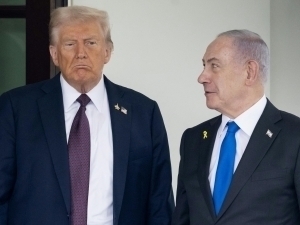
Аммо саммитдаги энг кўп муҳокама қилинган учрашув шубҳасиз, Туркия Президенти Эрдўған билан АҚШ Президенти ўртасидаги музокаралар бўлди. Икки лидернинг илиқ мулоқоти аввалги йиллардаги совуқ муносабатлардан кескин фарқ қиларди. Трамп Туркияга нисбатан АҚШ томонидан жорий этилган санкцияларни бекор қилиш ниятини очиқ айтди ҳамда Анқара билан мудофаа соҳасидаги ҳамкорликни тиклаш тарафдори эканини билдирди. “Reuters” ва бир қатор нуфузли нашрларнинг маълумотига кўра, у ҳатто Туркиянинг F-35 дастурига қайтиши масаласини ҳам кўриб чиқишга тайёрлигини маълум қилган.
Анқара саммити сиёсий қарорларгина эмас, рамзий хабарлари билан ҳам ажралиб турди. Туркия меҳмонларни тантанали маросимлар орқали кутиб олди. Ҳарбий оркестр ижросидаги тарихий куйлар, туркий халқлар жангчилари образида намойиш этилган тантанали чиқишлар ҳамда Президентлик мажмуасидаги маросимлар кўплаб кузатувчилар томонидан Усмонийлар империяси меросига ишора сифатида талқин қилинди. Бу орқали Анқара ўзини нафақат НАТОнинг шарқий қанотидаги муҳим аъзо, балки кўп асрлик геосиёсий анъаналарга эга минтақавий қудрат сифатида кўрсатишга уринди. Анқара ўзини бугунги кунда туркий давлатларнинг етакчиси сифатида талқин этиб, бир вақтлар унга юзини тескари бурган Европа давлатларига ўзининг қудратини яна бир бор эслатиб қўйди.
Шуни ҳам эътироф этиш керакки, Туркиянинг энг катта устунлиги унинг ҳарбий салоҳиятидан ҳам кўра, географик ва дипломатик мавқеидадир. Қора денгиздан Ўрта ер денгизигача, Кавказдан Яқин Шарққача чўзилган ҳудудда Анқара деярли барча йирик геосиёсий масалаларнинг бевосита иштирокчисига айланган. Россия ва Украина ўртасидаги музокаралар учун платформа яратиш, Сурия масаласида Москва билан мулоқотни давом эттириш ҳамда НАТОдаги фаол иштирок – буларнинг барчаси Туркияга бир вақтнинг ўзида бир неча геосиёсий майдонда ҳаракат қилиш имконини бермоқда. Бу эса Украинага тобора ёрдам бера олмай қолаётган қитъа мамлакатлари учун Россиядан ҳимояланишнинг альтернатив йўлига айланмоқда.
Худди шундай вазият Яқин Шарқда ҳам мавжуд. Эрон билан Ғарб ўртасидаги эҳтимолий музокараларда, Ҳормуз бўғози орқали энергия ва юк ташиш хавфсизлигини таъминлашда ҳам Туркиянинг роли тобора ортиб бормоқда. НАТО саммитида ҳам альянс раҳбарлари Яқин Шарқдаги беқарорлик, Эроннинг ядровий дастури ва минтақадаги логистика йўлаклари хавфсизлигини муҳокама қиларкан, Анқаранинг воситачилик салоҳияти алоҳида эътибор марказида бўлди. Бу эса АҚШнинг Туркияга бераётган ваъдалари бежиз эмаслигини кўрсатади.
Анқара саммитининг энг катта сиёсий натижаларидан бири шуки, Туркия энди шунчаки НАТОнинг иккинчи йирик армиясига эга давлат сифатида эмас, балки альянс ичидаги энг муҳим дипломатик марказлардан бири сифатида ҳам кўрилмоқда. Аммо Эрдўған мамлакатни тўла (батамом) Ғарбга ён босувчи давлат эмас, ҳар қандай сиёсий майдонда Туркия манфаати учунгина ҳаракат қилувчи акторга айлантиришни хоҳлайди.
Хулоса қилиб айтганда, Анқара саммити НАТО тарихидаги навбатдаги йиғилиш бўлиш билан бирга, ташкилот доирасида куч марказларини ўзгартирган, альянс ҳақида янги тасаввурлар ҳосил қилган катта сиёсий эврилишнинг ибтидоси бўлди.