Трамп нишонидагилар – Канада, Гренландия, Мексика ва Панама
Review
−
09 January 2025 6478 7 minutes
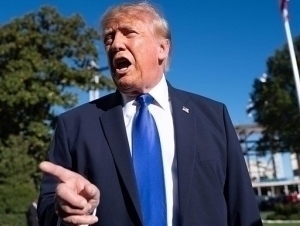
АҚШнинг сайланган президенти сифатида Дональд Трампнинг кейинги 4 йиллик бошқаруви ҳайрат ва кутилмаган воқеликларга тўла бўлишини олдиндан тахмин қилиш қийин эмасди. Ўзининг биринчи президентлик мандатида дунё сиёсий майдонини оламшумул қарорлари билан доимий тарзда қиздирган нью-йорклик бизнесмен бу галги 4 йилликни ҳам сершовқин ўтказиш ниятида. У ҳали инаугурация маросимига етмасидан бир неча йиллик мунозараларга сабаб бўлувчи хурмача қилиқларни қилиб бўлди. Мексика ва Канададек йирик давлатларга АҚШнинг навбатдаги штатларига айланиш таклифи, Панама каналини тортиб олиш ва Гренландия оролини сотиб олиш бўйича таклифлар шулар жумласидандир. Мексика ва Канада масаласи кулгили ва бир вақтнинг ўзида ширин тушдек туюлиши шубҳасиз. Аммо Трампнинг кейинги икки ҳаракати эҳтимоллар назарияси доирасининг кўпи билан энг чеккасидан ўрин олишга ҳақлидек гўё. Панама канали масаласи тушунарли. Бунга кейинги дастурларда тўхталамиз. Ҳозир эса ортда қолган 2024 йилнинг сўнгги кунларида Оқ уйнинг бўлажак эгаси Дональд Трампнинг хаёлига яна қайтадан келиб қолган эски Гренландия орзуси ҳақида сўз юритилади.
Биринчи ҳамла
2024 йил декабрь ойи охирида Дональд Трамп Гренландия АҚШга “миллий хавфсизлик ва бутун дунёда эркинликни таъминлаш мақсадида” керак эканини таъкидлаган эди. У ўзининг ижтимоий тармоқлардаги саҳифасида “Гренландияни яна буюк қиламиз” деган шиорни ёзиб қолдирди. Шундан сўнг Дания қироллиги таркибига кирувчи Гренландия ороли бош вазири Муте Эгеде дарҳол Трампнинг оролга эгалик қилиши ҳақидаги сўзларига жавоб қилиб, Гренландия сотилмаслигини айтди.
“Гренландия – бизники. Биз сотмаймиз ва ҳеч қачон сотилмаганмиз. Эркинлик учун узоқ йиллик курашимизни бой бермаслигимиз керак”, деган Муте Эгеде.
Аслида Трамп ва Гренландия атрофидаги бундай гап-сўзлар бугун тўсатдан пайдо бўлиб қолмаган. Унинг биринчи президентлик муддатида ҳам худди шу мазмундаги хабарлар урчиганди. 2019 йилда оммавий ахборот воситаларида Трамп Гренландияни сотиб олиш имкониятини кўриб чиқаётгани ҳақида хабарлар пайдо бўлганди. Трампнинг ўзи кейинроқ журналистларга бундан манфаатдор эканини тасдиқлаган. Ўша пайтда Трампнинг бу истаги Вашингтон ва Копенгаген ўртасида дипломатик муносабатларга совуқчилик туширганди. Дания Бош вазири Метте Фредериксен бу ғояни “абсурд” деб атаган. Ўшанда воқелик шу тарзда даҳанаки жавоб ҳаракатлари билан секин-аста тинчиган. Бироқ бугун барчаси бошқача кўриниш олгандек таассурот уйғотмоқда. Чунки Қўшма Штатларнинг сайланган президенти томонидан айтилган бу таклиф ортидан Скандинавияда хотиржамлик ўрнини безовталик эгаллади.
Дания ва Гренландия чақириқни жиддий қабул қилди
Дональд Трамп Вашингтон оролни ўз назоратига олиши кераклигини айтганидан кейин Дания ҳукумати Гренландия мудофааси учун қўшимча маблағ ажратилишини эълон қилди. Улар шу кунгача оролга етарлича сармоя киритмагани ва бу ерда иштирокини зарур даражада кучайтирмаганини тан олиб, ҳудуд мудофааси учун ҳарбий ускуналар сотиб олишга ваъда берди. Дания Мудофаа вазири Троэльс Лунд Поульсен ОАВга Гренландия мудофааси учун ажратиладиган маблағ миқдори крон ҳисобида “икки хонали миллиард”ни ташкил қилишини маълум қилган. У аниқ миқдорни айтмаган бўлса-да, маҳаллий нашрлар бу суммани 12-15 миллиард крон, яъни 2 миллиард доллар атрофида бўлишини тахмин қилмоқда.
“Бу пул эвазига Дания иккита янги кема ва бир хил миқдордаги узоқ масофага учувчи дронларни сотиб олиши мумкин бўлади. Биз кўп йиллар давомида Арктикага етарлича сармоя киритмадик, энди ўз иштирокимизни кучайтиришни режалаштирмоқдамиз”, деди Поульсен.
Бундан ташқари, Дания орол пойтахти Нуукдаги Арктика қўмондонлиги ходимлари сонини кўпайтириш ниятида. Шунингдек, Дания қироллиги Гренландиянинг учта асосий фуқаролик аэропортларидан бирини F-35 товушдан тез учувчи қирувчи самолётларни бошқариш учун янгилаши ҳақида ҳам хабарлар мавжуд. Шунингдек, Дания масалага фақат молиявий томондан ёндашмаяпти. Қироллик бу ишга рамзий тус беришга ҳам улгурди. Хусусан, 500 йилдан бери амал қилиб келаётган давлат гербини ўзгартиришга қарор қилинди. Дания қироли Фредерик Х гербдан учта тож тасвирини олиб ташлашни буюрган. Ушбу тожлар Даниянинг Норвегия ва Швеция билан бир вақтлар ягона унияда бўлганини ифодаларди. Эндиликда эса гербда Гренландияни ифодаловчи оқ айиқ ҳамда Фарер оролларини ифодаловчи қўчқор алоҳида акс этган.
Бу жараён ўз йўлига, аммо энг қизиғи шундаки, мазкур воқеликлар фонида кутилмаганда ички келишмовчиликлар ҳам бўй кўрсатди. Дания таркибидаги мухторият ҳисобланадиган Гренландиянинг юқори расмий доираларида Даниядан ажралиб чиқишга қаратилган ишоралар пайдо бўлди. Жорий йилнинг 2 январь куни орол Бош вазири Муте Эгеде ўзининг Янги йил мурожаатида дунёдаги энг катта оролнинг мустақиллиги ҳақида сўз очди. У Дания ва Гренландия ўртасидаги ҳозирги ҳолатни мустамлакачилик деб номлаб, бу кишанларда ҳалос бўлиш пайти келганини очиқ-ойдин таъкидлади. Унинг айтишича, сўнгги бир неча йил ичида Гренландия парламенти ва ҳукумати Даниядан ажралиб чиқиш учун асос бўлган конституцияни ишлаб чиқишда биргаликда ишлаган.
“Мамлакатимиз учун навбатдаги қадамни ташлаш вақти келди. Дунёнинг бошқа давлатлари каби биз ҳам мустамлакачилик даври кишанлари деб аташимиз мумкин бўлган ҳамкорликдаги тўсиқларни олиб ташлаш, олдинга интилиш устида ҳаракат қилишимиз керак. Тарих ва бугунги мавжуд шароитлар Дания қироллиги билан ҳамкорлигимиз тўлиқ тенгликни таъминламаганини кўрсатди ва агар биз Дания конституциясига таянишда давом этсак, тенг ҳуқуқли ҳамкорликни яратиб бўлмайди”, дейилади Дания ва Гренландия тилларида чоп этилган мурожаатда.
Трамп ҳам жиддийлиги борасида улардан қолишмаяпти
Дания қироллик герби ўзгартирилгани ҳақидаги хабарлар ортидан Трамп ҳам қатор чора-тадбирларни бошлаб юборди. Ҳаммаси айни мана шу нуқтада жиддий тус ола бошлади. У 6 январь куни ўзига қарашли Truth Social ижтимоий тармоғида ўғлини Гренландияга жўнатиши ҳақида ёзди. Шунингдек, Трамп агар орол АҚШнинг бир қисмига айланса, бу у ердаги маҳаллий аҳолига “улкан фойда” келтиришига ваъда берди. Унинг ўғли кичик Дональд Трамп оролнинг маъмурий маркази бўлган Нуук шаҳрига борди. Дания Ташқи ишлар вазирлиги бу маълумотни эътиборга олганини маълум қилган бўлса-да, бу давлат аҳамиятидаги расмий ташриф бўлмагани учун бошқа изоҳ бермаслигини билдирди.
Дания Бош вазири Метте Фредериксен ҳам, Гренландия Бош вазири Муте Эгеде ҳам Қўшма Штатлар билан ҳар қандай келишув эҳтимолини рад этаётган бир пайтда, Трамп навбатдаги таҳдидга қўл урди. У Гренландияни назорат остига олиш йўлида ҳарбий ҳаракатларни амалга ошириш вариантини истисно қилмади. У Мар-а Лагода бўлиб ўтган матбуот анжуманида Панама ва Гренландия билан боғлиқ режалари ҳақида гапириб, ҳарбий ёки иқтисодий мажбурловдан фойдаланмасликка кафолат беришдан очиқчасига бош тортди. Гренландия ҳақида гап кетганда, Трамп Данияга иқтисодий қасос олиш билан таҳдид қилди ва агар бу давлат унинг ҳудудий амбицияларига қаршилик кўрсатса, у “Данияга жуда юқори даражада тариф қўйишини” таъкидлади.
Трамп Мар-а-Лагода нутқ қилаётган бир пайтда унинг ўғли кичик Дональд Трамп Гренландиянинг пойтахти Нуук шаҳрига етиб борганди. У ерга фақат сайёҳ сифатида борганини даъво қилганига қарамай, кичик Трамп отасининг сиёсий майдондаги энг машҳур шиори бўлган “Гренландияни яна буюк қилинг” деб ёзилган бош кийимларни тарқатгани айтилмоқда.
“Муз қоплаган” орол
Майдонининг 80 фоизи муз билан қопланган, ҳудуди Германияникидан 6 марта, Ўзбекистонникидан эса 5 мартага катта бўлган дунёдаги энг йирик орол – Гренландияда бор йўғи 56 минг аҳоли истиқомат қилади. Бу Ўзбекистондаги кичик ва овлоқ бир туманнинг аҳолиси билан тенгдир. Майдони 2,1 миллион квадрат метр бўлган орол учун 56 минг аҳоли анчагина номутаносиблиги шубҳасиз. Маълумотларга кўра, мазкур аҳоли ҳам асосан оролнинг жануби-ғарбий қисмида истиқомат қилади. Бугунги кунда Гренландия ўзининг бой ресурсларига қарамай, ҳар йили Копенгагендан тахминан 500 миллион евро миқдоридаги молиявий субсидия олади. Орол тарихда бир неча бор Дания назоратига олинган. XIV, XVIII аср ва 1814 йил шулар жумласидандир. 1953 йилда эса Гренландия Данияга тўлиқ қўшилади. Бироқ 1979 йилги референдумдан сўнг Гренландия Дания таркибидаги ўзини ўзи бошқарадиган мухториятга айланди. Аммо оролнинг эркинлик чегараси бу нуқтада тугамади. 2009 йилда ўтказилган референдумдан сўнг, Копенгаген “Гренландиянинг уй бошқаруви тўғрисида”ги қонунни қабул қилди. Бу қонунга кўра, орол фақатгина муваффақиятли референдумдан сўнг мустақиллигини эълон қилиши мумкин.
“Politico” нашрининг ёзишича, Гренландия бош вазири бундай референдум жорий йилнинг апрель ойида оролда бўлиб ўтадиган парламент сайловлари билан бир вақтда ўтказилиши мумкинлигига шама қилган.
Live
All23 October