Энди НАТО пулни қаердан олади?
Review
−
18 February 6078 13 minutes
Мюнхен Хавфсизликк Конференцияси (Munich Security Conference) – дунёдаги энг нуфузли хавфсизлик форумларидан бири бўлиб, ҳар йили Германиянинг Мюнхен шаҳрида ўтказилади. 1963 йилда асос солинган ушбу анжуман дастлаб трансатлантик мудофаа масалаларига бағишланган бўлса, бугунги кунга келиб, у глобал геополитика, ҳарбий стратегия, энергетика, киберхавфсизлик ва халқаро дипломатия муҳокама қилинадиган йирик платформага айланган.
Конференцияда давлат ва ҳукумат раҳбарлари, Ташқи ишлар ҳамда Мудофаа вазирлари, НАТО ва Европа Иттифоқи вакиллари, шунингдек, етакчи экспертлар иштирок этади. Ушбу конференция расмий қарор қабул қиладиган тузилма бўлмаса-да, у глобал сиёсий йўналишларни белгилаш, иттифоқчилар ўртасида мулоқотни кучайтириш ва кескин можаролар юзасидан очиқ фикр алмашиш майдони сифатида муҳим аҳамият касб этади. Мюнхен анжумани кўпинча “дунё сиёсий барометри” сифатида баҳоланади – ундаги нутқ ва баёнотлар глобал тартибдаги ўзгаришлар йўналишини англаш имконини беради.
Бу галги конференция кун тартибида Россия–Украина уруши, Хитой билан рақобат, Яқин Шарқдаги беқарорлик, сунъий интеллект ва энергетик хавфсизлик каби масалалар асосий ўрин эгаллади.
Мюнхенда нима гап?
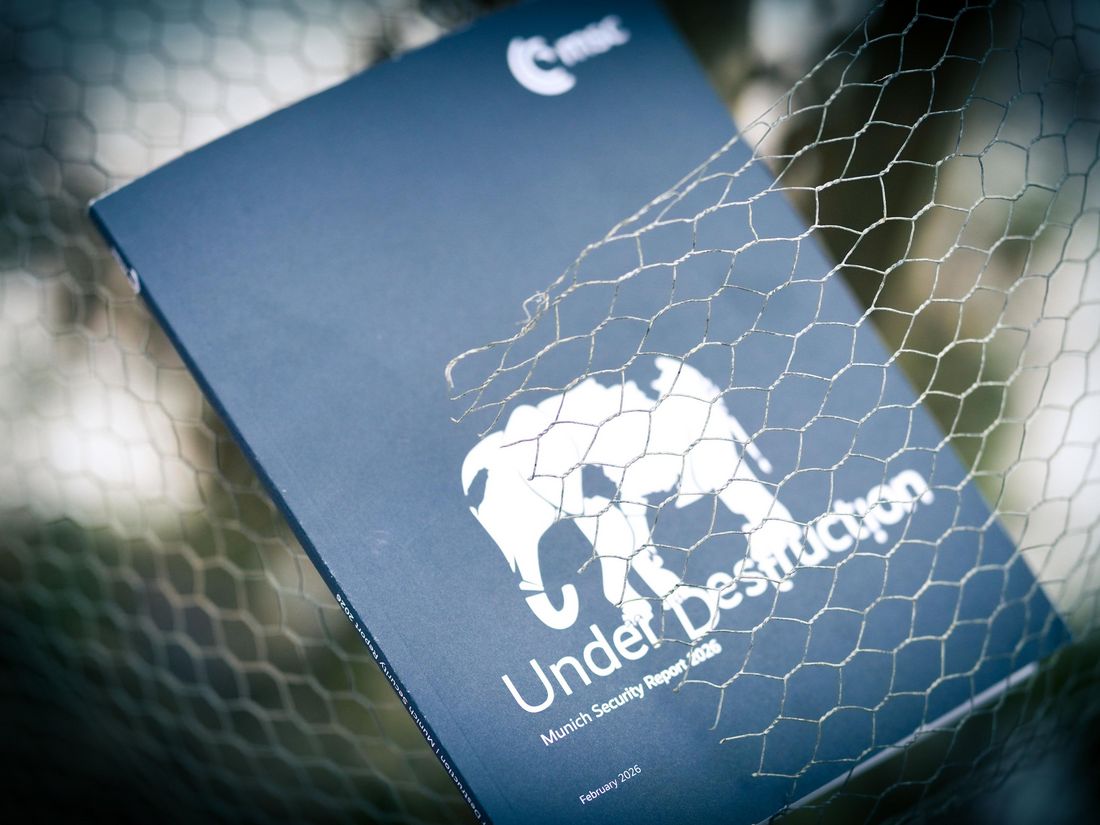
2026 йил 13–15 февраль кунлари Германиянинг Мюнхен шаҳрида дунёнинг энг нуфузли хавфсизлик платформаларидан бири – 62 Мюнхен Хавфсизлик Конференцияси бўлиб ўтди. Совуқ уруш давридан бери глобал хавфсизлик архитектурасини муҳокама қилиш майдонига айланган ушбу анжуман бу сафар “Under Destruction” – яъни, “Бузилиш арафасида” шиори билан ўтгани ҳам халқаро майдонда аввалги қонун-қоидалар энди кучда эмаслигини нуфузли ташкилотлардан тортиб давлат раҳбарлари ҳам тан олаётганини англатади.
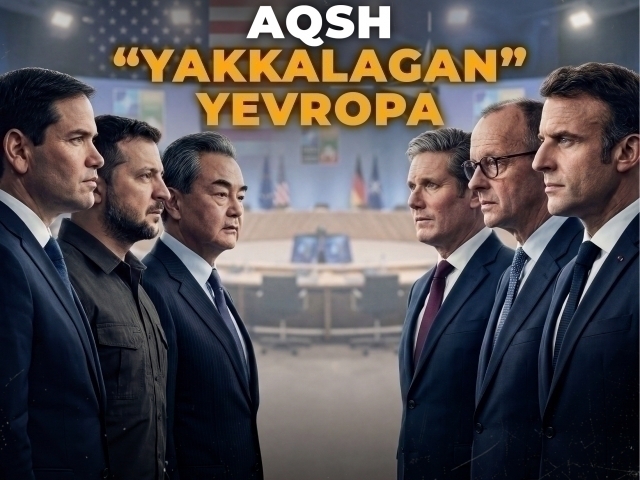
Анжуманга мезбонлик қилган Мюнхен яна бир бор глобал дипломатия марказига айланди. Уч кун давом этган конференция дунё сиёсий мувозанати кескин ўзгараётган бир пайтда ташкил этилди ва унда 100 дан ортиқ давлатдан сиёсатчилар, дипломатлар, ҳарбийлар, экспертлар ҳамда йирик халқаро ташкилотлар вакиллари қатнашди. Конференцияда Германия канцлери Фридрех Мерц, Франция Президенти Эммануэль Макрон, Буюк Британия Бош вазири Кир Стармер, АҚШ Давлат котиби Марко Рубио, Украина Президенти Владимир Зеленский каби етакчи шахслар иштирок этди. Шунингдек, БМТ, Европа Кенгаши, Европа Марказий Банки Президенти ва НАТО раҳбарияти, Хитой Ташқи ишлар вазири Ван И, Ҳиндистон ташқи ишлар вазири Субрахманям Жайшанкар ҳамда Ташқи ишлар вазири Бахтиёр Саидов раҳбарлигидаги Ўзбекистон делегацияси ҳам иштирок этди.
62-Мюнхен хавфсизлик конференцияси аввалги йиллардагидан кескинроқ руҳда ўтди. Асосий мавзулар қаторида Россия–Украина уруши, трансатлантик муносабатларнинг келажаги, Европанинг стратегик мустақиллиги, Яқин Шарқдаги беқарорлик, сунъий интеллект ва киберхавфсизлик таҳдидлари, энергетик хавфсизлик ҳамда глобал жануб давлатларининг роли турди. Нутқларда кўп бора “қоидалар асосидаги халқаро тартиб”нинг заифлашаётгани, кучлар мувозанати эса янги шакл олаётгани таъкидланди.
.jpg)
Конференциянинг бош мақсади – парчалана бошлаган глобал хавфсизлик тизимини қайта муҳокама қилиш, иттифоқчилар ўртасидаги ишончни мустаҳкамлаш ва янги таҳдидларга қарши умумий стратегия ишлаб чиқишдан иборат бўлди. Айниқса, НАТОни молиялаштиришдан АҚШнинг бош тортиши фонида Европанинг мудофаа салоҳиятини мустақил равишда кучайтириш масаласи кескин кун тартибига чиқди. АҚШ ва Европа ўртасидаги стратегик ҳамкорлик сақланиб қолаётган бўлса-да, айрим масалаларда қарашлар тафовути очиқ кўринди.
Мюнхендаги уч кунлик музокаралар шуни кўрсатдики, дунё энди аввалги тартибда яшамайди. Хавфсизлик тушунчаси кенгаймоқда, иттифоқлар қайта шаклланмоқда, сиёсий марказлар силжимоқда. 62-конференция нафақат муҳокамалар майдони, балки янги глобал давр бошланаётганининг рамзий нуқтасига айланди.
Европа ўз йўлини изламоқда
62-Мюнхен Хавсизлик Конференцияси доирасидаги Европа етакчиларининг нутқларидан шуни англаш мумкинки, АҚШнинг қўлловисиз қолган альянс ўз келажаги борасида ҳануз ягона тўхтамга кела олгани йўқ. Ҳаммани бир савол ўйлантирмоқда: агар АҚШ глобал хавфсизлик архитектурасида аввалгидек фаол ва “сахий” роль ўйнамаса, Европа нима қилади?
Дональд Трампнинг АҚШда ҳокимият курсисига келиши Трансатлантик алоқаларнинг заифлашувига олиб келди. Трамп энди олдингидек Европанинг хавсизлигига жавоб берувчи НАТОни молиялаштирмоқчи эмас. 2025 йил ноябрь ойида Трамп маъмурияти томонидан ишлаб чиқилган Миллий хавфсизлик Стратегияси (National Security Strategy) ҳам Вашингтоннинг Европа ва НАТО билан келгусидаги ҳаракатларининг харитаси дейиш мумкин. Қайсидир маънода Европа альянси энди ўз аравасини ўзи тортиши лозим.
Европанинг АҚШдан мустақил бўлиши ҳақида гап кетганда, шубҳасиз Франциянинг ташаббускор ҳаракатларини эътироф этмасак бўлмайди. Кўп доираларда АҚШдан кейин Европани бирлаштирувчи янги лидер сифатида Франция Президенти Эммануэль Макрон кўрилмоқда. Макрон Мюнхендаги нутқида “стратегик автономия” иборасини яна бир бор кун тартибига олиб чиқди. Унинг таъкидлашича, Европа ўз мудофаа саноатини мустаҳкамлаши, ҳарбий ишлаб чиқаришни ички ресурслар ҳисобидан кенгайтириши ва қарор қабул қилишда мустақил бўлиши шарт.
“Биз Европадаги хавфсизлик архитектурамизни қайта тузишимиз ва қайта ташкил этишимиз керак. Бу жасорат учун тўғри вақт. Бу кучли Европа учун тўғри вақт. Ҳамма бизни танқид қилиш ўрнига, биздан ўрнак олиши керак”, деди Макрон.
Шу билан бирга Макрон Франциянинг ядровий салоҳияти билан, етакчиликка бошқалардан кўра кўпроқ даъвогар эканлигини иддао қилгандек, ядровий тўсиқларнинг (nuclear detterence) айни дамдаги беқарор глобал даврдаги ролини муҳокамага ташлади.
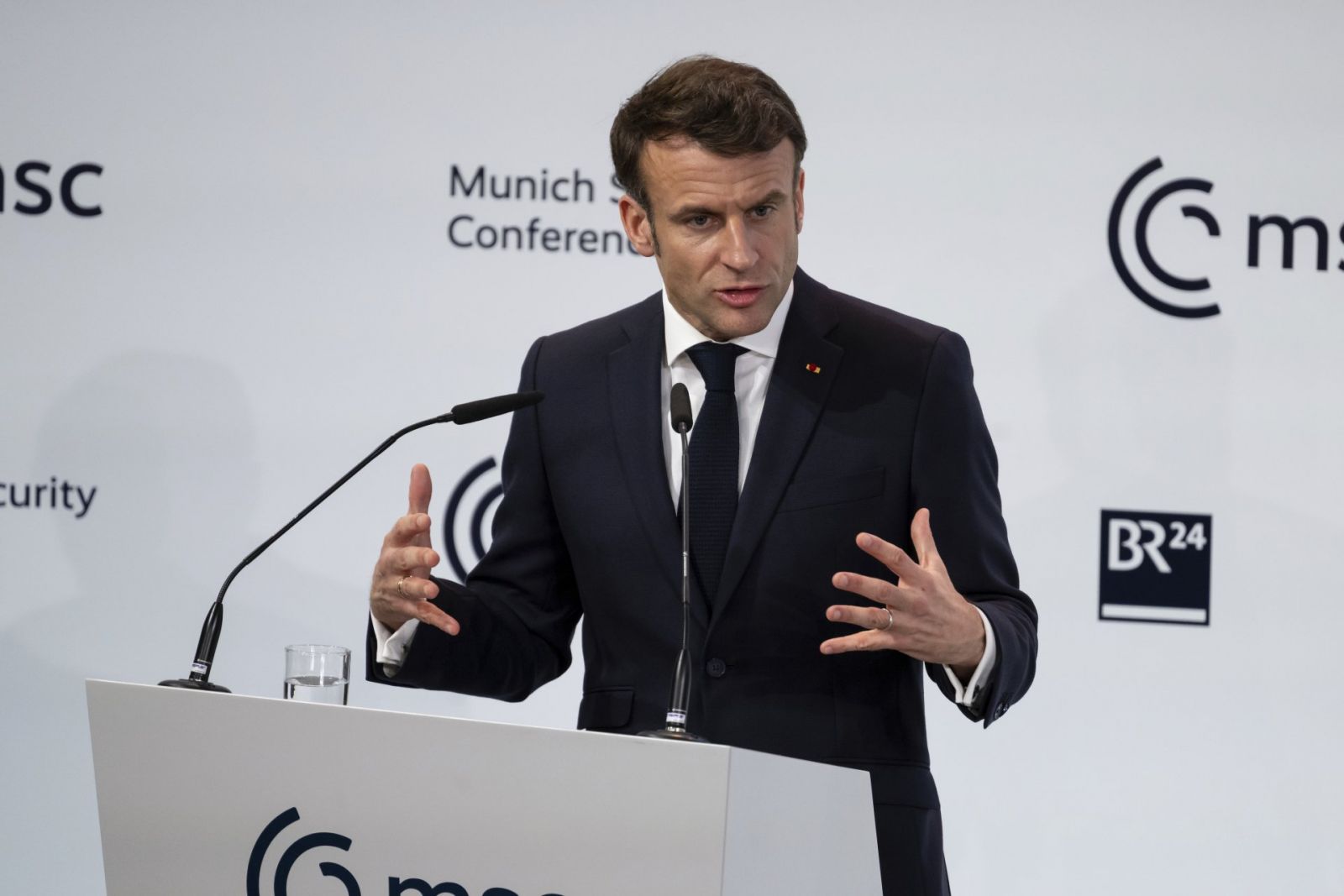
“Биз ушбу ёндашувда ядровий тийиб туриш масаласини қайта шакллантиришимиз керак. Шу сабабли биз ҳозир лойиҳа устида ишлаяпмиз – бир неча ҳафтадан сўнг бу ҳақда батафсил маълумот бераман. Бироқ, биз аллақачон канцлер Мерц ва бир қатор Европа етакчилари билан стратегик мулоқотни бошладик. Мақсад – Конституциямиз томонидан кафолатланган ва назорат қилинадиган миллий доктринамизни қандай қилиб мувофиқлаштиришимиз мумкинлигини кўриб чиқишдир”, деди у.
Макрон очиқчасига Европа хавфсизлиги энди фақат ташқи кафолатларга таяниб қолмаслиги кераклигини айтмоқда. Бу шуни англатадики, Франция энди АҚШ ва Трансатлантик иттифоққа ишониб қолмоқчи эмас.
Германия канцлери Фридрих Мерц эса дунёни яна бир бор, кескин оҳангда “ўйин” қоидалари ўзгаргани ҳақида огоҳлантирди. У эски қоидаларга асосланган тартиб аллақачон йўқ бўлиб кетганини ҳамда Германия каби давлатлар хавфсизлик ва ўзини ҳимоя қилишга ёндашувини бутунлай қайта кўриб чиқиши кераклигини таъкидлади.
“Сиз ушбу конференция учун “Бузилиш арафасида” (under destruction) деган маҳзун шиорни танладингиз. Бу эҳтимол ҳуқуқ ва қоидаларга асосланган халқаро тартиб айни дамда йўқ қилинаётганини англатади”, деди у.
Шунингдек, Мерц Дональд Трампнинг юритаётган сиёсатини қаттиқ танқид қилиб, дунё тартиботида унинг ҳиссаси катта эканлигига ишора қилди.
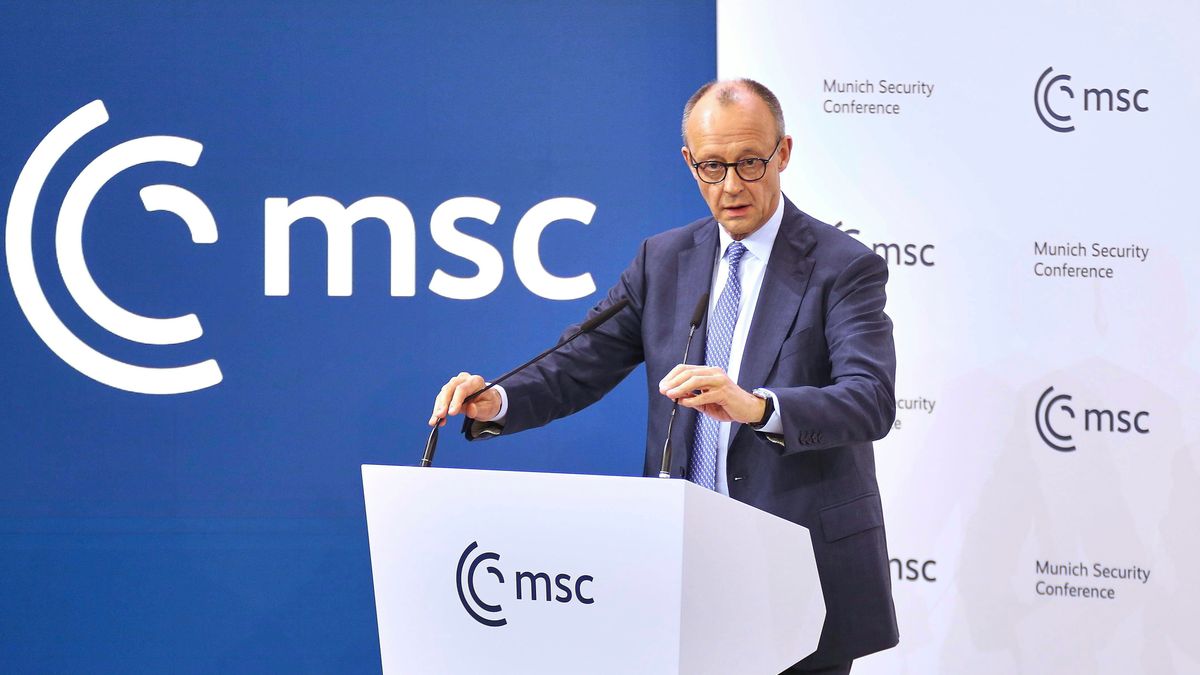
“Ушбу иллюзия остида катта давлатлар сиёсати ўзаро боғлиқликнинг ортиши қонун устуворлиги ва давлатлараро тинчликка айланадиган дунёдан юз ўгирмоқда. Катта давлатлар сиёсатининг ўз қоидалари бор. У шиддатли, шафқатсиз ва кўпинча кутилмагандир. Биз тарифлар ва протекционизмга эмас, балки эркин савдога ишонамиз. Биз иқлим келишувлари ва Жаҳон соғлиқни сақлаш ташкилотига содиқ қоламиз, чунки глобал муаммоларни фақат биргаликда ҳал қилиш мумкинлигига аминмиз”, дейди у.
Гарчи Мерц ҳам АҚШнинг пулларига энди ишонч қолмаганлигини билса-да, Трансатлантик иттифоқни қайта жонлантириш лозимлигига алоҳида урғу берди.
Европа Иттифоқидаги аъзолигини 2021 йилдаёқ якунлаган Буюк Британия ҳам Европани курашга тайёр бўлиши кераклигини айтди. Британия Европа Иттифоқидан чиққан бўлса-да, хавфсизлик масаласида қитъа билан елкама-елка туришини намойиш этишга уринмоқда. Бош вазир Кир Стармер ўз нутқида Европа ўз халқи, қадриятлари ва турмуш тарзини ҳимоя қилиши лозимлигини таъкидлади.
“Бугун биз чорраҳада эмасмиз. Олдинда турган йўл тўғри ва биз ўз кучимизни яратишимиз кераклиги аниқ. Биз тажовузни тўхтата олишимиз керак, агар керак бўлса, жанг қилишга тайёр бўлишимиз керак”, деган Стармер.
Европа Кенгаши Президенти Урсула фон дер Ляйеннинг нутқи ҳам қитъанинг келажаги ҳақида билдирилган энг муҳокамали нутқлардан бири бўлди. Фон дер Ляйен ҳам бу гал АҚШдан альянсни мустақил қилиш зарурлигини тан олди.
“Бугун ҳаракат қилиш вақти келди ва мен Европанинг мустақиллик режасига эътибор қаратмоқчиман. Лекин, олдинги тизим тубдан ўзгарди. Европа олдинга силжиши ва ўз масъулиятини ўз зиммасига олиши керак. Тан олиш керак, бунинг учун бир оз шок терапияси керак бўлади”, деди фон дер Ляйен.
Шу билан бирга, у Буюк Британия билан алоқаларни яхшилаш лозимлиги, Европа Иттифоқининг АҚШдан бошқа дўстлари билан ҳам алоқаларни кучайтириш кераклигини алоҳида таъкидлади.
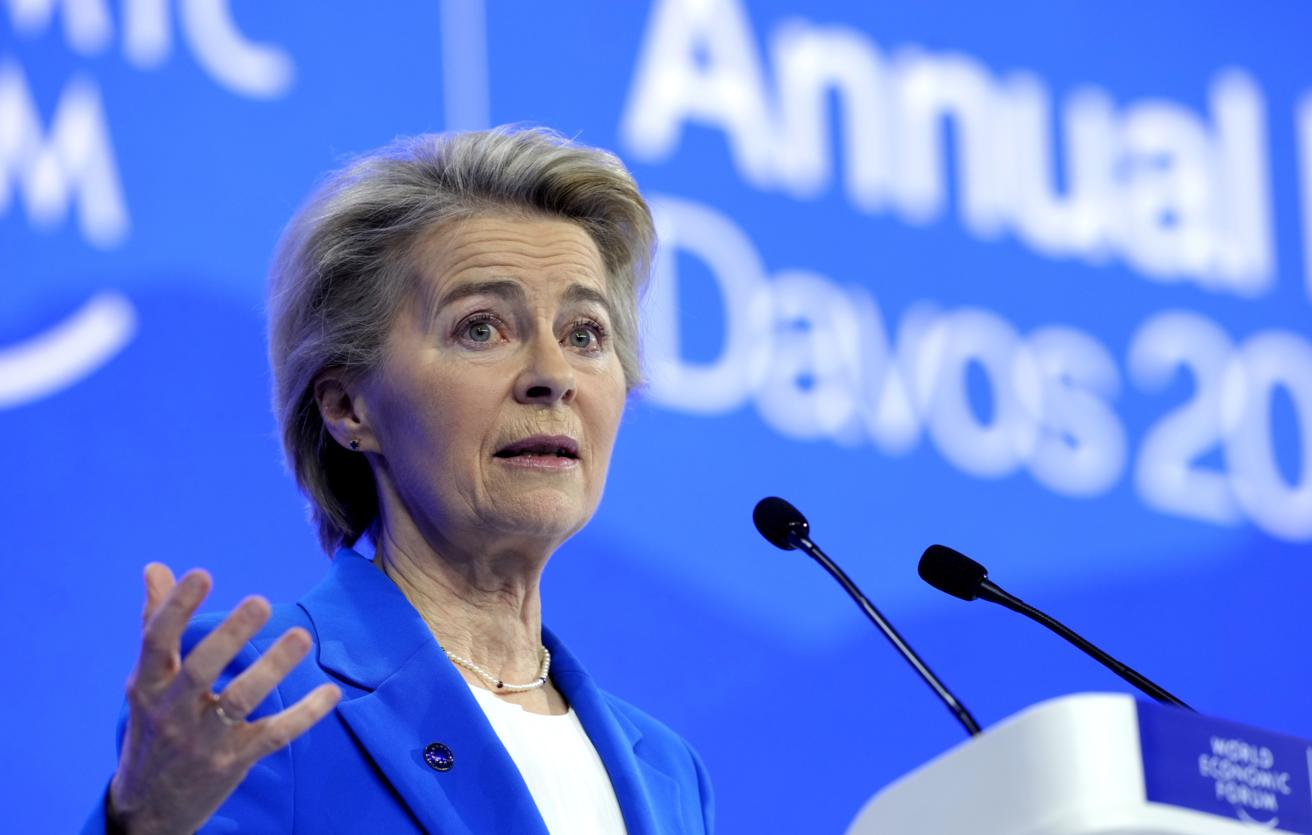
“Аммо, ҳозир қилишимиз керак бўлган нарса – хавфсизлик соҳасидаги янги ҳамкорликларнинг пойдеворини расмийлаштиришдир. Бу албатта, энг яқин ҳамкорларимиз – Буюк Британия, Норвегия, Исландия ёки Канада билан ишлашдан бошланади. Ҳозирда Европа Иттифоқи дунё мамлакатлари билан мудофаа ва хавфсизлик соҳасида кенг кўламли шериклик алоқаларига эга. Биз ушбу муҳим ҳамкорларнинг кўпчилигига ўз таклифларимизни оширмоқчимиз. Бу шуни англатадики, ҳозирги ўта беқарор вақтда Европа ва хусусан, Буюк Британия хавфсизлик, иқтисодиёт ёки демократияларимизни ҳимоя қилиш масалаларида янада яқинлашиши зарур”, дейди у.
Аммо, Мюнхендаги муҳокамалар Европанинг ички муаммоларини ҳам очиб ташлади. АҚШ молиявий ва ҳарбий қўлловни қисқартираётган бир пайтда, Европа давлатлари ўртасида бу бўшлиқни ким ва қандай тўлдириши борасида аниқ консенсус йўқ. Шарқий Европа давлатлари НАТОнинг кучайтирилган ҳарбий иштирокини талаб қилмоқда. Жанубий Европа эса иқтисодий босим ва миграция муаммоларини бирламчи деб билади. Ғарбий Европа мамлакатлари эса саноат ва технологик мустақилликка урғу бермоқда.
Конференция давомида бир жиҳат яққол сезилди: Европа бирдамлик ҳақида кўп гапирмоқда, аммо амалда сиёсий позициялар турлича. Польша ва Болтиқбўйи давлатлари кескин хавфсизлик чораларини қўллаб-қувватласа, Венгрия ва айрим бошқа мамлакатлар Россияга нисбатан юмшоқроқ сиёсат тарафдори. Бу эса ягона стратегик йўналиш ишлаб чиқишни мураккаблаштирмоқда.
Мюнхендаги уч кунлик баҳслар Европа тарихий бурилиш нуқтасида турганини кўрсатди. АҚШ билан иттифоқ сақланади, аммо у энди мутлақ таянч эмас. Европа ўз хавфсизлик моделини қайта кўриб чиқишга мажбур. 62-Мюнхен конференцияси Европага аниқ сигнал берди – глобал саҳна ўзгармоқда. Энди танлов қилиш вақти келди: мустақил куч марказига айланиш ёки парокандалик ичида қолиш.
Украинага тинчлик қайтадими?
Бу галги Мюнхен Хавфсизлик Конференциясида энг кўп эътибор берилган мавзулардан яна бири, Украина–Россия можароси, унинг оқибатлари, таъсири ва келажакдаги стратегиялари бўлди. Россиянинг 2022 йилда бошлаган босқини беш йилга яқин давом этар экан, дунё етакчилари урушнинг глобал хавфсизлик тизимига таъсири бўйича турли тўхтамга келган.
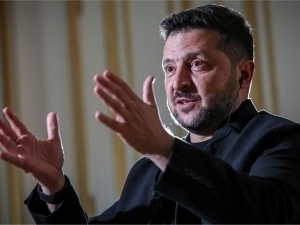
Украина Президенти Зеленский Мюнхенда қилган нутқида урушдан дипломатик йўл билан чиқиш истагини қайта тасдиқлади, аммо шартлар Украинанинг шаъни ва хавфсизлиги нуқтаи назаридан бўлиши кераклигини таъкидлади. У урушни “фақат ҳудудий ажратиш орқали якунлаш” фикрини қатъиян рад этди ва бу ёндашув 1938 йилдаги Мюнхен келишуви каби хато бўлишини айтди – ўша тарихий келишув Европани катта урушдан сақлай олмаганди.
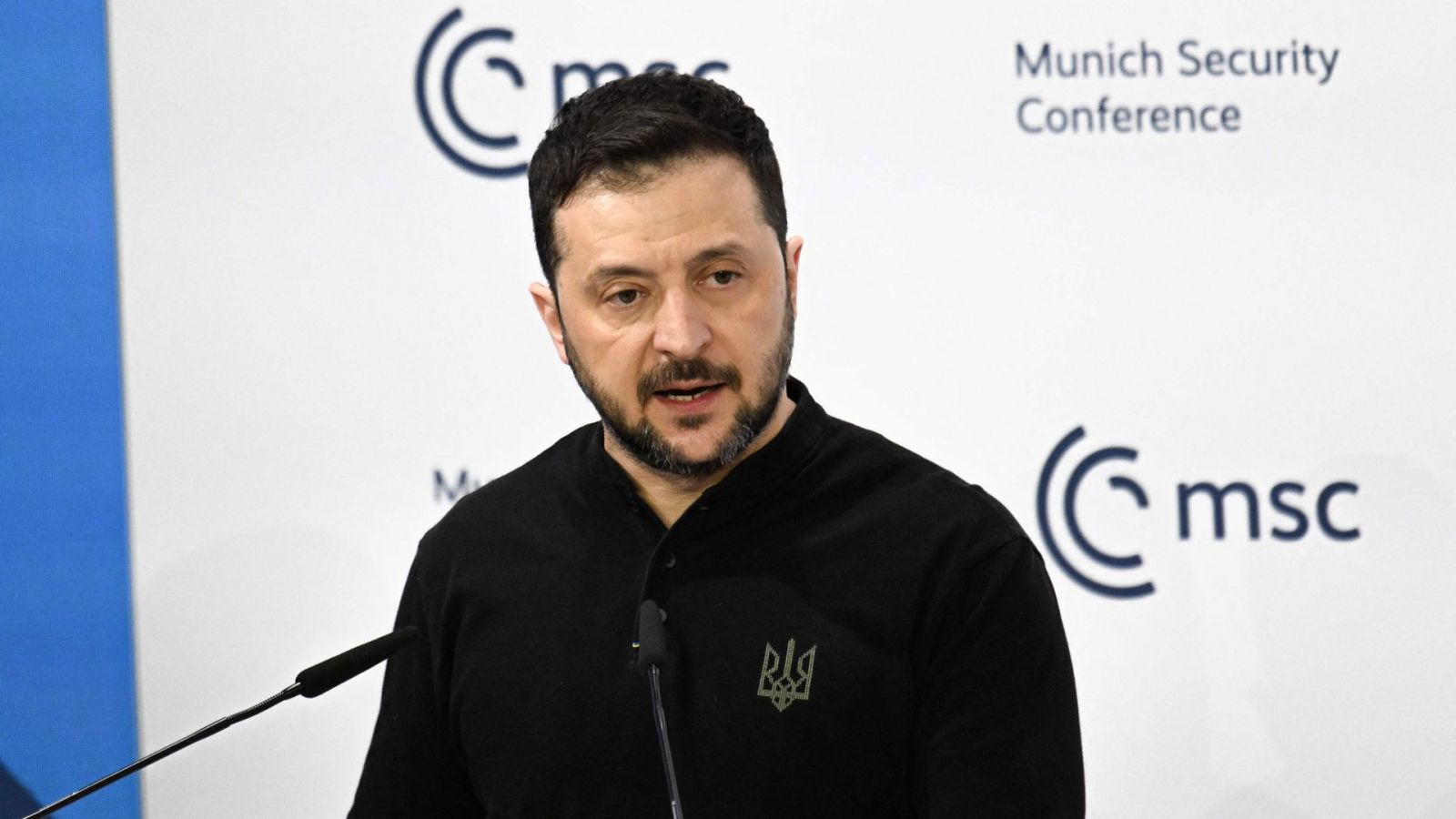
“Бу уруш энди Украинани бўлиб ташлаш орқали ишончли тарзда тугатилиши мумкинлигига ишониш хом-хаёл бўларди – худди Чехословакияни қурбон қилиш Европани катта урушдан қутқаради деган хаёл бўлгани каби”, деди у.
Ўтган беш йиллик оғир давр мобайнида Украинада электростанциялар вайрон қилингани, шунга қарамай мамлакатда электор ишлаб чиқиш тўхтаб қолмаганини маълум қилди. Шунингдек, у ҳарбий-ҳаво кучлари бўлинмасида ракеталар тугаб бораётганига ишора қилди.
“Ростини айтсам, уруш пайтида раҳбар эшитиши мумкин бўлган энг ёмон нарсалардан бири бу ҳарбий-ҳаво кучлари қўмондонининг қуйидаги хабаридир: ҳаво мудофааси бўлинмалари бўш, улар Россия ҳужумларини тўхтатиш учун ракеталаридан фойдаланганлар ва ҳеч қандай таъминот йўқ эди. Разведка маълумотларига кўра, бир ёки икки кун ичида янги улкан ҳужум бўлиши мумкин. Баъзан биз патриотлармиз ёки НАСАМС учун янги ракеталарни ҳужумдан олдин, баъзан эса охирги, энг сўнгги дақиқада етказиб беришга муваффақ бўламиз”, деди Украина раҳбари.
Ўз навбатида, у Германия, Норвегия ва Нидерландияга ҳаво мудофааси тизимларини тақдим этишда кучли етакчилик қилганликлари учун алоҳида миннатдорчилик билдирди.
Шунингдек, Зеленский Яқин Шарқдаги нотинч вазият фонида Эроннинг Россияни қўллаётгани ва унга дрон етказиб бераётганидан норози эканлигини билдириб ўтди.
“Ҳозирда Мюнхен ва бошқа шаҳарлар кўчаларида одамлар Эронда озодликни қўллаб-қувватлашга чақиришмоқда. Биз буни кўрдик. Украина Эрон билан чегарадош эмас. Биз ҳеч қачон Эрон режими билан манфаатлар тўқнашувига дуч келмаганмиз. Аммо улар Россияга сотган “Шаҳид”дронлари бизнинг халқимизни ўлдирмоқда ва инфратузилмамизни вайрон қилмоқда. Эрон режими, аллақачон бошқа кўплаб режимлар бир асрда қила оладиганидан кўра кўпроқ зарар етказди ва ҳали ҳам қила олади. Шунга қарамай, бу режим ҳали ҳам мавжуд. Ва у ҳамма нарсадан, ҳатто бу инқироздан ҳам омон қолишга умид қилмоқда”, дейди Зеленский.
Украина Президенти, шунингдек Россия ҳукумати урушни тугатмоқчи эмаслигини қайд этди ва Москвага нисбатан қатъий чоралар, санкциялар ва аниқ хавфсизлик кафолатлари кераклигини урғулади. Президент ўтган давр мобайнида Россия келтирган зарарлар ҳақида гапирар экан, бу уруш нафақат Украина, балки бутун Европа учун асосий таҳдид эканини яна бир бор ёдга солди.
Ҳақиқатдан ҳам Украина Европага олиб ўтувчи “дарвоза” ҳисобланади. Россиянинг бу урушда ғалаба қозониши, ўз навбатида кейинги агрессиялар тўғридан тўғри Европа давлатларига йўналтирилишини билдиради. Буни истамган ЕИ зўр бериб Киевга ҳарбий ёрдам йўлашда давом этяпти, аммо уруш ҳали тўхтагани йўқ.
Украинадаги муаммоли вазиятга ечим топиш мақсадида 13 февраль куни Мюнхен Хавфсизлик Конференцияси доирасида “Берлин формати” номли мулоқот платформаси ташкил этилди. Унда Владимиз Зеленский билан бирга НАТО раҳбарияти иштирок этиб, келгусидаги аниқ ҳаракатлар стратегиясини тузиш бўйича музокаралар бўлиб ўтди.
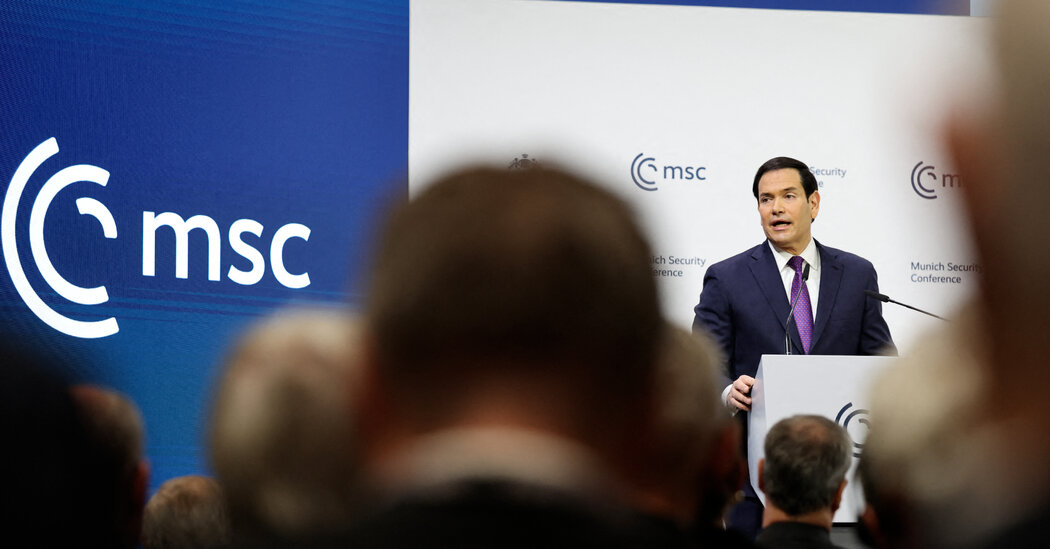
Бироқ, АҚШ Давлат котиби Марко Рубио ушбу кенгашда қатнашмади. Бу эса кўплаб доираларда сўнгги йилларда Трамп сиёсатидаги Россияга ён босиш элементи сифатида талқин этилмоқда. Ҳокимиятга келгандан буён Трамп бошчилигидаги АҚШ маъмурияти Россия–Украина масаласида ўзгача ечимлар таклиф қилмоқда. Тезроқ урушни якунлаш илинжидаги АҚШ раҳбари Украинанинг ерларини Россияга қолдириб бўлса-да, ушбу можарога якун ясашни истаётганига дунё кўп бора гувоҳ бўлди.
Гарчи АҚШ доимо Украина учун асосий қурол етказиб берувчи ва сиёсий ҳимоячи бўлиб келган бўлса-да, 2026 йилда расмий доираларда қарашлар ўзгариш арафасида. Президент Трамп тинчлик музокараларини рағбатлантиришни давом эттирмоқда ва Ғарб сиёсатчиларидан фарқли ўлароқ, урушни тезроқ якунлаш йўлини изламоқда ва бу йўлда у Россия билан компромиссга боришга ҳам тайёр. Айрим таҳлилчилар эса унинг бундай Россия жиноятларига “кўз юмиши” танқид остига олмоқда. Муаммо шундаки, Трамп таклиф қилаётган ҳар қандай ечим, ҳатто Москва манфаатларига монанд бўлса ҳам на Украина, ва на Россия бу таклифга қониқмаяпти.
Зеленскийнинг қатъий позицияси, Ғарб иттифоқчиларнинг ягона фронт ғояси ва АҚШнинг дипломатик ташаббуслари уч йўналишда кесишмоқда. Уруш ҳали давом этаркан, Европа ва АҚШ ўртасидаги стратегик бирдамлик ва Россияга қарши биргаликда чоралар жорий этилиши муҳим масалага айланмоқда. Украина эса нафақат фронт чизиғи, балки Европа хавфсизлигининг рамзий маркази сифатида янада катта стратегик аҳамият касб этмоқда.
Хуллас, 62-Мюнхен Хавфсизлик Конференцияси глобал сиёсий мувозанат тубдан ўзгараётган бир даврга тўғри келди. “Бузилиш арафасида” шиори остида ўтган анжуман нафақат хавфсизлик масалаларини, балки дунё тартибининг қайта шаклланиш жараёнини ҳам очиқ намоён қилди.
Мюнхен–2026 шуни кўрсатдики, “қоидалар асосидаги тартиб” энди аввалгидек ишламаяпти. Кучлар мувозанати силжимоқда, иттифоқлар қайта кўриб чиқилмоқда. Конференция якунлари глобал сиёсатда янги давр бошланганини англатади: энди ҳар бир минтақа ўз хавфсизлиги учун кўпроқ масъулият олишга мажбур. Бир сўз билан айтганда “ўйин” қоидалари ўзгарди.
Live
All