Starlink сўз эркинлигими ёки киберхавф?
Review
−
02 June 5277 6 minutes
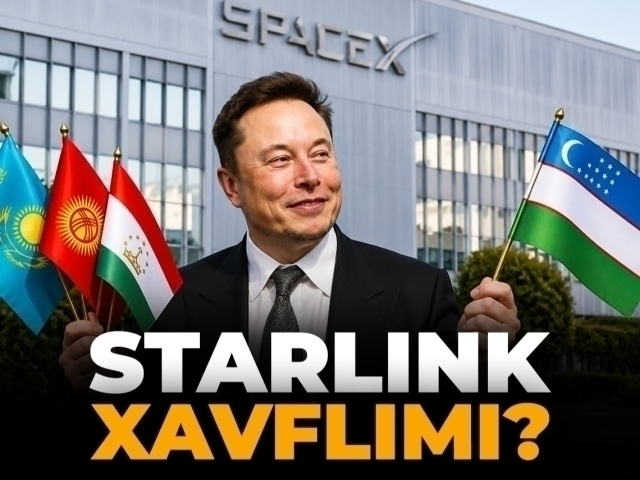
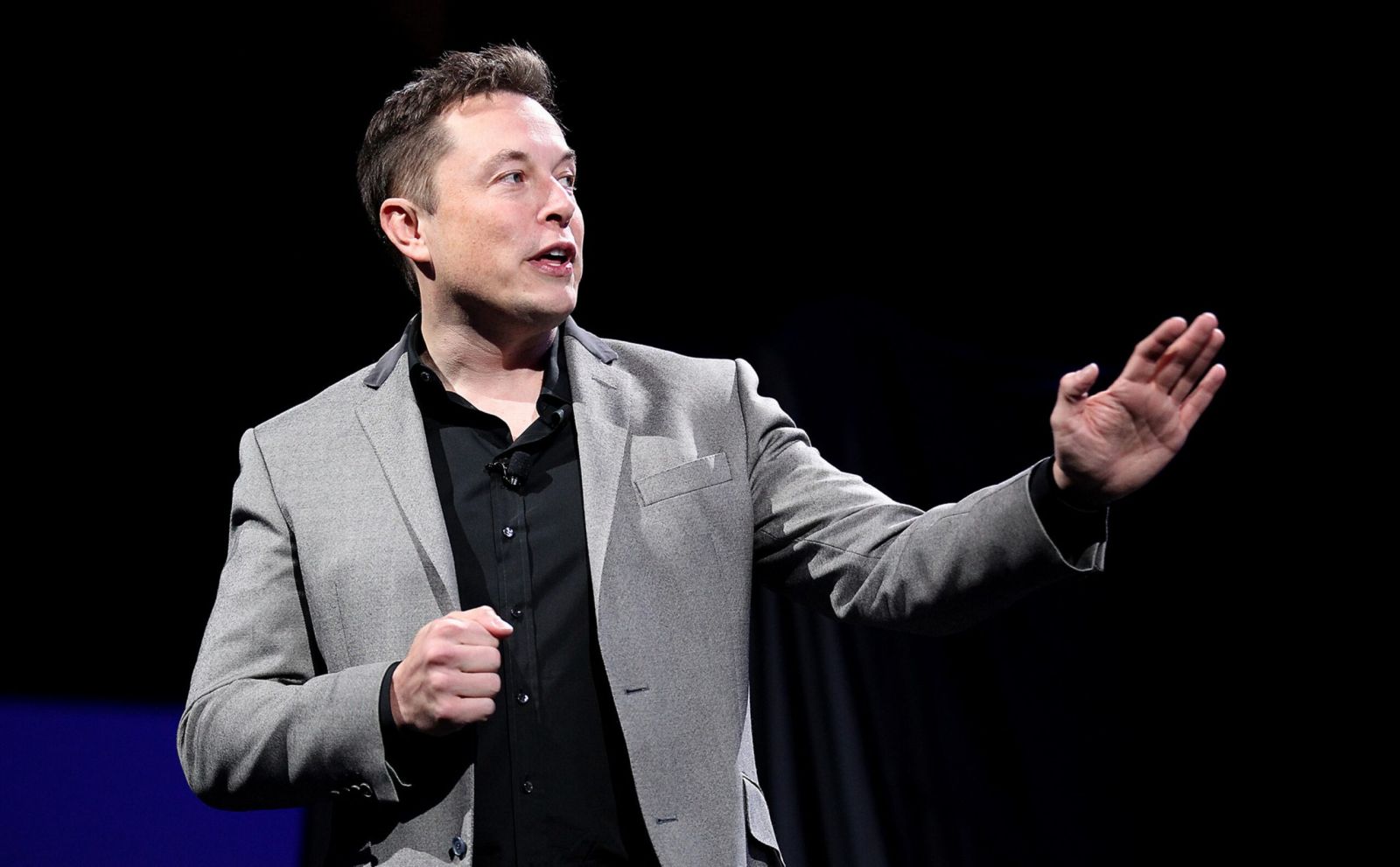
2015 йил 16 январь. Сиэтлдаги ёпиқ тадбирда SpaceX асосчиси Илон Маск Ернинг исталган нуқтасидаги инсонга коинотдан интернетга уланиши мумкин бўлган сунъий йўлдош тармоғини эълон қилди. Ўша пайтда бу режа кўпчилик учун фантастикадек туюлган бўлса, ажаб эмас. Аммо атиги ўн йил ичида бу фантастика 155 мамлакатда 10 миллион фойдаланувчига эга ҳақиқатга айланди. Ҳатто қўшниларимиз Қозоғистон, Қирғизистон ва Тожикистон ҳам бирма-бир шу тармоққа уланмоқда. Лекин нега Ўзбекистонда ҳануз Starlink йўқ?
Starlink нима?
Starlink – SpaceX компаниясининг сунъий йўлдош интернет тизими. Одатий интернет тармоқлари ерости кабеллари ёки мобил минораларга таянади. Starlink эса, интернетни тўғридан-тўғри космосдан узатади.
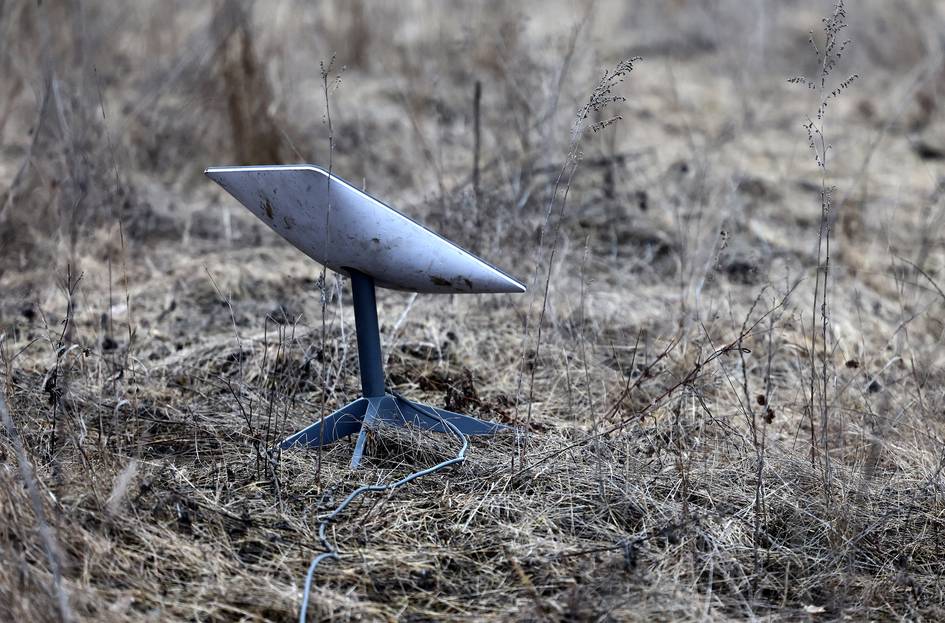
Эски сунъий йўлдош интернетидан асосий фарқи – баландликда бўлиб анъанавий геостационар йўлдошлар Ердан 35 786 километр баландда, Starlink йўлдошлари эса, атиги 550 километрда, яъни қуйи Ер орбитасида айланади. Шу сабабли, сигнал кечикиши 20–40 миллисекунд бўлиб, бу оддий уй интернети билан деярли тенг. Фойдаланувчи томонида кичкина антенна ўрнатилади, у тепада айланаётган йўлдош билан уланади ва интернетни етказиб беради.
Лойиҳа 2015 йил январда эълон қилинди. 2018 йилда биринчи синов йўлдошлари орбитага чиқарилди. 2019 йилнинг майида эса, бир вақтнинг ўзида 60 та йўлдош космосга учирилган эди. 2020 йилдан бошлаб бета режимида биринчи фойдаланувчилар хизматни синаб кўра бошлади.
2026 йил февраль ҳолатига кўра, 155 мамлакатда 10 миллион абонент ҳамда орбитада 10 000 дан ортиқ фаол йўлдош мавжуд. Юклаб олиш тезлиги одатда 50–220 Мбит/сек. 2025 йилнинг ўзида Starlink 42 янги мамлакатда ишга тушди. Ҳатто бугун Украина урушида ҳарбий алоқа воситасига айланди.
.jpg)
Марказий Осиёда Starlink
Лойиҳа расман иш фаолиятини бошлаганига у қадар кўп бўлмаган бўлса-да, Марказий Осиёнинг бир қанча давлатлари Starlink тармоғига расман уланиб улгурди. Қозоғистон минтақада биринчи қадам ташлади. 2023 йилнинг охирида ҳукумат синов лойиҳа сифатида қишлоқ мактабларида Starlink терминалларини синаб кўрди. 2024 йилнинг ўртасига келиб “Қулай интернет” дастури доирасида 1 700 дан ортиқ мактаб тармоққа уланди.
2025 йилнинг 12 июнида Қозоғистон Рақамли ривожланиш вазирлиги Starlink билан расмий шартнома имзолади ва компания маҳаллий хавфсизлик ҳамда алоқа талабларига риоя этиш мажбуриятини олди. 2025 йил 13 августда эса, хизмат расман барча фойдаланувчилар учун очилди.
“Бугунги кунга қадар Starlink Қозоғистонда синов режимида иш олиб борар, фақат мактабларда интернетни таъминларди. Расман у аҳоли учун мавжуд эмас эди. Энди эса, ниҳоят, биз келишувга эришдик: компания ахборот хавфсизлиги ва коммуникациялар соҳасидаги қонунчилигимизнинг барча талабларига риоя қилишга рози бўлди. Бу йил улар барча зарур чораларни амалга оширадилар, фуқароларимиз эса расман ва қонуний равишда сунъий йўлдош интернетига улана оладилар”, деган эди Рақамли ривожланиш, инновация ва аэрокосмик саноат вазири Жаслан Мадиев.
Тожикистон бу тармоққа уланган минтақадаги иккинчи давлат бўлди. Старлинкгача аҳолининг атиги 41,6 фоизи интернетдан фойдаланарди. Мамлакат ҳудудининг 93 фоизи тоғлик жой бўлгани учун кабель тортиш қийин бўлган. Мамлакатдаги мобил интернет тезлиги эса ўртача 10 Мбит/сек дан паст ва бутун мамлакатда 6 000 атрофида доимий абонент мавжуд эди. 2025 йилнинг октябрида Душанбе Халқаро Инвестиция Форумида Starlink билан шартнома имзолангач, 2026 йилнинг 5 февралидан бошлаб Starlink расмий равишда Тожикистонда ҳам ишга тушди.
“Тожиктелеком” бош директори Бахтовар Абдусатторзода келишув биринчи навбатда бориш қийин бўлган ҳудудлардаги давлат ва ижтимоий муассасаларни, жумладан мактаблар, шифохоналар ва қишлоқ маъмуриятларини боғлашга қаратилганини айтади.
Starlink Тожикистонга интернетга қулай уланиш имкониятлари билан бирга сўз эркинлигини ҳам олиб келди. 2016 йилдан бери расмийлар барча интернет-провайдерлардан халқаро трафикни давлат назоратидаги Ягона электрон алоқа коммутация маркази орқали йўналтиришни талаб қилиб, ахборот узатишда кенг қамровли кузатув олиб броган. Ҳукумат нотинчлик ва ғалаёнлар даврида танқидий янгиликлар веб-сайтлари, мустақил оммавий ахборот воситалари ҳамда ижтимоий тармоқ платформаларини мунтазам равишда блоклаб қўйган. 2023 йилда Freedom House халқаро ташкилотининг дунё бўйлаб демократиялар таснифида давлатга 100 баллдан бор-йўғи 5 балл берилган эди.
Ва ниҳоят Қирғизистон ҳам жорий йилнинг 25 май санасида Starlink интернет тармоғига расман уланди. Апрель ойида ҳукумат барча рухсатнома тартибларини тугатганини маълум қилган эди. Мамлакатда Starlink ускуналари тўпламининг нархи 36 минг 270 сўм этиб белгиланган.
Марказий Осиё давлатлари ичида фақат Туркманистон ва Ўзбекистон қолди. Туркманистонни-ку тушунса бўлади, ҳукуматнинг ёпиқ сиёсати кўплаб халқаро тармоқлардан четда қолишига олиб келиши табиий. Аммо Ўзбекистончи?
Нега Ўзбекистонда йўқ?
Аслида ҳаммаси олдинроқ бўлиши керак эди. Америкалик миллиардер Илон Маск томонидан асос солинган SpaceX компанияси 2022 йилда Ўзбекистонда йирик лойиҳаларни амалга оширишга тайёрлигини эълон қилган эди. 2022 йил май ойида Ўзбекистон делегацияси расмийлари Starlink вакиллари билан учрашиб, уларни мамлакатга таклиф қилган эди. Starlink Ўзбекистонда хизматини 2023 йилда бошлаши кутилган эди. Ўзбекистон кўп эҳтимол билан ҳатто Қозоғистондан олдин Starlink’ка уланиши мумкин эди. Аммо муддат 2025 йилга сурилди. 2025 йил августида яна сурилиб, 2026 йил кўрсатилди. Томонлар талаблари ва баъзи техник сабаблар туфайли Ўзбекистон starlink тармоғига уланмай қолиб кетмоқда.
Энг катта муаммолардан бири ер станцияларидир. Starlink ишлаши учун орбитадаги йўлдошлар етарли эмас – сигнални катта интернет магистралларига улайдиган Ер юзидаги гейтвей станциялари ҳам керак. Қозоғистон бу муаммони қизиқарли йўл билан ҳал қилмоқда: ўз гейтвей станциялари орқали Тожикистон ва Қирғизистонга ҳам Starlink хизматини этказиб бермоқчи. Яъни Тожикистон сигнални Қозоғистон станциялари орқали олади. Ўзбекистон учун бу масала ҳали ҳал бўлмаган ва Тошкент бу борада Қозоғистонга боғланиб қолишни хоҳламаяпти.
Давлатга тегишли “O’zbektelekom” AK барча қаттиқ чизиқли интернет уланишларининг 98 фоизини назорат қилади. Бу эса, очиқ монополия деганидир. Starlink’нинг мамлакатда асосий провайдерга айланиши эса фойдаланувчилар маълумотларини Америкадаги хусусий Тек-компаниянинг қўлида йиғилишига олиб келиши мумкин.
Starlink ўзининг расмий махфийлик сиёсатида фойдаланувчиларнинг исм-шарфи, манзили, электрон почта ва банк карта реквизитлари каби маълумотларни тўплаши мумкинлиги ёзилган. Бундан ташқари геолокация ва IP-манзилларинггиз каби техник ахборотлар ҳам SpaceX базаларида йиғилади. Гарчи компания айнан қайси сайтларга кирганингиз ёки ёзишмаларингиз мазмунини (трафик контентини) сақламаслигини даъво қилган бўлса-да, маълум регуляторнинг йўқлиги буни ҳам сўроқ остига қўяди.
Аммо аҳолида тармоққа уланиш хоҳиши юқори. 2026 йил апрель ойида Самарқанд вилоятининг Жартепа чегара постида текширув пайтида, қўшни давлатдан келаётган автомобиль юкхонасида яширилган Starlink терминали топилди. Аммо Ўзбекистонда тегишли рухсатномалар бўлмаса, сунъий йўлдош қурилмаларини импорт қилиш қатъиян тақиқланган.
Агар Ўзбекистон Starlink тармоғига уланган тақдирда ҳам аҳолининг катта қисми сунъий йўлдош интернетидан фойдалана олмаслиги мумкин. Starlink терминали бошқа мамлакатларда 200–500 доллар атрофида, ойлик тўлов эса, тахминан 110 доллар. Ўзбекистоннинг ўртача иш ҳақи билан ҳисобласак, бу нарх ўта юқори. Тожикистонда субсидиялар орқали терминал нархини 30 фоиз арзонлаштириш кўзда тутилган. Аммо бугун Ўзбекистон учун бундай қиммат нархдаги интернет керакми ўзи?
Хуллас, Ўзбекистонда Starlink’нинг йўқлиги нафақат техник ёки молиявий муаммо, балки бу сиёсий бошоғриқ ҳамдир. Ахборот хавфсизлиги, геосиёсий пойга ва яна бир қатор сабаблар бугун ҳам ўзбекистонликларни Starlink тизимидан узоқда сақлаб турибди.

Live
All