Тошкент чанг ичида қолди. Бунинг сабаби нима?
Local
−
18 May 2025 12244 2 minutes

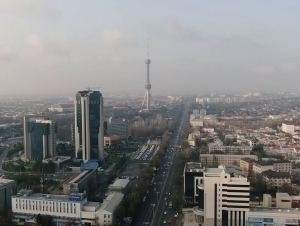
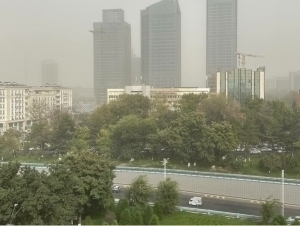
Кеча, 17 май куни Тошкент шаҳрида кучли чанг бўрони кузатилди. Шаҳар аҳолисини безовта қилган бу табиий ҳодиса ижтимоий тармоқларда кўплаб муҳокамаларга сабаб бўлди. Олий Мажлис Қонунчилик палатаси депутати Бахтиёр Пўлатов ушбу воқеа бўйича мутахассис фикри асосида тушунтириш берди.
Атроф-муҳит ва табиатни муҳофаза қилиш технологиялари илмий-тадқиқот институти докторанти Ботир Холмуродовнинг фикрига кўра, Тошкентда чанг бўронининг юзага келишига бир нечта омиллар сабаб бўлган. Энг асосий сабаб – салқин шимолий ҳаво оқими ва жанубдан кириб келаётган иссиқ ҳаво массасининг тўқнашуви, босимнинг ноодатий ортиши ва кескин шамол кучайишидир. Бу ҳаво массалари ўртасидаги кескин ҳарорат фарқи кучли шамолни келтириб чиқарган.
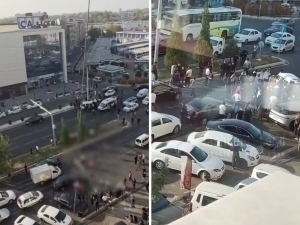
Таъкидлаш жоизки, шамол тезлиги айрим ҳудудларда 20 м/с дан ошгани айтилмоқда. Кучли шамол ўз навбатида қуриган тупроқдан ва очиқ ер майдонларидан чанг заррачаларини кўтариб, ҳаво муҳитига тарқатди. Оқибатда шаҳарнинг турли нуқталарида кўриш масофаси қисқариб, нафас олиш қийинлашган. Об-ҳаво шароитини ўрганаётган экспертлар бу ҳолатни “фронтал тўқнашув” деб атайди. Яъни совуқ ва иссиқ ҳаво массалари бир жойда тўқнашганида атмосфера беқарорлашиб, кучли шамол ва чанг кўтарилиши эҳтимоли кескин ортади.
“Айнан шу жараён Тошкентда булутли осмон, чақмоқ ва қисқа муддатли ёғингарчилик билан бирга кечди”, дейилади хабарда.
Эслатиб ўтамиз, кеча 17 май куни Тошкент шаҳри дунёнинг йирик шаҳарлари орасида ҳавонинг ифлосланиш даражаси бўйича 1-2-ўринга чиққан эди. Кучли шамол сабаб Тошкент шаҳрида 8,5 минг, Тошкент вилоятида 10,3 минг абонент вақтинча электр энергиясидан узилганди.

Live
All26 October
26 October