Сурхондарёда 3000 йиллик шаҳар қолдиқлари топилди
Local
−
04 April 14364 2 minutes
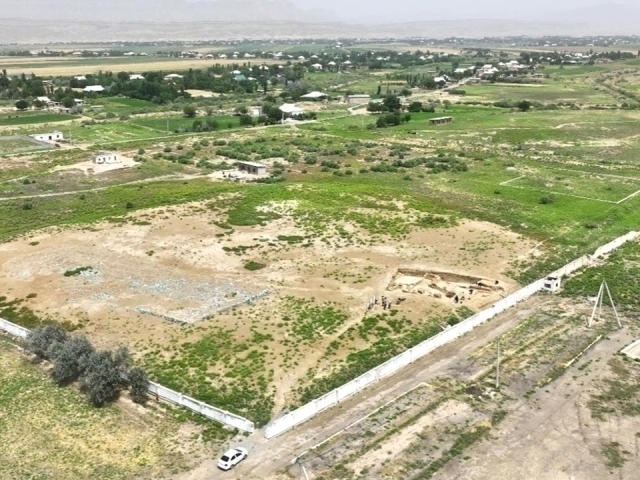
Ўзбекистон ва Хитой археологлари Сурхондарё вилоятида тахминан уч минг йиллик тарихга эга бўлган қадимий шаҳар қолдиқларини топди. Бу ҳақда “Heritage Daily” хабар берди.
Қайд этилишича, Бандихон II археологик ёдгорлигида олиб борилган қазишмалар давомида олимлар милоддан аввалги Х асрда барпо этилган ва VIII асргача мавжуд бўлган аҳоли манзили изларини аниқлаган.
Мутахассислар бу топилма илк темир давридаги аҳоли пунктлари қандай қурилгани ва қандай вазифаларни бажарганлигини тушунишга ёрдам беришини таъкидлаган.
Ёдгорликнинг шарқий қисмидаги қазишмалар ҳам қуйи маданий қатламлар айнан шу даврга тегишли эканини тасдиқлайди. Бу жой Бандихон воҳасидаги энг йирик ва яхши сақланган тураржой мажмуаларидан бири ҳисобланади. Сурхондарё вилояти Ўзбекистондаги энг бой археологик ҳудудлардан бири бўлиб, бу ерда кўплаб темир даврига оид ёдгорликлар мавжуд.
Олимларнинг фикрича, топилган меъморий қолдиқлар ва артефактлар орқали қадимги одамларнинг кундалик ҳаёти, ижтимоий муносабатлари ва технологиялари ҳақида тасаввур ҳосил қилиш мумкин. Бу манзилгоҳ Марказий Осиёдаги қадимги савдо йўллари ва маданий алоқаларда муҳим ўрин тутган бўлиши мумкин.
Эсалтиб ўтамиз, аввалроқ Ўзбекистон Фанлар академияси Тарих институти археологлари томонидан Тошкент вилояти ҳокимлиги ҳомийлигида амалга оширилаётган археологик қазишмаларнинг навбатдаги кунида ноёб топилма – милодий 10-11 юз йилликларга оид деворий суратлар аниқланганди.

Live
All23 October