Сиёсат соясидаги спорт
Sport
−
24 January 5007 7 minutes
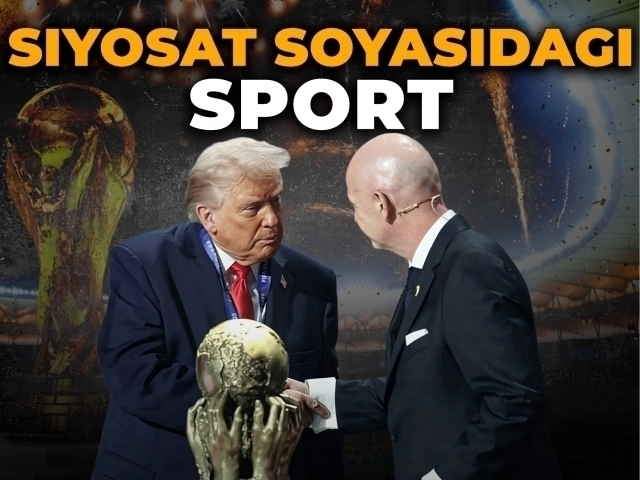
Европанинг етакчи жамоалари АҚШ Президенти Дональд Трамп туфайли 2026 йилги Жаҳон чемпионатини бойкот қилишга тайёр – баёнотлар аллақачон янграмоқда.
2026 йилда тўрт йилликнинг энг нуфузли футбол мусобақаси, Ўзбекистон халқининг 34 йиллик орзуси бўлмиш Жаҳон чемпионати бўлиб ўтади. Ушбу турнир тарихда илк бор ўз масштабини кенгайтириб, учта давлат мезбонлигида ташкил этилмоқда. Иштирокчи жамоалар сони ҳам аввалгидек 32 та эмас, балки 48 тага етказилди. Ўзбекистон, Иордания, Кабо-Верде ва Кюрасао каби мамлакатлар ўз тарихидаги илк мундиалга қизғин тайёргарлик кўраётган бир пайтда, мусобақа мезбонларидан бири бўлмиш Америка Қўшма Штатлари йилни шов-шувли воқеалар билан бошлади. Бошқа бир қитъага мансуб давлат ҳудудидан мамлакат раҳбарини олиб қочган АҚШ Президенти Дональд Трамп энди Гренландия ҳудудларига ҳам эгалик қилиш истаги билан дунё эътиборини тортмоқда. Бу вазиятлар фонида бошланишига олти ойдан сал камроқ вақт қолган Жаҳон чемпионати эса аллақачон бир қатор жанжаллар марказига айланиб улгурди. Энг шов-шувли масалалардан бири – Европанинг етакчи терма жамоалари томонидан эҳтимолий бойкот эълон қилиниши билан боғлиқ. Келинг, уларни бирма-бир кўриб чиқамиз ва Ўзбекистон илк бор иштирок этадиган ушбу турнирни олдиндан нималар кутаётганини тахмин қилиб кўрамиз.
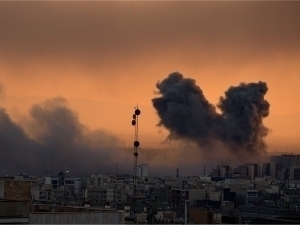
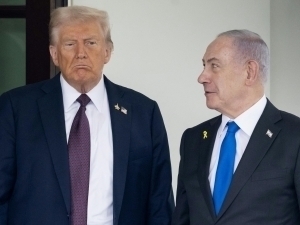
2025 йил 5 декабрь куни АҚШ пойтахти Вашингтонда жойлашган “The Kennedy Center” мажмуасида мундиалга қуръа ташлаш маросими бўлиб ўтди. Унда FIFA раҳбари Жанни Инфантино томонидан Дональд Трампга махсус Тинчлик мукофоти бурилди. Трамп эса ушбу мукофотнинг муҳокамалари совиб улгурмасданоқ тинчлик чегараларини босиб ўтди. 2026 йилнинг бошида, 3 январь куни тунда Венесуэла пойтахти Каракас шаҳрида портлашлар содир бўлди. Шундан сўнг АҚШ Президенти Қўшма Штатлар Венесуэлага кенг кўламли зарбалар бергани, Венесуэла Президенти Николас Мадуро эса рафиқаси билан қўлга олиб, мамлакатдан олиб кетилганини билдирди. АҚШ расмийлари эр-хотинни “наркотерроризм”да айбламоқда. Кейинчалик вазият Трампнинг Гренландияни Қўшма Штатларга қўшиб олиш ҳақидаги кескин баёнотлари фонида янада кескинлашди.
FIFA Тинчлик мукофотини Трампга қандай мезонлар асосида бергани бўйича батафсил маълумот тақдим этмаган. Ташкилот ичидаги юқори лавозимли амалдорлардан бирининг “The Guardian” нашрига маълум қилишича, Трампни тақдирлаш маросими FIFA раҳбариятида жиддий хавотир уйғотган ва бу ҳолат “чуқур шармандалик” сифатида қабул қилинган. FIFA расмийларидан бири 2026 йилги Жаҳон чемпионатини АҚШда ўтказиш жараёни энди “жуда нозик ва мураккаб” босқичга кирганини тан олган.
Биринчи бойкотлар мухлислардан бошланди
Қўшма Штатлардаги хавфсизлик билан боғлиқ қўрқувлар, сиёсий беқарорлик ва инсон ҳуқуқлари масаласидаги хавотирлар кучайиб бораётган бир пайтда, ўн минглаб мухлислар бўлажак мусобақада иштирок этишдан воз кеча бошлади. Ушбу ҳолат FIFA’ни ҳатто фавқулодда йиғилиш ўтказишга мажбур қилди. “Roya News” нашри хабарига кўра, ижтимоий тармоқларда тезкорлик билан тарқалган бойкот чақириқларидан сўнг тахминан 16 800 нафар чипта эгаси Жаҳон чемпионатига бориш режаларини бир кечанинг ўзида бекор қилган.
Хусусан, хорижлик мухлислар АҚШ бўйлаб саёҳат қилиш чоғида мавжуд сиёсий муҳит уларни ноқулай аҳволга солаётгани ҳамда шахсий хавфсизлик билан боғлиқ жиддий хавотирлар мавжудлигини қайд этишмоқда.
Кўпчилик учун норозиликларнинг бурилиш нуқтаси Миннеаполис шаҳрида АҚШ Иммиграция хизмати (ICE) билан боғлиқ ҳолда содир бўлган ҳалокатли отишма бўлгани айтилмоқда. Ушбу ҳодиса ICE ходимлари томонидан отиб ўлдирилган 37 ёшли, уч нафар фарзанднинг онаси билан боғлиқ бўлиб, полиция фаолияти, жамоат хавфсизлиги ва эҳтимолий фуқаролик тартибсизликлари юзасидан хавотирларни янада кучайтириб юборди.
Британия ва Германияда бойкот масаласи жиддий муҳокамада
Трампнинг Гренландияни АҚШ ҳудудига айлантириш истаги фақат Данияни эмас, балки бошқа Европа давлатларида ҳам кескин норозилик уйғотди. Айрим сиёсатчилар Трампга қарши энг оғриқли жавоб – 2026 йилги Жаҳон чемпионатини бойкот қилиш бўлиши мумкинлигини таъкидламоқда. Буюк Британияда Либерал-демократлар партиясидан депутат Люк Тейлор Англия ва Шотландия терма жамоалари Жаҳон чемпионатига йўлланма олган тақдирда ҳам, норозилик сифатида турнирдан воз кечиш масаласини кўриб чиқишга чақирди. Консерватив партиянинг собиқ вазири Саймон Хоар эса кескинроқ баёнот берди.
“Европа терма жамоалари Жаҳон чемпионати пайтида Америка стадионларида ўйнаши шартми? Бойкот президентни ўз уйида ноқулай аҳволга солиб қўяди. Биз оловга олов билан жавоб беришимиз керак”, дейди собиқ вазир.
Шунга ўхшаш фикрлар Германияда ҳам янграмоқда. Бундестаг аъзоси ва канцлер Фридрих Мерцнинг иттифоқчиси Юрген Хардт Трампни “Гренландия масаласида ақлга сиғдириш” учун терма жамоа бойкоти каби кескин чораларни ҳам истисно қилмайди. АҚШ билан савдо можаросига тортилган Франция ва Нидерландия ҳам бу масалада четда қолмаяпти. Француз сиёсатчиси Эрик Кокерель АҚШдаги турнирда мамлакат терма жамоасининг иштироки борасида жиддий савол қўйди.
“Франция терма жамоаси қўшниларига таҳдид қилаётган, Гренландияга бостириб кириш ҳақида гапираётган ва халқаро ҳуқуқни бузаётган мамлакатда мусобақалашишини тасаввур қила оласизми?” деган у.
Франция миллий ассамблеяси аъзоси Томас Портес эса АҚШнинг хатти-ҳаракатлари сабаб ижтимоий тармоқлардаги саҳифасида 2026 йилги футбол бўйича Жаҳон чемпионатини бойкот қилишга чақирган.
“Дональд Трампнинг фашистик хатти-ҳаракатларини, жумладан, давлат раҳбарини ўғирлаш, бошқа давлатларга бостириб кириш билан таҳдид қилиш, геноцидни қўллаб-қувватлаш ҳамда Жаҳон чемпионатида иштирок этиш ҳуқуқига эга бўлган камида 13 давлат фуқаролари учун визаларни тақиқлашни ҳисобга олган ҳолда, оммавий бойкот зарур”, деб ёзди Портес.
Шунингдек, Германиянинг INSA институти томонидан ўтказилган сўров натижаларига кўра, агар Вашингтон Гренландияни ҳарбий йўл билан эгаллашга қарор қилса, германияликларнинг катта қисми АҚШда бўлиб ўтадиган Жаҳон чемпионатини мамлакат томонидан бойкот қилинишини қўллаб-қувватлайди. Сўровда қатнашганларнинг 47 фоизи АҚШ оролни ҳарбий йўл билан эгаллаган тақдирда Германия бўлажак турнирни бойкот қилиши керак, деб ҳисоблаган, 35 фоизи бунга қарши эканини билдирган, 18 фоизи эса аниқ қарорга келмаган.
Тарихда бундай ҳолатлар кузатилганми?
Спорт доимо тинчлик, бирдамлик ва адолат рамзи сифатида кўрилиб келган бўлса-да, тарих шуни кўрсатадики, у кўп бор сиёсий қарорлар ва геосиёсий қарама-қаршиликлар таъсиридан четда қолмаган. Айрим даврларда сиёсий сабаблар туфайли йирик спорт мусобақалари оммавий бойкотларга учраган ва бу ҳолатлар спорт тарихида муҳим из қолдирган.
Бунинг энг ёрқин мисолларидан бири 1980 йилги Москва Олимпия ўйинларидир. АҚШ бошчилигидаги бир қатор Ғарб давлатлари Совет Иттифоқининг Афғонистонга қўшин киритишини қоралаб, Олимпиадани бойкот қилган. Натижада 60 дан ортиқ давлат мусобақада иштирок этмаган. Орадан тўрт йил ўтиб, 1984 йилги Лос-Анжелес Олимпиадаси ҳам худди шундай вазиятга дуч келган. Бу сафар Совет Иттифоқи ва унинг иттифоқчилари хавфсизлик ва сиёсий сабабларни рўкач қилиб, ўйинларда қатнашишдан бош тортди. Шундай қилиб, икки Олимпиада кетма-кет равишда сиёсий қарама-қаршиликлар майдонига айланди.
Сиёсатнинг спортга таъсири фақат Олимпиадалар билан чекланиб қолмаган. FIFA Жаҳон чемпионатлари тарихида ҳам бунга ўхшаш ҳолатлар кузатилган. Хусусан, футбол ватани ҳисобланган Англия терма жамоаси дастлабки учта Жаҳон чемпионатида иштирок этмаган. Бунга сабаб Англия футбол ассоциациясининг FIFA’га аъзо бўлмагани ва халқаро футбол ташкилоти билан келишмовчиликлари бўлган. Оқибатда дунё футболининг асосчиларидан бири бўлган мамлакат Жаҳон чемпионати тарихининг илк саҳифаларида кўриниш бермаган.
Бу мисоллар шуни кўрсатадики, спорт қанчалик глобал ва оммавий ҳодиса бўлмасин, у кўпинча сиёсий қарорлар таъсирида қолиб кетган. Бойкотлар, чекловлар ва иштирокдан воз кечишлар нафақат мусобақаларнинг спорт қийматига, балки спортчиларнинг тақдирига ҳам жиддий таъсир кўрсатган.
Шу боис, спорт тарихидаги бундай воқеалар бугунги кунда ҳам муҳим сабоқ бўлиб хизмат қилади. Улар спорт ва сиёсат ўртасидаги мураккаб муносабатларни, шунингдек, глобал спорт мусобақаларининг фақат спорт эмас, балки халқаро муносабатлар майдони ҳам эканини яққол намоён этади. Ҳозирча сиёсатчилар томонидан илгари сурилаётган бойкот ғоялари терма жамоалар ва мухлислар томонидан қандай қабул қилиниши номаълум. Бироқ АҚШ ва Европа ўртасидаги қарама-қаршилик кучайишда давом этса, етакчи жамоаларнинг турнирдан воз кечиши реал сценарийга айланиши мумкин.

Live
AllOhangaronda o'qituvchi o'quvchini kaltakladi
22 October
Avstraliyada kuchli yomg'ir yog'di
22 October
Gretsiyada ham talabalar namoyish boshladi
22 October