С5+1: Оқ уй Марказий Осиё етакчилари билан саммитга тайёрланмоқда
Review
−
05 November 2025 8434 7 minutes
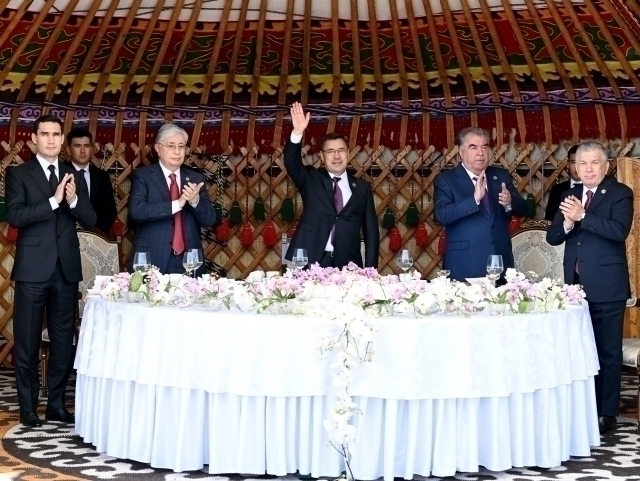
Эртага, 6 ноябрь куни АҚШ пойтахти Вашингтондаги Президент қароргоҳи Оқ уйда С5+1 форматидаги Марказий Осиё-Америка Қўшма Штатлари саммити бўлиб ўтади. Унда минтақа давлатлари раҳбарлари ва АҚШ Президенти Дональд Трамп иштирок этади. Ўзбекистон Президенти Шавкат Мирзиёев аллақачон Вашингтонга етиб борган.
Нега бирдан Вашингтон бу саммитга мезбонлик қилаётгани қизиқ. Воқеалар кетма-кетлигини кўриб чиқадиган бўлсак, АҚШ Конгресси аъзолари Сидни Камлагер-Дав ва Билл Хёйзенга Президент Дональд Трампга дипломатик форумнинг 10 йиллиги муносабати билан Вашингтонда С5+1 саммитини ўтказишга чақирган мактуб йўллашди. Трамп уларнинг таклифини маъқуллади чоғи Жанубий ва Марказий Осиё бўйича махсус вакили Сержио Горни АҚШ Давлат котибининг ўринбосари Кристофер Ландау билан бирга Ўзбекистон ва Қозоғистонга юборди. Улар мамлакатлар раҳбарияти билан кўришиб, режаларни келишиб олди. Шундай қилиб эртага Оқ уйда тарихий саммит бўлиши кутилмоқда.
С5+1 тарихи
АҚШ учун С5+1’нинг аҳамияти Марказий Осиёда Россия ва Хитой таъсирини чеклаш орқали, ўз манфаатларини амалга ошириш бўлса, Марказий Осиё учун минтақавий ва глобал муаммоларни дунёнинг энг йирик иқтисодига эга давлат билан биргаликда ҳал этиш, ўзаро интеграциялашув ва илиқ муносабатлар орқали қўлловга эришишдир. Шу маънода ушбу саммит ҳар икки томон учун бирдек муҳим.
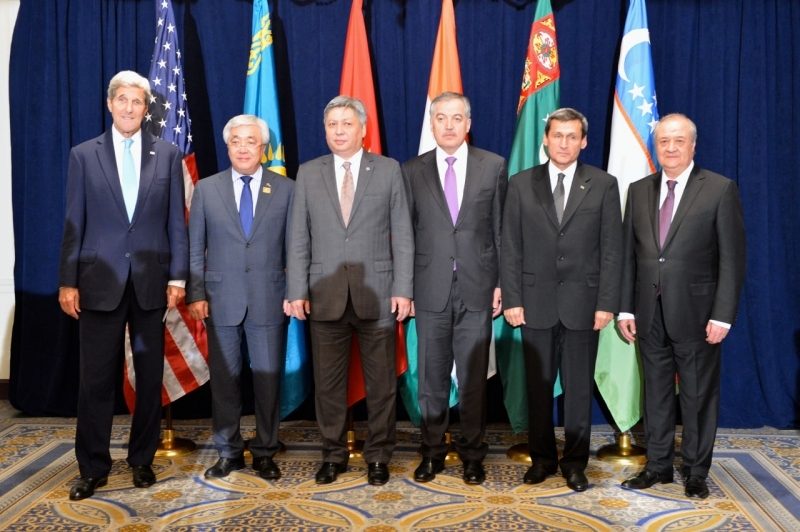
Ушбу ғоянинг вужудга келиши 2015 йилга бориб тақалади. Ўша йили 26 сентябрда бўлиб ўтган БМТ Бош Ассамблиясининг 70-сессиясида АҚШнинг ўша вақтдаги давлат котиби Жон Керри Марказий Осиёнинг беш давлати ташқи ишлар вазирлари билан учрашади. Унинг сиёсий, иқтисодий ва хавфсизлик масалаларида мунтазам мулоқот яратиш таклифи томонлар тарафидан мақулланиб, С5+1 дастури шаклланади.
Дастлабки саммит 2015 йилнинг ўзида, 1 ноябрь санасида Ўзбекистоннинг Самарқанд шаҳрида бўлиб ўтди. Муваффақиятли ўтган ушбу учрашувда олти давлат савдо, транспорт ва энергетика соҳаларида ҳамкорликни кенгайтириш тўғрисида декларация эълон қилди. Айнан шу воқеадан кейин С5+1 ҳар йили ўтказиладиган бўлди.
2016 йил 3 август куни Вашингтонда ўтказилган иккинчи саммит давлатлар ўртасида дипломатик муносабатларнинг ўрнатилганининг 25 йиллиги нишонланди. Саммит якунида АҚШ ва Марказий Осиёнинг бешта давлати АҚШ билан ўн беш миллион долларгача молиявий кўмак кўрсатувчи бешта тегишли лойиҳани ишга туширди. Шу аснода кейинги йилларда ҳам бу анъана давом этди, ҳатто 2017, 2019, 2020, 2021 йилларда дипломатик мулоқотлар йилига икки мартадан ташкил этилди.
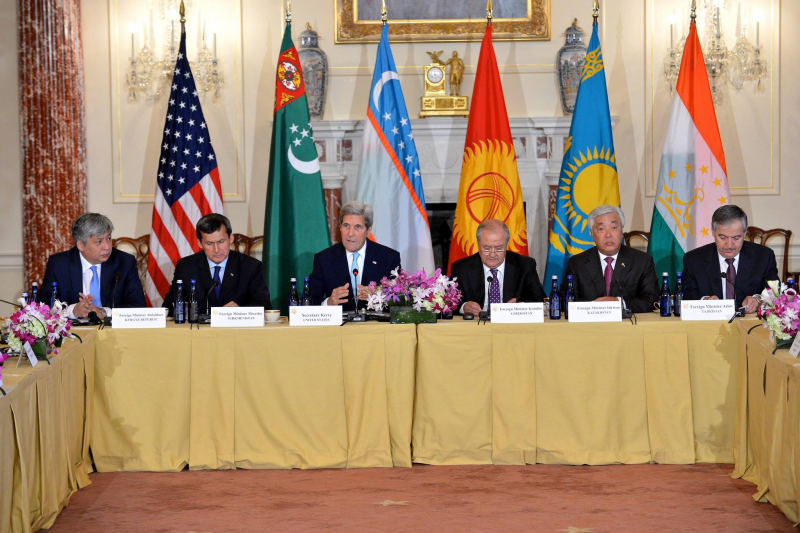
Пандемия даврида ҳам томонлар ўртасидаги алоқалар узилиб қолгани йўқ. 2020 йил 3 февралда Тошкентда бўлиб ўтган саммитда АҚШнинг 70-бош котиби Майк Помпео ва Марказий Осиё ташқи ишлар вазирлари Афғонистондаги тинчлик жараёни, чегаралар хавфсизлигини таъминлаш, иқтисодий ва энергетика алоқаларини яхшилаш бўйича минтақавий саъй-ҳаракатларни муҳокама қилган бўлса, шу йилнинг ўзида ташкиллаштирилган иккинчи саммит 30 июнь куни COVID-19 пандемияси туфайли видеоконференция шаклида бўлиб ўтди. Унда томонлар пандемиянинг иқтисодий таъсири ҳақида, мустаҳкам алоқаларни сақлаб қолишга келишиб олди.
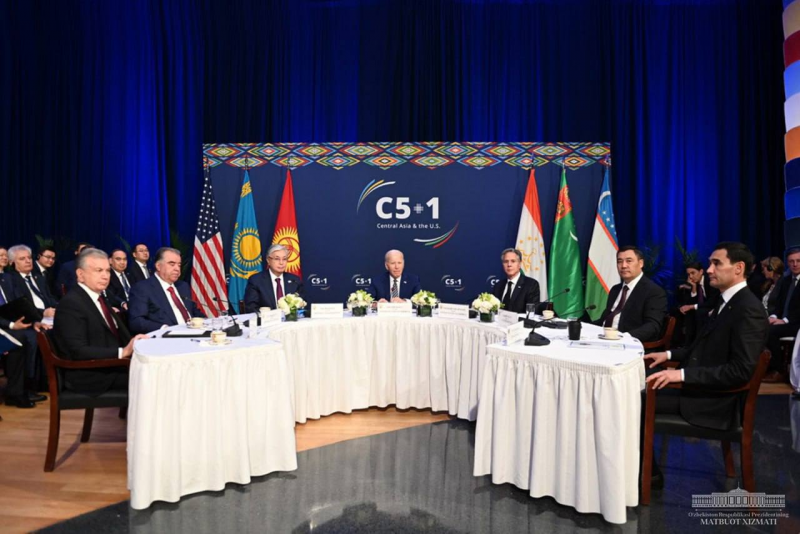
2023 йил 19 сентябрь куни Нью-Йоркда Бирлашган Миллатлар Ташкилоти Бош Ассамблеясининг 78-сессияси доирасида бўлиб ўтган С5+1 саммити алоҳида тарихий аҳамиятга эга, негаки ушбу йиғилиш илк бора Президентлар даражасида ўтказилган эди. Унда Ўзбекистон Президенти Шавкат Мирзиёев, Қозоғистон Президенти Қосим-Жўмарт Тўқаев, Қирғизистон Президенти Садир Жапаров, Тожикистон Президенти Имомали Раҳмон, Туркманистон Президенти Сардор Бердимуҳамедов ва АҚШнинг ўша пайтдаги етакчиси Жо Байден иштирок этган эди. Унда АҚШ-Марказий Осиё стратегик шериклигини ривожлантириш, савдо-иқтисодий имкониятлар соҳасидаги ҳамкорлик, уларнинг сиёсий мулоқотини кенгайтириш, АҚШ сармояси, Яшил ривожланиш, минтақавий хавфсизлик, трансчегаравий жиноятчилик ва гуманитар мавзулар муҳокама қилинган эди.
Аммо бир нарсани таъкидлаб ўтиш жоизки, ушбу саммитлардан кўзланган асосий мақсад Марказий Осиёга ёрдам бериш эмас, унинг ҳудудида “анти Америка” кучларининг таъсирини чеклаш ва АҚШ манфаатларига оғадиган келишувларга эришиш эди. Шу туфайли баъзи учрашувларда йўлга қўйилган лойиҳалар қоғозда қолиб кетар, киритилиши керак бўлган инвестициялар турли сабаблар туфайли тўхтаб қолар эди.
С5+ Дунё
Марказий Осиё минтақаси, географик жиҳатдан қуруқликнинг юраги сифатида, ҳар доим дунё сиёсатининг марказий эътиборида бўлган. Бу ҳудуд табиий ресурсларга бой, транзит йўлларини бирлаштирувчи нуқта сифатида бугунги кунда ҳам глобал стратегик ўйинда муҳим роль ўйнайди. Шу сабаб ҳам бу ерда таъсирга эга бўлиш барча қудратли давлатлар учун муҳим. Айнан шу масалада давлатлар “С5+” форматидан самарали фойдаланиб келмоқда.
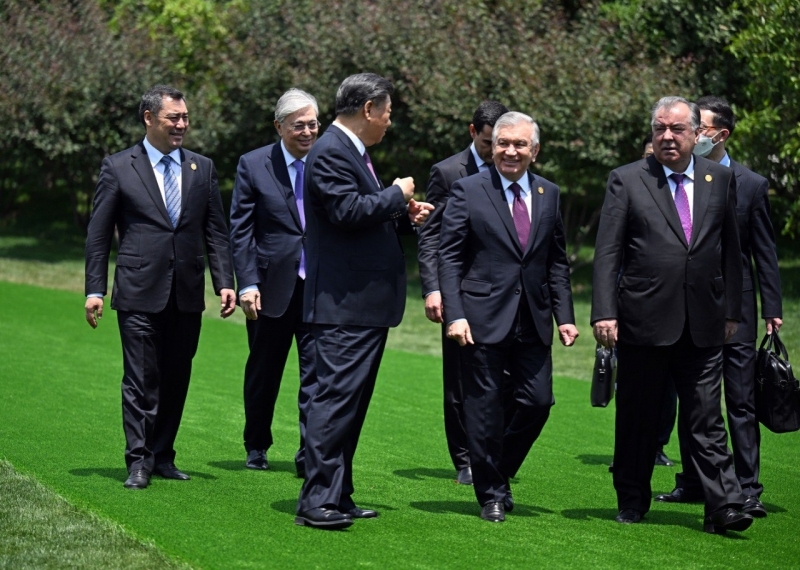
2023 йил 8 май куни Хитой Ташқи ишлар вазирлиги матбуот котиби Хуа Чуньин Коммунистик Халқ Партияси Бош котиби Си Цзиньпин 18 ва 19 май кунлари Шенси провинцияси Циан шаҳрида “Хитой – Марказий Осиё” саммитига мезбонлик қилишини маълум қилди. Учрашувда Марказий Осиё минтақаси давлат етакчилари таклиф қилинди. 2023 йил 19 май куни эрталаб олти томон музокаралар ўтказди, унда Хитой Маркаий Осиё мамлакатларига жами 26 миллиард юань миқдорида молиявий кўмак ва беғараз ёрдам кўрсатиши, савдони осонлаштириш бўйича кўпроқ ташаббусларни жорий этиш ва икки томонлама сармоявий келишувларни янгилаш ҳамда Хитой-Марказий Осиё газ қувурининг Д-линияси қурилишини жадаллаштириши эълон қилинди. Саммитда ҳамкорлик бўйича 54 та асосий консенсус ва ташаббусларга эришилди, жумладан, улар орасида 19 та кўп томонлама ҳамкорлик платформаларини ташкил этиш ва тўққизта кўп томонлама ҳамкорлик ҳужжатларини тузиш бор эди.
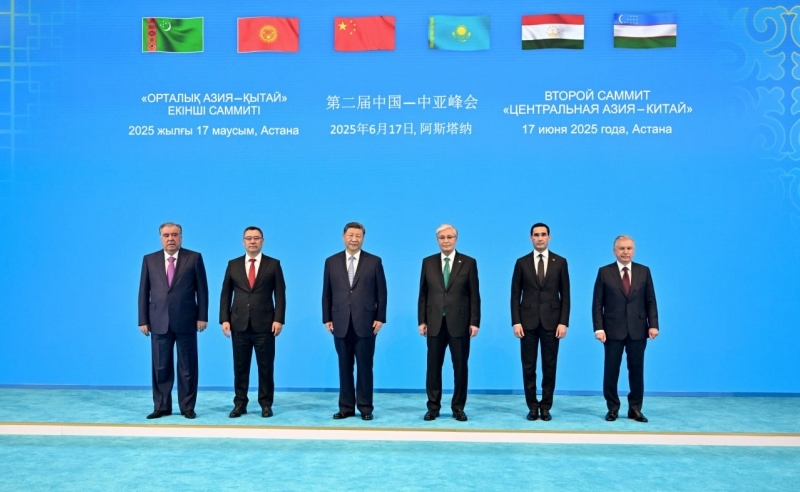
Муваффақиятли ўтган биринчи саммитдан сўнг давлат раҳбарлари ушбу дипломатик форумни икки йилда бир марта анъанавий тарзда ўтказишга келишиб олган эди. Келишувга мувофиқ 2025 йилда 16-18 июнь кунлари Қозоғистон пойтахти Остона шаҳрида Хитой-Марказий Осиё самммити бўлиб ўтгани кўпчиликнинг ёдида бўлса керак.
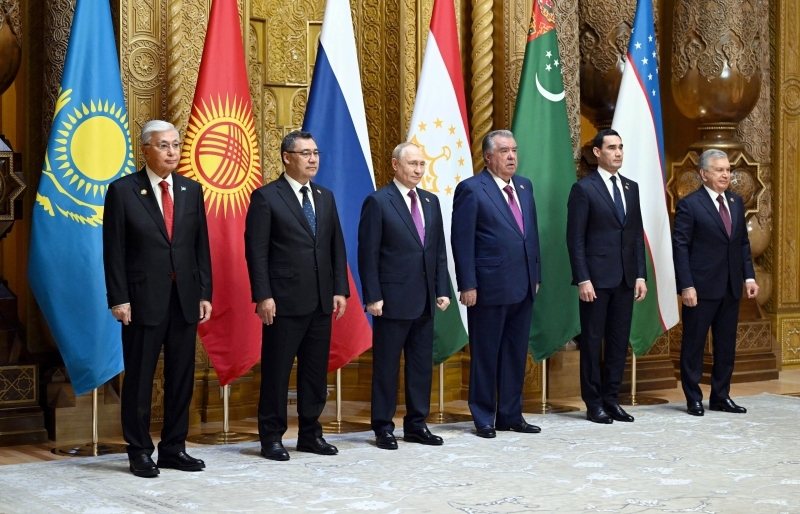
Марказий Осиёдаги манфаатларини йўқотишни истамаган Россия ҳукумати ҳам “С5+” форматида саммитлар ташкил этишни истаб қолди. Дастлабки саммит 2022 йил 14 октябрда Остонада уюштирилди. Москва ташаббуси билан ташкил этилган учрашувда геосиёсий вазиятда умумий савдо-иқтисодий манфаатларни таъминлаш, Афғонистондаги вазият контекстида минтақавий хавфсизлик масалалари каби масалалар муҳокама қилинган. Хитой ва АҚШнинг бу ҳудудда таъсири ошиши, Путин ҳукуматини олиб бораётган сиёсатини мулойимлаштиришга мажбур қилди. Аста-секин Россия буйруқ берувчи образидан, таклиф киритувчи ҳамкор позициясига ўтиб борди. Айниқса бу ҳол, жорий йилнинг 9 октябридаТожикистон пойтахти Душанбеда ўтган “Марказий Осиё – Россия” иккинчи саммитида яққол намоён бўлди. Бундан Марказий Осиё давлатлари раҳбарлари ҳам фойдаланиб, ўз мамлакатлари манфаатлари юзасидан келишувларга эришди.
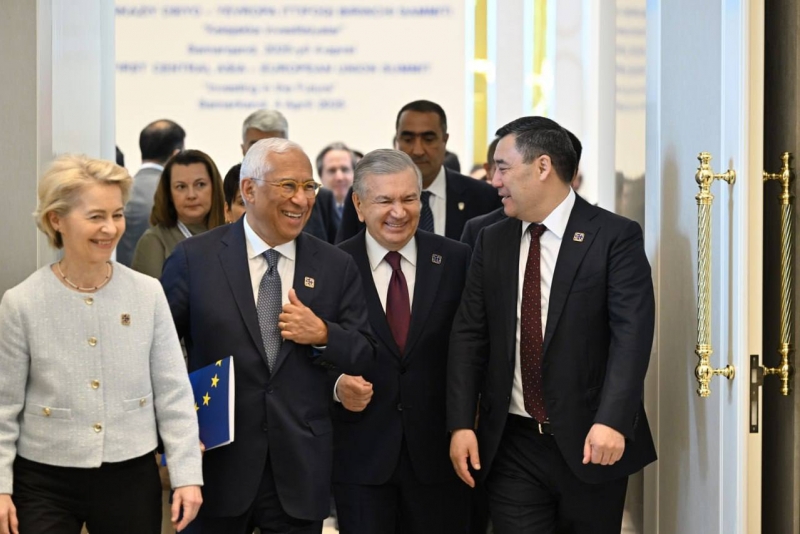
Марказий Осиё минтақаси нафақат юқоридаги уч йирик давлат балки Европа Иттифоқи (ЕИ)нинг ҳам манфаатлари туташадиган муҳим ҳудуд. Жорий йилнинг 4 апрелида Самарқанд шаҳрида ташкил этилган саммит бунга яққол мисол. EИ томонидан Европа Кенгаши Президенти Антонио Коста ва Европа Комиссияси Президенти Урсула фон дер Ляйен ҳамда Марказий Осиё давлат раҳбарлари иштирокида бўлиб ўтган илк саммитга Ўзбекистон етакчиси Шавкат Мирзиёев мезбонлик қилди. Хавфсизлик муаммолари, иқтисодий алоқалар, инсон ҳуқуқлари, иқлим, энергия, савдо ва инвестициялар кун тартибидаги асосий муҳокама мавзулари бўлди.
Япония Марказий Осиё билан мустаҳкам алоқаларни йўлга қўйган илк давлатлардан ҳисобланади.
Япония-Марказий Осиё саммити вазирлар даражасида 2004 йил 28 августда Қозоғистоннинг Остона шаҳрида Марказий Осиёнинг тўртта иштирокчи ҳукумати ва Япония ташқи ишлар вазирларининг учрашувида расман эълон қилинган. Шундан кейин, 2005 йил 4 мартда Тошкентда, 2006 йил 5 июнда Токёда томонлар ўртасида учрашувлар бўлиб ўтди.
Хулоса қилиб айтганда, бу минтақанинг бугунги кунда “ошиғи” кўп. Турфа куч марказлари бу минтақанинг бой ресурслари, катта бозорлари ва транспорт чорраҳалридан фойдаланишга интилмода. Шу билан бирга, Марказий Осиё ҳам бундан фойдаланиб кучли ҳамкорлар, йирик экспортёрлар билан алоқани мустаҳкамлаб бормоқда.
Келгусида АҚШ билан бўладиган учрашувдан ҳам кутувлар катта. Ҳануз дунёнинг энг кучли иқтисодиётига эга бўлиб турган давлат билан фойдали келишувларга эришиш имконияти ҳам юқори. Айниқса Ўзбекистоннинг охирги йилларда АҚШ билан алоқларини янада мустаҳкамланиб бораётганини инобатга олсак, мамлакатнинг жаҳон сиёсий майдонидаги кейинги ҳаракатларига Вашингтон томонидан қўлловнинг бўлиши айни муддао бўлади.
Live
All23 October