Мирзиёев Эронга қилинган ҳужумларни қоралади
Local
−
04 July 2025 11598 3 minutes
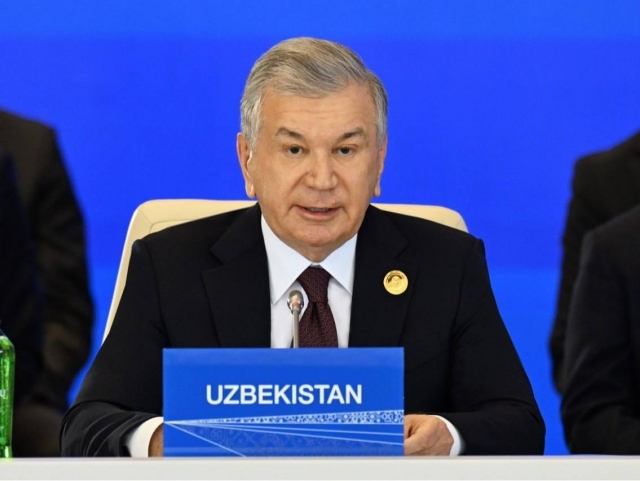
Ўтган ойда Эрон Ислом Республикасига нисбатан олиб борилган ҳарбий ҳаракатлар бутун минтақани уруш гирдобига тортиш, кенг миқёсдаги экологик ҳалокат ўчоғининг вужудга келиш хавфини туғдирди. Бу ҳақда Ўзбекистон Президенти Шавкат Мирзиёев бугун, 4 июль куни Озарбайжоннинг Хонкенди шаҳрида бўлиб ўтаётган Иқтисодий ҳамкорлик ташкилоти саммитида сўз очди.
“Бугунги саммитимиз бутун дунё ҳамжамияти кескин инқирозни бошидан кечираётган мураккаб бир шароитда бўлиб ўтмоқда.
Айниқса, аксарият зиддият ва низолар айнан бизнинг Ташкилотимиз маконида содир бўлаётгани фикримизнинг яққол исботидир. Сўнгги ойларда Жанубий Осиё ва Яқин Шарқда юз берган воқеалар барчамизни чуқур ташвишга солмоқда”, деди Ўзбекистон етакчиси.
Унинг айтишича, халқаро ҳуқуқ ва глобал хавфсизлик институтларининг таназзули мулоқот ва ҳамкорликни янада заифлаштириб, куч ишлатиш ва зўравонликка кенг йўл очмоқда. Шавкат Мирзиёев Иқтисодий ҳамкорлик ташкилоти аъзоси бўлган Эрон Ислом Республикасига нисбатан олиб борилган ҳарбий ҳаракатлар бутун минтақани уруш гирдобига тортиш, кенг миқёсдаги экологик ҳалокат ўчоғининг вужудга келиш хавфини туғдирганини ҳам таъкидлади.
“Эрон ва Исроил ўртасида ўт очишни тўхтатиш бўйича эришилган келишувни қўллаб-қувватлаймиз. Ушбу қарорни минтақадаги кескинликни юмшатиш, хавфсизликни тиклаш йўлидаги муҳим қадам сифатида баҳолаймиз.
Бу келишув барча муаммоларни дипломатик ва конструктив музокаралар йўли билан ҳал этиш учун мустаҳкам замин яратишига ишонамиз”, деди Президент.
Шунингдек, Мирзиёев оммавий қирғин қуролларини тарқатмаслик ва уларни ишлатишдан тийилиш халқаро хавфсизликнинг энг долзарб масаласи эканини инобатга олиб, дунё ҳамжамиятини яна бир бор ядро қуролидан холи ҳудудлар географиясини кенгайтиришга чақирди.
“Таъкидлаш жоизки, Фаластин-Исроил зиддиятини адолатли ҳал этмасдан туриб, Яқин Шарқдаги тинчлик ва барқарорликка эришиш мумкин эмас.
Биз Ғазо секторида ҳарбий ҳаракатларни тўхтатиш, очлик ва ғайриинсоний шароитдан азоб чекаётган аҳолига гуманитар ёрдам кўрсатишга ҳеч қандай тўсиқ қўймаслик, Бирлашган Миллатлар Ташкилоти резолюцияларига мувофиқ мустақил Фаластин давлатини ташкил этиш тарафдоримиз”, деди Ўзбекистон Президенти.
Исроил ва Эрон ўртасидаги зиддият
Уруш 13 июндан 24 июнгача давом этди. Аввалига Исроил Эрон ҳудудига зарба берди, бунга жавобан Эрон ҳам Исроилни нишонга олди. 22 июнга ўтар кечаси АҚШ можарога аралашди ва Эрондаги ядро объектларини бомбалади. Кейинги куни Эрон Қатардаги АҚШ ҳарбий базасига зарба берди.
Ушбу урушдан олдин АҚШ ва Эрон янги ядровий битим юзасидан музокаралар олиб бораётган эди. Исроил эса Теҳроннинг ядровий қуролга яқинлашгани боис операцияни бошлаганини билдирган. Вашингтон ҳам шундай фикрни баён қилган. Эрон эса ядро қуролини яратмоқчи эмаслигини, бироқ тинч атом дастурига ҳақли эканини таъкидлаган.

Live
All