Марказий Осиё давлатлари Чордара сув омбори бўйича келишиб олди
Local
−
15 November 2025 9389 2 minutes
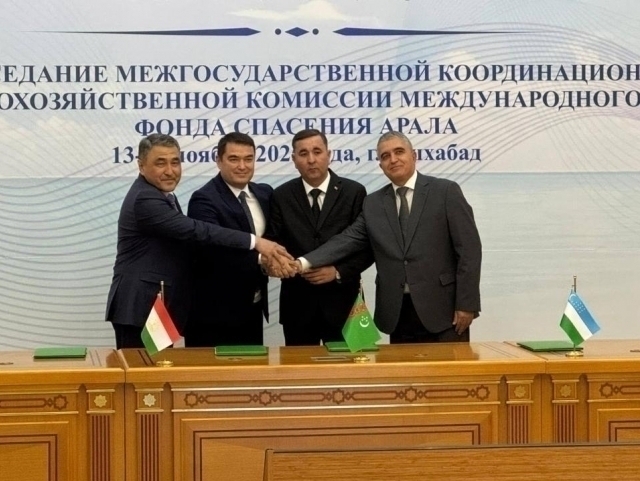
Марказий Осиё давлатлари Чордара сув омборига вегетациялараро даврда келиши кутилаётган сув миқдори бўйича келишувга эришди. Бу ҳақда Қозоғистон Сув хўжалиги ва ирригация вазирлиги хабар берди.
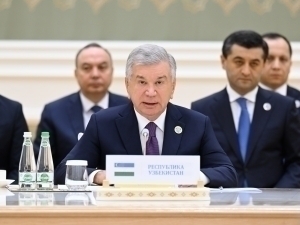
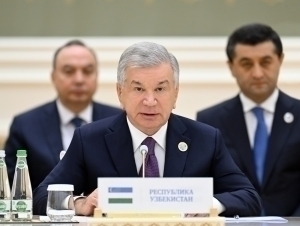
Қайд этилишича, Ашхободда 13 ноябрь куни Туркманистон, Қозоғистон, Ўзбекистон, Тожикистон сув хўжалиги идоралари раҳбарлари ва Қирғизистон кузатувчиси иштирокида Давлатлараро сув хўжалиги мувофиқлаштириш комиссиясининг 91-йиғилиши бўлиб ўтган.
Унда томонлар 2025 йилги вегетация даври якунларини сарҳисоб қилиб, 2025-2026 йиллардаги вегетациялараро даврда Норин-Сирдарё сув омборлари каскадининг иш режаси башоратини тасдиқлаган. Режа доирасида Чордара сув омборига келиши кутилаётган сув миқдори келишиб олинган.
“Марказий Осиё давлатлари 2025-2026 йиллардаги вегетациялараро даврда Чордара сув омборига келиши кутилаётган сув миқдорини келишиб олди. Ўтган суғориш мавсуми мураккаб иқлим шароитида кечди, бироқ Давлатлараро мувофиқлаштирувчи сув хўжалиги комиссияси (ДМШК) таркибидаги барча давлатларнинг ҳамкорлиги туфайли вегетация даврининг барқарор ўтишини таъминлаш мумкин бўлди. Бундай йиғилишларда келажакдаги ҳамкорлик учун замин яратилади”, дейди Қозоғистон Республикаси Сув хўжалиги ва ирригация вазири Нуржан Нуржигитов.
Учрашувда иштирокчилар Оролни қутқариш халқаро жамғармаси асосчиси давлатлар раҳбарларининг саммитларида белгиланган вазифаларни амалга ошириш масалаларини ҳам муҳокама қилишган. ДМШКнинг навбатдаги 92-йиғилиши Тожикистонда ўтказилади.
Маълумот учун, Чордара сувомбори Сирдарёнинг ўрта оқимида суғориш энергетика мақсадларида барпо этилган гидротехника иншооти бўлиб, у Қозоғистон Республикаси Жанубий Қозоғистон вилояти ва Ўзбекистон Республикасининг Жиззах вилояти ҳудудларида жойлашган. Сувомбор 1965 йилда қуриб битказилган, 1965-1968 йилларда сув билан тўлдирилган.
Эслатиб ўтамиз, аввалроқ Марказий Осиё мамлакатлари “Made in Central Asia” бренди остида қўшма ишлаб чиқариш майдонларини шакллантиришни режа қилаётгани маълум қилинганди.
Live
All