Фермерларнинг фарзандларига ОТМга киришда енгиллик берилиши мумкин
Local
−
09 February 9081 4 minutes
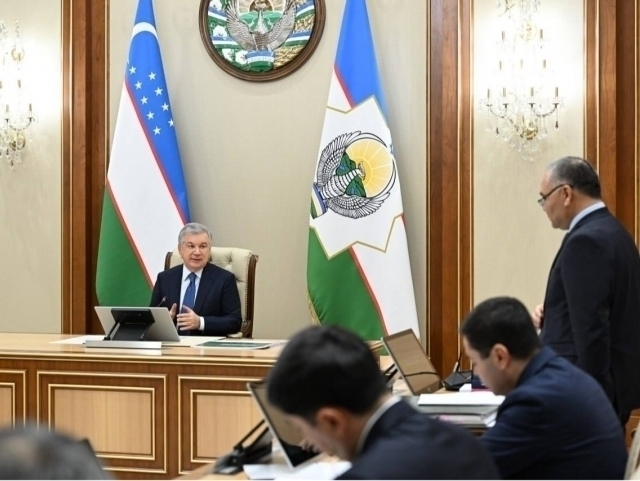
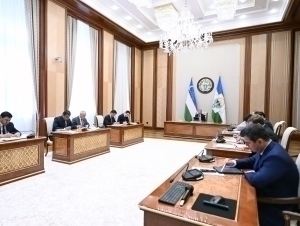
Ўзбекистонда фермер ҳамда унинг ходимлари фарзандларининг тест синовларида баллари қабул параметрларига етмаганда, миқдори камайтирилган тўлов-контракт асосида университетга қабул қилиниши мумкин. Бу ҳақда бугун, 9 февраль куни Президент Шавкат Мирзиёев танишган қишлоқ хўжалигида янги ерларни ўзлаштириш ва соҳада илм-фанни янги босқичга олиб чиқиш бўйича таклифлар тақдимотида сўз боради.
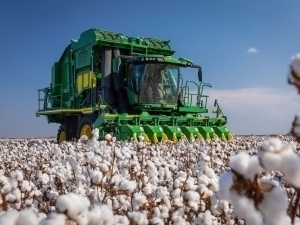
Қайд этилишича, ирригация ва мелиорация тадбирлари натижасида сўнгги беш йилда 826,5 минг гектар ер қишлоқ хўжалиги фойдаланишига киритилган. Шунинг 409 минг гектари суғориладиган ерлар ҳисобига, 418 минг гектари эса лалми ва яйлов ерларда ер ости сувларидан фойдаланиш ҳамда кам сув талаб қиладиган экинларни жойлаштириш орқали ўзлаштирилган.
2030 йилгача яна 938 минг гектар яйловларни ўзлаштириш ва ҳолатини яхшилаш режалари тақдимот қилинган. Хусусан, 2026-2027 йилларда 620 минг гектар яйлов тикланиб, шунинг 300 минг гектарида яйлов ўсимликлари экилади, 130 минг гектарида қудуқлар ўрнатилади. Натижада 960 минг бош майда шохли мол боқиш, гўшт ва жун ишлаб чиқариш ҳажмини ошириш имконияти яратилади.
Янги ерларни ўзлаштиришда ҳар бир ҳудуд бўйича аниқ инвестор ва лойиҳа асосида иш ташкил қилиш зарурлиги қайд этилган. Қишлоқ хўжалигида илм-фанни янги босқичга олиб чиқиш учун амалдаги институционал инфратузилмани ўзгартириш вақти келгани қайд этилган. Шу мақсадда соҳадаги 22 та илмий марказ, 260 та лаборатория ҳамда 2,5 мингдан ортиқ олим ва илмий ходимларни ягона тузилма – Қишлоқ хўжалиги фанлари академиясига бирлаштирилиши белгиланган.
Тақдимотда биотехнология ва молекуляр биология, ген инженерияси ва гибрид уруғчилиги, “ақлли” қишлоқ хўжалиги, космик ва дрон технологиялари, ерлар деградацияси ҳамда соғлом тупроқ, органик қишлоқ хўжалиги ва озиқ-овқат хавфсизлиги, ветеринария, рақамли қишлоқ хўжалигини академия фаолиятининг устувор йўналишлари сифатида белгилаш таклиф этилган.
Академия фаолиятини самарали йўлга қўйиш бўйича чора-тадбирлар белгилаб олинган.
Қишлоқ хўжалиги учун кадрлар тайёрлаш масалаларига алоҳида эътибор қаратилган. Ҳозирда Тошкент давлат аграр университетида 13,6 минг талаба таҳсил олаётгани, бироқ ўқув жараёнининг амалиёт билан етарлича боғланмагани сабабли битирувчиларнинг атиги 55 фоизи ўз соҳасида ишлаётгани кўрсатиб ўтилган.
Шу муносабат билан таълим, илмий тадқиқот ва ишлаб чиқаришни узвий боғлайдиган тизим яратиш, меҳнат бозори талабига мос етук мутахассислар тайёрлаш вазифалари белгиланган.
Жумладан, келгусида университет талабаларининг 6,8 минг нафари ишлаб чиқарувчи ташкилотлар, корхоналар ва агрокластерларда, 2,6 мингдан зиёди Қишлоқ хўжалиги вазирлиги тизимидаги 22 та илмий-тадқиқот институтида амалиёт ўтайди.
Шунингдек, фермер ҳамда унинг ходимлари фарзандларининг тест синовларида баллари қабул параметрларига етмаганда, миқдори камайтирилган тўлов-контракт асосида университетга қабул қилиш, еттита таълим йўналиши бўйича ўқиш давомийлигини 4 йилдан 3 йилга қисқартириш таклиф этилган. Талабаларни тракторчи-машинист гувоҳномаси ва агродронлардан фойдаланишга ўқитиш йўлга қўйилади.
Тақдимотда Агросаноатни ривожлантириш агентлигининг фаолияти кўриб чиқилган.
Ўтган йилда 44 минг гектар самарасиз ерларда интенсив ва саноатлашган боғ ҳамда токзорлар ташкил қилиб, 37 минг иш ўрни яратилган.
Бу ерларда ташкил этилган боғ ва токзорлар 2027 йилдан ҳосил беришни бошлаб, йилига 660 миллион доллар мева-сабзавот экспорт қилиш имконияти пайдо бўлади. Масалан, Сўхда 500 гектарда олма, малина ва ўрик, Термиз туманида 164 гектарда ўрик ва шафтоли, Оҳангарон туманида 309 гектар, Булунғурда 550 гектар ҳамда Қувада 60 гектар ерда узумнинг “Аватар” нави, Поп туманидаги 504 гектарда эса шафтоли ва олхўри плантациялари ташкил этилган.
Мазкур ишларни давом эттириб, 2026 йилда 25,5 минг гектар мевали боғлар ва 5 минг гектар узумзорлар ташкил қилиб, 48 минг доимий ҳамда мавсумий иш ўринларини яратиш зарурлиги қайд этилган.
Ҳар йили мамлакатга 60 миллион долларлик кўчатлар импорт қилинмоқда. Ушбу кўчатларни Европа стандартлари асосида ўзимизда тайёрлаш учун барча имкониятлар мавжудлиги кўрсатиб ўтилган.
Бу борада агентлик томонидан 200 дан ортиқ мева турларининг вирусдан холи, юқори ҳосилли оналик навлари коллекцияси яратилган. Ушбу мева турларини кўпайтириш ва барча ҳудудларга етказиб бериш мақсадида Бектемир туманида 50 гектар, Юқори Чирчиқ туманида эса 75 гектарлик “ин-витро” лабораториялари ва оналик кўчатхоналаридан иборат мажмуалар ташкил этилмоқда. Ушбу мажмуаларни йил якунигача ишга тушириб, йиллик 27 миллион дона кўчат тайёрлаш вазифаси қўйилди.
Президент тақдимотда муҳокама қилинган масалалар юзасидан мутасаддиларга тегишли топшириқлар берган.
Эслатиб ўтамиз, аввалроқ Ўзбекистонда уста деҳқонларга 75 млн сўмгача субсидия ажратилиши ҳақида хабар берилган эди.

Live
All