Энди фермерлар даласига нима экишни ўзи ҳал қилади
Local
−
31 July 2025 11345 2 minutes
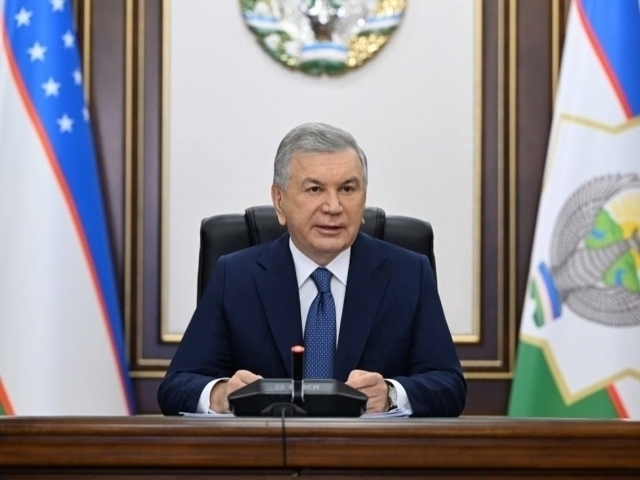
Ўзбекистонда фермерлар энди даласига нима экишни ўзи ҳал қилади. Бу ҳақда бугун, 31 июль куни Президент Шавкат Мирзиёев ўтказган қишлоқ хўжалигида космик маълумотлардан фойдаланиш ва рақамлаштириш чора-тадбирлари бўйича йиғилишда маълум қилинди.
Билдирилдишича, қишлоқ ва сув хўжалиги тизимидаги илмий институтларни жалб қилган ҳолда суғориш меъёри ва гидромодул районлаштиришни тўлиқ янгилаш вазифаси қўйилган. Фермерлар сарфлаётган сувнинг ҳалигача аниқ ҳисоби йўқлиги қайд этилиб, бунинг барча босқичларини рақамлаштириш, сувнинг контурма-контур ҳисобини юритиш зарурлиги таъкидланган.
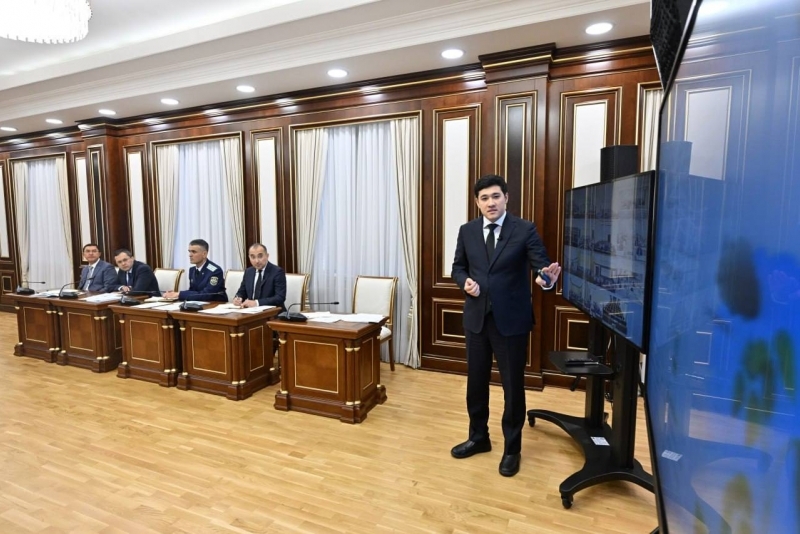
Маълум қилинишича, сув омборлари сиғими ҳам лойиҳавий қуввати бўйича ҳисобланиб келинар эди. Сўнгги икки йилда 60 та йирик сув омбори илк бор батиметрик таҳлилдан ўтказилган. Лойқа чўккани сабабли айримларининг сиғими камайгани аниқланган.
Шу боис барча сув омборларига “ақлли” ҳисоблагичлар ўрнатиб, сув миқдорини онлайн кузатиш, улардаги лойқани камайтириш вазифалари кўрсатиб ўтилган.
“Ер билан сув қишлоқ хўжалигимиз тақдирини ҳал қилувчи масала”, деган Шавкат Мирзиёев.
Йиғилишда соҳани рақамлаштириш масаласига алоҳида эътибор қаратилган. Қайд этилишича, ҳозир фермерлар ер, кредит, субсидия ва агрохизматлар бўйича 30 дан ортиқ платформадан фойдаланяпти. Буни осонлаштириш учун улар бирлаштирилиб, “Рақамли қишлоқ хўжалиги” ягона интеграцион платформаси ишга туширилади.
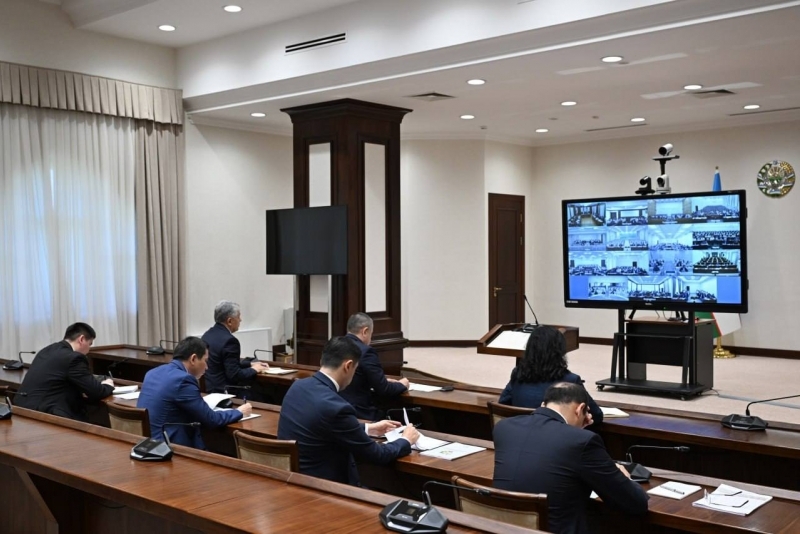
“Энди даласига нима экишни фермернинг ўзи ҳал қилади. Буни платформага ҳам унинг ўзи киритади. Натижада асосий, такрорий ва тўқсонбости экинлар миқдори олдиндан кўринади. Бу озиқ-овқат хавфсизлиги, нарх-наво барқарорлиги ва деҳқонларнинг даромадида жуда муҳим”, дейилади Президент матбуот хизмати хабарида.

Шунингдек, Бош вазир ўринбосари Жамшид Қўчқоров бошчилигида озиқ-овқат хавфсизлигини таъминлаш бўйича комиссия тузилиши белгиланди. Етишмаётган маҳсулотни кўпайтириш учун имтиёзли кредит ва субсидия берилади.

Live
All