Фермер кўпинча ҳосил туфайли эмас, балки бошланғич маблағ етишмаслиги сабабли ютқазади
Business
−
23 July 2025 27251 2 minutes
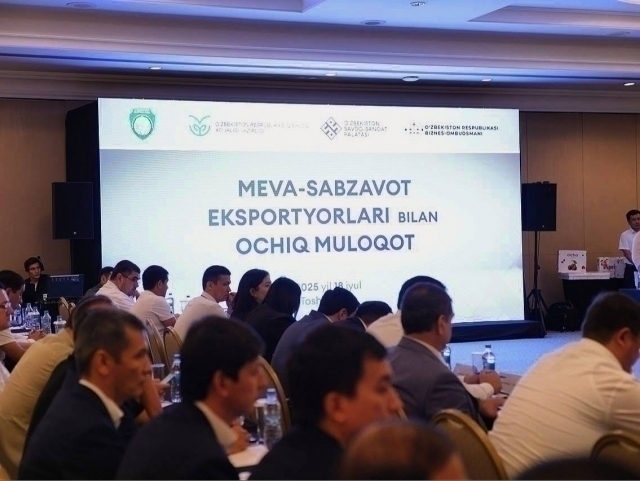
Савдо-саноат палатасида 18 июль куни экспортчилар билан бўлиб ўтган очиқ мулоқотда долзарб масалалар кўтарилди. Тадбирда Ўзбекистонда мева-сабзавот етиштириш учун имтиёзли молиялаштириш механизмини жорий этиш таклиф қилинди.
International Beverages Tashkent асосчиси ва Samarkand Gardens Plast вакили Шуҳрат Эргашевнинг сўзларига кўра, Россия бозорида йилига 1,3 миллион тонна музлатилган мева ва сабзавотлар истеъмол қилинади. Бироқ Ўзбекистондан экспорт қилинаётган музлатилган маҳсулотлар ҳажми 30 – 40 минг тоннани ташкил қилади, холос. Унга кўра, бир гектар брокколи, гулкарам ёки булғор қалампир етиштирган фермер 100 миллион сўмгача даромад қилиши мумкин.
Эргашев фермерларда мавсум давомида айланма маблағ етишмовчилиги кузатилишини таъкидлаб, банк, фермер хўжалиги ва қайта ишлаш заводларини ўзаро боғлайдиган янги тизимни жорий этишни таклиф этди. Мазкур тизимга кўра, банклар фермерларни молиялаштиради, заводлар эса маҳсулотни қатъий белгиланган нархда харид қилишни кафолатлайди. Бу эса банклар учун лойиҳанинг техник-иқтисодий асосларини баҳолашда қулайлик яратади.
Шунингдек, у мавсум бошида фермерларнинг солиқ тўлаш, минерал ўғит ва ёқилғи харид қилиш, агротехник тадбирларни амалга ошириш ва ишчиларга иш ҳақи тўлаш учун маблағга эҳтиёжи борлигини билдирди. Шу сабабли банклар томонидан фермерларга кредит ажратиш, давлат томонидан эса ушбу кредитлар бўйича фоиз ставкасининг 30 – 50 фоизигача қоплаб берилиши таклиф этилди.
Ўзбекистон иқлим шароити брокколи, гулкарам ва булғор қалампир каби экинлар етиштириш учун қулай ҳисобланади. Бу маҳсулотлар Россия бозорида ҳам юқори талабга эга. Шуҳрат Эргашевга кўра, бир гектардан 10 – 15 тоннагача брокколи олиш мумкин.
“Давлат томонидан ажратилаётган субсидияларни инвестиция сифатида баҳолаш керак. Қанча маблағ ажратилаётганини ва унинг 5 – 10 йилдан кейинги натижасини чуқур таҳлил қилиш лозим”, дея таъкидлади у.
Фермерлар, банклар ва қайта ишлаш корхоналари ўртасида уч томонлама келишувлар асосидаги ҳамкорлик самарадорлиги алоҳида қайд этилди.
Эргашевнинг фикрича, музлатилган маҳсулотлар ишлаб чиқариш нисбатан барқарор бизнес саналади, чунки маҳсулотни сақлаш муддати бир неча йилни ташкил қилади. Мисол сифатида у Россия бозорида музлатилган брокколи ва гулкарам етказиб беришнинг 90 фоизини ташкил қилаётган Миср тажрибасини келтиради.
Савдо-саноат палатаси раиси Даврон Ваҳобов эса айнан гаров масаласини асосий тўсиқлардан бири сифатида кўрсатиб, пахта ва буғдой фьючерсларига ўхшаш келишувларни жорий этиш ва кредит фоизларини давлат томонидан қоплашни таклиф қилди.

Live
All