Инверсия яна фаоллашди, PM2,5 меъёрдан ошди – Ўзгидромет
Interesting
−
23 December 2025 5976 2 minutes
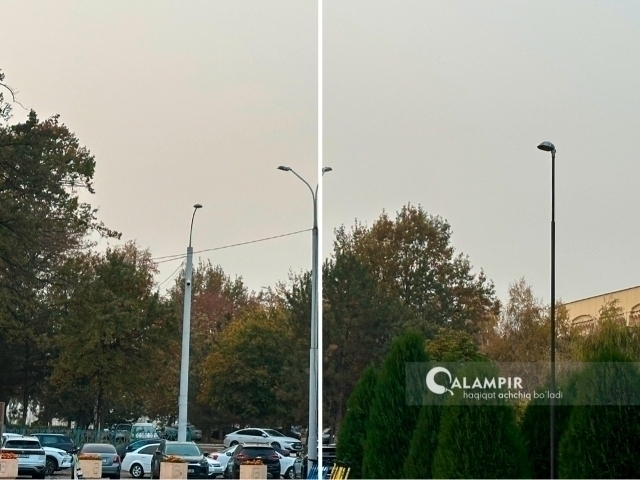
Ўзбекистонда ёғингарчиликлардан сўнг об-ҳаво ҳароратининг нисбатан илиқлашиши фонида атмосферада инверсия жараёнлари яна фаоллашмоқда. Бу ҳақда Ўзгидромет хабар берди.
Инверсия табиий жараён бўлиб, у содир бўлганда совуқ ҳаво пастда, иссиқ ҳаво юқорида қолади ва ҳаво қаватлари аралашмайди. Шу боис, майда заррачалар паст ҳаво қатламида тўпланиб, қисқа вақтда концентрация кескин ошади.
Мазкур жараён республиканинг кўплаб ҳудудларида, жумладан, Тошкент шаҳри, Самарқанд ва Жиззах вилоятларида, айниқса яққол намоён бўлиб, эрталаб, кечқурун ва тунги соатларда атмосферанинг пастки қатламларида ҳаво алмашинувининг чекланишига олиб келмоқда. Оқибатда ифлослантирувчи моддаларнинг тарқалиши қийинлашадиган ноқулай метеорологик шароит шаклланмоқда.
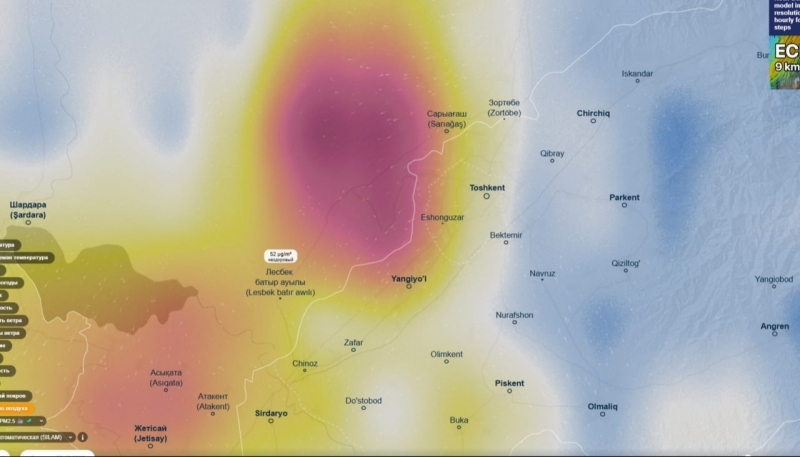
Маълум қилинишича, табиий-географик жойлашув, рельеф хусусиятлари ва синоптик шароитларига кўра, Ўзбекистон ҳудуди умумий ҳолда атмосфера инверсияси тез-тез ва деярли доимий кузатиладиган минтақалар қаторига киради.
Республика бўйлаб илиқ об-ҳаво ҳарорати ҳамда инверсия жараёни, дастлабки прогнозларга кўра, мазкур ҳафтанинг охиригача сақланиб туриши кутилмоқда.
Бугун, 23 декабрь куни соат 09:00 ҳолатига кўра, атмосфера ҳавоси ифлосланиш мониторинги автоматик станциялари маълумотларига кўра, Тошкент шаҳрининг атмосфера ҳавосидаги:
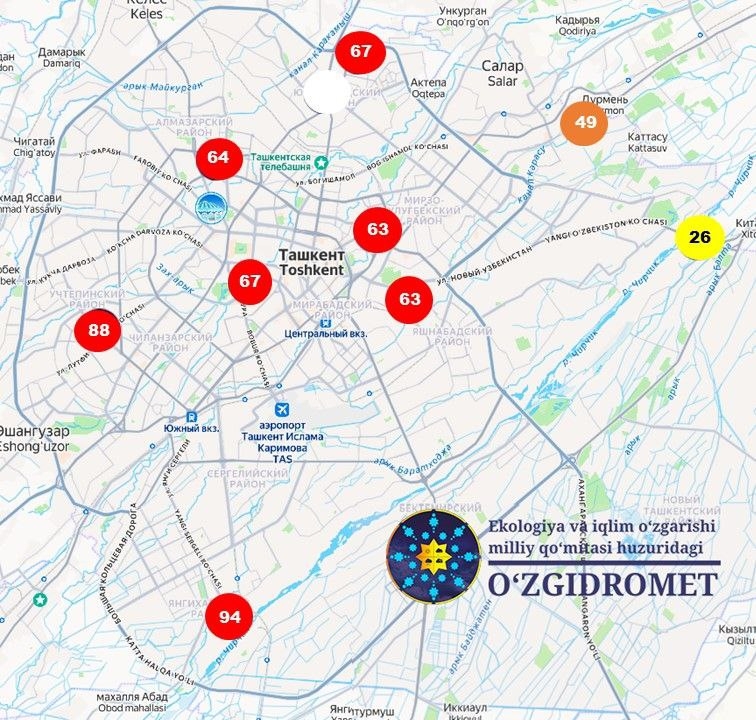
- PM10 майда дисперсли заррачаларнинг миқдори 87 мкг/м3 ни ташкил этди, бу рухсат этилган меъёрлардан (РЭМ) (300 мкг/м3) ошмади;
- PM2,5 майда дисперсли заррачалар миқдори 64 мкг/м3 ни ташкил этди, рухсат этилган меъёрлардан 1,1 марта (60 мкг/м3) ошди.

Live
All23 October