One in two girls in Afghanistan married before adulthood: UN
World
−
8085 3 minutes
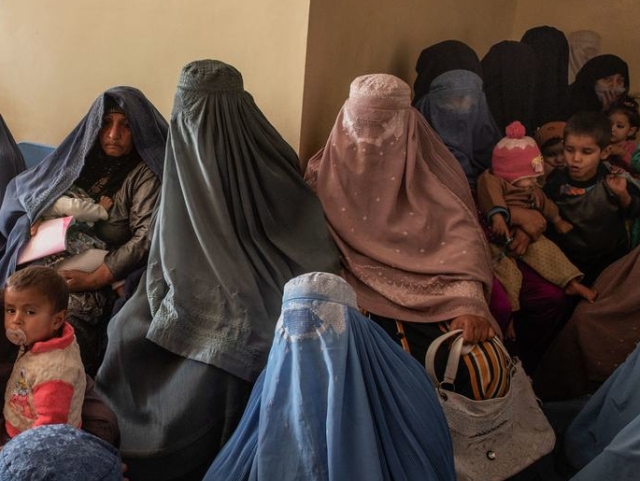
Early marriage of girls in Afghanistan threatens their education, health and future opportunities. This was announced by the UN Children's Fund (UNICEF) on the occasion of International Day of the Girl Child, October 11.
According to UNICEF, 28.7 percent of women aged 20-24 in Afghanistan were married before the age of 18. In some regions, one in two girls is married before adulthood. This data comes from the results of the multiple indicator cluster survey conducted in 2022-2023.
It is noted that early marriage can stop girls' education and harm their health and well-being. It also increases the risk of violence and social isolation. Early pregnancy and childbirth pose a serious threat to girls' lives.
According to the fund, complications related to pregnancy and childbirth are among the main causes of death among girls aged 15-19 in Afghanistan.
UNICEF stressed that child marriage can be prevented, and noted that ensuring girls' education, providing social protection for families and improving legislation are important for this. The organization called on families, religious and community leaders and international partners to act together on this issue.
The fund also asked the Taliban administration to restore girls' education above the sixth grade.
For reference, since the Taliban returned to power in August 2021, girls' education above the sixth grade has been restricted. In December 2022, women were also banned from studying at universities.
UNICEF said in August this year that more than 2.6 million girls in Afghanistan have been deprived of the opportunity to receive secondary education. According to the organization, Afghanistan remains the only country in the world where secondary and higher education for girls and women is effectively closed.
According to the survey results, 9.6 percent of women aged 20-24 were married before the age of 15. Cases of early marriage are more common in poor families and among women with a low level of education.
In addition, restrictions on girls' education and women's employment are also harming the country's economy. In April 2026, UNICEF said the current restrictions could lead to a shortage of up to 20,000 female teachers and 5,400 female health workers in Afghanistan by 2030. According to the organization's calculations, these restrictions cause the country an economic loss of nearly $84 million every year.
UNICEF is calling for the lifting of restrictions that prevent girls from receiving an education and women from fully participating in public life. The organization also said it will continue its work to support girls at risk of early marriage and give them access to education, medical care and protection services.
As a reminder, it was previously reported that since the Taliban's interim government regained power in 2021, it has deprived about 2.4 million Afghan girls of the opportunity to receive secondary education.
Note: The headline I gave says "one in two girls," but the article says this is true only in some regions. The national figure is 28.7 percent of women aged 20-24 married before 18. A more accurate headline would be "In some regions of Afghanistan, one in two girls is married before adulthood: UN."

Live
All