Судья ва уларнинг оила аъзолари мол-мулки декларация қилиниши мумкин
Local
−
12 February 4016 3 minutes
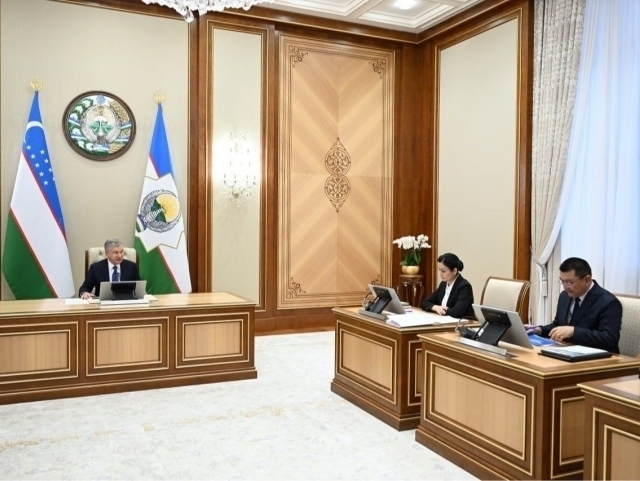
Ўзбекистонда судья ва уларнинг оила аъзолари мол-мулкини декларация қилиш йўлга қўйилиши мумкин. Бу ҳақда бугун, 12 февраль куни Президент Шавкат Мирзиёевга Судьялар олий кенгаши раисининг ахбороти билан танишиши чоғида таклиф берилди.
Ўзбекистон Республикаси Судьялар олий кенгаши тўғрисида”ги қонуннинг 9-моддасида кенгаш раиси одил судловни амалга оширишга тўсқинлик қилаётган омиллар ва суд тизимида коррупцияга қарши курашишнинг ҳолати тўғрисида Ўзбекистон Республикаси Президентига йил якунлари бўйича ахборот тақдим этиши белгиланган.
Давлат раҳбарининг 2025 йил 26 декабрдаги Олий Мажлис ва Ўзбекистон халқига Мурожаатномасида коррупцияга йўл қўйиш – ислоҳотларга хиёнат ҳисобланиши таъкидланиб, мамлакатда бу иллатга қарши курашиш бўйича жорий йилда “фавқулодда ҳолат” эълон қилинган эди.
Шу сабабли, судлар давлат ҳокимиятининг алоҳида бўғини сифатида “коррупциядан холи” тизимга айланишида намуна бўлиши лозим.
Суд мустақиллигини таъминлаш, судьяларни ташқи босимлардан ҳимоя қилиш учун Судьялар олий кенгаши бевосита масъул ҳисобланади. 2025 йилда алоҳида фармон қабул қилиниб, унга янги ваколатлар берилган. Суд тизими учун юқори малакали кадрларни тайёрлаш тизимини тубдан такомиллаштириш мақсадида кенгаш ҳузурида Одил судлов академияси ташкил этилган.
Судьялар олий кенгаши томонидан ўтган йилда 135 нафар номзод илк бор судьялик лавозимига, 286 нафар судья лавозимга қайта тайинланган, 241 нафардан иборат тергов судьялари корпуси шакллантирилган.
Ҳисобот даврида 59 нафар судьянинг ваколатлари муддатидан илгари тугатилган, жумладан, судьялик қасамёдини бузганлиги ҳамда Судьялар одоби кодекси талабларига риоя этмаганлиги учун 19 нафар судья лавозимидан озод этилган, 3 нафар судья жиноий жавобгарликка тортилган, 58 нафар судьянинг лавозимлари пасайтирилган. Судьялик ваколати муддати тугаган 33 нафар судья навбатдаги судьялик лавозимига нолойиқ деб топилган ҳамда 266 нафар судья интизомий жавобгарликка тортилган.
Ўтган йилда суд фаолиятига аралашганлик ҳолатлари бўйича Бош прокуратурага 5 та тақдимнома киритилган. Кенгашнинг расмий веб-сайтида судья дахлсизлиги бузилганлиги юзасидан тезкор хабар юбориш имкони яратилган.
Судьялар дахлсизлиги ва мустақиллигини таъминлаш доирасида ҳудудий судлар раислари томонидан чиқарилган 6 мингдан ортиқ буйруқлар ўрганилиб, 231 та буйруқда 314 нафар судьяларга нисбатан одил судлов билан боғлиқ бўлмаган вазифалар юклатилгани аниқланган ҳамда уларни бартараф этиш юзасидан аниқ чоралар кўрилган.
Шу боис, судьяни ўзига хос бўлмаган вазифалардан озод этиш мақсадида суд аппарати ходимлари билан ишлаш, моддий-техник таъминот ва барча ташкилий ишларга масъул бўладиган “суд маъмурчилиги” институтини ташкил этиш бўйича илғор хорижий тажриба ўрганилади.
Судьялар мустақиллиги ва дахлсизлигини таъминлаш борасида Судьялар интизомий ҳайъатини ташкил этиш орқали судьяга нисбатан интизомий жазо қўллашнинг холис тартибини яратиш таклиф қилинган.
Судья ва уларнинг оила аъзолари мол-мулкини декларация қилишни йўлга қўйиш, суд аппарати ходимлари орасида коррупциянинг олдини олишга қаратилган комплаенс назорат тизимини жорий этиш, суд аппарати ходимларини ишга олишнинг очиқ тартибини яратиш каби ташаббуслар илгари сурилган.
Бундан ташқари, мамлакатда хотин-қизларни ҳар томонлама қўллаб-қувватлаш бўйича амалга оширилаётган давлат сиёсати доирасида суд тизимида ҳам гендер тенгликни таъминлаш масаласи муҳокама қилинган. Жумладан, яқинлашиб келаётган 10 март – Халқаро аёл судьялар кунини нишонлаш бўйича режалар белгилаб олинган.
Президент билдирилган таклифларни қўллаб-қувватлаб, суд ҳокимияти мустақиллиги, судьялар дахлсизлигини таъминлаш, одил судловни амалга оширишга тўсқинлик қилаётган омилларни бартараф этиш йўналишидаги тизимли чора-тадбирларни изчил давом эттириш юзасидан бир қатор тавсиялар берган.

Live
All