Президент Санэпидқўмитани тадбиркорларга ечим бермаётганликда айблади
Жамият
−
18 Апрель 2025 5946 2 дақиқа
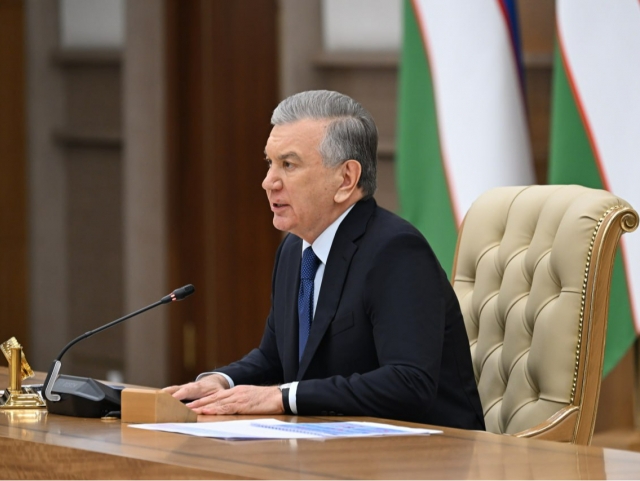
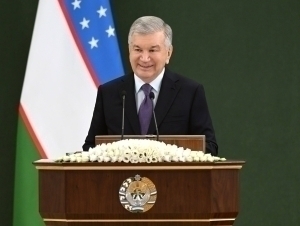
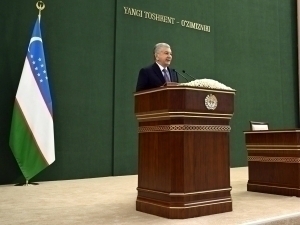
Ўзбекистонга кириб келаётган инвесторлар мамлакатдаги кўп лабораториялар талабга жавоб бермаслиги, ривожланган давлатлар стандартлари эса тан олинмаётганидан нолимоқда. Бу масала бугун, 18 апрель куни Президент Шавкат Мирзиёев раислигида ўтаётган дунёда юз бераётган иқтисодий тебранишларнинг Ўзбекистон соҳа ва тармоқларига таъсирини юмшатиш чора-тадбирлари юзасидан видеоселектор йиғилишида кўтарилди.
Йиғилишда стандартлаштириш ва сертификатлаштириш тизимидаги эскирган талаблар ва бюрократия тадбиркорларнинг “қўлини боғлаётгани”, соҳада коррупцияни келтириб чиқараётгани кўрсатиб ўтилди.
Қайд этилишича, Ўзбекистонда 25 мингдан ортиқ стандарт, 41 та техник регламент халқаро бозор талабларига мос келмайди. Ҳозирда 13 мингга яқин турдаги товарнинг 6,5 минги мажбурий сертификатланади, бу эса таннархни оширади.
“Вазирлар, ҳокимлар қачон тадбиркорларни эшитиб, қайси стандартни янгилаш, қайси бирини бекор қилиш, нима маҳсулотни мажбурий сертификация рўйхатидан чиқаришни ўйлаб кўрди? Афсуски, бунга ижобий жавоб йўқ”, дея қатъий эътироз билдирди Президент.
Ҳозирги тизимда сертификатлаш органлари бир пайтнинг ўзида бозор назоратини ҳам олиб бораётгани, бу эса манфаатлар тўқнашувига олиб келаётгани айтилди.
Президент сертификатлаштириш тизимидаги айрим муаммоларни санаб, уларнинг ечимларини ҳам кўрсатди.
Хусусан, сут ва гўшт маҳсулотлари ишлаб чиқарувчи корхоналар ўзининг маҳсулотига Санэпидқўм хулосасини олиш тизимидан норози.
Масалан, Ўзбекистонга йилига 100 миллион долларлик болалар озуқаси импорт бўлмоқда. Лекин замонавий ускуна келтириб, завод қурган тадбиркор Санэпидқўм хулосаси йўқлиги учун ишлаб чиқаришни бошлай олмаяпти. Хулоса бериш учун эса стандарт йўқ.
Қўмита раҳбарияти “бу маҳсулотга бизда стандарт йўқ”, деб кутиб ўтирмасдан, ўзи ташаббус қилиб, тадбиркор билан бирга стандарт ишлаб чиқмаётгани танқид қилинди.
Айрим туман санэпидхизматлари ҳалигача тадбиркордан битта маҳсулотнинг ҳар хил қадоқланган партиясини алоҳида синовдан ўтказишни талаб қилмоқда. Бу қўшимча вақт, қўшимча харажат талаб қилади.
Бир вақтда тайёрланган маҳсулотнинг ҳар хил ҳажмда қадоқланиши сифатга нақадар алоқадор экани савол уйғотади.
Шунингдек, минерал сув ишлаб чиқарувчилар 45 та кўрсаткич бўйича хулоса олиши керак. Тадбиркорлар шунинг 43 таси учун Санэпидқўм тизимидаги лабораторияларга, қолган 2 таси бўйича бошқа лабораторияга бормоқда.
Йиғилишда Қўмитага ҳамма текширувни битта жойда ташкил қилиш топширилди.
Мева-сабзавот ва дуккакли экинлар сифатини текшириш учун ҳам 3 та ташкилотнинг лабораториясига бориш керак. Энг ёмони, бу лабораторияларнинг хулосаси ривожланган давлатларда тан олинмайди.
Шу боис экспортчилар қиммат бозорга чиқишдан олдин сертификат олиш учун хорижга намуна жўнатяпти.
Мутасаддиларга шу пайтгача бирорта халқаро тан олинган лабораторияни олиб келмагани, эскирган устма-уст сертификатлаш амалиёти ҳалигача давом этаётгани кўрсатиб ўтилди.

Live
БарчасиЖиззахда 10 ёшли қиз зўрланди
06 Октябрь
Сергелидаги масжидга ўт кетди
03 Октябрь