Путин Аляскага ташрифи олдидан огоҳлантирилди – Midweek
Таҳлил
−
14 Август 2025 15933 12 дақиқа
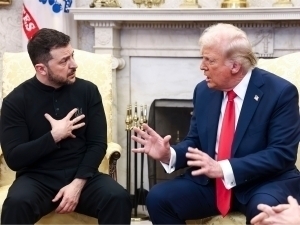
АҚШ Президенти Дональд Трамп Россия раҳбари Владимир Путинни Аляскага келишидан олдин жиддий тарзда огоҳлантирди. Трамп ундан энди аравани қуруқ олиб қочишни эмас, балки ижобий музокара кутмоқда.
Европа етакчилари ҳам Аляскадаги тарихий саммит олдидан Дональд Трампга ўз позицияларини маълум қилди.
Туркиядаги сўнгги зилзила Истанбулнинг қулаши ҳақидаги сейсмик олим томонидан билдирилган йил бошидаги хавотирларни янада жиддийлаштирди.
Жанубий Кореяда собиқ президентдан сўнг унинг аёли – собиқ биринчи хоним ҳам ҳибсга олинди.
Нетаньяху Эрондаги сув танқислигидан фойдаланиб, сув тўлдирилган графин билан форсларга мурожаат қилди.
Ўтиб бораётган ҳафта ўртасига қадар жаҳонда рўй берган муҳим воқеа ҳодисалар тафсилоти билан QALAMPIR.UZ'нинг Midweek дастурида танишинг.
Путин Аляскага келишидан олдин огоҳлантирилди
15 август. Ушбу сана геосиёсий майдонда чинакам тектоник ўзгаришларга сабаб бўлиши мумкин. Ёки аксинча, олдингилари каби яна натижасиз ва Трампнинг Путиндан ҳафсаласи пир бўлиши билан якунланиш эҳтимоли ҳам йўқ эмас. Аляска. Трамп ва Путиннинг бундан 150 йил олдин Россия империяси томонидан гуркираб ривожланиб келаётган, ростманасига қудратли давлатга айланиб бораётган АҚШга қўш-қўллаб, ўша давр учун ҳам, ҳозирги ҳолат учун ҳам тарозига солганда, сув текинга топширилган ҳудудда ўтиши қандайдир рамзий маънога эгадек кўриниши мумкин. Аммо бу ерда барчаси кўп эҳтимол билан қулай жойлашувга бориб тақалади. Бепоён Россия ерларининг Узоқ Шарққача чўзилган нуқтасидан Аляскагача бир қадам, аниқроғи бор йўғи 4 км масофа бор. Шунинг учун, Песковнинг Аляска варианти икки томон учун ҳам мантиқий жиҳатдан тўғри қарор деган фикрига қўшилса бўлади.
Энди эса учрашув жойи ҳақида аниқ ва ҳозиргача маълум бўлган тафсилотларга тўхталсак. Оқ уй матбуот котиби АҚШ ва Россия Президентларининг саммити Аляска штатидаги энг йирик шаҳар – Анкорижда бўлиб ўтишини маълум қилди. Аммо ҳали учрашувнинг аниқ вақти ҳақида маълумотлар очиқланмади. Анкориж Алясканинг энг йирик шаҳри бўлиб, бу ерда штат аҳолисининг 40 фоизини яшайди. У Алясканинг жанубий қисмидаги қирғоқда жойлашган. Учрашув Аляскада бўлиши маълум қилиниши билан CNN дарҳол унинг аниқ қайси ҳудуд ва бинода ўтказилишига ойдинлик киритди. Телеканал Дональд Трамп ва Владимир Путиннинг Аляскадаги учрашуви Эльмендорф-Ричардсон ҳарбий базасида бўлиб ўтишини маълум қилди. Учрашувга тайёргарлик бошланганидан кўп ўтмай, ташкилотчилар Аляскадаги саммитни ўтказиш учун мос бўлган ягона шаҳар штатнинг энг йирик шаҳри Анкориж бўлади, деган хулосага келган.
Мазкур саммитга қадар ташкиллаштирилган халқаро учрашув ҳамда маслаҳатлашувлар тафсилотига тўхталадиган бўлсак, бу асосан Путин ва Зеленскийнинг ўз ҳамкорлари билан телефон суҳбатлари ва Европа етакчиларининг Трамп ва вице-президент Венс билан ёпиш ҳамда очиқ видеоконференция ўтказиши билан эсда қолди. Владимир Путин Хитой, Ҳиндистон, Марказий Осиё ва ўзининг сўнгги пайтдаги энг яқин ҳарбий иттифоқчиси Ким Чен Инни АҚШ билан музокара тафсилотларидан хабардор қилди. Зеленский эса Тўқаев ва Алиев билан гаплашгани омма эътиборини ўзига тортди. Халқаро майдонда вақти-вақти билан Россия президентининг оғзига уриб турадиган Тўқаев ва сўнгги пайтларда Москванинг империалистик сиёсатини, унинг ҳеч бир нотенг муносабатини жавоб тарсакисиз қолдирмаётган Алиев билан мулоқот Зеленскийдан ўзига хос юриш бўлди.
Аммо Аляскагача бўлган энг муҳим мулоқот Европа етакчиларининг Трамп билан бўлган маслаҳатлашуви бўлди дейиш мумкин. 13 август куни АҚШ ва Европа расмийлари видеоконференция орқали Аляскадаги учрашув ва Россия босқинини тўхтатишга бағишланган онлайн суҳбат ўтказди. Зеленский бу суҳбатда Киевдан туриб қатнашишни эмас, балки қудратли ҳамкорларидан масофа жиҳатдан энг яқини – Германияга бориб қатнашишни лозим топди. Шу куни фақат Зеленский ва Германия канцлери Фридрих Мерс биргаликда ўтирмаганди. Икки кишилик иштирокчилар орасида Франция етакчиси Макрон ва Европа Иттифоқи Кенгаши Антониу Кошта ҳамда Еврокомиссия раиси Урсула Фон дер Ляен ва НАТО Бош котиби Марк Рютте ҳам бор эди. Суҳбат тафсилотларига келсак, Трамп Европа етакчилари билан жуда ижобий мулоқот бўлганини айтди ва шу видеоконференциядан кейин Кеннедий марказидаги нутқида қатор муҳим гапларни айтиб ўтди.
Трамп агар Путин билан учрашув яхши ўтса, дарҳол иккинчи саммит ҳам ўтказилишини билдирди. Иккинчи учрашувда эса уларга Зеленский ҳам қўшилиши режалаштирилган. Трампнинг сўзларига кўра, бу учрашув яқин орада бўлиб ўтиши мумкин, бироқ бу 15 август куни Путин ва Трампнинг Аляскадаги музокаралари муваффақиятли ўтиши шарти билангина амалга ошади. Ўз навбатида, “Реутерс” агентлиги манбаларга таяниб, “Европа ва Яқин Шарқдаги шаҳарлар” Украинадаги вазиятни тинч йўл билан тартибга солиш бўйича янги учрашув ўтказиш мумкин бўлган жой сифатида кўрилаётганини ёзди. Аммо иккинчи учрашув ўз ўрнига, асосийси Трамп Аляскадаги музокаралардан нима кутаётганида. У фақатгина ижобий натижа ва Путиннинг ултиматумлардан чекинишини кутаётган бўлиши табиий. Шу боис Кеннедий марказида Трамп бутун Россия сиёсий элитасига кучли сигнал юборди. 15 август куни Россиянинг Украинага қарши босқини тўхтатмаса, Москва “жуда оғир оқибатларга” дуч келади. Бу Трампнинг Путинни кутиб олиш афишаси десак, муболаға бўлмайди.
Нетаньяху форсларни сув билан аврамоқчи
Нормал ҳаёт аллақачон тугаган Ғазога ҳужумни янада кучайтиришга буйруқ берган ва сектордаги инсон учун умуман бегона бўлган жирканч кўринишга эга ҳаркатларни тўхтатиш ҳақида ўйламаётган Нетаньяху жорий ҳафтада Эроннинг ички ишларига яна бурун суқди. У Эрон аҳолисига мурожаат қилиб, уларни мамлакат раҳбариятига қарши қўзғолонга чорлади. Бу “Ғазо қассоби”нинг жорий йил ҳисобига кўра, умуман сўнгги йиллардаги шу мазмунда қилган дастлабки мурожаати эмас. Чиқмаган жондан умид қабилида Нетаньяху ўз кабинетида тез-тез шундай чиқишларни қилиб туради. Аммо эътиборли жиҳати шуки Исроилнинг қўли қонга ботган Бош вазири эронликларга қилган бу галги мурожаатида ўзгача йўл тутди. У Эронда кузатилаётган сув тақчиллиги фонида сув тўлдирилган графин билан кўриниш берди. Нетаньяху Эрон “жорий тузумдан озод бўлиши биланоқ” унинг кескин сув тақчиллиги муаммосини ҳал қилиб беришга ваъда берди, тўғрироғи авради. Нетаньяхунинг билдиришича, “Эрон эркин бўлиши биланоқ” етакчи исроиллик сув ресурслари бўйича мутахассислар ҳар бир Эрон шаҳрига бориб, ўзлари билан илғор технологиялар ҳамда тажрибани амалга тадбиқ этармиш. Шунингдек, у қарийб ўн йил аввал сув ресурсларини бошқаришни ўргатиш мақсадида форс тилида Telegram-канал очганини ва у тезда 100 минг обуначига эга бўлганини ҳам алоҳида эслатиб ўтган.
“Бу даҳшатли ёзги жазирамада болаларингизга бериш учун ҳатто тоза совуқ сув ҳам йўқ. Қандай риё. Қандай халқни менсимаслик. Эроннинг сувга бўлган чанқоқлиги фақат эркинликка бўлган чанқоқлик билан тенг”, дейди Исроил Бош вазири.
Бундан ташқари, Нетаньяху Эрон раҳбариятини ўз фуқароларига “зулм ва қашшоқлик”ни сингдиришда ва юзлаб миллиард долларларни ҲАМАС, “Ҳизбуллоҳ” ҳамда ҳусийларга йўналтириб, ички эҳтиёжларга пул ажратмасликда айблаган. Нутқи якунида эса у эронликларни кўчаларга чиқишга, “зулмга қарши туришга” ва Эрон раҳбариятини “жавобгарликка тортишга” чақирган.
“Сиз оғир уруш даврида ёлғиз азоб чекаётган пайтингизда мамлакатдан қочаётган раҳбарларга лойиқ эмассиз. Улар ҳаётингизни бир дақиқага ҳам барбод этишьга йўл қўйманг. Сиз ёлғиз эмассиз. Исроил сиз билан. Бутун эркин дунё сиз билан”, дейди Нетаньяху.
Қайд этиш жоиз, жорий йилнинг июль ойи охирида Эрон мисли кўрилмаган сув инқирозига дуч келган. Бунинг оқибатида мамлакат пойтахти Теҳрон келгуси ҳафталар ичида сув таъминотисиз қолиши мумкин. Ҳатто мамлакат Президенти Масъуд Пезешкиённинг шахсан ўзи ҳам сув масаласи билан боғлиқ муаммолар жиддий эканини яширмади. Ғарб ОАВлари инқирознинг сабаблари сув ресурсларини узоқ йиллар давомида самарасиз бошқариш ва талаб билан таклиф ўртасидаги номутаносибликнинг ортиши билан изоҳламоқда. Умуман олганда эса Эронга ҳаммасидан кўра аномал иссиқ таъсир қилмоқда. Иссиқлик, сув сатҳи пасайиши ва электр узилишлари ортидан ҳукумат фавқулодда чоралар кўришга мажбур бўлди. Расмий маълумотларга кўра, мамлакатдаги 31 вилоятдан камида 15 тасида давлат идоралари бутунлай ёпилади ёки қисқартирилган иш жадвалига ўтади. Бунга энергия истеъмолини камайтириш зарурати сабаб бўлган. Июль ойининг ўрталаридан бошлаб жанубий ҳудудларда ҳарорат 50 даражадан ошган. Бу эса бутун мамлакат бўйлаб электр тизимининг ҳаддан ташқари юкланишига ва кенг кўламли узилишларга олиб келган. Шунингдек, сув омборларидаги сув миқдори камайгани сабабли Теҳронда сув босими ҳам камайтирилган. Маҳаллий ОАВ эса бу қурғоқчиликни сўнгги 100 йилдаги энг кучлиси деб атамоқда. Аммо иссиқлик Шарқ мамлакатларида фақат Эроннигина эмас балки бошқа Осиё мамлакатлари хусусан Ўзбекистонда ҳам электр билан боғлиқ муаммоларни келтириб чиқарганини кўрдик. Жумладан, Ўзбекистонда электр энергияси истеъмоли жорий йилда ўз рекордини янгиланиб, биринчи марта ёзги истеъмол ҳажми қишги истеъмол ҳажмини ортда қолдиргани маълум қилинганди.
Корея собиқ биринчи хоними ҳибсга олинди
52 ёшида ҳам 25 лар атрофидаги қиздек ташқи кўринишга эга ва айнан шу жиҳати билан дунё эътиборини ўзига тортган Жанубий Кореянинг ҳозирда ҳибсда бўлган собиқ президенти Юн Сок Ёлнинг рафиқаси Ким Ген Хи ҳибсга олингани айтилди. CNN хабарига кўра, 12 август куни Жанубий Корея суди уни ҳибсга олишга ордер берган. Ким Ген Хи порахўрлик, фирибгарлик ва сайловларга аралашишда айбланмоқда. Собиқ биринчи хонимга нисбатан олиб борилаётган тергов мамлакат янги раҳбарияти бошлаган учта махсус прокурор терговларидан бири ҳисобланади. Кўпчиликка маълум ҳозирда ҳокимият тепасида либерал партия, собиқ президент Юн Сок Ёль эса консерватор эди. Эсингизда бўлса, у ўтган йил декабрида мамлакатда ҳарбий ҳолат жорий этишга уриниб жуда қўпол хатоликка йўл қўйганди. Юн Сок Ёль бундай қарорини “конституцион тартибни ҳимоя қилиш” ва “шимолий кореялик коммунистик кучлар таҳдидидан қочиш” истаги билан изоҳлаган ва барчаси мана шундан бошланди.
Орадан кўп ўтмай у лавозимидан четлаштирилди. Уни ҳибсга олишга қаратилган дастлабки ҳаракатлар самара бермади. Ўшанда собиқ президентнинг тарафдорлари уни кучишлатар тузилмалардан қандай ҳимоя қилганини бутун дунё кўрди. Аммо жорий йилнинг июль ойи бошида Сеул суди Юн Сок Ёлни қисқа муддатли ҳарбий ҳолат жорий этгани билан боғлиқ айбловлар асосида иккинчи бор ҳибсга олиш ордер берди. Бунгача эса мамлакатда муддатидан олдин президентлик сайлови ўтказиб бўлинган ва унда “Тобуро” демократик партиясидан номзод Ли Чже Мён ғалаба қозониб бошқарув тепасига келганди. Шундан сўнг жуда кўп нарса ўзгарди. Янги президент собиқ раҳбардан фарқли ўлароқ Шимол билан зиддиятга бориш эмас балки у билан алоқа қилишга ҳаракат қила бошлади. Аммо бу воқеликлар фонида Собиқ президент масаласи тўлиқ ёпилгани йўқ. Аксинча бу иш янада кенгаймоқда. Турмуш ўртоғи ортидан ёшлик эликсири истемолчиси бўлган 53 ёшга тўлиш арафасида турган Ким Ген Хи ҳам ҳам ҳибсхонага йўл олиши вазиятни чикаллаштирмоқда.
Тўғри Жанубий Корея сиёсий муҳитида Президентнинг панжара ортига равона бўлиши ҳатто қадрият даражасига чиқиб улгурган. Аммо у ва унинг рафиқаси жиноий айбловлар билан бир вақтда ҳибсга олинган биринчи жуфтлик бўлмоқда. Собиқ биринчи хоним ҳибсгача кўплаб терговларда қатнашган. Ким Ген Хи Сеул судига тингловга келганида журналистлар билан гаплашмаган. У ҳозирда Сеул жанубидаги, Юн сақланаётган муассасадан алоҳида ҳибсхонага жойлаштирилган. Қайд этилишича, Ким Ген Хи ҳибсга олинишидан олдин тахминан етти соат сўроқ қилинган. Шу билан бирга, терговчилар Ким ва Юн 2022 йилда парламентга қўшимча сайловларда аниқ бир номзодни илгари суриш учун консерватив партияга ноқонуний таъсир ўтказган деб ҳисобламоқда. Бундан ташқари, Ким Ген Хи яна кўплаб коррупцион жиноятларда айбланмоқда. Терговчиларнинг билдиришича, у мансабдор шахсларнинг манфаатларини ҳимоя қилиш эвазига улардан қимматбаҳо совғалар олган ва акциялар нархларини манипуляция қилиш схемасига алоқадор бўлиши мумкин.
Истанбулга “қулаш” ҳақида сигнал
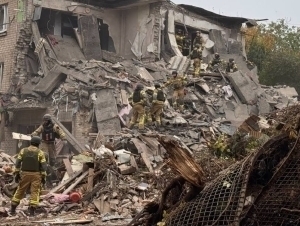
Туркияда зилзила ва табиий офатлар кундалик муаммога айланиб бўлди. Мамлактнинг сейсмик ҳолати борган сари жиддий хавотирларни келтириб чиқармоқда. Узоқ вақтдан буён ёнаётган ўрмонлардаги оловни ўчириш билан банд бўлган Анқара 10 август куни соат 19:55 лар атрофида яна жиддий силкиниш билан юзлашди. Туркия шимоли-ғарбида 6,1 магнитудали зилзила кузатилди. Бу Баликесир вилоятининг Синдирги туманида қайд этилди. Зилзила эпицентри эса 11 км чуқурликда жойлашгани маълум қилинди. Дастлаб ушбу ҳодиса ҳалокатли кўриниш олди. Баликесирдаги Синдирги туманида бино қулаши оқибатида 4 киши вайроналар остида қолгани айтилди. Аммо кейинчалик Туркия Фавқулодда вазиятлар ва табиий офатлар бошқармаси (АФАД) қулаган бино остидан тўрт киши олиб чиқиб кетилганини маълум қилди. 6.1 магнитудали ушбу зилзиланинг ўзи яраша кучли афтершоки ҳам кузатилди. Зилзила эпицентри жойлашган Синдирги туманида яна учта, 4,6, 4,1 ва 4,0 магнитудали қайталаниш юз берди. Туркия Ички ишлар вазири Али Ерлиқоянинг маълум қилишича, ушбу табиий офат оқибатида бир киши ҳалок бўлган, 29 киши жароҳатланган, жами ҳисобда 16 та бино қулаб тушган.
Аммо зилзиланинг айнан Баликесирда қайд этилгани бир томондан кутилган, бошқа томондан эса аввалги тахмин ва хавотирларни янада кучайтирадиган воқеликдир. Негаки, Баликесир ўша хавфли Мармара денгизи билан чегарадош. Мармара унинг шимолий қисмини ювиб туради. Жорий йил бошидан бери Туркиянинг энг машҳур сейсмологи Нажи Гўрюр Мармара денгизининг ҳолати ҳақида ўзининг жиддий хавотирларини билдириб келади. У асосан Истанбулнинг келажагидан ташвишда эканини яширмайди. Гўрюрга кўра, Мармарадаги кучли эҳтимолий зилзила 16 миллионлик мегаполиснинг 4 миллион аҳолисига жиддий хавф туғдириши мумкин. Сейсмик олим биноларнинг 60 фоиздан ортиғи зилзилаларга чидамли эмаслиги, Мармара денгизи минтақасидаги зилзила бутун Туркия тиз чўктириши ҳақида кўп бор такидлаган. Шунингдек, Гўрюр сўнгги ўн йил давомида Мармара денгизи ҳудудидаги тектоник ёрилишлар бўйича илмий тадқиқотлар олиб борган. Унинг сўзларига кўра, бу тадқиқотлар Италия ва Франциянинг сейсмик кемалари билан дунёдаги энг илғор олимлар ҳамкорлигида амалга оширилган. У ўшандаёқ денгиздаги ўзгаришлар ижобий эмаслигини айтганди.
Гўрюр Мармара денгизининг келажагидан хавотир билдириб, ўз тахминларини, асосан, Истанбул мисолида маълум қилганди. Бугун эса сейсмик олим томонидан билдирилган ҳалокатли сценарийда жон борлиги аён бўлди. Бу тахмин Мармара шимолидаги Истанбул бўлмасада, унинг жанубидаги Баликесирда ўз исботини топди. Тўғри зилзила эпицентри денгиздан анча узоқ бўлган туманда қай этилган. Аммо Баликесир нима бўлган тақдирда ҳам Мармара минтақасининг бир четида. Бу эса Нажи Гўрюр айтган қулаш ҳақидаги хавотирларни кучайтирмай қўймайди.
Live
БарчасиЖиззахда 10 ёшли қиз зўрланди
06 Октябрь
Сергелидаги масжидга ўт кетди
03 Октябрь