Kelasi yildan Toshkentdan Xivaga tezyurar elektropoyezd qatnaydi
Jamiyat
−
13 Noyabr 2025 5856 4 daqiqa
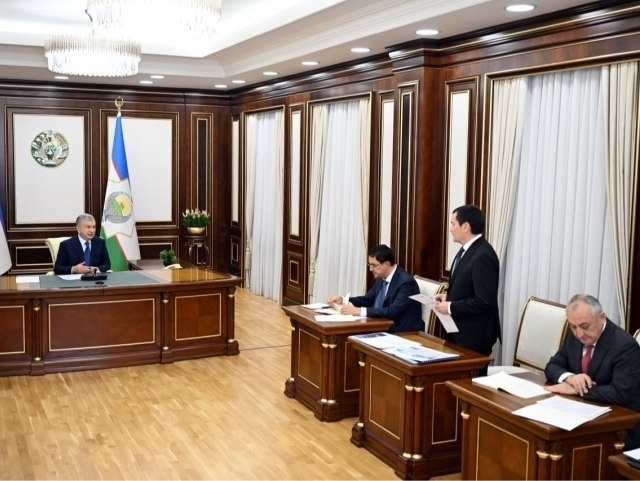
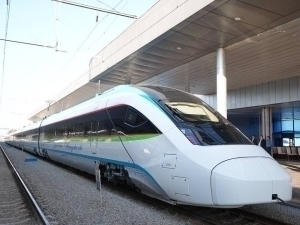
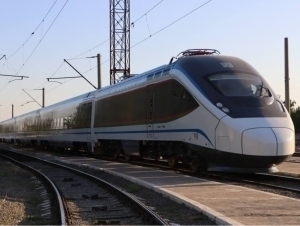
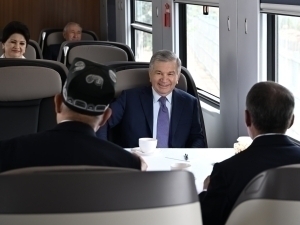
Mas’ullarga Koreyaning “Hyundai Rotem” kompaniyasi bilan hamkorlikda 6 ta yuqori tezlikdagi elektropoyezd olib kelib, ulardan birinchisini kelgusi yilda “Toshkent – Urganch – Xiva” yo‘nalishida qatnovga qo‘yish topshirildi. Bu haqda bugun, 13 noyabr kuni Prezident Shavkat Mirziyoyev temiryo‘l sohasida amalga oshirilayotgan ishlar va kelgusi yillar uchun rejalar bilan tanishishi chog‘ida aytildi.
Qayd etilishicha, temiryo‘l tarmog‘ida boshlangan keng ko‘lamli transformatsiya jarayonlari o‘zining ijobiy natijalarini bera boshlagan. O‘tgan yilni tarmoq ilk bor sof foyda bilan yakunlagan, joriy yilning birinchi to‘qqiz oyida sof foyda 800 milliard so‘mdan oshgan. Tranzit va yo‘lovchi tashish, eksport va investitsiya hajmlari o‘sib bormoqda.
Taqdimotda bu natijalar bilan cheklanmay, aholi soni va iqtisodiyot o‘sishiga mos ravishda temiryo‘l transporti xizmatlarining sifati hamda qamrovini kengaytirish, tarmoqda xarajatlarni qisqartirishni davom ettirish zarurligi ta’kidlangan.
Xususan, transport hisobidan boshlab, harakat oqimigacha bo‘lgan barcha bosqichlarda sun’iy intellekt asosida nazorat o‘rnatish orqali xarajatlarni tahlil qilish, yo‘l qo‘yilayotgan yo‘qotishlarni aniqlash va shu asosda tannarxni 20 foizga kamaytirish mumkinligi qayd etilgan.
2026-2030 yillarda yo‘lovchi va yuk tashish hajmini kamida ikki barobarga oshirish zarurligi ko‘rsatib o‘tilgan.
Buni ta’minlash uchun 151 kilometr yangi temiryo‘l qurish, 182 kilometr masofadagi yo‘llarni elektrlashtirish, shuningdek, 27 ta mavjud stansiya va 1 ming kilometr yo‘lni modernizatsiya qilish rejalari haqida ma’lumot berilgan.
Jumladan, “Nurafshon – Pskent – Bo‘ka – Bekobod – Boyovut – Yangiyer” va “Xovos – Dashtobod” yo‘nalishlarida elektrlashtirilgan yangi temiryo‘llar quriladi. “Qumqo‘rg‘on – Quduqli”, “Samarqand – Urgut” va “Baytqo‘rg‘on – Parkent” yo‘llarini elektrlashtirish, “Toshkent – Samarqand”, “To‘qimachi – Angren” va “Angren – Pop” yo‘llarining o‘tkazuvchanlik qobiliyatini oshirish rejalashtirilgan.
Respublika bo‘ylab shaharlar atrofida qatnaydigan poyezdlar harakatini faollashtirish maqsadida mavjud 40 ta yo‘nalishga qo‘shimcha yana 15 ta yangi yo‘nalish ochish taklif qilingan.
Xususan, “Toshkent – Nurafshon – Ohangaron – Angren”, “Navoiy – Zarafshon – Uchquduq”, “Qo‘qon – Namangan – Andijon – Marg‘ilon”, “Termiz – Qumqo‘rg‘on – Boysun – Darband”, “Nukus – Shovot – Urganch – Xiva”, “Jizzax – Do‘stlik – Aydar-Arnasoy ko‘li”, “Qarshi – Shahrisabz” kabi yo‘nalishlarda shahar atrofi qatnovlarini yo‘lga qo‘yish orqali aholining kundalik safarlari uchun qulay sharoit yaratilishi qayd etilgan.
Yig‘ilishda yuqori tezlikda harakatlanuvchi tarmoqni kengaytirish masalasiga ham to‘xtalib o‘tilgan. Uzunligi 102 kilometrlik “Navoiy – Buxoro” temiryo‘l liniyasini foydalanishga kiritishni jadallashtirish topshirildi. Bu yo‘lning ishga tushishi yuk va yo‘lovchi tashishda vaqt va xarajatlarni sezilarli qisqartirishga xizmat qilishi ta’kidlangan.
Kelgusi yillarda yangi ochiladigan yo‘nalishlar va qurilayotgan yo‘llar uchun lokomotiv va vagonlar parkini kengaytirish bo‘yicha ham rejalar bayon etilgan.
Jumladan, Xitoydan 38 ta magistral lokomotiv, 50 ta manyovrli va gibrid manyovrli lokomotiv xarid qilish nazarda tutilgan. Koreyaning “ Hyundai Rotem” kompaniyasi bilan hamkorlikda 6 ta yuqori tezlikdagi elektropoyezd olib kelib, ulardan birinchisini kelgusi yilda “Toshkent – Urganch – Xiva” yo‘nalishida qatnovga qo‘yish topshirildi. Bu orqali yo‘nalishda yo‘l vaqti hozirgi 14 soatdan 7,5 soatgacha qisqarishi kutilmoqda.
Shuningdek, O‘zbekistonda 250 ta zamonaviy yo‘lovchi vagonlarini qurish, shaharlararo qatnaydigan 23 ta elektr poyezdini xarid qilish orqali yo‘lovchilarga sharoitlar kengaytiriladi. 10 mingta yuk vagonlarini qurish, 6 mingdan ziyodini tiklash hamda 12 ta elektrovozni kapital ta’mirdan chiqarish vazifalari belgilab olindi.
Temiryo‘l sohasida xususiy sheriklik loyihalarini ko‘paytirish zarurligi ham ko‘rsatib o‘tildi.
Yig‘ilishda “Xitoy – Qirg‘iziston – O‘zbekiston” temiryo‘l qurilishi bo‘yicha amaliy ishlarning borishi ham ko‘rib chiqilgan. Prezident mazkur yo‘lning Markaziy Osiyoda transport bog‘liqligini oshirish va mamlakatning tranzit salohiyatini yanada mustahkamlashdagi strategik ahamiyatini alohida ta’kidlab, qurilish ishlarining sifatini ta’minlash yuzasidan ko‘rsatmalar bergan.
Yig‘ilish yakunida temiryo‘l tarmog‘ini modernizatsiya qilish va kengaytirish bo‘yicha belgilangan loyihalarni o‘z vaqtida va sifatli amalga oshirish, raqamli texnologiyalar va sun’iy intellektdan keng foydalanib, xarajatlarni maqbullashtirish, shuningdek, sohada yo‘lovchilar hamda biznes uchun yanada qulay, xavfsiz va ishonchli muhit yaratish yuzasidan mutasaddilarga aniq topshiriqlar berilgan.

Live
Barchasi23 Oktyabr