Ҳокимлик, кадастр, банк ва солиқ идораларида коррупция тўлиқ йўқолмади – Президент
Жамият
−
30 Июль 2025 10063 2 дақиқа
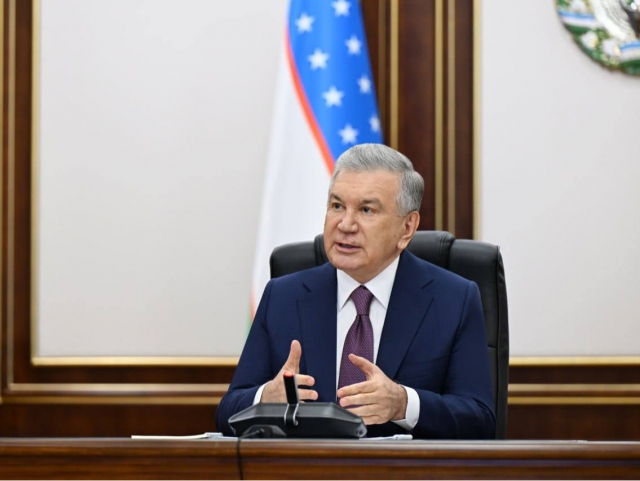
Президент Шавкат Мирзиёев кеча, 29 июль куни маиший коррупцияга қарши курашиш ва унинг олдини олиш чора-тадбирлари бўйича тақдимот билан танишди. Бу ҳақда Президент матбуот хизмати хабар берди.
Қайд этилишича, бу жудаям долзарб, кўпчилик аҳолига дахлдор масала. Чунки коррупциявий ҳолатларнинг 75 фоизи шаҳар ва туманларда маиший шаклда бўляпти. Шу боис 5 март куни Коррупцияга қарши курашиш миллий кенгаши йиғилишида бу иллатга барҳам бериш вазифаси қўйилган эди. Шу мақсадда, Президентнинг 21 апрелдаги фармони билан, Бош прокуратурада коррупция омилларини таҳлил қилиш бўлими ташкил қилинди. Ҳудудларга мунтазам чиқиб, бундай омиллар ўрганиб борилмоқда.
Шунингдек, прокуратура тизимидаги Ҳуқуқни муҳофаза қилиш академияси ва илмий-тадқиқот марказида 200 дан ортиқ мутахассис илм ва таҳлил билан шуғулланаяпти. Умуман, ҳуқуқ-тартибот идораларида 100 мингдан зиёд ходим коррупциянинг олдини олиш бўйича ишлаяпти.
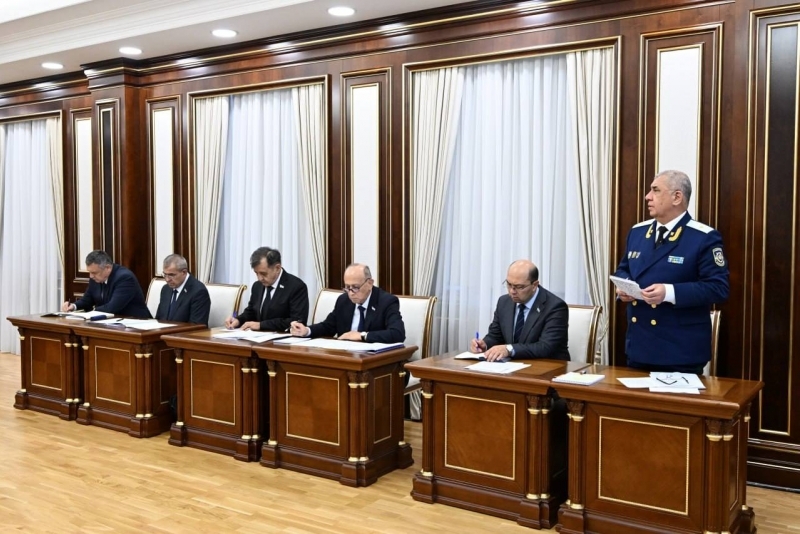
Билдирилишича, кўп ҳолларда бу иллатнинг сабаблари четда қолиб, оқибати билан курашилаяпти. Коррупцияга йўл қўймайдиган превентив чоралар ҳали етарли эмас. Ҳар куни одамларнинг иши тушадиган ҳокимлик, кадастр, банк ва солиқ идораларида бюрократия, “коррупциявий туйнуклар” тўлиқ йўқолгани йўқ.
Тақдимотда шу борадаги қўшимча чора-тадбирлар муҳокама қилинди.
Маълумки, Ўзбекистонда 43 та назорат идораси бор. Ҳамма вазирликларда комплаенс назорат бўлимлари ташкил этилган. Аввало, уларнинг самарадорлигини ошириш вазифаси қўйилди. Вазирлик ва идоралар ҳузуридаги инспекцияларнинг бу борадаги фаолиятига ҳам танқидий муносабат билдирилди.
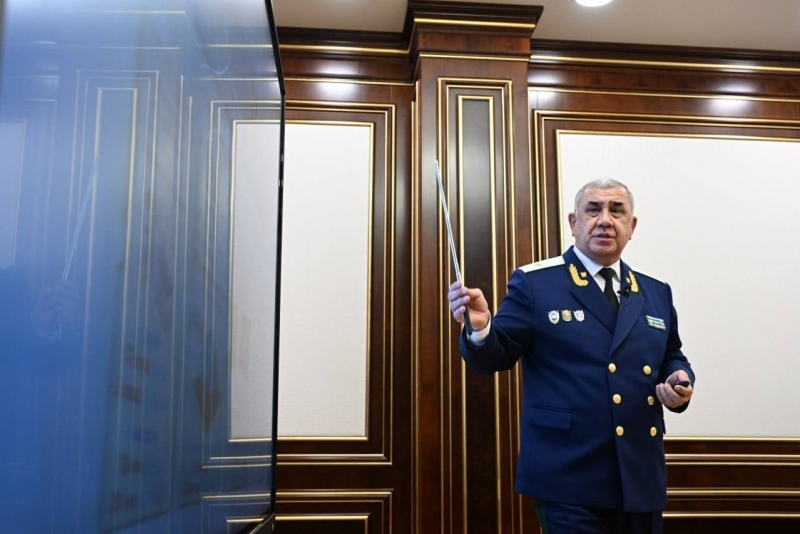
Президент коррупциянинг фақат камайгани эмас, қанчасининг олди олинганига қараб, давлат идоралари фаолиятини баҳолаш кераклигини таъкидлади.
Ер ажратиш бўйича шаффоф тизим жорий қилинган. Лекин, жойларда бу борада ноқонуний хатти-ҳаракатлар ҳалигача учраб турибди. Шу боис кадастр, “Ўзбеккосмос”, қурилиш ва бошқа тегишли ташкилотлар маълумотларини таҳлил қилиб, бундай ҳолатларга бутунлай чек қўйиш шартлиги кўрсатиб ўтилди.
Прокуратура тизимини тўлиқ рақамлаштириш ва барча соҳалар устидан “рақамли назорат” ўрнатиш зарурлиги таъкидланди.
Коррупцияга қарши курашиш миллий кенгаши йиғилишида парламентнинг масъул қўмиталарига маҳаллагача тушиб, коррупцион ҳолатларнинг келиб чиқиш сабабларини ўрганиш, давлат харидларида тўғридан-тўғри шартномаларни камайтириш, ёшлар ўртасида коррупцияга муросасизлик муҳитини шакллантириш каби долзарб масалаларда тавсиялар берилган эди. Тақдимотда бунга масъуллар бажарилган ишлар тўғрисида ахборот берди.

Live
БарчасиЖиззахда 10 ёшли қиз зўрланди
06 Октябрь
Сергелидаги масжидга ўт кетди
03 Октябрь