Ғазо учун нималар қилинмоқда?
Таҳлил
−
21 Февраль 3813 8 дақиқа
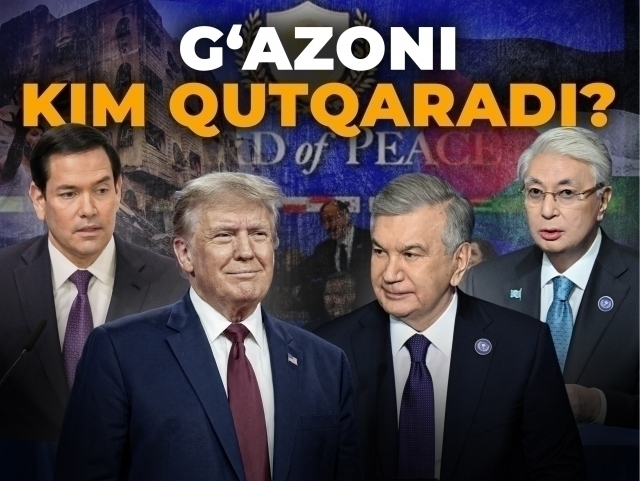
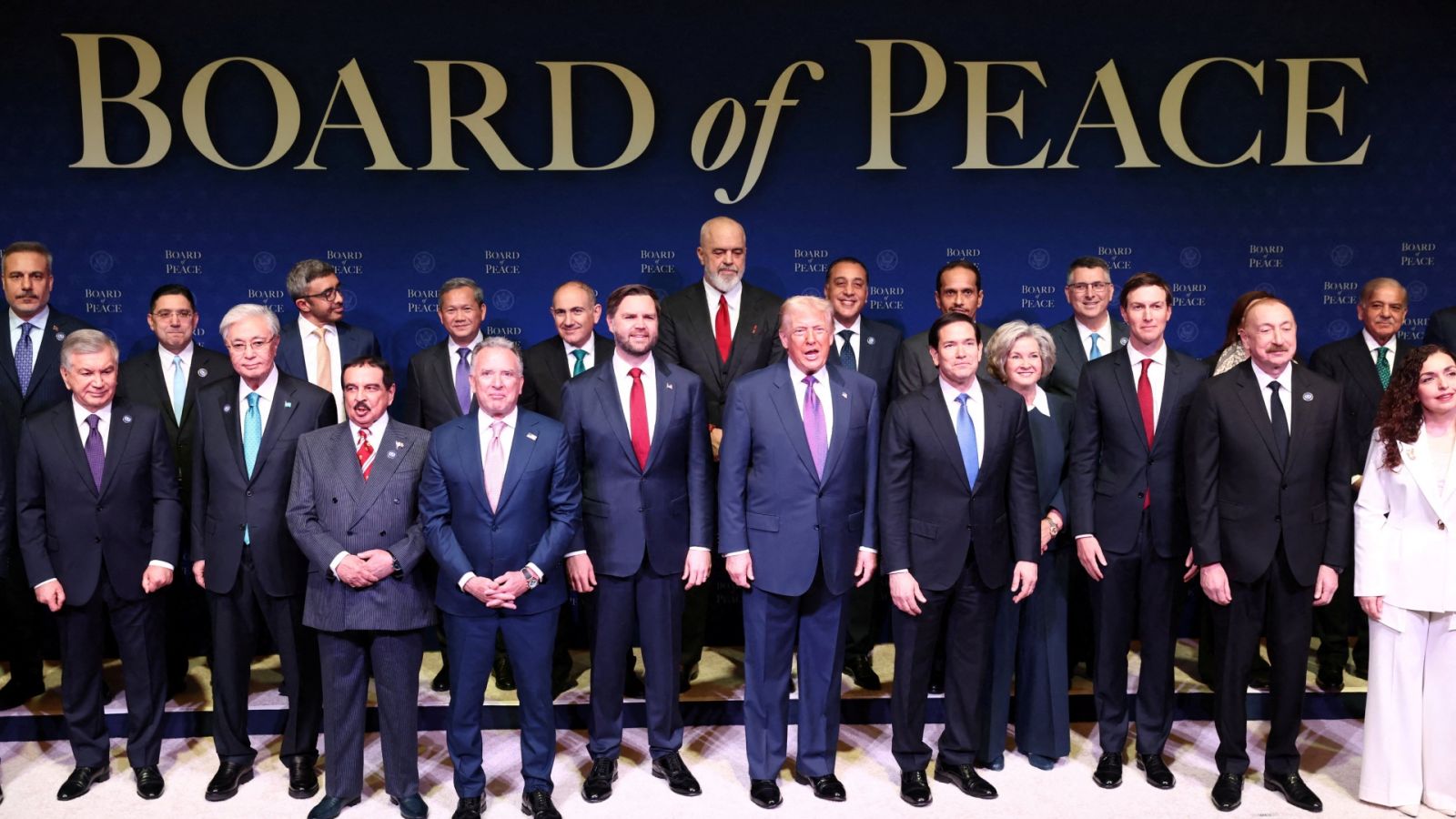
Ташкил этилиши билан Бирлашган миллатлар ташкилотининг (БМТ) потенциал “рақиби” сифатида кўрилган “Тинчлик кенгаши”нинг (The Board of Peace) илк расмий саммити жорий йилнинг 19 февралида бўлиб ўтди. Вашингтонда йиғилган элликка яқин давлат делегациялари дунёда узоқ вақтдан бери давом этиб келаётган Ғазо можаросини ҳал қилиш йўлида амалий ечимлар юзасидан музокаралар олиб борди. Гап миллиардлаб пуллар, янги инвестициялар ва шартномалар ҳақида кетмоқда. Гарчи қатнашчилар қаторида Европанинг қудратли иқтисодиётига эга давлатларини кўрмасак-да, Қатар, Саудия Арабистони, Бирлашган Араб Амирликлари ва Миср каби “бойвачча” мамлакатлар бисёр. Шунингдек, Марказий Осиёдан Ўзбекистон ва Қозоғистон раҳбарларининг ҳам таклиф этилгани бу минтақа ҳам глобал геосиёсатга тобора интеграциялашиб бораётганидан даракдир.
Юксак режалар эълон қилинди, кўп ваъдалар берилди, аммо бир савол ҳануз ўз актуаллигини йўқотагани йўқ, АҚШ президенти Дональд Трамп бошчилигидаги ушбу тузилма бераётган баландпарвоз ваъдалар қай даражада реал ҳаётга татбиқ этилади? Таклиф қилинаётган ечимлар қанчалик фойда беради? Бир сўз билан айтганда, Ғазонинг келгуси тақдири қандай бўлади?
Илк саммит– илк ваъдалар
АҚШ Президенти Дональд Трамп ташаббуси билан йўлга қўйилган мазкур платформа глобал можароларни тезкор сиёсий келишувлар орқали ҳал қилишни мақсад қилган бўлиб, асосий эътибор Ғазо секторига қаратилган. Илк саммитда 50 дан ортиқ давлат делегациялари иштирок этди, уларнинг қарийб 27 таси расмий аъзо сифатида қайд этилган, қолганлар эса кузатувчи мақомида қатнашди. Ташкилотчилар ушбу тузилмани бюрократик тўсиқларсиз ишлайдиган, тезкор қарор қабул қилувчи механизм сифатида тақдим этди.
Саммит аввалида сўзга чиққан ва қарийб бир соатга яқин нутқ сўзлаган Дональд Трамп Ғазо учун АҚШ томонидан 10 миллиард долларгача маблағ ажратилиши режалаштирилаётганини маълум қилди. Шунингдек, бошқа давлатлар ҳиссаси билан қўшимча 7 миллиард АҚШ долларидан ортиқ ёрдам пакети шакллантирилгани ва бу сумма инфратузилмани тиклаш, вақтинчалик хавфсизлик кучлари жойлаштириш ҳамда маҳаллий ҳуқуқ-тартибот тизимини қайта шакллантиришга йўналтирилгани айтилди.
“Афтидан, улар шундай қилишади, лекин буни ҳали аниқлаштиришимиз керак. Бироқ, у ер (Ғазо) энди радикализм ва террор ўчоғи бўлмайди. Бунга чек қўйиш учун бугун мен мамнуният билан эълон қиламанки, Қозоғистон, Озарбайжон, БАА, Марокаш, Баҳрайн, Қатар, Саудия Арабистони, Ўзбекистон ва Қувайт ёрдам пакети учун жами 7 миллиард АҚШ долларидан ортиқ маблағ ажратдилар. Бу жуда ажойиб натижа”, деди Трамп.
Фақатгина пул ажратиш билан кўзланган мақсадга эришиб бўлмаслигини тушунган Трамп Ғазога ҳарбий қўшинлар жойланишини ҳам эълон қилди. Трамп нутқида бу ташаббус “реал сиёсий натижа берадиган янги модель” сифатида таърифланди.
“Албания, Косово ва Қозоғистон Ғазода барқарорликни таъминлаш учун ўз қўшинлари ва полиция кучларини ажратиш мажбуриятини олдилар. Миср ва Иордания ҳам худди шундай жуда катта ёрдам бермоқда – улар ишончли Фаластин полиция кучлари учун қўшинлар ажратишмоқда, машғулотлар ўтказишмоқда ва ҳар томонлама қўллаб-қувватлашмоқда”, дейди у.
.jpg)
Бироқ, сиёсий таҳлил нуқтаи назаридан бир қатор саволлар очиқ қолмоқда. Аввало, эълон қилинган 10 миллиард долларлик маблағ АҚШ Конгресси томонидан тасдиқланиши лозим. Трампнинг ҳали демократлар билан ички баҳсларни ҳал қилиб улгурмасдан бундай катта миқдорда халқаро ёрдам пулини ваъда қилгани ва бу маблағнинг қаердан олиниши очиқланмагани унинг сўзларига шубҳа уйғотмоқда. Иккинчидан, Ғазода қуролли гуруҳларнинг қуролсизлантирилиши масаласи ҳал қилинмаган. Ҳамаснинг тўлиқ қурол топшириш бўйича аниқ мажбурияти йўқлиги тинчлик режасининг барқарорлигини шубҳа остига қўяди. Учинчидан, халқаро хавфсизлик кучларини жойлаштириш ташаббуси минтақавий давлатлар розилигини талаб қилади, бу эса дипломатик мураккабликларни келтириб чиқаради.
Саммитдаги энг шов-шувли жиҳат Трампнинг БМТ тизимига билвосита танқидий мурожаати бўлди. У мавжуд халқаро механизмларни сусткашликда айблаб, янги платформа тезкор ва натижавий бўлишини таъкидлади.
“Биз БМТ билан жуда яқин ҳамкорликда ишлаймиз. Биз уларни аввалги мавқеига қайтарамиз. Менимча, БМТ улкан салоҳиятга эга, чиндан ҳам жуда катта салоҳиятга. Бироқ, у ҳозиргача бу салоҳиятни тўла намоён эта олмади. Дунёдаги саккизта уруш бўйича мен улар билан бирортаси ҳақида гаплашмаганман”, деди.
Шунингдек, Трамп кун келиб “Тинчлик кенгаши” БМТни назорат қилиши, уни бошқариб туриши ва ҳатто, молиялаштиришига ишонишини билдирди.
“Қачондир мен бу ерда бўлмайман, лекин Бирлашган Миллатлар Ташкилоти бўлади – ўйлайманки, у анча кучлироқ бўлади. “Тинчлик кенгаши” эса гўёки Бирлашган Миллатлар Ташкилотини кузатиб боради ва унинг тўғри ишлашини таъминлайди. Биз унинг инфратузилмаси (шароитлари) яхши бўлишини таъминлаймиз, чунки улар ёрдамга муҳтож ва айнан молиявий жиҳатдан кўмакка муҳтож”, дейди Трамп.
Бироқ, экспертлар фикрича, легитимлик, аъзолик кўлами ва мажбурий ижро механизмларисиз ҳар қандай ташаббус глобал хавфсизлик архитектурасида ҳал қилувчи роль ўйнаши қийин. Айрим давлатлар кенгашни қўллаб-қувватлаган бўлса-да, йирик халқаро ўйинчиларнинг эҳтиёткор позицияси унинг ҳақиқий салоҳиятини чеклаши мумкин. Ҳали 27 аъзосининг ҳам доимий эканлиги мужмал бўлиб турган бир вақтда тузилманинг келажаги ҳақида нимадир дейишга ҳали эрта.
Умуман олганда, Вашингтон саммити катта сиёсий баёнотлар ва молиявий ваъдалар билан ўтди. Аммо, Ғазода барқарор тинчлик ўрнатиш учун нафақат маблағ, балки чуқур сиёсий келишув, ишонч ва минтақавий консенсус талаб этилади. Акс ҳолда, “Тинчлик кенгаши” баландпарвоз ташаббус сифатида тарих саҳифаларида қолиб кетиши эҳтимолини ҳам инкор этиб бўлмайди.
.jpg)
АҚШ Давлат котиби Марко Рубионинг нутқи ҳам тинчлик ташаббусининг амалий йўналишига урғу бериши билан ажралиб турди. Рубио ўз чиқишида Ғазо можаросини “ўзига хос, оддий халқаро институтлар ҳал қила олмаган инқироз” деб атади ва шу боис янги механизмга бўлган эҳтиёжни яна бир бор таъкидлади. У саммит иштирокчиларига мурожаат қилиб, “Ғазо учун Б режа йўқ – Б режа урушга қайтишдир” деб огоҳлантирди ва фақат барқарор тинчлик йўлини давом эттириш кераклигини қайд этди.
“Ғазо учун Б режаси мавжуд эмас. Б режаси – бу урушга қайтиш демакдир. Бу ерда ҳеч ким буни хоҳламайди. Ягона йўл бўлган А режаси – Ғазони шундай қайта тиклашки, у ерда барқарор ва давомли тинчлик ҳукм сурсин, ҳамма бир-бири билан ёнма-ён яшай олсин ва ҳеч қачон қайтадан можарога, урушга, инсоний азоб-уқубатлар ва вайронагарчиликларга қайтиш ҳақида хавотир олмасин”, дейди Рубио.
Саммит давомида яна кўплаб нутқлар бўлди, аъзолар бирин-кетин Ғазо масаласида ўз фикрларини қисқача ифода этди. Нутқларнинг асосий мазмуни – Ғазода барқарор сулҳга эришиш, янги дипломатик механизм яратиш ва мавжуд халқаро институтларнинг самарасизлигини танқид қилишдан иборат бўлди. Бироқ, аниқ ижро механизмлари, пул манбалари ҳали-ҳануз очиқ қолмоқда.
Ўзбекистон ва Қозоғистон Ғазо учун нималарга тайёр?
Марказий Осиё минтақасининг лидерлари сифатида Ўзбекистон ва Қозоғистон глобал саҳнада фақат иқтисодий ва хавфсизлик масалаларида эмас, инсонпарварлик ва дунё тартиботини белгилаш жараёнларида ҳам фаол позиция кўрсатмоқда. 19 февралдаги Ғазо секторидаги муаммоларни ҳал қилиш мақсадида ташкил этилган “Тинчлик кенгаши” саммити доирасида икки давлат ҳам ўз ҳиссаларини қўшишга тайёр эканликларини эълон қилди. Бу қарорлар нафақат минтақавий сиёсат, балки умуминсоний масъулият тимсолидир.
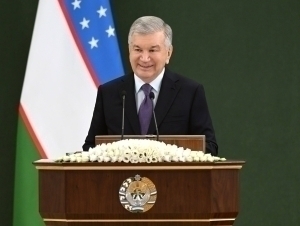
Ўзбекистон Республикаси Президенти Шавкат Мирзиёев Вашингтонда бўлиб ўтган “Тинчлик кенгаши”нинг биринчи йиғилишида Ғазо сектори учун ёрдам кўрсатишга тайёр эканини расман эълон қилди. У президент сифатида нафақат сўз билан, балки амалий ҳисса қўшишга интилаётганини таъкидлади.
.jpg)
“Таъкидлаб айтаманки, Ўзбекистон ушбу ҳудудда турар жойлар, болалар боғчалари, мактаб ва шифохоналар барпо этишга имкон қадар ҳисса қўшишга тайёр.
Ушбу саммит Дональд Трамп номидаги Тинчлик институтида ўтказилаётганида рамзий маъно мужассам. Бизнинг учрашувимиз халқаро бирдамлик, тинчликсеварлик ва Яқин Шарқдаги вазиятни яхшилашга бўлган умумий интилишимизнинг ёрқин ифодасидир.
Биз Янги Ғазони – иқтисодиёти фаровон, аҳоли учун муносиб турмуш шароитларига эга бўлган минтақани барпо этиш учун ушбу тарихий имкониятдан фойдаланишимиз зарур”, дейди Ўзбекистон етакчиси.
Президент, шунингдек, кенгашнинг ишчи механизмлари маҳаллий халқнинг қўллаб-қувватлашига асосланиши лозимлигини қайд этди, чунки “ҳар қандай ташқи бошқарув минтақанинг ички иродасига таяниши керак”, дея таъкидлаб ўтди.
“Ишончим комил, кенгаш иши Ғазо минтақасини иқтисодий ва ижтимоий қайта тиклаш учун қулай шароит яратишга имкон беради. Шу билан бирга, Ғазонинг ҳар қандай ташқи бошқарув механизми сектор аҳолисининг сўзсиз ички қўллаб-қувватлашига таяниши лозим”, дейди Ўзбекистон Президенти.
Ўзбекистон ушбу ташаббусни халқаро бирдамлик ва тинчликни мустаҳкамлаш йўлида муҳим деб атади. Мирзиёев нутқида Ғазони “янгидан қуриш” ва аҳолига тинч, фаровон ҳаётни қайтариш учун глобал ҳамкорликнинг зарурлигини таъкидлади. Бу ёрдам иқтисодий ва ижтимоий тикланишга хизмат қилади ва минтақавий барқарорликка ўз ҳиссасини қўшади.
Ҳамда АҚШ президенти Дональд Трампнинг баёнотига кўра, Ўзбекистон, Қозоғистон ва бошқа давлатлар Ғазони тиклаш учун жами 7 миллиард АҚШ доллари атрофида маблағ ажратишини эълон қилди.
Қозоғистон Президенти Қосим Жўмарт Тўқаев ҳам шу саммитда Ғазо секторига ёрдам бериш бўйича кенг кўламли таклифлар билан чиқди. Тўқаевнинг баёнотига кўра, Қозоғистон нафақат молиявий ёрдам кўрсатишга, балки тикланиш жараёнида бевосита иштирок этишга тайёр.
“Қозоғистон Халқаро барқарорлаштириш кучларини дала госпиталига эга тиббий бўлинмаларни, шунингдек, Фуқаролик-ҳарбий мувофиқлаштириш марказига кузатувчиларни юбориш орқали қўллаб-қувватлашга тайёр”, деди Тўқаев.
.jpg)
Унинг сўзларига кўра, мамлакат инсонпарварлик ёрдамидан тортиб, инфраструктурани қайта қуриш, уй-жой, мактаб ва шифохоналар қурилиши каби лойиҳаларни амалга оширишга қизиқиш билдиради. Бундай лойиҳалар халқаро компаниялар орқали юритилиши мумкин, шунингдек, Қозоғистон Ғазо ва унга қўшни минтақаларда гуманитар озиқ-овқат ёрдам (масалан, буғдой етказиб бериш) кўрсатади.
Ўзбекистон ва Қозоғистон Ғазо сектори йўналишида нафақат самимий инсонпарварлик ёрдамига, балки барқарор тикланиш ҳамда минтақавий тинчликни таъминлашга реал ҳисса қўшишга тайёр эканлигини кўрсатди. Бу икки давлатнинг қарорлари глобал ҳамжамият билан ҳамкорликда тинчликни мустаҳкамлаш ва аҳолини қўллаб-қувватлашга хизмат қиладиган амалий ташаббусдир.
Хулоса қилиб айтадиган бўлсак, АҚШ ўз сўзида тура олса ва белгиланган режалар тўлиқ амалга оширилса, “Тинчлик кенгаши”дан умид катта. Узоқ даврлардан бери давом этиб келаётган Ғазо можаросини фақат бирдамлик ва ҳамжиҳатликда ҳал этиш мумкин.
Live
БарчасиЖиззахда 10 ёшли қиз зўрланди
06 Октябрь
Сергелидаги масжидга ўт кетди
03 Октябрь