Трамп ва Оятуллоҳ уруши давом этади
Review
−
28 June 2025 19200 6 minutes
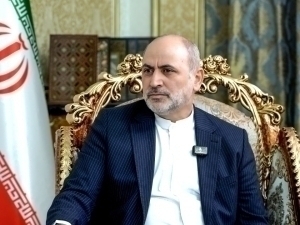
Барчанинг ўз “ҳақиқати” бор, асл ҳақиқат эса бир бурчакда ҳайрон. Бу жумлалар бугун Эрон ва АҚШ раҳбарияти ўртасидаги ортда қолган 12 кунлик Эрон-Исроил урушида ким ғолиб бўлгани ҳақидаги баҳс-мунозараларга жуда мос келади. Икки томон ҳам “кўрпани ўзига тортмоқда”. Масалан, уруш тугаши билан Эрон олий раҳбари биринчилардан бўлиб, ғалабани “ўзиники” қилиб кўрсатишга уринди. 12 кунлик уруш давомида бор-йўғи икки бор баёнот бериб чиққан ва шундан сўнг ташқи дунё билан алоқани узиб, йўқолиб қолган Хоманаий, 26 июнь куни Исроил билан сулҳ тузилганидан кейин илк бор омма олдида чиқиш қилиб, халқини ғалаба билан табриклади. Орадан кўп ўтмай, унинг АҚШ устидан “ғалаба” қозонилгани ҳақида айтилган иккинчи баёноти ҳам эълон қилинди.
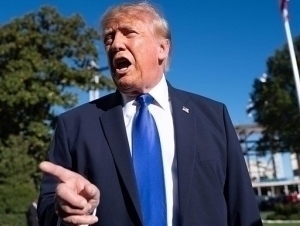
Ғарбий яримшарда эса Трамп Эрон ва Исроил ўртасидаги урушни тўхтатгани, унинг саъй-ҳаракатларини “дада”га ўхшатиш авж олди. У мазкур икки мамлакат ўртасидаги зиддиятни ифодалаш учун кўп ишлатадиган ибораси “мактаб ҳовлисида уришаётган болалар” деган сўзларини яна тилга олди ва ўзини уларни бир муддат уришишга қўйиб берган, кейин эса ажратиб олган катта шахс деб баҳолай бошлади. Ҳатто НАТО саммитида ҳам альянс раҳбари Рютте Трампни “қаттиққўл дада”га ўхшатди ва бу бутун дунё ОАВларида муҳокама мавзусига айланиб кетди. Албатта, Трампнинг бундай ҳаракатлари Эрон Олий раҳнамосига ёқмаслиги тайин эди ва у Трампни воқеаларни бўрттириб юбормасликка чақирди.
ОАВда чиқаётган ҳар қандай хабарлар, дунёнинг бир чеккасидаги 22 ёшли экофаол Грета Тунбергнинг ҳаракатлари, хуллас, жуда майда воқеликлардан тортиб ўта арзимас масалаларгача ўз фикрини ижтимоий тармоқдаги саҳифасида ёзиб қолдиришга эринмаётган АҚШ Президенти бу сафар ҳам Хоманаийга жавоб қайтармасдан тура олмади. У ўзига тегишли Truth Social платформасида узундан узоқ пост қолдирди ва унда Эрон Олий раҳбарини ёлғончиликда айблади.
“Урушдан азият чеккан Эрон “Олий раҳнамоси” деб аталган Оятуллоҳ Али Хоманаий ўз баёноти ёлғон эканини билса-да, нега Исроил билан урушда Эрон ғалаба қозонди, деб очиқчасига ва аҳмоқона гапирди? Аслида ундай эмас. Катта эътиқодли одам сифатида у ёлғон гапирмаслиги керак. Унинг мамлакати вайрон бўлди, унинг учта ёвуз ядровий объекти йўқ қилинди”, деб ёзган Трамп.
Шунингдек, Трамп уруш давомида Хоманаийнинг қаерга яширинганини билгани, аммо уни йўқ қилишга рухсат бермаганини ҳам иддао қилган. Трампга кўра, гўё у Оятуллоҳни қўрқинчли ва жирканч ўлимдан қутқариб қолганмиш.
“Мен унинг қаерда бошпана топганини аниқ билардим ва Исроил ёки АҚШ Қуролли кучларига унинг ҳаётини тугатишига йўл қўймадим. Мен уни даҳшатли ва жирканч ўлимдан қутқардим. Бу учун раҳмат айтиши шарт эмас”, деб ёзган АҚШ Президенти.
Бундан ташқари, у ўз постида урушнинг якуний палласида Исроилдан Теҳрон томонга йўл олаётган жуда кўплаб самолётларни тўхтатгани, акс ҳолда бу ҳужум Эронга мисли кўрилмаган фалокатга олиб келиши мумкинлигини даъво қилди.
“Дарҳақиқат, урушнинг якуний актида мен Исроилдан тўғридан тўғри Теҳронга йўл олган, эҳтимол, сўнгги нокаутни кутаётган жуда катта самолётлар гуруҳини қайтаришни талаб қилдим! Акс ҳолда Эрон катта зарар кўрган ва кўплаб эронликлар ҳалок бўлган бўлар эди. Бу ҳозиргача урушнинг энг катта ҳужуми бўлиши керак эди”, деган Трамп.
Шу жойда Трамп Эронга қандайдир сигнал ҳам юборишга улгурди. У мазкур пост давомида сўнгги кунларда Эронга қўйилган санкцияларни олиб ташлаш устида астойдил ишлагани, аммо расмий Теҳрондан кутилган жавобни ололмагач, бу саъй-ҳаракатларни дарҳол тўхтатишга қарор қилганини маълум қилди.
“Сўнгги бир неча кун ичида мен санкцияларни олиб ташлаш ва бошқа нарсалар устида ишладим. Бу Эронга тез ва тўлиқ тикланишда анча яхши имконият берган бўларди. Лекин йўқ, бунинг ўрнига мен ғазаб, нафрат ва жирканиш баёнотга дучор бўлдим ва санкцияларни енгиллаштириш бўйича барча ишларни дарҳол тўхтатдим”, дейди АҚШ етакчиси.
Шунингдек, Трамп Эрон энди жаҳон ҳамжамиятига тезроқ интеграция бўлиши лозимлиги, йўқса бу мамлакат келажакда жуда оғир аҳволга тушиши мумкинлигидан огоҳлантирди. Энг сўнггида эса Трамп Эрон раҳбарияти “сирка ўрнида асал олиши лозимлигини” тушуниб етишига тилакдош эканини билдирди.
“Эрон жаҳон тартиби оқимига қайтиши керак, акс ҳолда улар учун вазият янада ёмонлашади. Улар ҳар доим жуда ғазабда ва бахтсиз. Бу эса уларга нима олиб келганига қаранг – ёниб кетган, портлаб кетган, келажаги йўқ, ҳалокатга учраган ҳарбийлар, даҳшатли иқтисод ва уларнинг атрофида ўлим. Уларда умид йўқ ва бундан ҳам баттар бўлади! Қанийди, Эрон раҳбарияти сирка ўрнига асал олишни тушуниб етса! ТИНЧЛИК!!!”, деб ўз постига нуқта қўйган Трамп.
Бу 79 ёшли АҚШ Президенти Дональд Трамп ва 86 ёшли Эрон Олий раҳбари Оятуллоҳ Али Хоманаийнинг ҳақиқий урушдан кейинги ижтимоий тармоқларда давом этаётган ўзига хос жанги эди. Икки қария “ғалаба”ни ўзиники қилиш дардида урушни эндиликда ижтимоий тармоқларга кўчириб олишди ва турли постлар орқали уни давом эттирмоқда.
Бу томонда эса ортда қолган ва тарихга кўп эҳтимол 12 кунлик уруш деб ном қолдирган тўқнашувни бошлаган ва энг катта айбдор Исроил ҳозирча қандайдир ғалаба ҳақида кўп гапирмаяпти. Исроил расмийлари ўзлари бошлаган урушда кўрилган зарар ҳақида бош қотириш билан овора. Жумладан, Исроил Солиқ бошқармаси раҳбари Шай Аароновичнинг сўзларига кўра, бу мамлакат тарихидаги энг йирик моддий талафотдир. Аммо зарар ҳақида гап кетганда яҳудий давлати мулозимлари турлича рақамларни келтирмоқда. Масалан, Молия вазири урушнинг умумий харажатлари 12 миллиард долларга етиши мумкинлигини айтган бўлса, Исроил Марказий банки раҳбари Амир Ярон эса бу рақамни анча паст, тахминан 6 миллиард долларга баҳолаган. Бироқ шундай бўлишига қарамай, Исроил ҳақиқатдан ҳам жуда катта талафот кўргани шубҳасиз.
Чунки “Bloomberg”нинг Исроил Молия вазирлиги ва солиқ бошқармаси маълумотларига таяниб хабар беришича, яҳудий давлатининг фақатгина ракеталар билан зарарланган биноларни тиклаши ва маҳаллий бизнесга товон тўлаш харажатлари 3 миллиард долларни ташкил қилади. Урушда ишлатилган қуроллар, ўша 10 йилдан буён салоҳияти кўпиртирилган, аммо Эрон ракеталари қаршисида ожиз қолган ҳаво мудофаа тизимининг келгусидаги харажатлари 3 миллиард долларлик йўқотишлар қаторига кирмайди. Шунингдек, янги уруш оқибатида Исроилда иқтисодий қийинчиликлар янада кучаймоқда. Марказий банк олдинроқ 2025 йил учун ЯИМ ўсишини 3,5 фоиз деб прогноз қилган бўлса-да, бу рақам эндиликда қайта кўриб чиқилиши мумкин. Бу эса Эрон билан бўлган уруш аввалги ҳарбий тўқнашувларга қараганда анча қимматга тушганини исботлайди. Сабаби бу сафар уруш даҳшати Исроил ҳудудида ўзининг энг аянчли кўринишини намоён қилди. Бу Ғазо ва Ливан жануби ҳамда марказига уюштирилган қонли агрессиялардан том маънода фарқ қилади. Эрондан оқиб келган ракеталар асосан марказий Исроилдаги зич аҳоли яшайдиган шаҳарларга, жумладан Тель-Авив агломерациясига қаратилган бўлиб, у ерда мамлакат аҳолиси ярмидан кўпи истиқомат қилади. Бу эса исроилликларга уруш азоби ва даҳшатини ўз танасида ҳис қилиш, ёнаётган уйларни ўз кўзлари билан кўришга ва шаҳарнинг турли бурчакларидан келаётган азобли қичқириқларни ўз қулоқлари билан эшитиш ва ундан хулоса қилиш имконини берди.
Live
All