Энди секторлар фаолияти билан прокурор, ички ишлар ва солиқ шуғулланмайди – Мирзиёев
Жамият
−
05 Март 2025 18629 3 дақиқа
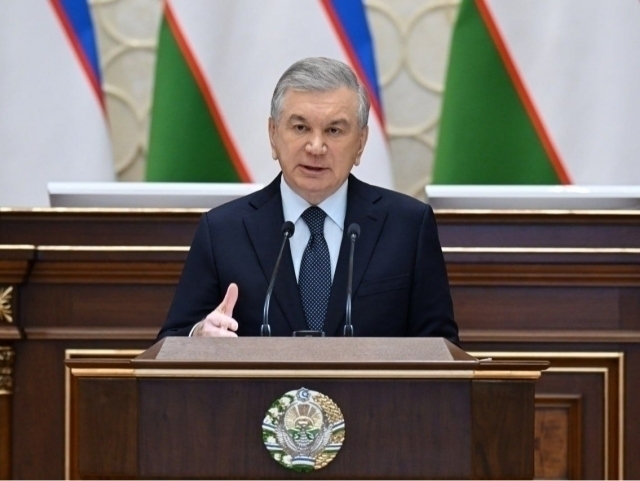
Ҳудудларни секторларга бўлиб бошқариш тизими бекор қилинди. Бу ҳақда Президент Шавкат Мирзиёев бугун, 5 март куни Сенатда ўтаётган йиғилишда сўз очди.
Маълум қилинишича, солиқ идоралари ходимлари ҳар бир маҳаллага бириктирилгани билан тушумлар кескин ошмаган. Масалан, минглаб корхона ҳисоботларида бирорта ҳам ходим йўқ деб кўрсатган бўлса, яна минглаб корхона 2 ёки 1 нафар ишчи кўрсатмоқда. Бу солиқ идоралари яширин иқтисодиёт билан суст ишлаётганидан далолатлиги кўрсатиб ўтилган.
Инсофли тадбиркорларга қўшилган қиймат солиғи 7 кун ичида қайтариб берилиши белгиланган. Бироқ солиқ раҳбарлари тадбиркорларнинг 487 миллиард сўмлик 2,5 мингга яқин мурожаатини ўз вақтида кўриб чиқмаган.
"Бундан буён секторлар фаолияти билан прокурор, ички ишлар ва солиқ шуғулланмайди", деди Президент.
Уларнинг ўрнига эндиликда Бош вазир ўринбосарлари ўзига тегишли соҳалар билан ўз кучи ва тизими билан шуғулланиши белгиланди.
Камбағаллик, ижтимоий ҳимоя, тадбиркорлик бўйича ислоҳотлар ҳар бир инсонга етиб борадиган иш ташкил этилмоқда. Энди бу иш услуби туман ва маҳаллада жиноятчиликни жиловлаш, коррупцияни олдини олиш бўйича ҳам жорий қилинади.
“Нима учун буни айтяпман? Чунки, жиноятчилик жилови маҳкам бўлган, хавфсиз жойга инвестор кўпроқ маблағ киритади, одамларимизнинг ишончи янада ортади”, деди Президент.
Туманда жиноятчиликни жиловлашга ҳоким бош бўлиб, барча ишларни мувофиқлаштириши, унинг бу борадаги ўрни ҳеч қаерга йўқолмаслиги кўрсатиб ўтилди.
“Прокуратура, ички ишлар, солиқ раҳбарлари яхшилаб эшитиб олсин: сектор ишидан озод қилиш бу – эски даврга қайтиб, аҳоли ва тадбиркорларга ҳар қадамда тўсиқ, коррупцияга шароит яратиш, дегани эмас”, деди давлат раҳбари.
Ҳар ҳафтада прокурор ва ички ишлар бошлиғи билан ҳудуддаги вазиятни муҳокама қилиб бориши шарт ва зарурлиги қайд этилди.
Бош прокуратура, Ички ишлар, ДХХ академиялари, Юридик ва Жамоат хавфсизлиги университетларига жиноятчиликни олдини олиш бўйича ҳудуд ва соҳалар бириктирилган эди. Лекин улар криминоген вазият мураккаб маҳаллаларга олимларини юбормаётгани, ушбу маҳаллаларни намунали қилишда жонбозлик кўрсатмаётганига эътироз билдирилди.
Миллий кенгаш ҳар чоракда ушбу олийгоҳлар раҳбарларидан ҳам ҳисобот сўраб бориши кераклиги таъкидланди.
Умуман, Сенат камида 1 та ҳудудда жиноятчиликни кескин қисқартириш бўйича, Қонунчилик платаси эса камида 1 та соҳада коррупцияга барҳам бериш бўйича таклифлар бериб бориши бу борадаги ишлар натижадорлигини янада оширишига ишонч билдирилди.
Бундан буён, вазир ва ҳокимлар лавозимга қўйилишидан олдин коррупцияни олдини олиш бўйича аниқ режасини парламент ва маҳаллий кенгашлар олдида ҳимоя қиладиган тизим жорий этиш таклиф қилинди.
Эслатиб ўтамиз, аввалроқ Президент жамиятда коррупция муаммосини жамоатчилик муҳокамасига олиб чиқадиган очиқ тизим, очиқ муҳит яратилгани, айниқса, оммавий ахборот воситаларининг бу борадаги ўрни ва таъсири ортиб бораётганини, илгари бу мавзу журналистлар учун мутлақо ёпиқ бўлгани, ҳозир эса мавжуд ҳолат очиқлик ва шаффофлик томонга бутунлай ўзгарганини айтганди. Очиқлик бўйича халқаро рейтингларда мамлакатимизнинг ўрни 138 поғонага яхшиланиб, Марказий Осиёда биринчи, дунёда 30-ўринга кўтарилди.

Live
БарчасиЖиззахда 10 ёшли қиз зўрланди
06 Октябрь
Сергелидаги масжидга ўт кетди
03 Октябрь