Бошқа қиёфадаги АҚШ. Тарвузи қўлтиғидан тушган Европа. Мюнхенда нималар бўлди?
Таҳлил
−
17 Февраль 2025 12701 9 дақиқа
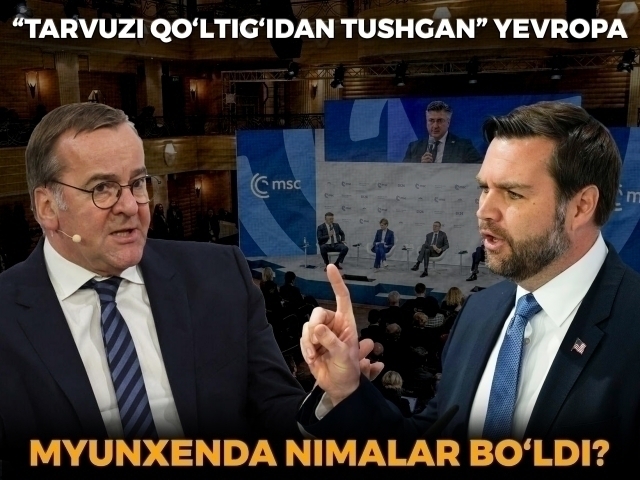
Дунё етакчилари бир-бирига қарата тошлар отган Германиядаги 61-Мюнхен хавфсизлик конференцияси якунланди. Конференцияда АҚШ вакиллари Европани аяб ўтирмади. Трампдан нажот тополмаган Зеленский ҳам Европага умид боғлади. Трамп жамоасининг кутилган тинчлик режаси тақдим этилмади. Конференцияда нима ҳақида гаплашилди, нима учун уни муваффақиятли деб ҳисоблаш мумкин эмас ва Мюнхендаги учрашув қандай муаммоларни очиб берди? QALAMPIR.UZ 14-16 февраль кунлари Германиянинг Мюнхен шаҳрида бўлган хавфсизлик конференцияси ҳақида қуйида батафсил сўз юритади.
Мюнхен хавфсизлик конференциясига 60 га яқин давлат ва ҳукумат раҳбарлари, 150 вазир ва халқаро ташкилотлар раҳбарлари ташриф буюрди. 2022 йилдан бери бу майдонга киритилмаётган Россия яна таклиф қилинмади.
Конференцияда тош боса оладиган ва ҳал қилиниши керак бўлган асосий мавзулардан бири Украинадаги можаро эди.
Конференциядан бир неча кун олдин эса АҚШ Президенти Дональд Трамп Россия раҳбари Владимир Путин билан биринчи расмий суҳбатни ўтказди. Давлат раҳбарлари бир қатор масалаларни, шу жумладан Украина инқирози ва уни ҳал қилиш йўлларини муҳокама қилди. Мюнхенда эса АҚШ Украина билан юзлашди. Учрашувларнинг асосий нуқталари ҳам ушбу давлат вакилларига қаратилган эди.
АҚШнинг телба-тескари баёнотлари
Мюнхендаги Америка делегациясига вице-президент Жеймс Дэвид Вэнс бошчилик қилди. У конференциянинг илк кунини танқидлар билан бошлади. Вэнс биринчи кунда сўзга чиққанда, ўз раҳбари Дональд Трампнинг Украинадаги можарони тугатиш режасини очиб берди. Бироқ АҚШ вице-президенти Европа Иттифоқи элитасини қаттиқ танқид қилиб, уларни сўз эркинлигини бостиришда, демократияни бузишда ва ўнг қанот популистларини сиёсий майдондан қасддан сиқиб чиқаришда айблади.
Умуман олганда, америкаликнинг нутқи Европа сиёсатчиларини ҳайратда қолдирди. Вэнс Европага асосий таҳдид сифатида Россияни эмас, балки Европа ичидаги ўзидалигини ва қадриятлардан узоқлашишни кўришини айтди.
“Мени Европага нисбатан энг кўп ташвишга соладиган таҳдид Россия эмас, Хитой ҳам, бошқа бирор-бир ташқи мавзу ҳам эмас. Мени ичкаридан таҳдид қилиш, Европанинг АҚШ билан баҳам кўрган энг асосий қадриятларидан четга чиқиши безовта қилмоқда”, деган вице-президент.
“The New York Times”нинг ёзишича, Европа сиёсатчилари ундан Украинадаги можарони тугатиш бўйича АҚШ Президентининг режасини ошкор қилишини кутган. Бу, айниқса, 12 февраль куни Дональд Трампнинг Россия раҳбари Владимир Путин билан телефон орқали суҳбатидан кейин жуда муҳим эди. Бунинг ўрнига, Вэнс Европа Иттифоқининг ҳукмрон кучларига қарата тошлар отди. Ушбу нутқ сиёсатчилар ва журналистлар орасида кескин реакцияга сабаб бўлди.
“The Washington Post” шарҳловчилари вице-президентнинг нутқини “Американи яна буюк қил!” шиорига содиқ, деб атади. Германия Мудофаа вазирлиги раҳбари Борис Писториус эса АҚШни Европа мамлакатлари ишларига “қабул қилиб бўлмайдиган аралашувда” айблади.
Бундан ташқари, Вэнс Европада ўсиб бораётган миграция муаммосига ишора қилди. Унинг сўзларига кўра, Европа сиёсатчилари очиқ чегаралар ва ўнг қанот популистларидан қўрқишни тўхтатишлари ва Европа Иттифоқи ичидаги вазият ёмонлашаётганини тушунишлари керак.
Шунингдек, Вэнс Европа мамлакатлари ҳукуматларининг сўз эркинлиги ва цензура соҳасидаги сиёсатини танқид қилди. Хусусан, у немис полициясининг феминизмга, фаолларга қарши рейдлари, шунингдек, Буюк Британияда абортга қарши бўлганларнинг ҳибсга олинишига ишора қилди. Унинг сўзларига кўра, буларнинг барчаси Жо Байденнинг АҚШдаги президентлиги ва унинг Европа амалдорларига бўлган меҳри натижасида юзага келган. Унинг хулосасига кўра, Трампнинг қайтиши билан ҳамма катта ўзгаришларни кутмоқда.
“Мен Европада сўз эркинлиги чекинаётганидан қўрқаман. Аммо Вашингтон шаҳрида янги шериф пайдо бўлди”, дея Трампга ишора қилиб ўтган АҚШ вакили.
Бундан ташқари, АҚШ вице-президенти америкалик бизнесмен ва Давлат бошқаруви самарадорлиги департаменти (DOGE) раҳбари Илон Маскнинг Европа ишларига аралашгани ҳақидаги айбловларини эслади. Вэнс амалдорларни “миллиардерга бир неча ой чидашга” чақирди ва унинг Европадаги ҳукмрон ҳокимиятни танқид қилиши ва ўнг қанот популистлари билан алоқаси сўз эркинлиги ва демократия тамойилларининг бир қисми эканини таъкидлади.
“Агар Америка демократияси Грета Тҳунбергнинг ўн йиллик норозилигига дош бера олса, сиз Илон Маскнинг бир неча ойларига чидашингиз мумкин”, дея эслатди Вэнс.
“Axios” нашрига кўра, Вэнснинг нутқи тўғридан тўғри Германиядаги вазият ва сиёсий партияларнинг “Германия учун альтернатив”дан ўнг қанот популистларини эътиборсиз қолдириши билан боғлиқ эди.
Вэнс Украинадаги можаро ҳақида нима деди?
Вэнснинг нутқида Украинадаги можаро ва Россия билан муносабатларга нисбатан жуда кам тўхталишлар бўлди. Бундан ташқари, нутқдан сўнг, АҚШ вице-президенти Х ижтимоий тармоғидаги аккаунтида Вашингтон Украинага қўшин юборишни ўйлаётгани ҳақидаги маълумотни рад этди.
Хусусан, у 13 февраль куни интервью берган “The Wall Street Journal” газетаси АҚШнинг Россияга босим ўтказиш учун иқтисодий ва ҳарбий имкониятлари борлиги ҳақидаги сўзларини нотўғри талқин қилганини таъкидлади.
У бу вазиятни бемаъни деб атади ва Украинадаги можаро Америка миллий манфаатларига тааллуқли эмаслигини ва фақат Москва ва Киев ўртасидаги муносабатлар масаласи эканлигини таъкидлади.
Венснинг Зеленский билан учрашуви қандай ўтди?
Украина Президенти Владимир Зеленский ва АҚШ вице-президенти Жеймс Дэвид Вэнс 14 февраль куни Мюнхен хавфсизлик конференцияси доирасида музокара ўтказди. Музокараларда АҚШ Давлат котиби Марко Рубио, АҚШ Президенти Дональд Трампнинг Россия ва Украина бўйича махсус вакили Кит Келлогг, Украина Президенти девони раҳбари Андрей Ермак ҳам иштирок этди. Учрашув давомида Вэнс Украинага янги ҳарбий ёрдам ёки Америка қўшинларини юбориш ҳақида ҳеч нарса айтмади, аксинча, у можаронинг тугашига қайта-қайта эътибор қаратди.
“Мақсад, Президент Трамп таъкидлаганидек, можаро тугашини хоҳлаймиз. Биз бир неча йил ичида Шарқий Европада урушга олиб келадиган тинчлик эмас, балки мустаҳкам, узоқ муддатли тинчликка эришмоқчимиз”, деди Вэнс.
Қолаверса, Зеленский ушбу учрашувда энг нозик нуқта бўлган АҚШнинг Украина минерал ресурсларининг ярмига бўлган ҳуқуқларини уларга бериш таклифини рад этди. “Reuters” таъкидлаганидек, Зеленский ўқиш имконияти бўлмаган нарсага имзо чекишдан бош тортган. Зеленскийнинг бу қарори кутилмаганда ва ҳайратланарли бўлди. Аммо АҚШни хафа қилишни хоҳламаган Украина Президенти, ўз навбатида, Дональд Трампга мамлакатини қўллаб-қувватлагани учун миннатдорлик билдирди.
Шунингдек, Украина ва АҚШ жамоалари икки давлат ўртасидаги иқтисодий ҳамкорлик тўғрисидаги ҳужжатни ишлаб чиқиш бўйича ишларни давом эттиришга келишиб олди.
АҚШ Мюнхендаги кайфиятни бузди
“Politico” журналига кўра, Вэнснинг нутқи европалик сиёсатчилар орасида чалкашликларни келтириб чиқарди. Германия Мудофаа вазири Борис Писториус биринчи бўлиб вице-президентни танқид қилиб, унинг сўзларини номақбул деб атади.
“У демократиянинг йўқлиги ҳақида гапиради. Ва агар мен буни тўғри тушунган бўлсам, у Европанинг баъзи қисмларидаги шароитларни авторитар минтақалардаги шароитлар билан таққосламоқда. Бу қабул қилиниши мумкин эмас“, деди Писториус.
Қолаверса, танқидчилар қаторига Польша Бош вазири Дональд Таск ҳам кирди. У Вэнснинг нутқидан норози бўлиб, хавфсизлик конференциясини Мюнхен фитнаси билан таққослаб, ижтимоий тармоқдаги саҳифасида тадбирни қуйидагича сарҳисоб қилди:
“Сайёҳ сифатида менга бу жой жуда ёқади. Ёқимли одамлар, ажойиб пиво, ажойиб Пинакотека. Тарихчи ва сиёсатчи сифатида бугун айтишим мумкин бўлган ягона нарса: Мюнхен. Бошқа ҳеч қачон”, деб ёзган Польша Бош вазири.
Литва ТИВнинг собиқ раҳбари Габриэлюс Ландсбергис ҳам конференциядан таъсирланмади. У Мюнхенни “тушкун кайфиятда” тарк этишини айтди.
“Мен АҚШ вице-президенти Вэнснинг баёнотлари летаргик Европа учун зарур дори эканлигига рози бўлсам-да, мен дори беморни ўлдирмаслиги учун ибодат қиламан”, деб тушунтирди собиқ Литва вазири.
Унинг сўзларига кўра, Украина энди АҚШнинг ёрдамига умид қила олмайди.
Тинчлик режаси, лекин АҚШдан эмас
АҚШ Президенти Дональд Трампнинг Украина бўйича махсус элчиси Кит Келлогг Мюнхен конференциясида Украина можарода ғалаба қозона олмаслигини айтди.
“Агар сиз Иккинчи жаҳон урушидаги каби ғалаба ҳақида ўйлаётган бўлсангиз, эҳтимол бу содир бўлмайди”, деди у.
Келлоггнинг сўзларига кўра, қон тўкилишини тўхтатиш ва кейин даволаш, шунингдек, тинчлик режаси ҳақида ўйлаш керак. Америка делегацияси режани ўзи тақдим этмади, аммо Келлогг Европа иттифоқчиларини Украина бўйича музокаралар тактикаси билан таништирди.
Шу билан бирга, финляндиялик Президент Александр Стубб Украинадаги келишув концепциясини Мюнхенда тақдим этди.
Унда уч босқич мавжуд:
- Биринчиси – дастлабки музокаралар ва Украина учун кучли позицияни таъминлаш, шу жумладан, унинг қуролланишини кучайтириш ва Россияга қарши санкциялар кучайтирилиши.
- Иккинчи босқич – халқаро кузатувчилар назорати остида ўт очишни тўхтатиш.
- Учинчи босқич – тинчлик музокаралари, ҳудудий масалаларни муҳокама қилиш ва Украина хавфсизлигини таъминлаш.
Конференция натижалари ҳақида гапирганда, Стубб у “дипломатик какофония”га айланганини айтди. Финляндия Президенти Европа давлатлари Вашингтонга мудофаа нуқтаи назаридан стратегик аҳамиятини намойиш этишлари кераклигини таъкидлади. Унинг сўзларига кўра, Европа фаоллашиши керак, камроқ суҳбатлар ва кўпроқ ҳаракатлар зарур.
Қолаверса, Чехия Президенти Петр Павел Украинада тинчлик тузилганидан сўнг “Маршалл режаси”нинг аналогини амалга оширишни таклиф қилди.
“Россиялик болалар ва аёллар ўлмайди”
Конференция давомида энг эсда қоларли баёнотлардан бири бу – Европа Иттифоқининг ташқи ишлар ва хавфсизлик сиёсати бўйича олий вакили Кая Калласники эди. Конференцияда Украина можаросини муҳокама қилиш пайтида у қуролли ҳаракатлар пайтида тинч руслар ўлмаслигини айтди.
“Фарқи шундаки, Россия тинч аҳолиси ўлмайди. Яъни рус болалари ва аёллари ўлмайди”, деди у.
Калласнинг сўзларига кўра, аскарлар четда ўлмоқда. Унинг қўшимча қилишича, Украина жангни давом эттириши ва Европа бунинг учун баъзи ресурсларни қайта тақсимлаши керак.
Хулоса қилганда, Мюнхен хавфсизлик конференцияси, нафақат дипломатик муаммоларни, балки глобал хавфсизлик тизимининг ёмонлашганлигини ҳам ўша жойда очиб берди. АҚШ ва Европа ўртасидаги кескин танқидлар, Украина масаласида аниқ бир йўналишнинг йўқлиги, барча иштирокчиларга яна бир марта танқидий саволларни қўйди – дунё хавфсизлиги бўйича бу йирик кучлар ўзаро келишмовчиликда бўлган вақтда ҳақиқий тинчликка эришишнинг имкони борми? Умуман олганда, Германияда ўтган конференция Европа учун муваффақиятсиз бўлди.
Live
БарчасиЖиззахда 10 ёшли қиз зўрланди
06 Октябрь
Сергелидаги масжидга ўт кетди
03 Октябрь