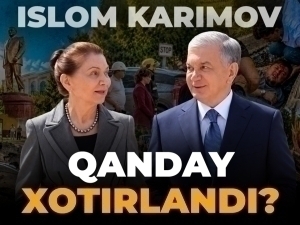
Каримов ортидан дув-дув гап. У Ўзбекистонни Сурияга айланишдан сақлаб қолганми?
Таҳлил
−
09 Сентябрь 2025 20722 5 дақиқа
Яқиндагина “Ўзбекистон Республикасида хизмат кўрсатган журналист” фахрий унвони билан тақдирланган Ўзбекистон журналистика ва оммавий коммуникациялар университети ректори Шерзодхон Қудратхўжа Биринчи Президент Ислом Каримовнинг вафотига 9 йил тўлиши муносабати билан: “Ўзбекистон Сурияга айланмаган бўлса, бу Ислом Каримовнинг доно сиёсати сабаб”, эканини айтиб чиққан Лола Каримовага отасининг хатоларини эслатиб, унга “Қичимаган жойни қашламасликни” маслаҳат берди. Журналистика университети ректори Каримованинг гаплари илова қилинган постида “моҳирона ва ҳар тарафлама ўйланган сиёсат тутилмагани учун” минглаб тақдир-у қисматлар синиб кетганини билдирган.
“Синглимиз Оталаридан яхшилаб сўрасалар бўларкан нимага бундай бўлганини. Балким қўшнилардан фарқли равишда айнан бизда радикаллашувга олиб келувчи 90 йиллардаги нотўғри тутилган сиёсат сабабдир? Балким айнан Ислом Каримовнинг бошқарув услуби (бизни собиқ Сурия ё собиқ Афғонга ўхшаб қолишимиз) бу унсурларни келтириб чиқаргандир? Оталари айтганидек, қичимаган жойни қашлаш ножоиздир”.
Ушбу пост кенг муҳокамаларга сабаб бўлиб, ректор кўпгина тармоқ фойдаланувчилари томонидан танқидга учради. Фойдаланувчилар унинг ўзи ҳам Каримов даврида давлат ишида ишлагани эслатилиб, нега ўша вақтда бу гапларни айтмаганини савол остига олди. Ҳаттоки, Шерзодхон Қудратхўжанинг Каримов ёнида Абдулла Орипов, Эркин Воҳидов, Қуддус Аъзам бўлган даврада кулиб тушган сурати илова қилинган постлар тарқатилиб, ректор марҳум президентга яқин бўлганини айтиб чиққанлар ҳам топилди.
“Шерзодхон Қудратхўжа, тўғри ўша даврда ректор бўлмагандирсиз, орден олмагандирсиз, аммо биз сизни телеканалда ўша даврда таниганмиз. Чекка вилоятда ўтириб сизнинг шарҳларингиз, информацион дастурлардаги репортажларингизни кўриб жаннатда яшаётганимизга ишонганмиз. Қаранг-а, сиз ҳам Юлдуз опага ўхшаб ич-ичингиздан эзилган экансиз-да?!”.
Журналист Каримберди Тўрамурод эса ректорнинг фикрларига қўшилгандай бўлиб, Каримов ичкаридагилар сонини ташқаридагилар билан тенг қилмоқчи бўлганини айтди.
“Отасининг битта орзуси амалга ошмай қолди, умри тугаб қолди: ичкаридагиларнинг сонини ташқаридагиларнинг сонига тенг қилмоқчи эди!”.
Ўзбекистонда хизмат кўрсатган артист мақом ижрочиси Гулбаҳор Эрқулова эса ўтганларни ёмонлаш, уларнинг камчиликларини қидириш фақат Ўзбекистонда борлиги ҳақида изоҳ ёзди.
“Ўтганларни ёмонлаш, камчилигини топишга усталар бир ўзлари уларнинг ўрнида бўлишганида билишар эди. Эҳ, у инсонни бошига тушган ишлар ҳеч кимнинг бошига тушмасин. Фақат бизни давлатда олдингиларни гапириш бор”.
Юзлаб бундай изоҳларга жавобан Шерзодхон Қудратхўжа раддия бериб, бир кун аввал ёзилган постига шунча муносабат бўлишини кутмагани ва негатив ёзганларнинг фикри ҳам қизиқ эканини айтди. У айнан бугунги замон шароити олдинги даврдан фарқли равишда ҳурфикрликни юзага келтирганини даъво қилган ҳолда ҳақорат бўлмаса, ҳамма танқидга чидашини билдириб, унга йўналган саволларга уч асосда жавоб берди.
“Жавобларим қўйидагича: биринчидан, мен ҳеч кимга қарши ёзмадим, сиёсатшунос олим сифатида бошқа фикрга ўз фикрим ва позициямни билдирдим (ахир мумкин-ку), иккинчидан, ўлганлар тўғрисида одатда ёмон гапирилмайди, аммо бу ҳолатда гап оддий мўмин, мусулмон тўғрисида кетмаяпти, биз сиёсатшунослик ва тарих фани доирасида доимо марҳум қироллар, императорлар, саркардалар, подшоҳлар, президентлар, бош вазирлар, вазирлар фаолияти ва умрини кейс сифатида ўрганамиз. Унда инсониятга нега на тарих, на сиёсатшунослик, на фалсафа фанлари керак экан? Учинчидан, ўша даврда битта мен эмас, ҳеч ким ҳеч нарса гапиролмаган, озгина гапиришга журъат қилганлар ё қамалиб қутулган, ё Ўзбекистон Қаҳрамонлари бўлса ҳам барча курсиларидан йиқитилган, қувилган, одамлар ҳам кўришмайдиган қилиб қўйилган, баъзилар эса ҳатто жисмонан йўқ қилинган”.
Шунингдек, ректор ушбу кейсда СССР раҳбари Никита Хрушчёв билан бўлган воқеани эслади.
“Сталин ўлганидан сўнг 20-съездда Никита Хрушчёв унинг зулми ва ёвузлиги ҳақида доклад қилганида залда ўтирган бир одам ўтирган жойидан бақирган экан “Хўш, нега ўша пайт гапирмагансиз деб? Хрушчов: “Ким у? Туринг”, дебди. Сукунатмиш. Шунда Никита Сергеевич айтган экан: “Кўрдингизми? биз ҳам қўрққанмиз ўшанда, жим юрганмиз”.
Қудратхўжа бугунга келибгина гапираётгани, оғзи, ўзи ботир бўлаётганини таъкидлади ва буни сиёсатдан нари, раҳбарни илоҳийлаштирган носталгик кайфиятдагилар қатлами тушунмаслигини, аммо репрессияларда яқинини йўқотганлар, “шу зулмат йилларда қувилганлар”, уларнинг оилалари ҳамда фарзандлари ректорни биттада тушунишини айтди.
“Хонадонида йиллаб аза тутган, мотамда юрганлар, эзилганлар мени тушунади. Хоҳ у академик бўлсин, хоҳ бизнесмен, хоҳ фермер, хоҳ оддий диндор, ё имом. Тарихни ва унинг қора кунларини шунча унутганимиз етар энди, бундай кунлар яна қайтмаслиги учун ҳам эслашимиз, билишимиз керак”.
Шерзодхон Қудратхўжа сўзи сўнггида Ўзбекистон Сурия эмас, Малайзия, Корея, Япония, Сингапур каби бўлишига интилиб яшаш кераклигини таъкидлади.
Журналистика университети ректори постига жавоб қайтарганлар фақат ижтимоий тармоқ фаоллари ва фойдаланувчилари эмас, пост ёзилишига туртки бўлган Лола Каримова ҳам беэътибор кетмади, унинг жавоби эса қайсидир маънода огоҳлантиришга ўхшайди, дейиш мумкин.
Каримовнинг қизи унга ноаниқ реакция билдираётганлар ва марҳум президентнинг қизини “синглимиз” деб мурожаат қилган ректор Шерзодхон Қудратхўжага ўзининг ижтимоий тармоқдаги саҳифаси орқали йўллаган жавобида шундай деди:
“Мен отамни ҳурмат қилмайдиганларга сингил эмасман. Биринчи Президент вафот этганига 9 йил тўлиши муносабати билан қилган постимга бемаъни реакция билдиришга буюртма берганларнинг бахтига менда ҳеч қандай сиёсий амбиция йўқ. Шу боис ҳам ҳеч қандай полемикага кириш ниятим йўқ”.
Каримова сўзини рус мақоли билан якунлаб: “Тинч турган балони қўзғатма”, дея қўшиб қўйган.
Шундай қилиб, Бойсундаги “Мустақилликнинг 25 йиллиги” газ конидаги портлашдан сўнг, ҳудуддан репортаж тайёрлаб, тармоқларда айтилганидек, газ ҳиди йўқлигини айтиб чиққани учун узоқ вақт танқидлар остида бўлган Шерзодхон Қудратхўжа яна бир бор негативлар ёмғири остида қолмоқда.
Қисқа қилиб айтганда, фикрлар тўқнашуви – ҳар қандай жамият ва даврда содир бўладиган ҳодиса. Шундай бўлиши ҳам керак, аслида! Кимнинг қайси фикрига қўшилишни эса одамларнинг ўзи ҳал қилади. Ҳамма гап – адекватлик билан ёндашув ва тоқатлилик билан муносабат билдиришда! Хўш, сиз қайси томон иддаосига қўшиласиз? Фикрингизни изоҳларда ёзиб кетинг.

Live
БарчасиЖиззахда 10 ёшли қиз зўрланди
06 Октябрь
Сергелидаги масжидга ўт кетди
03 Октябрь