Ҳиндистон ва Покистон: кимнинг армияси кучлироқ?
Таҳлил
−
10 Май 2025 20982 6 дақиқа
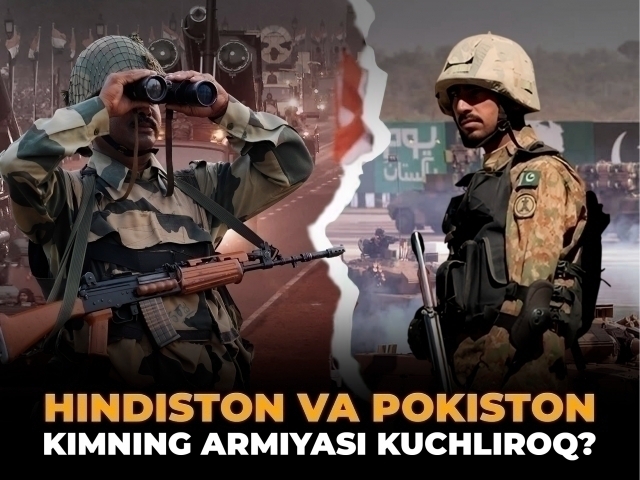
Юз миллионлаган инсон ўлимига олиб келган икки жаҳон урушидан хулоса чиқармаган замонавий дунё ҳамон чегаралараро урушларни давом эттирмоқда. Уларнинг сафига дастлаб диний, сўнгра чегаравий тус олган 78 йиллик низо гирдобидаги Покистон ва Ҳиндистон ҳам қўшилмоқда. Катта ҳудуд ва аҳолига эга икки мамлакат ўртасидаги бундай муросасизлик бутун дунёни ташвишлантираётган бир пайтда ушбу икки давлат армияси қандай қуролланган деган савол юзага чиқди.
Икки давлат армияси қандай ҳарбий кучга эга?
Дронлар. Иккала давлат ҳам дронлар паркини кенгайтирмоқда: уларни импорт қилиш билан бир қаторда ишлаб чиқариш салоҳиятини ҳам ривожлантирмоқда. Дронлар сони бўйича Ҳиндистон етакчилик қилади. Ҳарбий эксперт Раҳул Бедининг BBC’га айтишича, Ҳиндистон армиясида икки-тўрт йил ичида тахминан 5 мингта дрон бўлади. Ҳиндистон 2024 йилда АҚШ Давлат департаменти билан 31 та жанговар дрон: MQ-9B SkyGuardian ва денгизга мўлжалланган SeaGuardian сотиб олиш бўйича келишув имзолади.

Сон жиҳатидан Ҳиндистонга қараганда Покистонда камроқ бўлса-да, ҳарбий дронлар кузатиш, разведка ва аниқ зарба бериш каби турли имкониятларга эга. Покистон дронларининг асосий устунлиги уларни жанговар ҳаракатларда қўллаш тажрибасидир. Масалан, Burraq дрони 2015 йилдан бери терроризмга қарши операцияларда қўлланилмоқда.
Ҳар икки мамлакат ҳам замонавий дронларни асосан Туркия ва Хитойдан фаол импорт қилмоқда.
Ҳарбий харажатлар ва армия сони
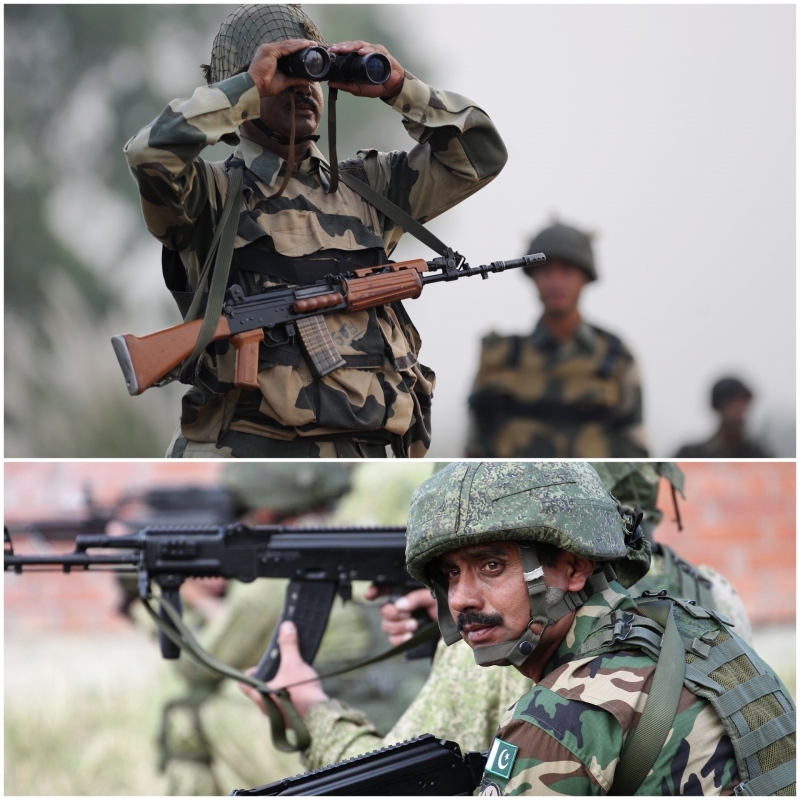
Охирги марта 1999 йилда содир бўлган ҳарбий можаро (икки томондан 900 дан ортиқ киши вафот этган)дан сўнг Ҳиндистон ва Покистон яна уруш бошлашидан хавотирлар мавжуд.
Ҳиндистон армиясида 1 миллион 400 минг аскар хизмат қилади ва мустақил Global Firepower Index рейтингига кўра, ҳарбий куч жиҳатидан дунёдаги тўртинчи ўринда туради. Покистон армияси эса анча кичикроқ бўлиб, 654 минг ҳарбий хизматчига эга.
Стокгольм халқаро тинчлик тадқиқотлари институти (SIPRI) маълумотларига кўра, 2024 йилда Ҳиндистон мудофаа харажатлари Покистонники билан таққослаганда тўққиз баравар кўп бўлган.
Қуруқликдаги кучлар
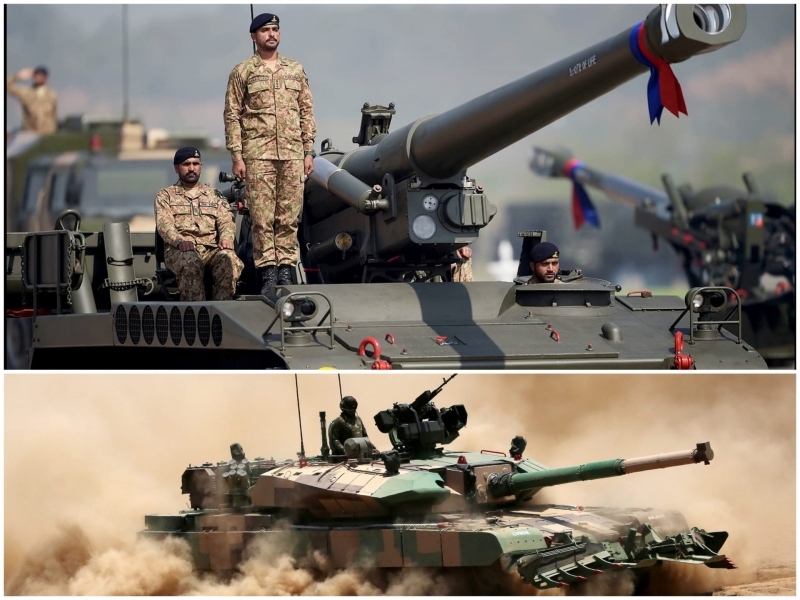
Ҳиндистонда 4 минг 200 дан ортиқ танк ва 1 миллион 500 зирҳли техника мавжуд. Покистонда эса 2 минг 600 дан ортиқ танк ва 18 мингдан кам зирҳли техника бор. Шунингдек, транспорт ёрдамида ҳаракатлантирилувчи артиллериялар ҳар икки мамлакатнинг қуруқлик кучларида асосни эгаллайди: Ҳиндистонда 3 минг 975 та, Покистонда эса 2 минг 629 та.
Ҳарбий-ҳаво кучлари
Ҳиндистон ҳарбий-ҳаво кучларида 2 минг 229 та самолёт бор, жумладан 513 та қирувчи ва 130 та бомбардимончи самолёт. Global Firepower Index’га кўра, Покистон ҳарбий-ҳаво кучларида Ҳиндистонга нисбатан 830 та самолёт кам.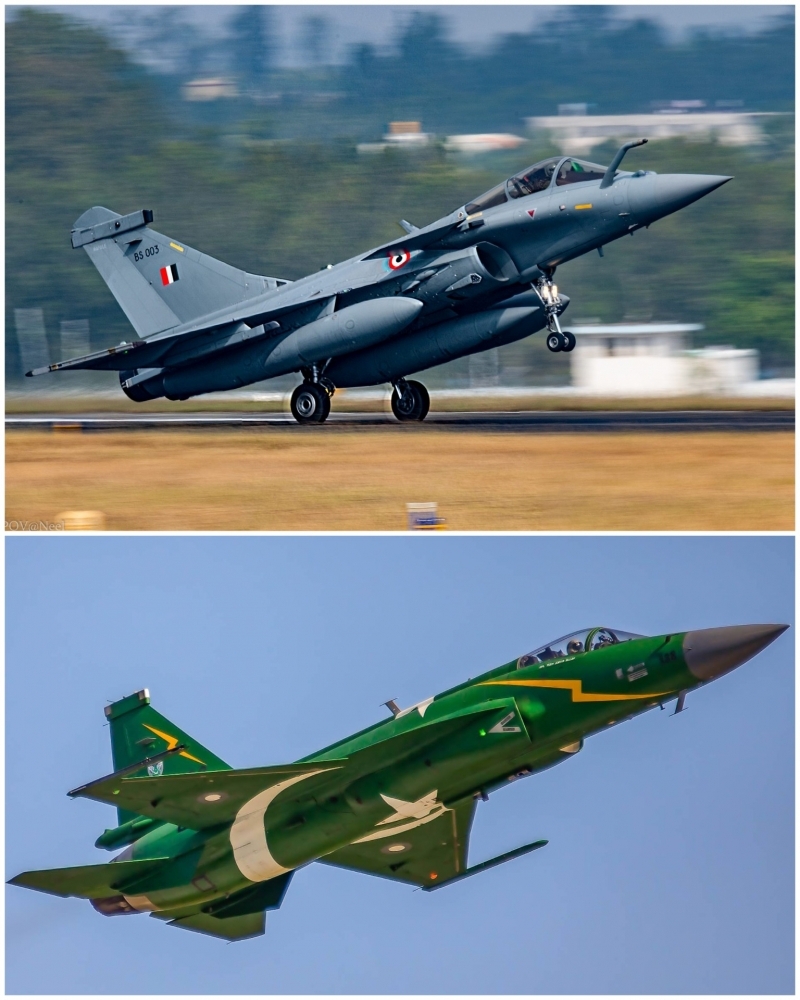
Шунингдек, Ҳиндистонда махсус ҳужумларга мўлжалланган самолётлар сони 130 ни ташкил қилади, Покистонда эса бу кўрсаткич – 90. Вертолётлар сони бўйича ҳам Ҳиндистон олдинда бўлиб, мамлакатда 899 та вертолёт мавжуд. Покистон эса 373 та вертолётга эгалик қилади.
Ҳарбий-денгиз кучлари
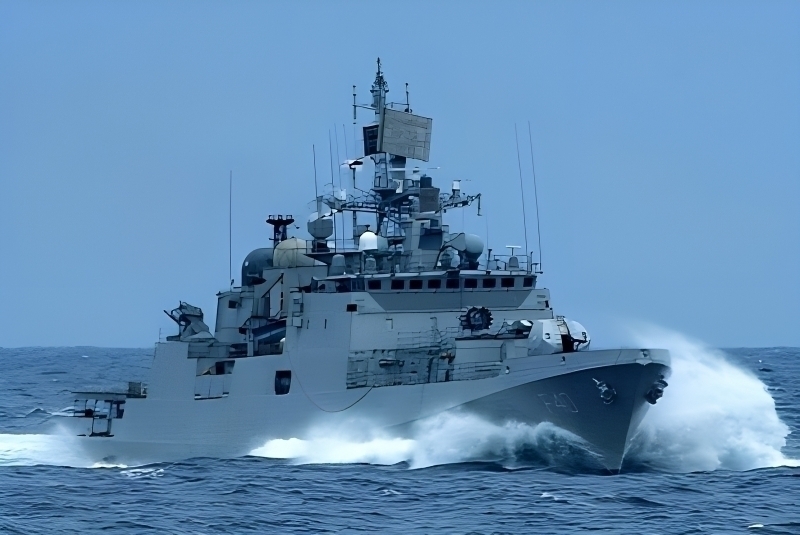
Ҳиндистон денгиз флотида 293 та кема мавжуд бўлиб, бу Покистон денгиз флотидан икки баравар кўп демакдир.
Ракеталар ва ядровий қурол
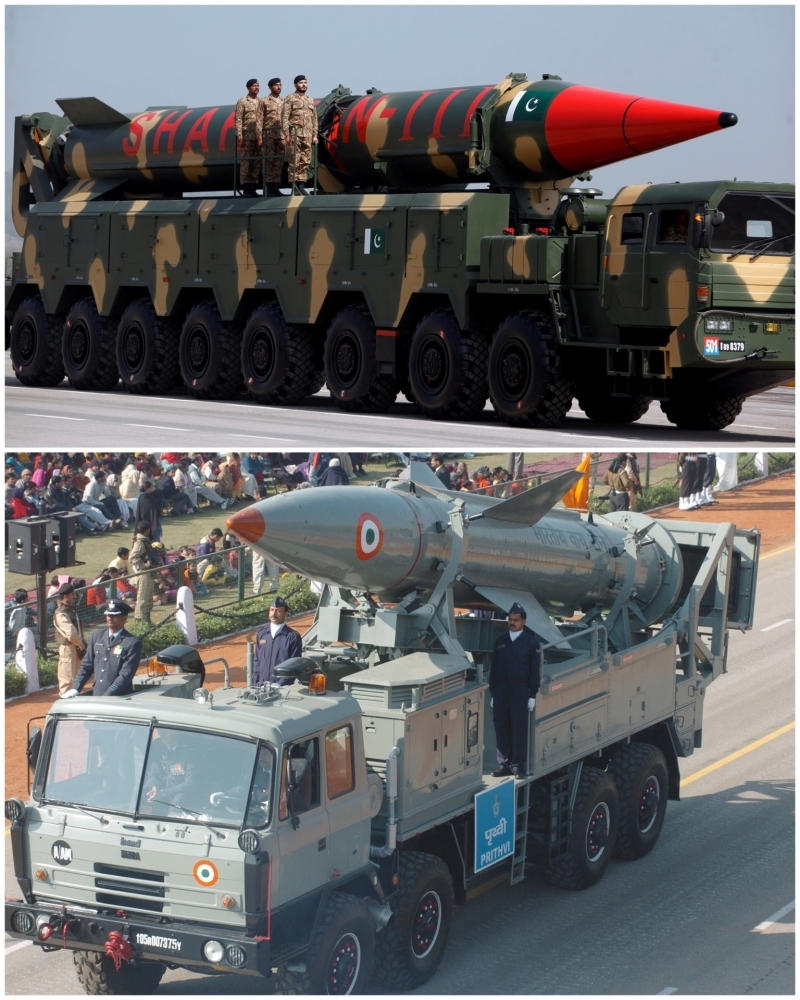
Покистон ракета дастури Ҳиндистонники билан солиштирганда бироз орқада қолади ва у қанотли ҳамда баллистик, оператив-тактик, шунингдек, ўрта ва қисқа масофали ракеталарни ўз ичига олади.
Ҳиндистон ракеталарининг диапазони кенгроқ: Prithvi сериясидаги ракеталар 250 дан 600 километргача масофани босиб ўтади; Agni сериясидаги ракеталар эса 1,2 дан 8 минг километргача етиб боради. Бундан ташқари, Nirbhay ва BrahMos қанотли ракеталари ҳам мавжуд. Ҳиндистоннинг узоқ масофага мўлжалланган ракеталарга эгалиги мамлакатнинг Хитойни тийиб туриш ниятини кўрсатади, чунки Хитой билан ҳам ҳудудий низолар мавжуд.
Бироқ ракета диапазонининг кенглиги Ҳиндистоннинг Покистон устидан осон ғалаба қозонишини англатмайди: шуни унутмаслик керакки, ҳар иккала давлат ҳам ядровий қуролга эга. SIPRI баҳолашига кўра, Ҳиндистон ядро қуроллари захирасида 172 та ядровий каллак бор, Покистонда эса бу кўрсаткич 170 тани ташкил этади. Аммо бу ядровий каллакларнинг нечта қисми жанговар ҳолатда экани ҳақида аниқ маълумотлар мавжуд эмас.
Покистон ядровий қуролни Ҳиндистон билан рақобат қилиш учун ишлаб чиқаётган бўлса, Ҳиндистон Хитойни нишонга олиши мумкин бўлган узоқ масофали ракеталар яратишга эътибор қаратаётгани айтилади.
Потенциал можаронинг оқибатлари ҳалокатли бўлиши мумкин, чунки Ҳиндистон ва Покистон қўшниси Хитой ҳам ядро захирасини 22 фоизга ошириб, ядровий каллаклар сонини 410 тадан 500 тагача етказди.
Бу можародаги хавф даражаси жуда юқори, шу сабабли халқаро ҳамжамият иккала давлатни эҳтиёткорликка чақирмоқда.
Бошқа жабҳалардаги қиёсий жамланмалар
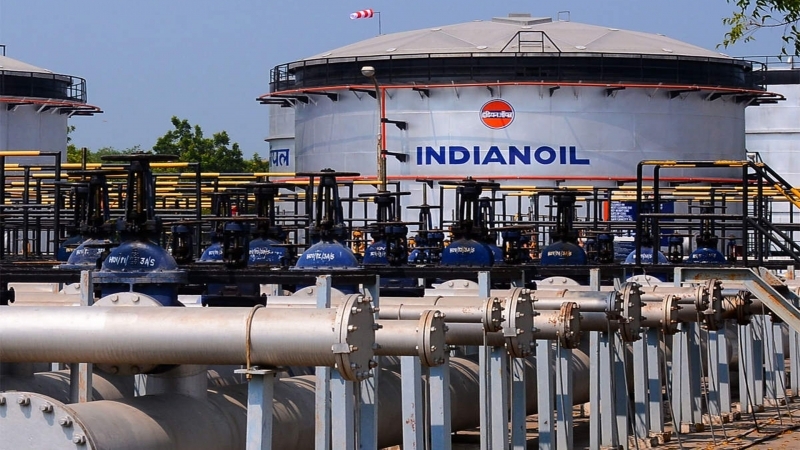
Аҳоли, ҳудуд ва бошқа яна бир қанча факторлар туфайли табиийки, Ҳиндистон Покистонга қараганда турли рақамларда илғорлик қилади. Логистика, иқтисодиёт ва табиий ресурслар жабҳасидаги фарқлар шулар жумласидан.
Табиий бойликлар. Ҳиндистонда 4 миллиард 605 миллион баррель нефть захиралари мавжуд ва бу бўйича дунёда 22 ўринни эгаллайди. Покистонда эса бу кўрсаткич 540 миллион баррелга тенг ва глобал миқёсда 41 ўрин. Ҳиндистон 1 триллион 381 миллиард баррель табиий газ захираларига эга, Покистонда эса бу рақамлар 592 миллиард 219 миллионга тенг. Табиийки, Ҳиндистон кўмир захиралари бўйича ҳам олдинда: 11 миллиард 52 миллион баррель. Покистон бундан 37 баробар камроқ кўмирга эгалик қилади: 3 миллиард 64 миллион баррель.
Географик жиҳатлар. Ҳиндистон ер майдони 3 миллион 287 минг 263 километрни ташкил қилса, Покистон ер майдони эса 796 минг 95 километрга тенг. Очиқ маълумотлар Ҳиндистоннинг 14 минг 500 километр сув йўлларидан фойдаланаётгани, Покистонда эса бу рақам нолга тенглигини кўрсатади, гарчанд Карачи Араб денгизи бўйида бўлса ҳам. Бунга мамлакатда сув йўлларидан фойдаланиш ривожлантирилмаётгани сабаб бўлиши мумкин.
Демографик кўрсаткичлар
Ҳиндистон. Ҳеч кимга сир эмаски, Ҳиндистон аҳоли сони бўйича дунёда етакчи ва сўнгги маълумотларга кўра, ҳозирда мамлакатда 1 миллиард 460 миллиондан ортиқ инсон (Ер аҳолисининг 18 фоизга яқини) яшайди. Аҳолининг 51,6 фоизини эркаклар ташкил қилади. Маълумотларга кўра, бугунга кунда Ҳиндистонда соатига 3,5 минг бола туғилиб, аҳоли сони йилига 18 миллиондан кўпроққа ошмоқда. Мамлакатда ўртача ёш 27 (баъзи манбаларда 28-30). Бу Ҳиндистон аҳолисининг асосини ёшлар ташкил қилиши ва ишчи кучи кўрсаткичи юқори эканини англатади. Умр давомийлиги эса эркакларда 65-66, аёлларда эса 68 ёш. Умумий аҳоли сонининг 65 фоизини 15-64 ёшлилар ташкил қилади.
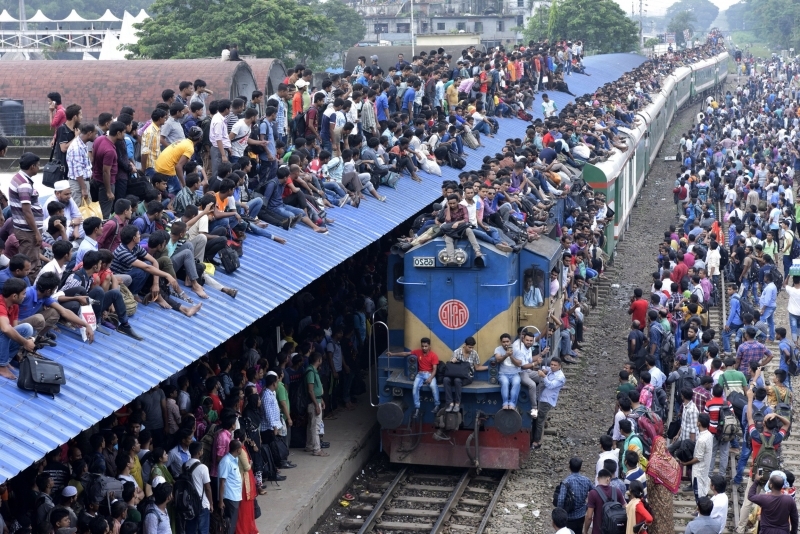
Таъкидлаш керакки, юқори демографик ўсиш ва марказлашмаган сиёсат аҳоли турмуш шароитини жуда ёмонлаштиради ва камбағал ҳамда ўта қашшоқ фуқаролар мамлакатнинг асосий муаммоларидан бири ҳисобланади. 15 ёшдан ошган аҳолининг 72 фоизи ўқиш ва ёзиш имкониятига эга. Бу эса шу ёшдаги аҳолининг 290 миллионга яқини саводсиз эканини билдиради.
Покистон. Қўшнисичалик бўлмаса-да, Покистон ҳам умуман олганда кичкина давлат эмас: мамлакатда 244 миллиондан ортиқ аҳоли истиқомат қилади. (Тасаввур қилиш учун: Ўзбекистондан қарийб 6 баробар кўп). Аҳолининг қарийб 51 фоизини эркаклар ташкил қилади. Бу давлат ҳам Ҳиндистон каби “ёш мамлакат” ва аҳолининг ўртача ёши – 22-23. Умумий аҳолининг 60 фоизи 15 дан 64 ёшгача бўлганлардан иборат. Ҳаёт давомийлиги эса деярли бир хил.

Покистонда ҳар соатда 800 дан ортиқ бола туғилади ва табиий ўсиш йилига тахминан 5 миллион 200 мингни ташкил қилади. Мамлакат аҳолисининг 58,7 фоизи саводли. Бу шуни англатадики, 15 ёшдан катталарнинг 64 миллиондан ортиғи саводсиз.
Можаролар асоси
Ҳеч кимга сир эмаски, Покистон – диний номутаносибликлар оқибатида Ҳиндистондан ажралиб чиққан мамлакат. Кўпчилик бу бўлинишда Буюк Британияни сабабчи деб ҳисобласа-да, аслида диний айрилик ва виждон эркинлигига таҳдидлар олдинроқ бошланганди. Мана шундай омиллар тенденциясида бир мамлакат иккига бўлинди: ҳиндуизм динига эътиқод қилувчилар Ҳиндистон; ислом динига эътиқод қилувчилар эса Покистон давлатига кирди. Шундай бўлса-да, Ҳиндистонда эътиқод қилувчилар сонига кўра ислом ҳамон иккинчи ўринда туради – 208 миллиондан ошиқ. Покистонда эса 4,6 миллиондан ортиқ ҳиндуизм дини аъзолари мавжуд.
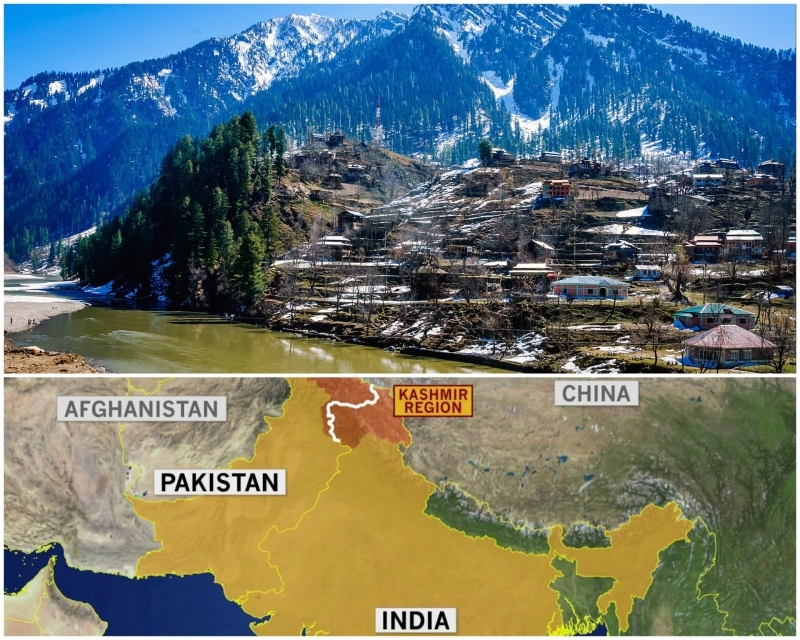
Икки давлат ўртасидаги энг зиддиятли нуқта асосан мусулмонлар яшовчи Кашмирдир. На Покистон ва на Ҳиндистон уни қўлдан бой беришни истайди. Айниқса, Ҳиндистон Бош вазири Нарендра Моди каби миллатчи сиёсатчилар ҳукумат тепасида бўлган айни замонда.

Live
БарчасиЖиззахда 10 ёшли қиз зўрланди
06 Октябрь
Сергелидаги масжидга ўт кетди
03 Октябрь