Янги космик пойга, Арманистоннинг Ғарбга бурилиши ва Киевга зарба — Weekend
Review
−
30 May 12014 15 minutes
Сўнгги вақтларда Шарқий Европадаги уруш ҳаракатлари ҳам фаоллашиб қолди. Украинанинг Россия нефть инфратузилмаларига қилган ҳужумлари жавобсиз қолмаслиги аниқ эди ва кутилган жавоб зарбалари ҳам амалга оширилди.
Артемис II (Artemis II) нинг муваффақиятли фазовий экспедициясидан сўнг, Хитой ҳам бир йиллик космик миссияни бошлади. Афтидан, СССР билан бўлган сценарий такрорланяпти, АҚШ ва Хитойнинг космик даражадаги рақобати бошланмоқда.
Ереван Ғарб томонга оғишишда давом этмоқда. АҚШ Давлат котиби Марко Рубионинг Арманистонга ташрифи доирасида АҚШ ва Арманистон ўртасида ҳар томонлама стратегик шериклик тўғрисидаги низом имзоланди. Владимир Путин бунга жим қараб турмаса керак, биргина Украинанинг ўзи бунга яққол исбот.
Қозоғистонда яна бир муҳим тадбир. Россия бошчилигида қатор давлатлар Олий Евроосиё иқтисодий кенгашининг навбатдаги йиғилиши учун Остонага йиғилди. Ўзбекистон эса, кузатувчи давлат мақомида унда иштирок этди.
«Орешник» зарбалари
2026 йил 24 май куни Россия Мудофаа вазирлиги Украинадаги ҳарбий бошқарув объектлари, авиабазалар ва мудофаа-саноат корхоналарига жавоб зарбаси берилганини маълум қилди. Баёнотга кўра, ҳужумда «Орешник», «Искандер», «Кинжал», «Циркон», шунингдек, ҳаво, денгиз ва қуруқликдан учириладиган қанотли ракеталар ҳамда зарбдор дронлардан фойдаланилган. Украина томонининг маълум қилишича, асосий зарбалар мамлакат пойтахти Киев ва унинг атрофидаги ҳудудларга берилган.
Булар орасида «Орешник» ўрта масофали баллистик ракетаси ҳам бўлгани халқаро майдонда ўзига хос резонанс ҳосил қилди. Хўш, нега?
Рус тилида “ёнғоқ дарахти” (ўрмон ёнғоғи) маъносини берувчи “Орешник” – бу ўрта масофали гипертовушли баллистик ракета. 2024 йил ноябрида Россия бу қуролни илк бор Днепр шаҳрига қўллаганидаёқ кўплаб эътирозларга сабаб бўлган эди. Негаки, бу “ёнғоқ дарахти” (ўрмон ёнғоғи) аслида ядро каллакларини олиб юришга мўлжалланган. Ракета соатига 13 000 километр тезликда уча олади ва ҳаво мудофааси тизимларига яхшигина муаммолар туғдиради.
Бундан ташқари, бу “ажал касофатлари” MIRV технологиясидан фойдаланади – яъни битта ракетадан бир нечта алоҳида жанговар бўлак ажралиб, турли манзилларга йўналтирилиши мумкин. 2024 йил ноябридаги Днепр зарбасида бу технология биринчи бор жанговар шароитда қўлланилгани тахмин қилинмоқда. Шу кунгача Москва бу қуролдан 3 марта фойдаланди.
* **Биринчи зарба** 2024 йил 21 ноябрда содир бўлди. Нишон – Днепрдаги саноат объектлари эди. Путин ўшанда бу зарба Украинанинг Ғарб ракеталаридан фойдаланиб Россия ҳудудига зарбалар беришига жавоб эканини айтганди.
* **Иккинчи зарба** 2026 йил 9 январь санасида бўлди. Бу сафар – НАТО чегарасидан 60 километр масофада эди. Ушбу зарба орқали Россия ракетанинг нафақат яқин, балки Украина ғарбидаги ва НАТО чегараларига яқин бўлган узоқ масофали нишонларни ҳам аниқ ура олиш қобилиятини намойиш этди. Россия Мудофаа вазирлиги Путиннинг Валдайдаги қароргоҳига Украина дрони ҳужум қилганини баҳона қилиб кўрсатди. Украина ва АҚШ бу даъвони қатъиян рад этди.
* **Учинчи ва ҳозирча энг талофатли зарба** 2026 йил 24 майда Киевнинг ўзига берилди. Россия Хавфсизлик кенгаши раиси ўринбосари Дмитрий Медведев ҳам ўз баёнотида Украина томонидан Старобельск коллежининг ётоқхонасига берилган зарба «Россиянинг кескин жавобига» сабаб бўлганини ёзиб чиқди.
Россия томонининг иддао қилишича, 22 майга ўтар кечаси Украина Қуролли кучлари Луганск халқ республикасидаги Старобельск профессионал коллежига ҳужум уюштирган. Оқибатда 21 киши ҳалок бўлган, 40 дан ортиқ одам жароҳатланган.
Томонлар ёш боладек жанжални ким бошлаганини ҳал этолмай овора. Бошқа томонда эса, одамлар ҳалок бўлмоқда. Ушбу ҳужум натижасида пойтахтда 2 киши ҳалок бўлди, Киев атрофида яна 2 киши бу ҳаётдан кўз юмди, жами 100 га яқин киши яраланди.
Бундан ташқари, Миллий санъат музейи, филармония зали ва янги очилган Чернобил хотирасига бағишланган музей каби маданий объектларга ҳам зарбалар берилди. Бир неча ўнлаб кўп қаватли уй-жойлар ва мактаблар шикастланди.
> “Бу Украина учун жуда оғир кеча бўлди. Кўплаб Россия ракеталари ва Шаҳид дронлари тинч аҳолини нишонга олди. Бу Россиянинг Украинага қарши кенг кўламли уруши бошланганидан бери Киевнинг маданий муассасаларига етказилган энг катта зарарлар сериясидир. Руслар Канн кинофестивалида мукофотларни қабул қилаётган бир пайтда, уларнинг ака-ука ва опа-сингиллари украиналик болаларни ўққа тутишди. Россиялик санъаткорларга берилган мукофот ва уларнинг барча айбни фақат Россия диктатор-президентига юклаш орқали ўзларини оқлашга уриниши айниқса кинояли кўринарди”, – деди Украина Бош вазирининг гуманитар сиёсат бўйича ўринбосари ва маданият вазири Татьяна Бережная.
Россия Киевга зарба берганидан сўнг, Ғарбдан кескин реакциялар келди, аммо одатдагидек, асосан оғзаки.
Германия Канцлери Фридрих Мерц ҳужумни “бепарво эскалация” деб атади ва Украинани қўллаб-қувватлашни тасдиқлади. Франция Президенти Эммануэль Макрон ҳам Россиянинг сўнгги ҳужумларини қоралаган. Унинг айтишича, ядровий қурол ташиш имкониятига эга “Орешник” ракетасидан фойдаланиш Россиянинг урушдаги мураккаб ҳолати ва можаронинг хавфли босқичга ўтаётганини кўрсатади.
Европа Иттифоқининг ташқи сиёсат ва хавфсизлик масалалари бўйича олий вакили Кая Каллас ҳақиқатан ҳам Россиянинг ушбу ҳаракатларини кескин қоралаб, уни сиёсий қўрқитиш ва ядро уруши ёқасида оммавий ўйин ўйнаш деб атаган.
“Россия жанг майдонида боши берк кўчага кириб қолди, шунинг учун у шаҳар марказларига қасддан зарбалар бериш орқали Украинани террор қилмоқда... Москва томонидан ядровий каллакларни ташишга мўлжалланган “Орешник” ўрта масофали баллистик ракеталарининг қўлланилиши – бу шунчаки сиёсий қўрқитиш тактикаси ва бепарво ядровий бринкмэншип (ядро хавфи билан ўйнашиш) ҳисобланади”, — дейди у.
Украина Ташқи ишлар вазири Андрей Сибига бу зарбани НАТО чегарасига яқинлиги сабабли “Европа қитъаси хавфсизлигига жиддий таҳдид” деб баҳолади ва фавқулодда БМТ Хавфсизлик Кенгаши йиғилишини чақиришни талаб қилди.
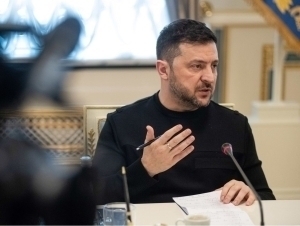
Зеленский эса, вазиятдан фойдаланиб, Ғарбнинг ёрдамини қўлга киритиш илинжида. У АҚШ Президенти Дональд Трамп ва Конгрессга мурожаат қилиб, Украинага Patriot ҳаво мудофаа тизимлари ва ракетага қарши ўқ-дориларни тезроқ етказиб беришни сўради.
Қисқа қилиб айтганда, Киев кескин жавоб зарбаси бўлишини билиб, Россиянинг энергетика инфратузилмаларига ҳужум қилганди, мақсад эса катта эҳтимол билан Европа ва АҚШнинг беминнат ёрдамларини тезроқ олиши бўлиши мумкин. Аммо ҳужум кўламини бундай тасаввур қилганмиди? Бу савол очиқ.
Космик беллашув қайтмоқдами?
Бир вақтлар Совуқ уруш ва АҚШ ҳамда СССР рақобати шу қадар жиддийлашиб кетгандики, яна кўплаб соҳалар қаторида космонавтика ҳам икки давлат ўртасидаги пойганинг бир қисмига айланиб кетган эди. СССР космосга чиқишда биринчиликни эгаллаган бўлса, Ойга биринчи қўнганлар америкаликлар эди.
Бугун эса ўйинчилар ўзгарган, аммо пойга давом этаётгандек. Энди АҚШнинг асосий рақиби Россия эмас — Хитой, ҳатто космонавтикада ҳам. 2026 йил 24 май кечаси Гоби чўлидаги “Цзюцюань” космодромидан “Long March-2F” ракетаси парвоз этди. Соат 23:08 да “Шэньчжоу-23” экипажли космик кемаси орбитага чиқди. Экипаж таркибидан қўмондон Чжу Яньчжу, учувчи Чжан Юаньчжи ва фойдали юк бўйича мутахассис Ли Цзяинь ўрин олган.
Аммо энг муҳим янгилик – бу уч астронавтдан бирининг космосда бир йил давомида қолишидир. Бундай узоқ муддатли миссия Хитой учун биринчи марта бўлади — ҳозиргача Хитой астронавтлари одатда олти ой қолишган.
“Шэньчжоу-23” миссияси давомида Хитой келажакдаги Ой дастури учун зарур бўлган автоматик туташиш технологияларини синовдан ўтказишни режалаштирмоқда. Олимлар коинотда узоқ вақт қолишнинг инсон организмига таъсирини, жумладан, радиация таъсири, суяк массасининг йўқолиши ва психологик стрессни тадқиқ қилади.
“Шэньчжоу-23” миссияси нафақат илм-фандаги, балки сиёсий майдондаги беллашувнинг ҳосиласидир. Апрель ойида NASA “Artemis II” миссиясини муваффақиятли якунлаган эди – бу охирги 50 йилдан ортиқ вақт ичида Ой атрофини бошқариладиган кемада айланиб чиқиш бўйича илк парвоз бўлди. Тўрт нафар астронавт парвозда қарийб 10 кун бўлди ва 1,1 миллион километрдан ортиқ масофани босиб ўтди. Шубҳасиз, бугунги кунда АҚШнинг янги рақобатчисига айланган Хитой ҳам бу борада ортда қолиши мумкин эмас эди. Маълумотларга кўра, Хитой 2030 йилгача Ойга ўз фазогирларини қўндиришни ва 2035 йилга бориб Россия билан ҳамкорликда Ойда доимий база яратишни кўзламоқда.
Бу рақобат янгилик эмас, албатта. 1957 йилда Совет Иттифоқи Спутникни орбитага чиқарганида, ҳамма АҚШнинг шарқдаги рақобатчисидан ортда қолаётганига амин бўлди. Космик даражадаги ютуқ СССРнинг обрўсини ҳам космик даражада ошириб юборган эди. 1961 йилда Юрий Гагарин биринчи инсон сифатида космосга учганида, Президент Кеннеди “биз Ойга боришимиз керак” деб умуммиллий мақсад эълон қилди. 1969 йилда Нилл Армстронг Ойга қадам қўйганида, бу нафақат илмий ютуқ, балки геосиёсий ғалаба эди.
Ўша даврдаги “мусобақада” космик соҳа ҳам “юмшоқ куч” ва технологик устунликнинг белгиси бўлиб хизмат қилди. Энди эса, ўша беллашув янги қиёфа билан қайтмоқда. Фарқи шундаки, бугунги пойга фақатгина байроқ тиркаш учун эмас.
Баъзи тасдиқланмаган манбаларга кўра, Ойда гелий-3, яъни ядро синтези учун зарур ёнилғи захираси мавжуд деб тахмин қилинади. Гарчи уни қазиб олиш ва Ерга кўчиришнинг техник тафсилотлари ноаниқ бўлса-да, кўпчилик Пекиннинг Ой томонга интилишини айнан космик захираларни эгаллашга уриниш сифатида баҳоламоқда. Шунинг учун “Шэньчжоу-23”нинг бир йиллик миссияси фақат илмий жиҳатдан эмас – стратегик жиҳатдан ҳам аҳамиятлидир.
Ғарбга юзланиш ёхуд Украина изидан
“Европа Иттифоқи ва ЕОИИ билан бир вақтда божхона иттифоқида бўлишнинг иложи йўқ”, – деган эди Россия етакчиси. Аммо Ереван бундай фикрда эмас. Бугун Арманистон ўз мақсадларини аниқ, беркитмасдан, дадил ифода этмоқда.
2026 йил 26 май куни АҚШ Давлат котиби Марко Рубио ўз хотини билан Ҳиндистондан Вашингтонга қайтаётиб, бир неча соатлик ишчи сафар учун Ереванга қўнди. Аэропортда Арманистон Ташқи ишлар вазири Арарат Мирзоян билан қўшма матбуот анжумани ўтказди ва иккала ҳукумат қатор тарихий келишувларни имзолашди.
Булардан энг муҳими – **“Ҳар томонлама стратегик шериклик низоми”**. Бу икки давлат ўртасидаги муносабатларни “стратегик шериклик” даражасига кўтарувчи асосий ҳужжат. Мирзоян “бу тарихий мисли кўрилмаган босқич” эканини таъкидлади.
“Икки томонлама ривожланиш жараёнлари давом этаётганини ҳисобга олсак, томонлар тарихан мисли кўрилмаган босқичга кирди, десак муболаға бўлмайди”, – деди Арманистон ташқи ишлар вазири Арарат Мирзоян.
Иккинчи яна бир муҳим ҳужжат – **“Трампнинг халқаро тинчлик ва фаровонлик йўналиши”** доиравий келишуви бўлди. Бу лойиҳа Арманистоннинг Сюник вилояти орқали стратегик транзит йўлагини яратишни кўзда тутади. Унинг фақат Арманистон юрисдикцияси доирасида фаолият юритиши ва мамлакат суверенитетига таъсир қилмаслиги таъкидланган. Лойиҳага кўра, Арманистон Қўшма Штатларга ушбу йўналишни ривожлантириш учун 99 йилгача бўлган эксклюзив узоқ муддатли ҳуқуқларни беради, бу орқали Озарбайжон Нахчивон билан қуруқлик алоқасини ўрнатишга умид қилмоқда. Биринчи босқичда Қўшма Штатларга 74% улуш, Арманистонга эса 26% улуш таклиф этилади, келишув янгилангандан сўнг, Арманистоннинг улушини 49% гача ошириш имконияти мавжуд.
Учинчи ҳужжат эса, қазилма маъданлари ва ер ости ресурслари соҳасидаги ҳамкорлик меморандумидир. Гарчи Арманистон катта захираларига эга бўлган давлат бўлмаса-да, АҚШ учун бу соҳа ҳам алоҳида аҳамият касб этди дейиш мумкин.
Албатта, бу очиқчасига Россиядан узоқлашиш ва Ғарб томонга оғишишдир. Арманистоннинг Ғарбга яқинлашуви бир кунда қарор қилинган воқелик эмас. Бу ҳаракатлар Ереваннинг Қорабоғни Коллектив хавфсизлик шартномаси ташкилотининг расмий аъзоси бўла туриб, Озарбайжонга бой бериши ва Москванинг ишончни оқлай олмагани оқибатидир.
* **2023 йилда** Европа Иттифоқи Арманистон-Озарбайжон чегарасида кузатув миссиясини жойлаштирди.
* **2025 йил 26 мартда** Арманистон парламенти Европа Иттифоқига аъзолик жараёнини расман бошлаш тўғрисидаги қонунни қабул қилди.
* **2025 йил августда** Вашингтон саммитида АҚШ ва Арманистон ўртасидаги ҳамкорлик янги босқичга кўтарилди.
* **2026 йил январда** “Трампнинг халқаро тинчлик ва фаровонлик йўналиши” доиравий келишуви имзоланди.
* **2026 йил 26 майда** “Ҳар томонлама стратегик шериклик низоми” расман эълон қилинди.
Хўш, бу гал Москва жим турадими? Таҳлилчилар бунга турлича ёндашади. Кимдир Украинанинг куни Арманистоннинг бошига тушади деса, яна кимдир Россия учун бу кичик давлат Украина даражасида аҳамиятга эга эмаслигини таъкидламоқда.
Арманистон билан Украина вазияти қанчалик ўхшаш? Бир томондан, етарли фарқлар бор, Ереван ҳануз Коллектив хавфсизлик шартномаси ташкилотининг аъзоси, гарчи бир неча марта аъзоликни бекор қилиш билан таҳдид қилган бўлса-да. Бундан ташқари, Россия билан тўғридан-тўғри чегарадош эмас ва Кремлда Ереван устидан тўғридан-тўғри ҳарбий таъсир доираси чегараланган. Арманистоннинг Европа билан яқинлашуви Москвага ёқмаслиги мумкин, лекин чегара даражасида хавф келтириб чиқармайди.
Лекин бошқа томондан, Россия бевосита ҳарбий босим ўрнига бошқа воситалардан фойдалана олади. Жумладан, иқтисодий босим, ахборот кампаниялари ёхуд дипломатик изоляция таҳдиди.
2,9 миллион аҳолига эга бу кичкина мамлакат бугун худди Шарқ билан Ғарб ўртасидаги муҳим минтақадек. Унинг танлови нафақат ўз келажагини, балки бутун Жанубий Кавказ минтақасидаги куч мувозанатини ҳам белгилайди.
Остонада энди Путин
Ҳар бир дипломатик ташрифнинг ўз мақсади, биздан яширган сири бўлади. Владимир Путин 2026 йил 27 май куни Қозоғистонга етиб келганида ҳам худди шундай мақсад ва режаларга бой эди.
Аэропортда Қозоғистон Президенти Қосим-Жомарт Тоқаев Путинни шахсан кутиб олди. Бу, албатта, муҳим сигнал, аммо ундан ҳам кўпроқ эътиборни Қозоғистон Ҳаво мудофааси кучларининг қирувчи самолётлари тортди. Улар Мустақиллик саройи узра намойиш парвозини амага ошириб, осмонда Россия байроғи рангларини тутунли из орқали ҳосил қилди.
Икки раҳбарнинг кенг форматдаги музокаралари 28 май куни бўлиб ўтди. Музокаралар якунида нақд 16 та ҳужжат имзоланди.
Энг эътиборли ва энг муҳим бўлган ҳужжат – **Қозоғистонда биринчи атом электр станцияси қуриш бўйича келишув** бўлди. Лойиҳанинг 85 фоизини Россия молиялаштиради. Станциянинг қурилиши 2035–2036 йилларда якунланиши режалаштирилган. Бу шунчаки навбатдаги иқтисодий ҳамкорлик ёки энергетик иттифоқ эмас, балки бу 10 йиллик стратегик боғланиш деганидир. Шу ўринда савол: қайси мамлакат ўз энергетикасининг асосини қўшни давлатнинг пулидан қуришга рози бўлса, у ўша давлат билан қанчалик «мустақил» сиёсат юрита олади?
Бундан ташқари, имзоланган ҳужжатлар орасида:
* 2026–2030 йилларга мўлжалланган ядровий ва радиацион хавфсизлик соҳасидаги ҳамкорлик дастури;
* Нефть ишлаб чиқариш ва энергетика соҳасидаги икки томонлама ҳамкорликни кенгайтириш бўйича меморандумлар;
* “Шимол-Жануб” ва “Европа-Ғарбий Хитой” транзит-транспорт йўлаклари бўйича ҳамкорлик;
* “Байтерек” космик мажмуасидаги “Союз-5” ракетасини ишлаб чиқариш ва учириш бўйича лойиҳа кабилар мавжуд.
Ва ниҳоят, иккала президент “Дўстлик ва яхши қўшничилик асосларининг етти устуни тўғрисида” биргаликдаги декларацияни имзолади.
Икки томонлама музокаралардан бир кун ўтиб Остона яна муҳим дипломатик саҳнага айланди. Олий Евроосиё Иқтисодий Кенгашининг навбатдаги саммити айнан шу ерда бўлиб ўтди. Бу Евроосиё иқтисодий иттифоқининг (ЕОИИ) энг юқори органи бўлиб, аъзо давлатлар президентларидан иборат ва ҳар йили камида бир марта йиғилади.
Бу сафар таркиб қуйидагича эди. ЕОИИнинг тўлиқ аъзолари: Россия Президенти Владимир Путин, Қозоғистон Президенти Қосим-Жомарт Тоқаев, Беларусь резиденти Александр Лукашенко, Қирғизистон Президенти Садир Жапаров. Арманистондан эса Бош вазир Пашинян эмас, Бош вазир ўринбосари Мҳер Григорян иштирок этди. Бу шубҳасиз муҳим сигнал бўлиб хизмат қилди.
Кенгайтирилган форматда эса, кузатувчи давлатлар раҳбарлари ҳам қатнашди. Жумладан, Ўзбекистон Президенти Шавкат Мирзиёев, Куба вице-президенти Сальвадор Вальдес Меса, Эрон саноат, кончилик ва савдо вазири Муҳаммад Атабак, МДҲ Бош котиби Сергей Лебедев.
Тадбир аввалида Тоқаев саммитда ҳисоботларни эълон қилиб, ташкилот доирасидаги ютуқларни эътироф этди. Маълум қилинишича, 2025 йилда ЕОИИ ичидаги ўзаро савдо айланмаси 95 миллиард доллардан ошди. 2026 йилда эса, 6 фоиздан ортиқ ўсиш кутилмоқда.
Путин ҳам нутқида бирлашманинг асосий кўрсаткичларини санаб ўтди. Евроосиё иттифоқида саноат ишлаб чиқариши 1,6 фоиз, қишлоқ хўжалиги маҳсулоти 4,6 фоиз, қурилиш ҳажми 4,2 фоиз ўсганига алоҳида урғу берилди. Путин саммитда ЕОИИнинг халқаро обрўси ҳақида ҳам гапирар экан, МДҲ, Шанхай ҳамкорлик ташкилоти ва Жануби-Шарқий Осиё давлатлари Ассоциацияси сингари йирик минтақавий тузилмалар ҳам ЕОИИ билан алоқаларни кенгайтиришга қизиқиш билдираётганини айтиб ўтди.
Саммит охирида муҳим ҳужжатлар пакети имзоланди. Айниқса, божхона қонунчилигига оид баённомалар, қилоқ хўжалиги ҳамкорлигини молиялаштириш бўйича қарорлар, Тунис билан эркин савдо шартномаси музокараларини бошлаш тўғрисидаги қарор, Сербия билан мавжуд эркин савдо шартномаси шартларини янгилаш бўйича қарор кабилар алоҳида эътиборга моликдир. Қолаверса, “ЕОИИ доирасида сунъий интеллектни масъулиятли ривожлантириш тўғрисида” қўшма баёнот қабул қилинди.
Остона саммитида Ўзбекистон Президенти Мирзиёев ҳам иштирок этди. Аммо Ўзбекистон – кузатувчи мақомида. Нима учун?
Ўзбекистон ЕОИИ ва унинг салафлари бўлган интеграция тузилмаларига икки марта кириш ва чиқиш жараёнини бошидан кечирган. Биринчи марта – Ислом Каримов даврида, 1993 йил ташкил этилган Марказий Осиё ҳамкорлик ташкилотидан тортиб, 2008 йилда Евроосиё иқтисодий ҳамжамиятидан чиқиб кетди. Сабаб расмий тилда “ташкилот Ўзбекистон учун иқтисодий афзалликларни таъминламаяпти” деб ифодаланди. Аммо таҳлилчиларнинг фикрича, бу Россиянинг доминант роли ва бошқа аъзолар устидан яширин таъсир механизмларидан қочишга уриниш бўлган. Иккинчи марта, баъзи сабабларга кўра, 2006 йилда Евроосиё иқтисодий ҳамжамиятига қайтиб кирди, аммо 2008 йилда яна чиқди.
Мирзиёев даврида – 2019 йилдан бошлаб – Ўзбекистон ЕОИИ билан кузатувчи давлат мақомида муносабатларни йўлга қўйди. Бу сафар ҳам Мирзиёев саммитда фаол иштирок этди ва амалий таклиф берди. Олий Евроосиё иқтисодий кенгаши мажлисида Ўзбекистон Президенти ЕОИИ давлатлари билан тўсиқларсиз ягона рақамли савдо маконини яратиш ташаббусини илгари сурди.
Саммит якунида Ўзбекистон – Қозоғистон учрашуви бўлди. Тоқаев ва Мирзиёев ҳузурида инвестиция ва савдо бўйича “йўл харитаси” имзоланди. Ҳужжатда автомобилсозлик, энергетика, кимё саноати, металлургия, фармацевтика, логистика, қурилиш материаллари, уй-жой қурилиши ва қишлоқ хўжалиги каби тармоқларда қўшма лойиҳаларни амалга ошириш назарда тутилган. Бу келишув апрель-май ойларида икки раҳбарнинг Бухоро ва Туркистонда бўлган учрашувидаги келишувларнинг давомидир.
Live
All23 October