Ислом цивилизацияси маркази геосиёсий лойиҳами?
Helpful
−
24 March 7984 7 minutes
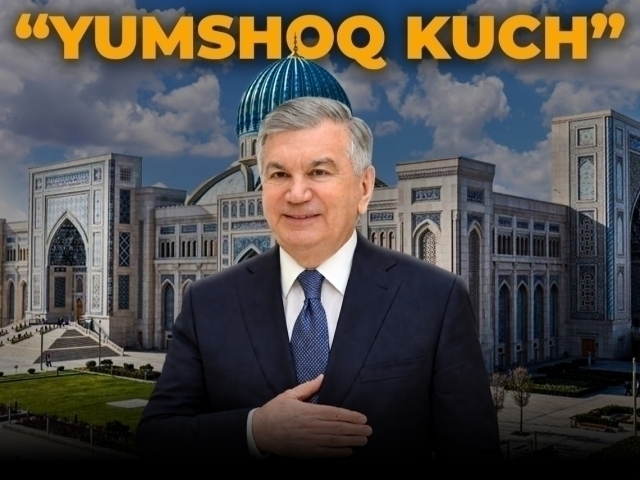
Замонавий геосиёсий макон кундан кунга ўз барқарорлигини йўқотиб бормоқда. Йирик давлатлар ўртасидаги кетаётган кўринмас уруш нафақат сиёсий, балки иқтисодий ва мафкуравий соҳаларни ҳам ўз ичига олган. Бугунги кунги реаллик шуни кўрсатмоқдаки, катта ва қудратли давлатлар халқаро ҳуқуқ нормаларини бир четга суриб, муаммоларни классик усулда, куч ва босимлар ёрдамида ҳал этишга ҳаракат қилмоқда. АҚШ, Россия ва Эроннинг сўнгги вақтларда халқаро майдондаги ҳаракатлари дипломатия ва ривожланган халқаро муносабат ғояларидан узоқ, реализм асносида “қаттиқ куч” тамойилларига бутунлай таяниб қолган. Бундай вазиятда кичикроқ ва энди ривожланаётган давлатлар учун “омон қолиш сценарийси” қандай, деган савол кўпчиликни ўйлантирмоқда.
Айни дамда Ўзбекистоннинг охирги йиллардаги ташқи сиёсий ҳаракатларига назар ташлар эканмиз, кўп векторли сиёсатнинг халқаро майдонда қўл келаётганини кўришимиз мумкин. Глобал лидерликка даъвогарлар кўп бўлган даврда улар ўртасида барқарорликни сақлаш ва масалани ўз манфаатларига сура билиш муҳим. Шунингдек, Ўзбекистоннинг Марказий Осиёда етакчи давлат мақомига интилиши ва бу йўлда барча соҳалар қаторида юмшоқ куч сиёсатини ҳам ривожлантираётгани алоҳида эътиборга лойиқ. Айниқса, ислом тарихи ва маданияти марказларидан бири сифатида халқаро саҳнага чиқаётган Ўзбекистон нафақат Марказий Осиёда, балки янада кенгроқ минтақа – Евроосиёда ҳам кучли актор сифатида шаклланмоқда.
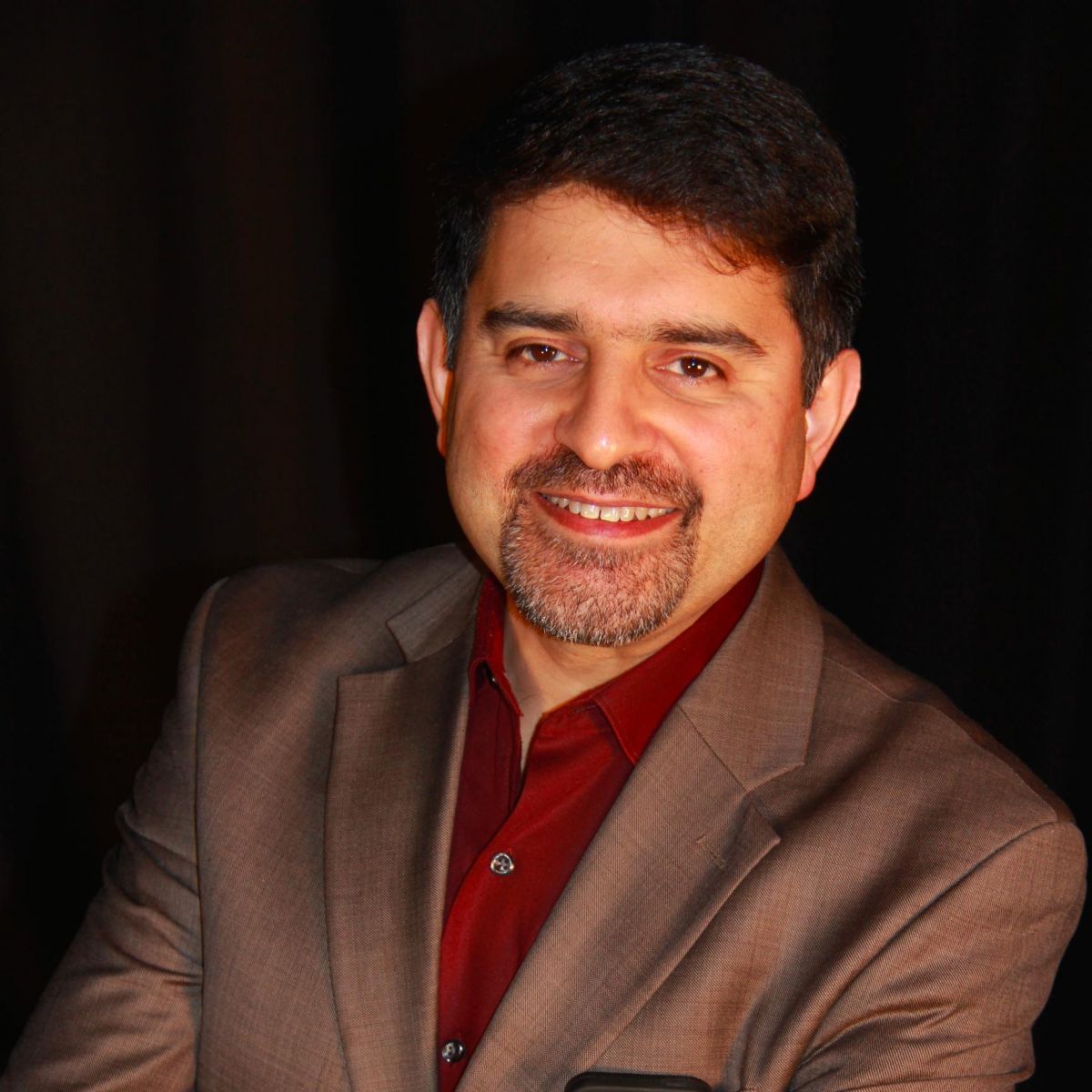
Бу борада “New Lines Institute for Strategy and Policy” ташкилотининг катта директори Камран Бохарининг (PhD) нуфузли “Forbes” нашрида чоп этилган “Мураккаб даврларда юмшоқ куч: Ўзбекистон, Ислом цивилизация маркази ва Евроосиё фаровонлиги” номли мақоласи алоҳида аҳамият касб этади.
(Бохари ушбу ташкилотнинг асосий асосчиларидан бири бўлиб, айни пайтда Жоржтаун университетининг Security Studies Program доирасида Евроосиё геосиёсати фанидан дарс беради. Шунингдек, у илгари АҚШ давлат департаментининг Халқаро хизматлар институтида Марказий Осиё тадқиқотлари координатори лавозимида ҳам фаолият юритган.)
“Ушбу стратегик нотинчлик шароитида Ўзбекистон замонавий бошқарув, иқтисодий ривожланиш ва глобал ҳамкорлик талабларига жавоб берадиган, мўътадил тарихий анъаналарга асосланган ислом моделини илгари сурмоқда”, деб ёзади у.
Ўзбекистон ислом цивилизациясининг бешиги сифатида
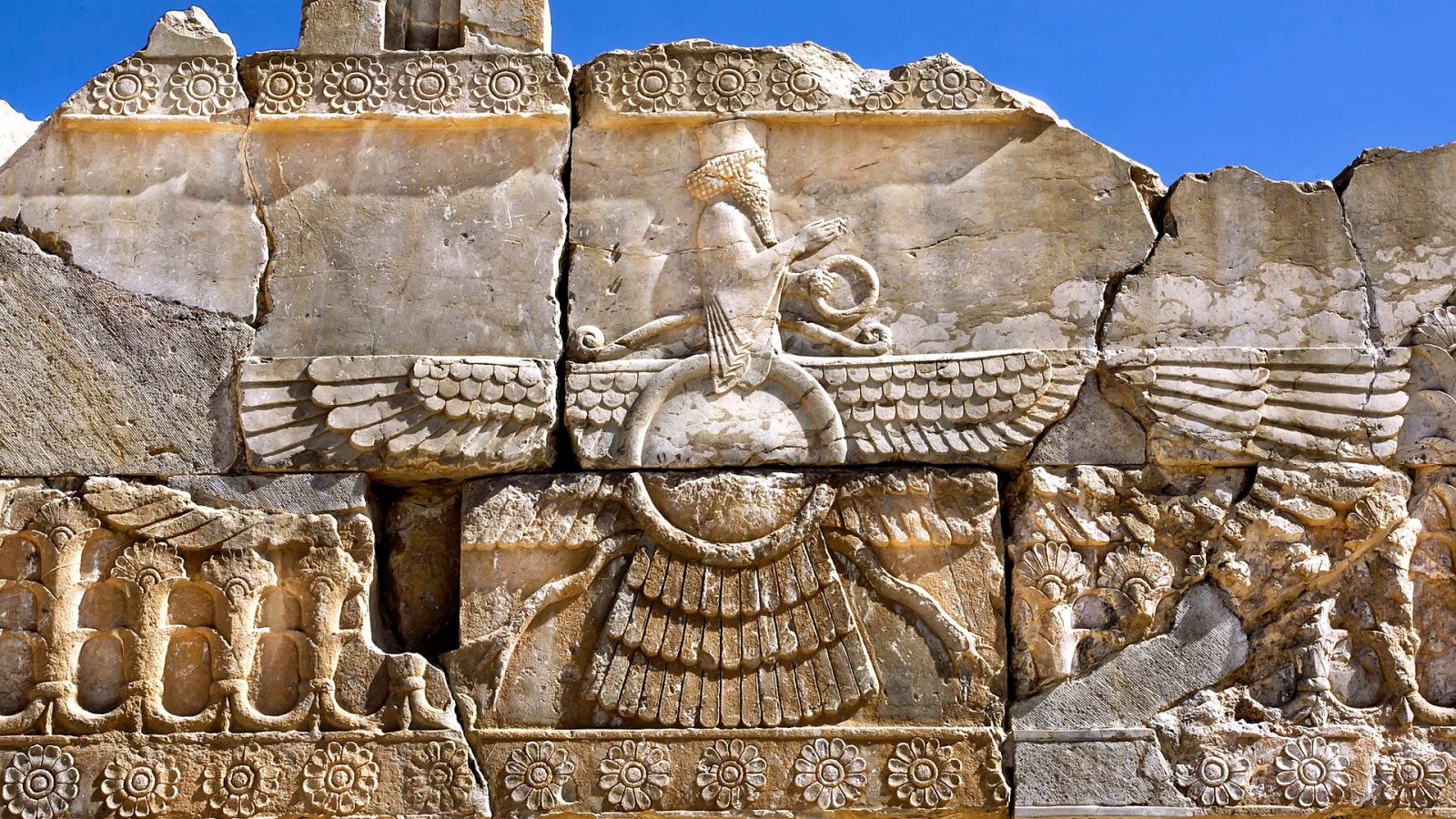
Марказий Осиё, жумладан, Ўзбекистон ҳудудлари узоқ тарихий давр мобайнида турли дин ва эътиқодлар кесишган муҳим чорраҳа бўлган. Буюк Ипак йўли орқали турли халқларни ўзаро боғлаган бу ҳудудга ҳар хил товарлар билан бир қаторда дин ва маданиятлар ҳам кириб келган. Қадимги Бақтрия ва Хоразмда зардуштийлик шаклланган бўлса, Ҳиндистон ва Хитой билан алоқалар минтақага буддизмнинг ёйилишида муҳим роль ўйнади. Маҳаллий кўчманчи халқлар ўртасида шаманизм ва тенгричилик кенг тарқалган бўлса, христиан миссионерлари минтақада ўз эътиқодларини ёйишга уринишган.
Марказий Осиёга исломнинг кириб келиши VII–VIII асрлардаги араб истилолари даврига тўғри келади. Турли иқтисодий ва маданий босимлар ортидан халқ орасида ёйилган ислом дини аста-секин минтақанинг асосий эътиқодига айланди. Тез орада араб тили ва исломий илм-фан ҳудудда устувор маданий платформага айланиб, маҳаллий элиталарнинг янги интеллектуал йўналишини белгилаб берди. Айниқса, Самарқанд ва Бухоро қисқа вақт ичида нафақат сиёсий ва иқтисодий, балки илмий марказ сифатида ҳам шаклланди.
Бу жараён тасодифий эмас эди, балки минтақанинг Буюк Ипак йўли устида жойлашгани уни ғоялар, билимлар ва технологиялар чорраҳасига айлантирди. Натижада Марказий Осиё исломни шунчаки қабул қилувчи ҳудуд эмас, балки уни қайта ишлаб, бойитувчи цивилизацион маконга айланди. Имом Бухорий, Абу Мансур Мотуридий, Муҳаммад ат-Термизий, Баҳоуддин Нақшбанд каби алломалар айнан шу муҳитда етишиб чиқди.
Шу тариқа, Марказий Осиё ислом цивилизациясининг периферияси (марказдан узоқда жойлашган, иккинчи даражали ҳудуд) эмас, балки унинг интеллектуал марказларидан бири – ҳақиқий “бешик” сифатида тарих саҳнасига чиқди.
Камран Бохарининг фикрича, Ўзбекистонда Ислом цивилизацияси марказининг очилиши шунчаки маданий тадбир эмас, балки стратегик лойиҳадир.
“Ислом цивилизация марказини ташкил этиш орқали Тошкент ўзини ушбу мероснинг ҳимоячиси ва замонавий талқинчиси сифатида намоён қилмоқда. Бу мерос Самарқанд, Бухоро, Хива, Термиз ва Қўқон каби шаҳарларда мужассам”, деб ёзади Бохари.
Бохарининг ўз мақоласида айтишича, Жанубий Кавказ ва Марказий Осиё, Яқин Шарқ ва Жанубий Осиё билан тобора чамбарчас боғланиб бормоқда. Лекин бу интеграцияга икки асосий хавф тўсқинлик қилмоқда: Эрон атрофидаги уруш ва Толибон бошқарувидаги Афғонистондан тарқалаётган беқарорлик. Муаллифга кўра, айнан шундай вазиятда Ўзбекистон ўзини “мўътадил ислом”, маданий мерос ва минтақавий барқарорлик ғояси орқали намоён этмоқда.
Бундан ташқари, Камран Бохарининг фикрича, Ислом цивилизация марказининг ташаббуси Ўзбекистоннинг кенгроқ геосиёсий амбициялари билан ҳам чамбарчас боғлиқ. Мамлакат аста-секин Евроосиё маконида “ўрта даражадаги куч” сифатида шаклланиб бормоқда. Тошкент айниқса, C5+1 форматида фаол иштирок этиб, ўзининг географик марказийлиги, демографик салоҳияти ва ислоҳотлар сиёсати орқали минтақавий кун тартибини шакллантиришга интилмоқда. Бу жараёнда Ўзбекистон нафақат иқтисодий ва хавфсизлик масалаларида, балки маданий-дипломатик йўналишда ҳам етакчилик қилишга уриняпти.
“Президент Шавкат Мирзиёев раҳбарлигида Тошкент минтақавий нормаллаштириш ва иқтисодий очиқлик стратегиясини амалга оширди, бу эса C5 гуруҳини асосан маслаҳат форумидан алоқа, энергетика соҳасидаги ҳамкорлик ва хавфсизликни мувофиқлаштиришни ривожлантириш платформасига айлантирди. Ўзбекистоннинг фаол дипломатияси, шунингдек, Марказий Осиё Қўшма Штатлар, Хитой ва Россия каби йирик давлатлар ўртасидаги муносабатларни мувозанатлаштирган ҳолда минтақавий блок сифатида янада изчил ҳаракат қилиши мумкинлиги ғоясини мустаҳкамлади”, деб ёзилади мақолада.
Ислом цивилизация маркази – можароларни ҳал этиш калити
Бугунги кунда Ғарбий ва Жанубий Осиёда кескинлашиб бораётган геосиёсий зиддиятлар Марказий Осиё давлатлари, хусусан Ўзбекистон учун жиддий хавотир манбаига айланмоқда. Эрон атрофидаги уруш, Афғонистондаги беқарорлик ва Покистон билан кескинликлар фонида Тошкент вазиятни фақат хавфсизлик нуқтаи назаридан эмас, балки маданий ва цивилизацион ёндашув орқали ҳам бошқаришга уринмоқда. Айнан шу контекстда Ислом цивилизацияси марказининг ташкил этилиши стратегик аҳамият касб этади.
Олим таъкидлаганидек, “Ўзбекистон Эрон билан боғлиқ можаронинг давом этишини ўзининг геоиқтисодий манфаатларига таҳдид сифатида кўради”. Шубҳасиз, бу бежиз эмас. Энг яқин денгиз портига чиқиш учун иккита давлат ҳудудидан ўтиши керак бўлган ноёб давлат сифатида Ўзбекистон учун Эрон ҳудуди Марказий Осиёни очиқ денгиз йўллари билан боғловчи энг қисқа ва стратегик йўлак ҳисобланади. Шу боис, расмий Тошкент Эрон ва АҚШ ўртасидаги узоқ йиллик қарама-қаршиликнинг юмшатилишини муҳим деб билади ва дипломатия ҳамда деэскалацияни фаол қўллаб-қувватламоқда.
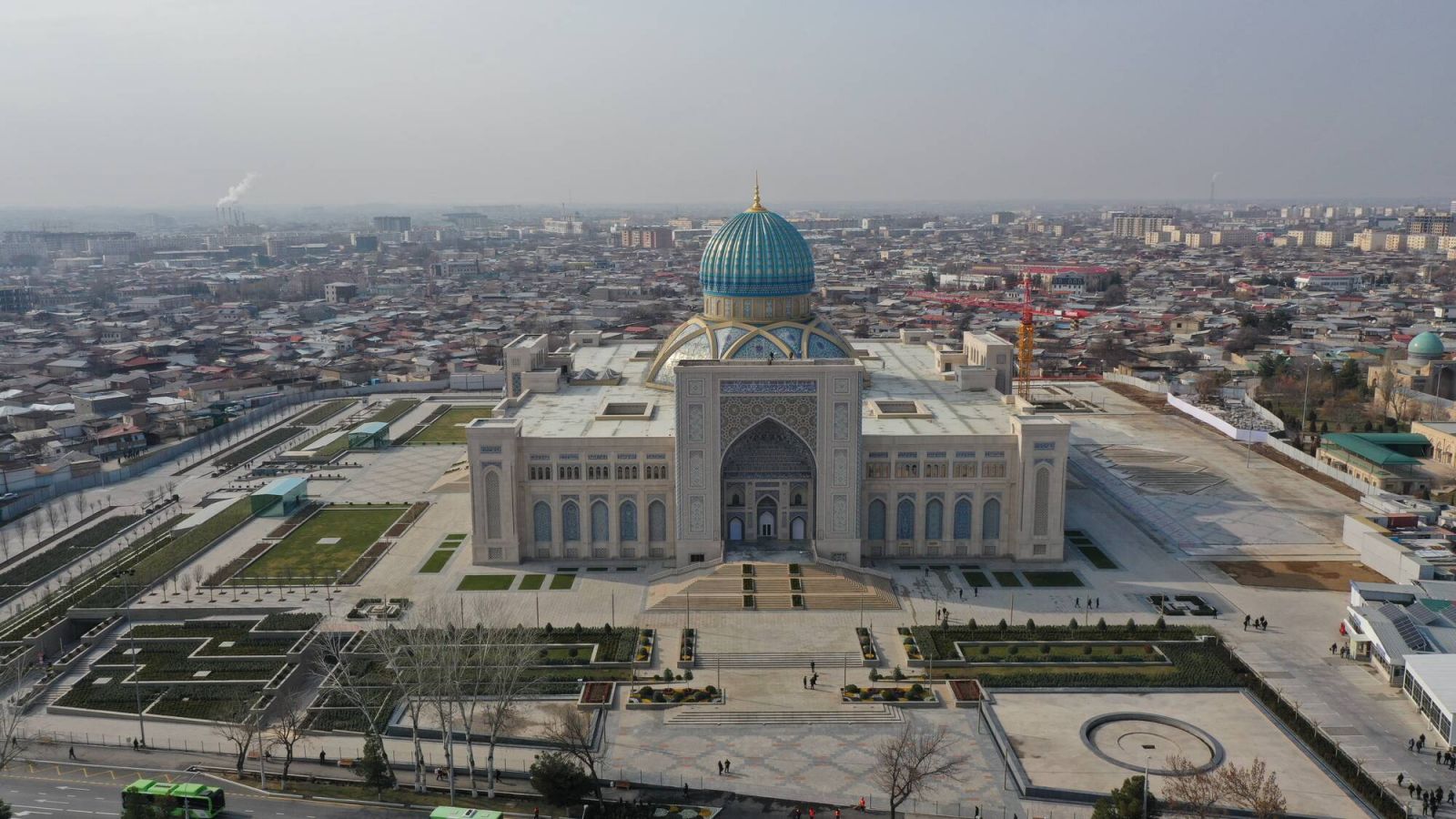
Бундай ёндашув Ислом цивилизацияси марказининг фаолиятида ҳам ўз аксини топади. Марказ фақат тарихий меросни тарғиб қилувчи институт эмас, балки “бағрикенг ва инсонпарвар ислом моделини илгари сурувчи платформа” сифатида кўрилмоқда.
“Ислом цивилизацияси марказининг минтақавий барқарорликни мустаҳкамловчи ва радикализмга қарши муқобил ғоявий майдон яратади”, деб ёзади Камран Бохарий.
Бу айниқса, Афғонистон билан боғлиқ вазиятда муҳим. 2021 йилда Толибон ҳокимиятга қайтгач, Ўзбекистон Қобул билан эҳтиёткор алоқалар олиб бормоқда. Чунки Афғонистоннинг беқарорлиги нафақат хавфсизлик, балки мафкуравий таҳдидларни ҳам кучайтиради. Шу боис Тошкент радикал исломизмга қарши курашда ҳарбий воситалардан кўра, идеологик ва маданий ёндашувни устун қўймоқда. Ислом цивилизацияси маркази айнан шу стратегиянинг марказий элементи сифатида майдонга чиқмоқда.
Бундан ташқари, Покистон ва Толибон ўртасидаги сўнгги кескинликлар ҳам минтақадаги “беқарорлик ёйини” кенгайтириш хавфини туғдирмоқда. Эрон билан уруш фонида бу жараёнлар бир-бирини кучайтириб, бутун Ғарбий Осиё ҳудудида хавфли муҳитни юзага келтириши мумкин. Шу шароитда Тошкентнинг сиёсати уч асосий йўналишни ўзида мужассам этади: эҳтиёткор дипломатия, маданий таъсир ва хавфсизликни таъминлаш.
Муаллиф фикрича, “Ислом цивилизацияси маркази Ўзбекистоннинг цивилизацион меросини институционал шаклга келтириб, уни замонавий геосиёсий воситага айлантиради”. Бу эса мамлакатга нафақат минтақавий барқарорликни қўллаб-қувватлаш, балки Евроосиё, Яқин Шарқ ва Жанубий Осиё ўртасида маданий кўприк вазифасини бажариш имконини беради.
Хулоса қилиб айтганда, Ислом цивилизацияси маркази оддий маданий лойиҳа эмас. У Тошкентнинг мураккаб минтақавий муаммоларни ҳал этишда “юмшоқ куч”, дипломатия ва стратегик фикрлашни уйғунлаштирган ёндашувининг ифодасидир. Айнан шу модель орқали Ўзбекистон ўзини беқарорлик ҳудудида мувозанатни сақловчи ва барқарорликни тарғиб қилувчи муҳим актор сифатида намоён этмоқда.
Live
All27 October