Ўзбекистонга мол сотган “замминистр” Жалолободда ҳибсга олинди
World
−
20 August 2025 13575 2 minutes
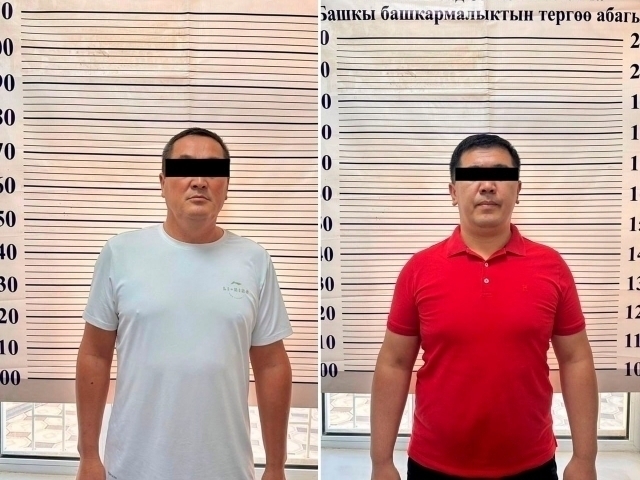
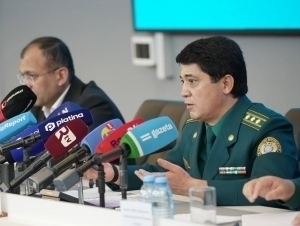
Қирғизистон Сув хўжалиги, қишлоқ хўжалиги ва қайта ишлаш саноати вазири ўринбосари республика махсус хизматлари томонидан коррупцияга алоқадорликда гумонланиб ҳибсга олинди. Бу ҳақда мамлакат Миллий хавфсизлик давлат қўмитаси хабар берди.
“Вазир ўринбосари ва вазирлик ветеринария хизмати директори қишлоқ хўжалиги ҳайвонларини экспорт қилиш учун квоталар беришда коррупциявий схемани ташкил қилгани учун қўлга олинди”, дейилади хабарда.
Гумонланувчиларнинг исмлари тергов манфаати учун ошкор этилмаяпти. Қўмитанинг эслатишича, 2025 йил июль ойида Қирғизистон ҳукумати ички бозорда гўшт нархини тартибга солиш мақсадида чорва молларини экспорт қилиш учун квоталар жорий қилган. Бироқ қўлга олинганлар “аслида чорвачилик билан шуғулланмайдиган филиалларга ноқонуний равишда квоталар бериш” бўйича коррупцион схемани ташкил қилган.
“Оқибатда воситачи тадбиркорлар томонидан ноқонуний равишда олинган квоталар чорва молларини экспорт қилиш билан шуғулланувчи фермер ва жисмоний шахсларга 1 бош қорамол учун 300 АҚШ доллари ва 1 бош майда қорамол учун 5 минг сўмдан сотган”, дейилади қўмита ахборотида.
Бундай схемалар ёрдамида Қирғизистоннинг Жалолобод вилояти орқали Ўзбекистонга жами 40 минг бошдан ортиқ чорва моллари ноқонуний олиб келинган ва бу Қирғизистонда “гўшт нархининг ўсишига асос бўлган”.
“Ҳозирда қўзғатилган жиноят иши доирасида мазкур мансабдор шахслар Миллий хавфсизлик давлат қўмитасининг Жалолобод вилоятидаги тергов изоляторига жойлаштирилиб, тергов ҳаракатлари олиб борилмоқда”, дейилади хабарда.
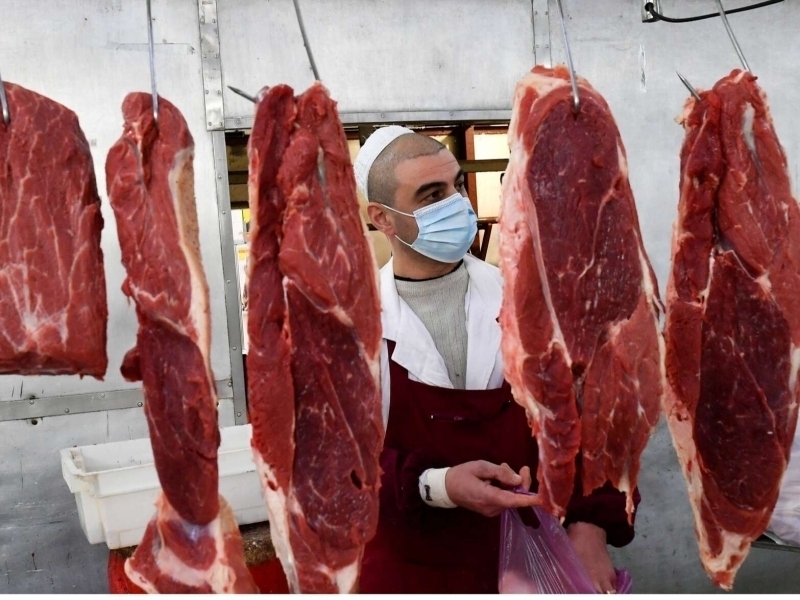
Маълумот учун, сўнгги вақтларда Қирғизистонда гўшт нархлари 15–20 фоизга қимматлашгани кузатилган. Нарх ошишининг асосий сабаби сифатида чорва ва гўшт маҳсулотларининг экспорти ортгани кўрсатилмоқда. Хусусан, катта ҳажмдаги жонли ҳайвонлар ва гўшт чет элга чиқарилаётгани ички бозорда таклифни камайтириб, нархга босимни оширган. Бундан ташқари, чегаралардан чорва маҳсулотларининг ноқонуний олиб чиқилиши – контрабанда ҳолатлари ҳам мавжуд бўлиб, бу жараён расмий назоратдан ташқарида кечаётгани сабабли муаммони чуқурлаштирган. Озуқа маҳсулотлари, хусусан ем ва сомон нархининг ошгани чорва парваришини қимматлаштириб, ишлаб чиқарувчилар харажатларини кўпайтирмоқда. Бу ҳам, ўз навбатида, гўшт нархига таъсир қилмоқда. Яйловларнинг қисқариши, қурғоқчилик, озуқа танқислиги эса чорва сонининг камайишига олиб келмоқда. Шунингдек, бозорда оралиқ савдогарларнинг кўплиги нархларни сунъий равишда ошираётгани ҳам таъкидланмоқда. Улар баъзан гўштни омборларда сақлаб, танқисликни кучайтириш йўли билан кўпроқ фойда олишга уринади. Мавсумий талаб ҳам нархларга бевосита таъсир кўрсатади, айниқса, қиш ойларида ва байрамлар олдидан гўштга талаб ошади. Валюта курсининг ўзгариши ҳам муҳим омиллардан бири бўлиб, импорт қилинадиган ем, дори-дармон ва асбоб-ускуналарнинг қимматлашувига олиб келади. Буларнинг барчаси биргаликда нархлар барқарорлигини бузган ва ҳукуматни зудлик билан чоралар кўришга ундаган.

Live
All